


Journal of Middle Eastern Politics & Policy
The Journal of Middle Eastern Politics and Policy (JMEPP) presented cutting-edge analysis on the contemporary Middle East and North Africa. JMEPP was committed to presenting new perspectives on pressing problems, addressing complex issues with insightful analysis, and exploring emerging trends shaping the region in an empirically grounded and accessible way.
Explore all Articles
filter by–Topic
filter by–Region
filter by–Country
search by–Keyword
The IMF and economic injustice in Tunisia
03.9.18
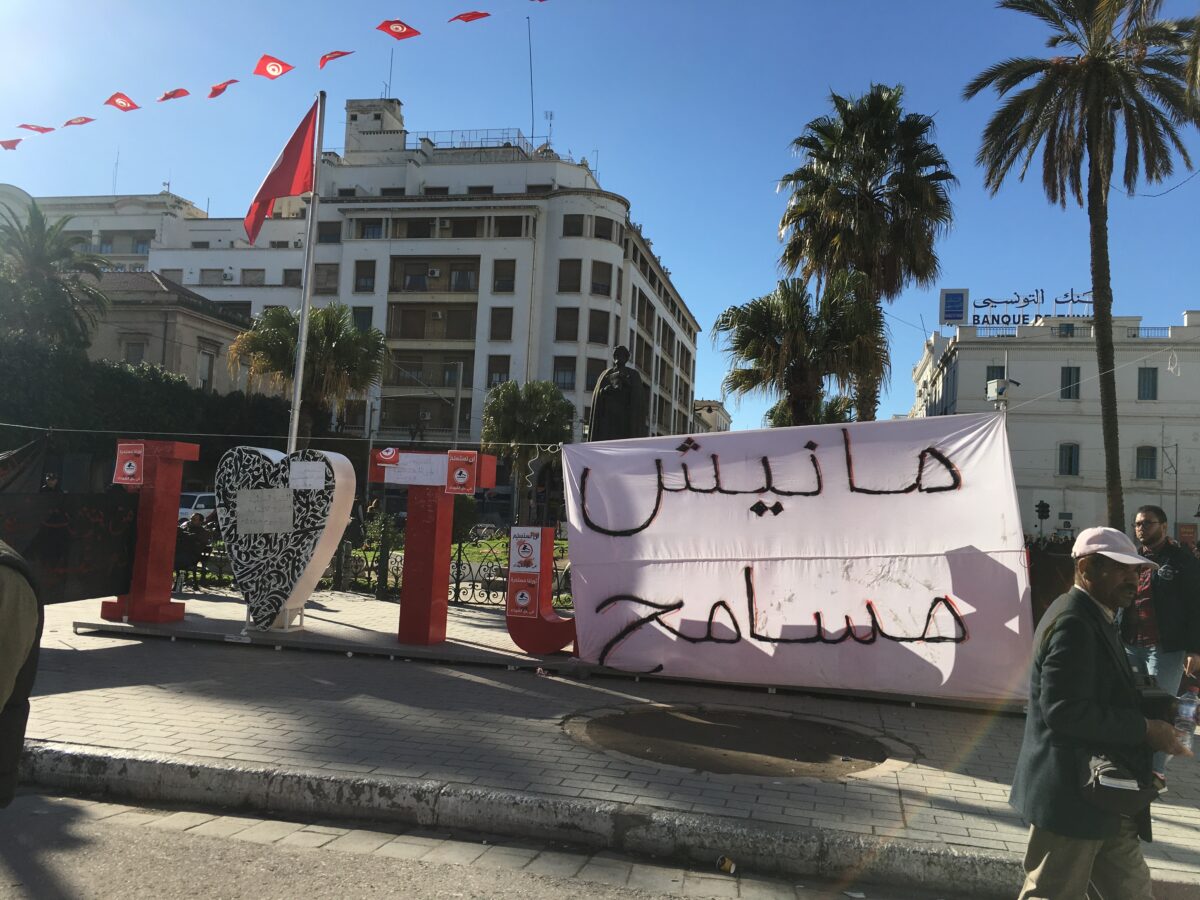
When Tunisians took to the streets in protest in early January, the target of popular anger seemed clear: the democratically-elected Tunisian government, which had voted in December to pass the controversial 2018 Finance Law that went into effect on January 1. Most saliently, the public was becoming increasingly aware that the Finance Law was not crafted solely by Tunisia’s elected representatives – the International Monetary Fund (IMF), which has loaned Tunisia massive sums of money since 2011, contributed heavily to the legislation.

Podcast: Dire humanitarian situation in Eastern Ghouta and elections coming up in Egypt
03.9.18
In this week’s episode of the Middle East Weekly podcast, we discuss the worsening humanitarian situation in Eastern Ghouta, Syria, where over 1,000 people have been killed in 2 weeks and 400,000 families are living under siege, as Bashar al Assad’s forces attack the rebel-held city.
The cycle of crime and civil war in Libya
03.6.18
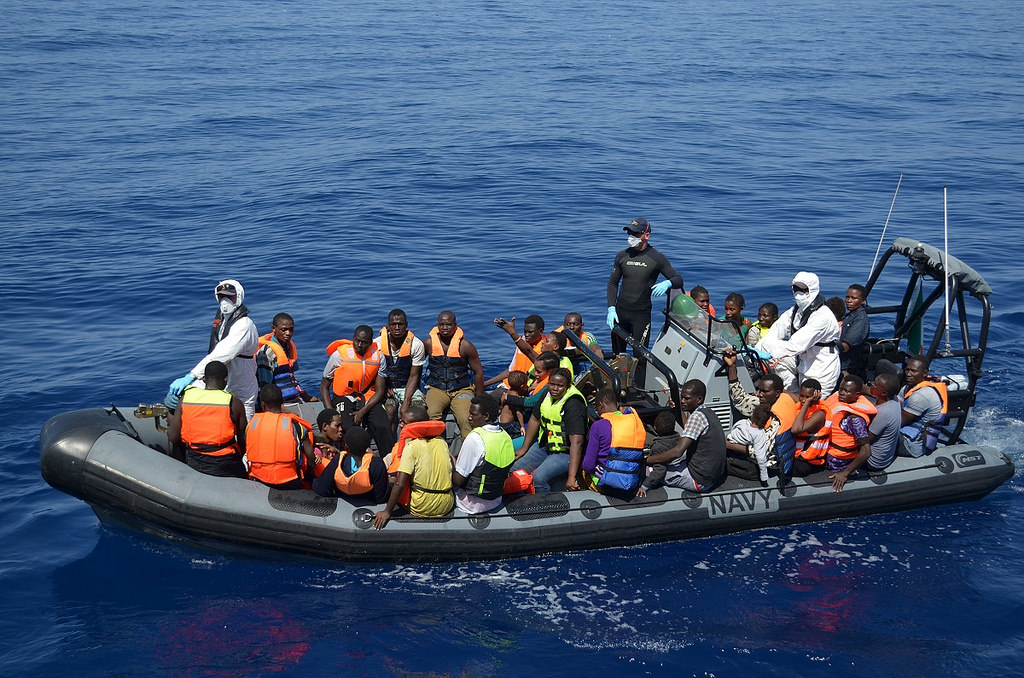
A 2017 deal between Libya and Italy, which attempted to stem the flow of migrants from Libya to Europe, demonstrates the lucrative opportunities that insecurity offers for non-state armed groups, as well as the difficulty of divorcing militia engagement in criminal activities from ideological battles in Libya’s civil war.
Looking for answers: How Trump’s Jerusalem decision is forcing a search for creative solutions
03.6.18
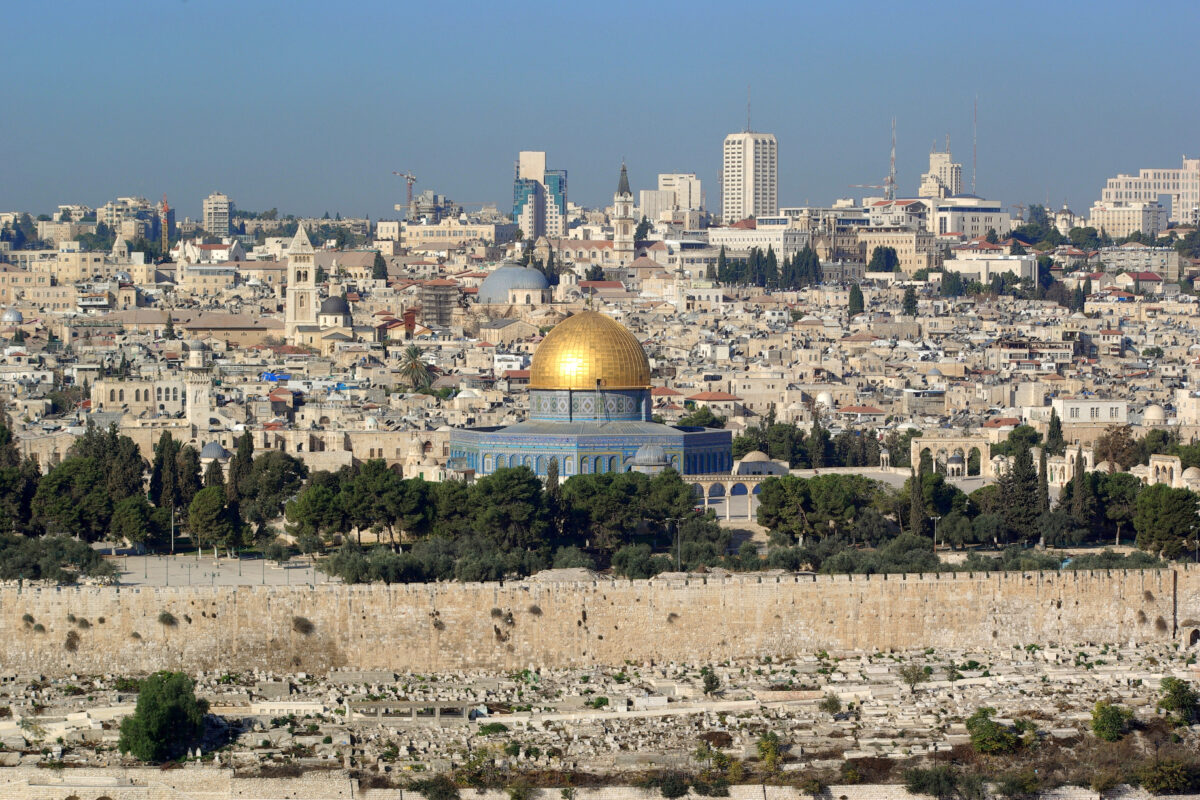
As Israeli control over Jerusalem crystallizes, the likelihood that the city can act as the capital of future Israeli and Palestinian states recedes rapidly. Increasingly, peacemakers and politicians are being forced to consider more creative solutions—and many are looking to the past for inspiration.

Podcast: Corruption charges against Netanyahu and updates from Syria
02.26.18
In our first story on this week’s episode we discuss the history of corruption charges against Benjamin Netanyahu and other Israeli leaders. Next, we discuss the Turkish military’s attack on a Syrian convoy heading to reinforce YPG forces in Afrin. Finally, we discuss an underreported story of U.S. strikes killing hundreds of Russian mercenaries in Syria. If you want more information on any of these stories check out the articles we recommend below.
Watch: Q&A with Ali Ahmad, Director of the Energy Policy and Security Program at American University of Beirut
02.23.18
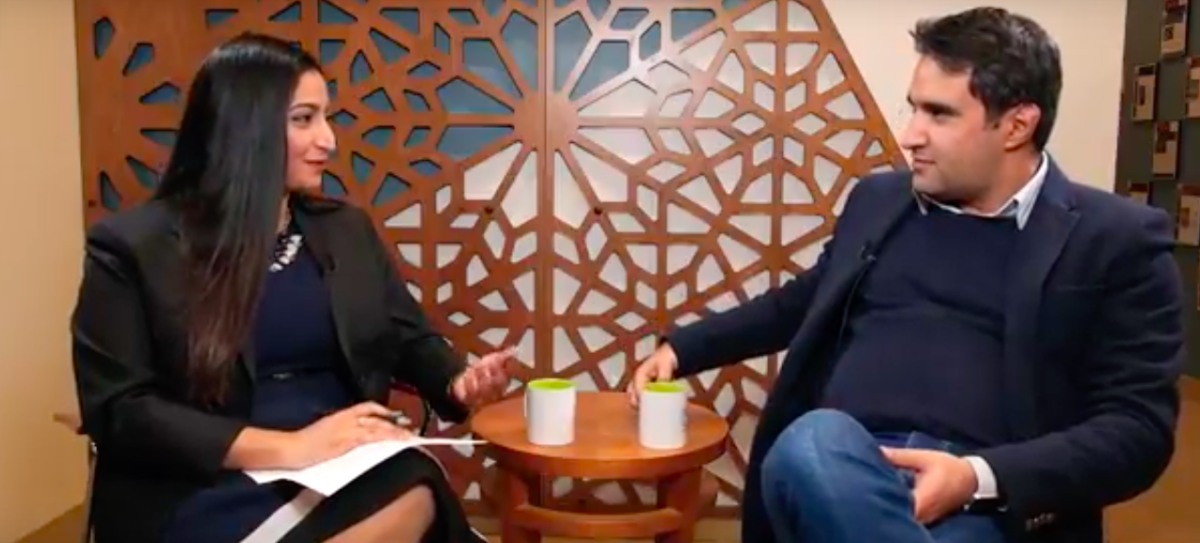
Dr. Ali Ahmad, Director of the Energy Policy and Security in the Middle East Program at the American University of Beirut, talks with JMEPP editor Mariya Ilyas about the Middle East’s energy needs, including the possibility of nuclear power. This talk is part of the Inside the Middle East Q&A Series.
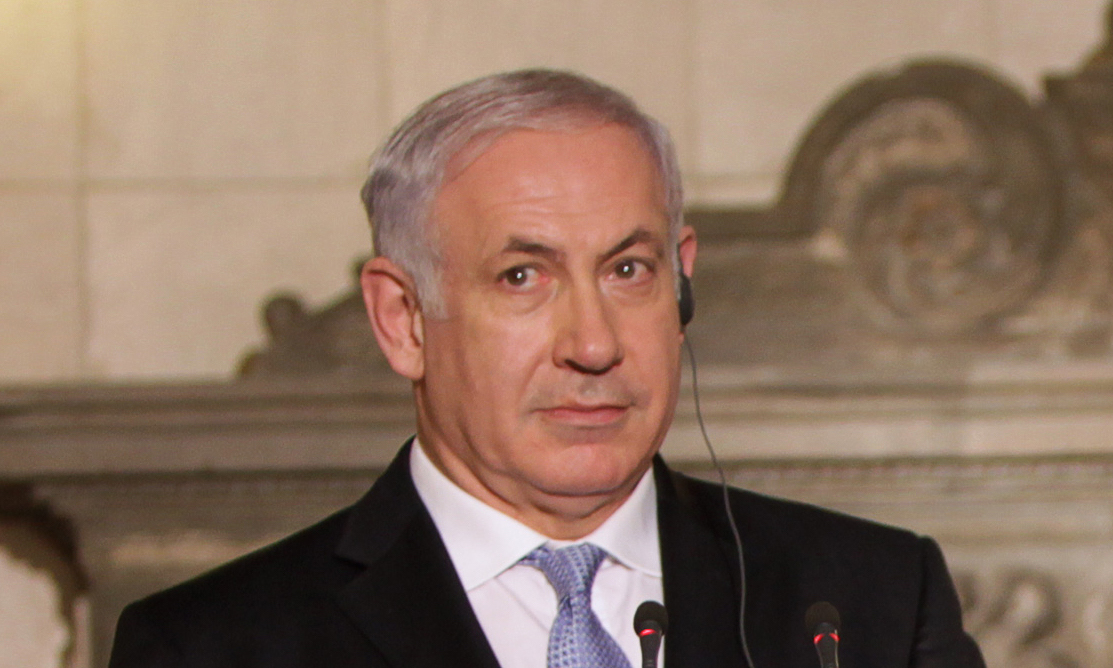
Bye bye Bibi: The scandals engulfing Israel’s prime minister
02.21.18
Although the Netanyahu administration has been roundly criticized for its brutal treatment of Palestinians, lack of commitment to the peace process, and flouting of international law, it might ironically be the more mundane charges of common graft that ultimately bring about the Prime Minister’s downfall.
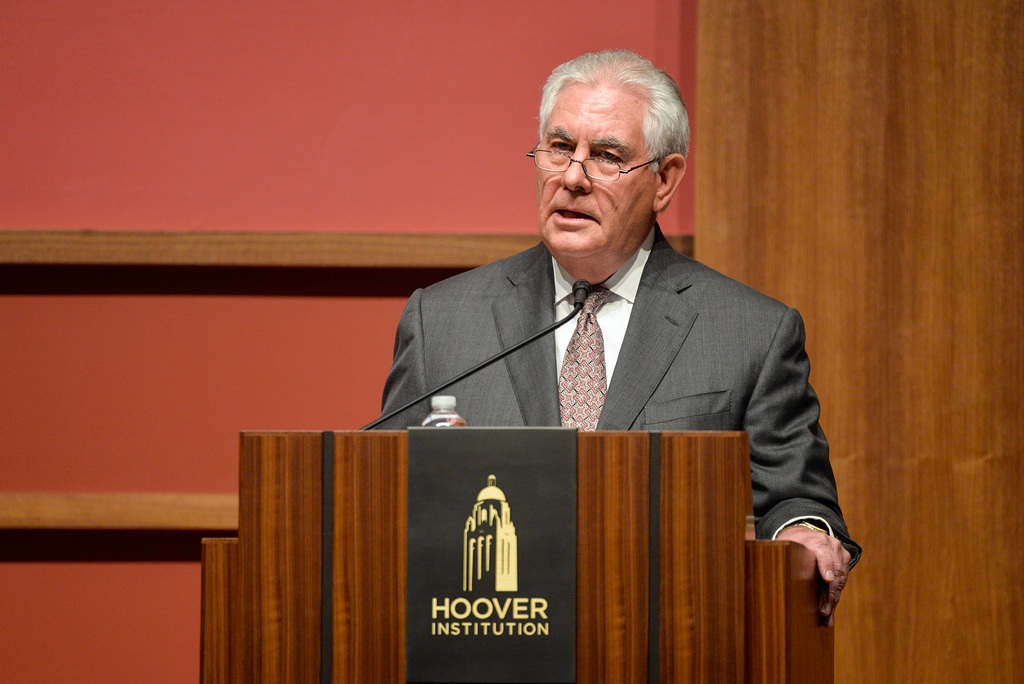
Another forever war: The US strategy in Syria
02.14.18
In a speech at the Hoover Institution on January 17, United States Secretary of State Rex Tillerson outlined a plan to keep US troops in Syria indefinitely, beholden to an unrealistic set of conditions. Although the new policy identifies areas of concern for the US and its allies in the Middle East, the goals outlined lack specificity and are so broad as to be impractical. If the Trump administration does not narrow its goals in Syria, it risks turning Syria into a conflict as open-ended as Afghanistan.

Borrowing Time: Rents and Reform in Saudi Arabia
02.12.18
Of the three various frames for studying the MENA region at present questions of securing economic development and reforming social welfare programs generally receive less attention than topics such as Islamism, security sector reform, or social mobilization. Most analysts…struggle to imagine the kind of economic improvement that could curb high levels of unemployment (especially among the educated) and generate much-needed revenue to finance state services such as education, health care, and basic infrastructure projects.

Interview with Maha Yahya, Director of Carnegie Middle East Center
02.8.18
Maha Yahya, Director of the Carnegie Middle East Center in Beirut, sits down with Niku Jafarnia to discuss the conditions needed for the safe return of Syrian refugees to their homes and the current tenor of domestic rhetoric around refugees in host countries, involuntary returns, “safe zones,” and shifting territorial control within Syria.
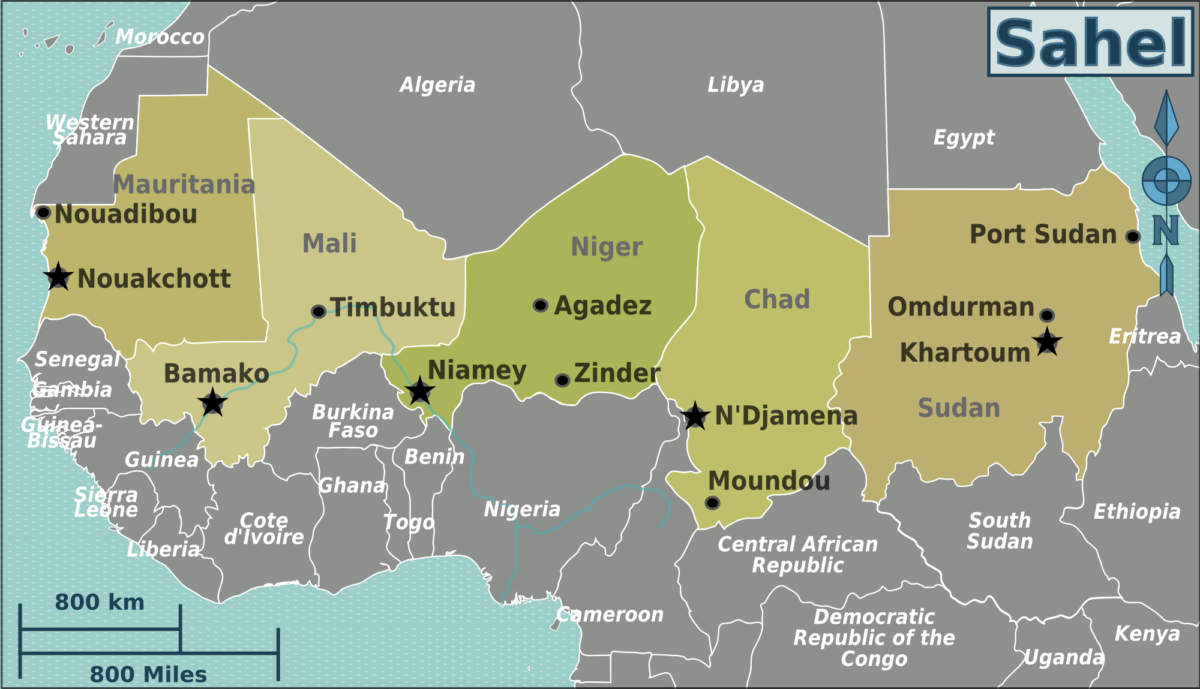
Safe haven: The future of Islamic extremism in the Sahel
01.30.18
Stretching from the Atlantic coast in the west to the Red Sea in the east, the region of north-central Africa known as the Sahel has rarely figured as a focus of international geopolitics. Yet this semi-arid band of territory, spanning some 14 countries and home to numerous ethnic and religious groups, is emerging as a new arena in the sprawling global battle between governments and jihadist groups.
Captagon: Violence in Syria and the War on Drugs
01.25.18
The stimulant Captagon has been portrayed as a super drug underlying the violence in Syria and Iraq. But the emphasis on the drug’s side-effects, in conjunction with a fear of narcotics bred by the war on drugs, has detracted from a proper analysis of the foundational causes of that violence.