
Latest Article
The Transatlantic Alliance Isn’t Dead. Treating It That Way Could Make It So.
The transatlantic alliance is increasingly described today in terms of decline, rupture, and even collapse.[1] Political leaders and commentators on both sides of the Atlantic have openly questioned whether the relationship can endure in its current form. From warnings that it is “broken” to claims that it is effectively “over,” the narrative of a fading […]Explore all Articles
filter by–Region
filter by–Country
search by–Keyword

Russia’s “Peace Talks” Are Theater – And Trump Is Still the Target Audience
02.13.26
The resumption of direct negotiations between Russia and Ukraine in May after a three-year hiatus was never about peace.

Wrangling with Explosive AI Growth
02.1.26
Policymakers are accustomed to thinking in finite measurable terms like laws, budgets, and program implementation. Artificial intelligence, however, no longer advances in a straight line or within the familiar boundaries of public administration.

Why “Two-State” is Not a Solution for the Korean Peninsula
12.5.25
Both Koreas have shared the goal of reunification despite decades of ups and downs in inter-Korean relations. This long-held goal is now in grave peril.
The Next Phase of the U.S.-China Cold War Is About Power, Not Ideology
12.4.25
The U.S. once believed it could liberalize China — the opposite may have happened.

Why a Resilient Taiwan Benefits Everyone: An Interview with Taiwanese Diplomat Charles Liao
12.3.25
Read and listen to an interview between HKS SPR and Taiwanese Diplomat Charles Liao, Director-General of the Taipei Economic and Cultural Office (TECO) of Boston.

International Security Institutions and Climate-Induced Conflicts: Adapting Strategies in an Era of Climate Geopolitics
11.30.25
Security institutions can no longer afford to relegate climate-induced migration to the periphery of strategic considerations.
Why Killing OPT Hurts American Workers More Than It Helps
05.27.25
“OPT is not about ‘foreigners’ taking American jobs. It is about ensuring that future generations of Americans inherit a nation that continues to lead in science, technology, and higher education. Policymakers should strengthen oversight where needed but preserve and expand OPT as a strategic pillar of U.S. innovation, workforce competitiveness, and global influence.”
US-China Tech Decoupling: A Shift Towards a More Paranoid World
05.27.25
“The impact of this digital isolation has been amplified in recent years by Beijing’s efforts to tightly interlink data security with national security, as well as reduced people-to-people and business exchanges from the COVID-19 pandemic and geopolitical tensions. In the U.S., growing suspicion of China has led to increasingly aggressive efforts to excise Chinese technology and capital from its supply chain. People from the two countries are farther apart than ever.”

Kazakhstan’s Nuclear Ambitions: A Path to Sovereignty or Dependency?
05.13.25
“Kazakh President Kassym-Jomart Tokayev, a key supporter of this initiative, sees nuclear energy as a pathway to securing Kazakhstan’s long-term stability and energy independence. Yet a critical question remains: Will this decision bolster the country’s energy sovereignty or will it expose it to new vulnerabilities?”
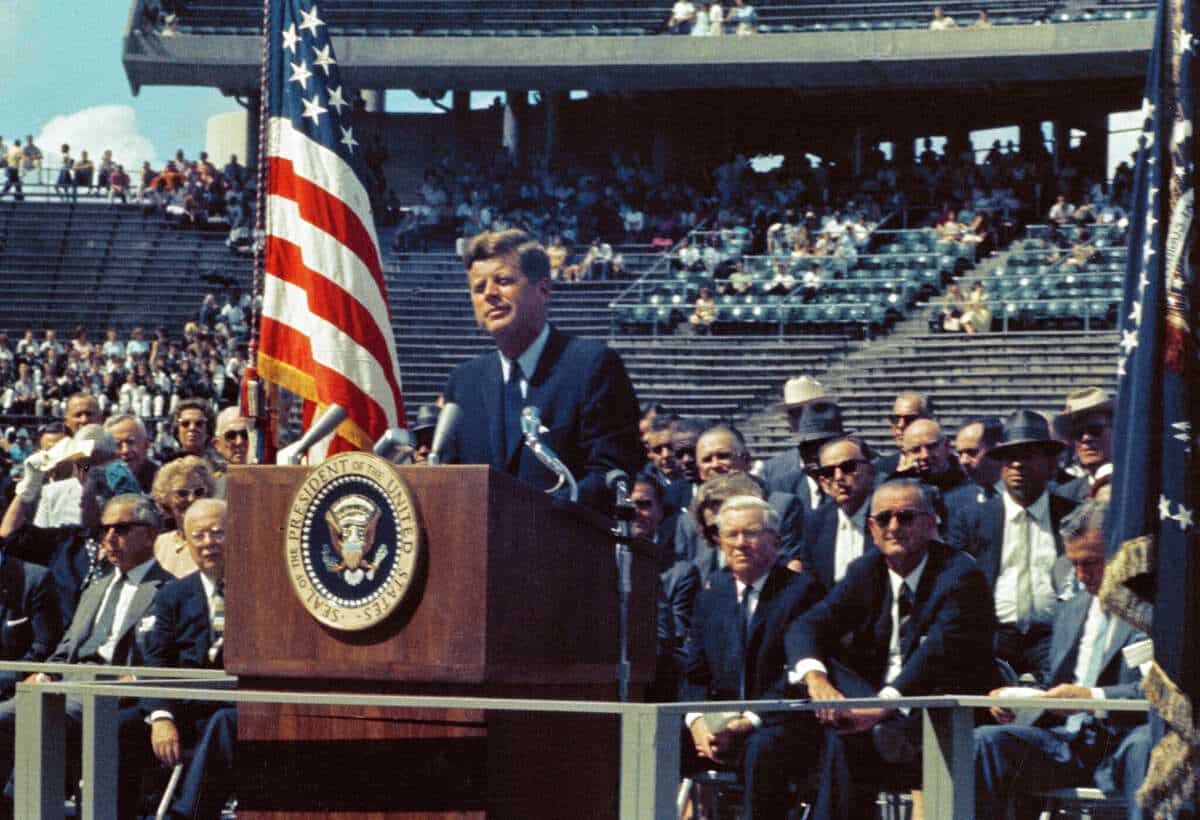
From Moonshots to Stagnation: Is Government Innovation a Thing of the Past?
05.13.25
“Today, the term moonshot is most commonly associated with the tech ecosystem, where Big Tech has assumed the role of global innovation leadership. This raises a fundamental question: Is the trajectory of human progress now dictated solely by private-sector interests? If innovation were to be driven primarily by profit-driven corporations, what values and priorities shape the future of technological development?”
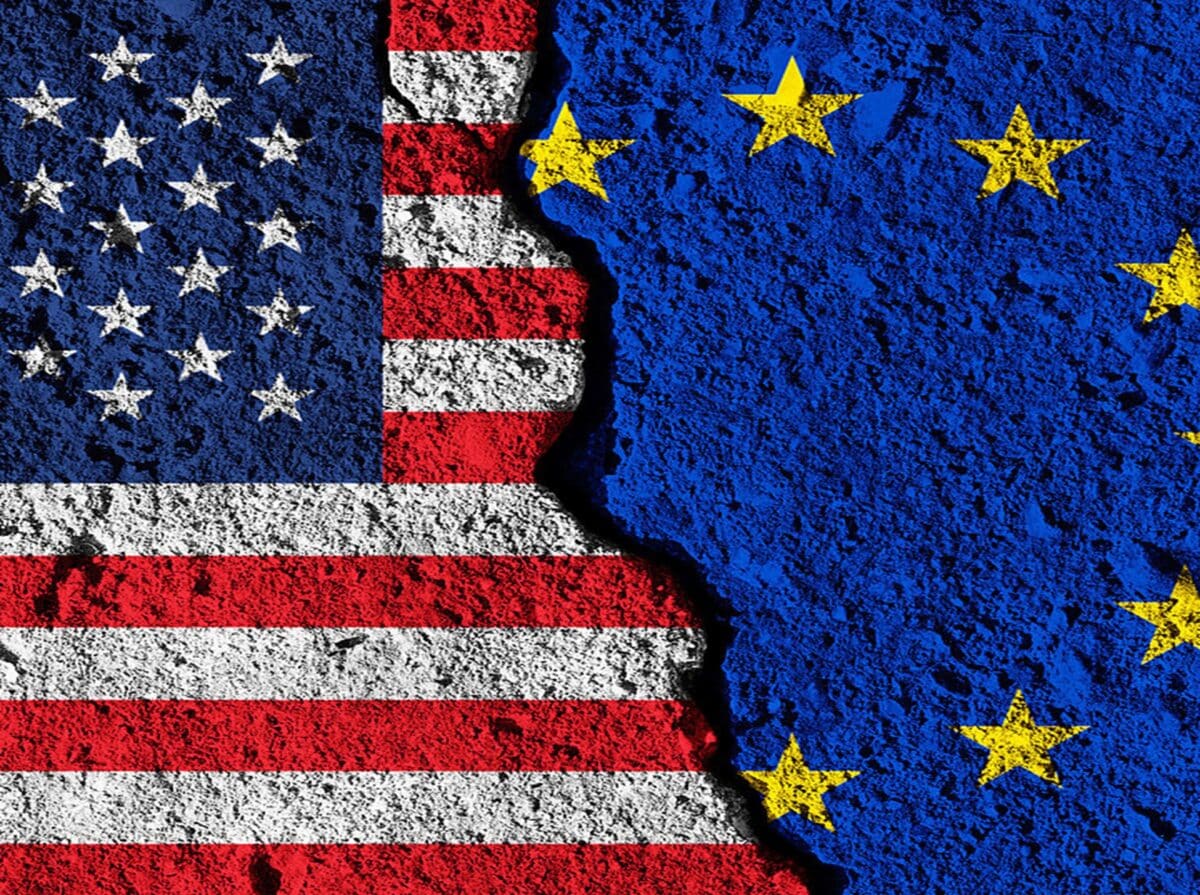
A New EU-US Relationship
05.5.25
For decades, the transatlantic alliance has rested on two pillars: a deep trade relationship and Europe’s near-total dependency on U.S. military protection. But recent moves from Washington have shaken that foundation.
On the Anniversary of the Fall of Saigon, Beware of the Desire to Save Face at All Costs
04.30.25
Fifty years ago today, Saigon fell to the North Vietnamese, officially rendering the United States’ decades-long misadventure in Vietnam a failure.[i] The troubling reality of wartime decision-making is that it was not based primarily on whether the United States could feasibly win, or even whether Vietnam was strategically important. Rather, policymakers in Washington escalated the […]