

Poverty, Inequality and Opportunity
What role should governments play in alleviating poverty? Can public policy help foster prosperity and equality?
Latest Article
Don’t get distracted in the debate on cash transfers
Our anxieties about the future should not cloud evidence today.Explore all Articles
filter by–Region
filter by–Country
search by–Keyword

Letter: Subject-Based Banding is Not the Escalator We’re Looking For
03.20.19
On the topic of subject-based banding, Andrew Chia responds to Lionel Oh’s Op-Ed by laying out potential practical difficulties in overhauling the existing streaming system, showing how these obstacles could undermine the effectiveness of such a change.

Roma, the Masterpiece, not the Social Redeemer
03.11.19
Mexican director Alfonso Cuarón received the Oscar for best director for his beautiful masterpiece Roma at the 91st Academy Awards. As he was handed the statue from another Mexican director, Guillermo del Toro, he said: “I want to thank the academy to recognize a film that is centered around an indigenous woman, one of the […]

Moving Beyond Streaming: Will Subject-Based Banding Work?
03.8.19
Singapore plans to replace streaming in secondary schools with subject-based banding by 2024. Lionel Oh explores how this banding could be implemented in a flexible yet substantive way that best captures the spirit of the policy intent, so that it does not simply become yet another form of educational stratification.

Sharing the Community Schools Strategy
02.20.19
BY ABEL MCDANIELS Last month, teachers from Los Angeles Unified School District, the nation’s second largest school system, went on strike for nine days. Among their demands were community schools. A community school intentionally organizes school and community resources to support student success. These schools stay open well beyond 3pm, the typical end to a […]

Love, Labour, and Loss: Decoding the ‘Migrant Worker’
02.20.19
‘Migrant workers’ is the typical term used to describe migrants who work in Singapore. But they are far more than just workers defined by their labour. Theophilus Kwek argues that we should move beyond the simple trope of ‘migrant workers’ in our discourse on migrant issues, as a first step to seeing them as people whose lives are just as full and fraught as our own, and treating them accordingly.

American Dream Unrealized: A Wake Up Call from the UN
02.5.19
BY AMANDA HALLOCK Philip Alston, the United Nations Special Rapporteur on Extreme Poverty and Human Rights, spent 2017 investigating an unexpected country: the United States. The United States takes great pride in its governmental, economic, and social progress and even provides aid all around the world. So, when the U.N. report on Extreme Poverty and […]
Why We Should Keep Talking about Affirmative Action
01.16.19
BY PRIYANKA KAURA I talked about affirmative action way more than I planned to this fall, and I’m not going to stop. It began as a reaction to the divisive Students for Fair Admissions v. Harvard lawsuit, in which a group of Asian Americans led by Edward Blum claimed that Harvard’s admissions process is discriminatory. […]
“Elite” and “Neighbourhood” Schools: Exploring School Names and Social Hierarchies
11.25.18
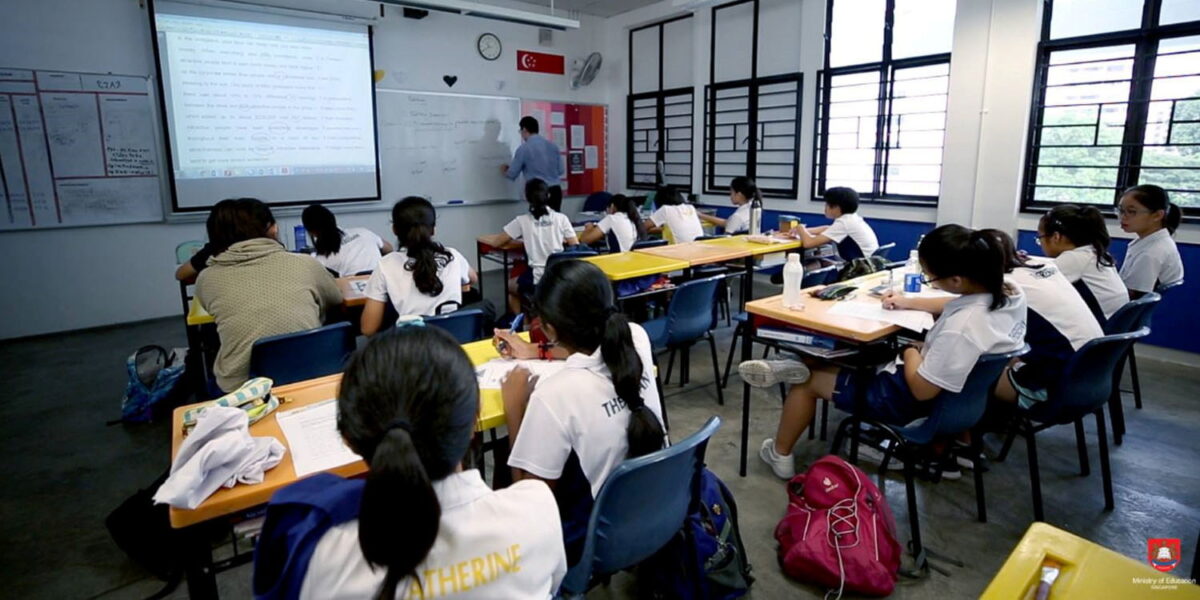
Tay Hong Yi examines the psychology behind the “elite” and “neighbourhood” school labels, exploring the link between school names and the prestige associated with “elite” schools. He argues that school names play a role in entrenching educational stratification and have become an indicator of social hierarchy – and that reframing the discussion this way can facilitate more targeted education policy design.

The Cost of Inequality
11.19.18
In 2013, President Barack Obama give his first major speech on income inequality. He called inequality the “defining challenge of our time” and said that his administration would seek to combat inequality during his final years in office. President Trump hasn’t applied the same focus to this issue — Twitter apparently isn’t a good forum […]
Measuring with the Heart: How We See and Speak About Inequality
11.19.18
Amidst the ongoing debate on how Singapore’s Government responds to inequality-related issues, Theophilus Kwek points to misalignments between the policy lens of the technocratic state, and the naked human eye through which its constituents must view the same issues. He argues that we must go beyond purely data-driven perspectives of inequality, and include street-view perspectives in policy considerations too.

Individual Bias or Systematic Discrimination? Clarifying the Legal Stakes of Students for Fair Admissions v. Harvard
11.15.18
BY NATHANIEL EISEN What are the stakes of Students for Fair Admissions (SFFA) v. Harvard? Is affirmative action on the line, or just the jobs of a few discriminatory admissions staff? Experts disagree. The lawsuit, brought by a group representing Asian Americans who claim they were denied admission to Harvard College based on their race, […]
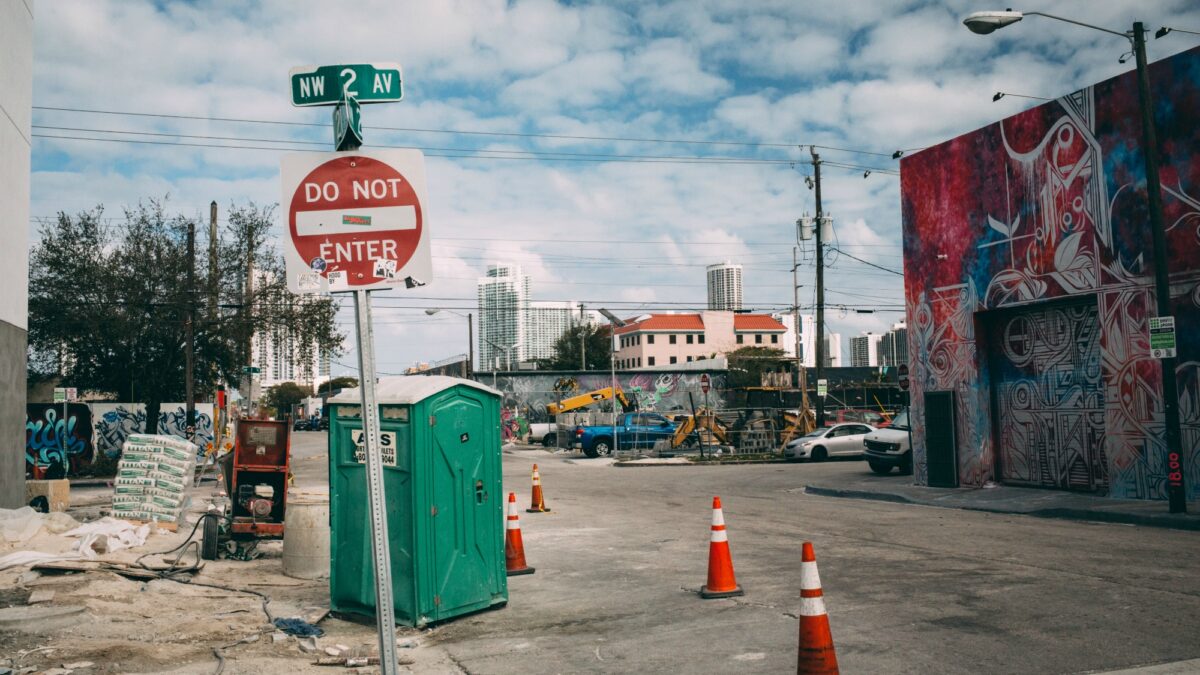
New Tax Break Promises Opportunity—But for Whom?
07.10.18
BY ALYSSA DAVIS Although several U.S. cities and towns have undergone revitalization in the last decade, there are still many persistent pockets of concentrated poverty—distressed neighborhoods where outcomes are worse for residents across-the-board. The places where crime rates are higher, schools are low-performing, unemployment is high, and vacant storefronts abound. This has a devastating effect […]
How do we create strong, healthy, and just societies?

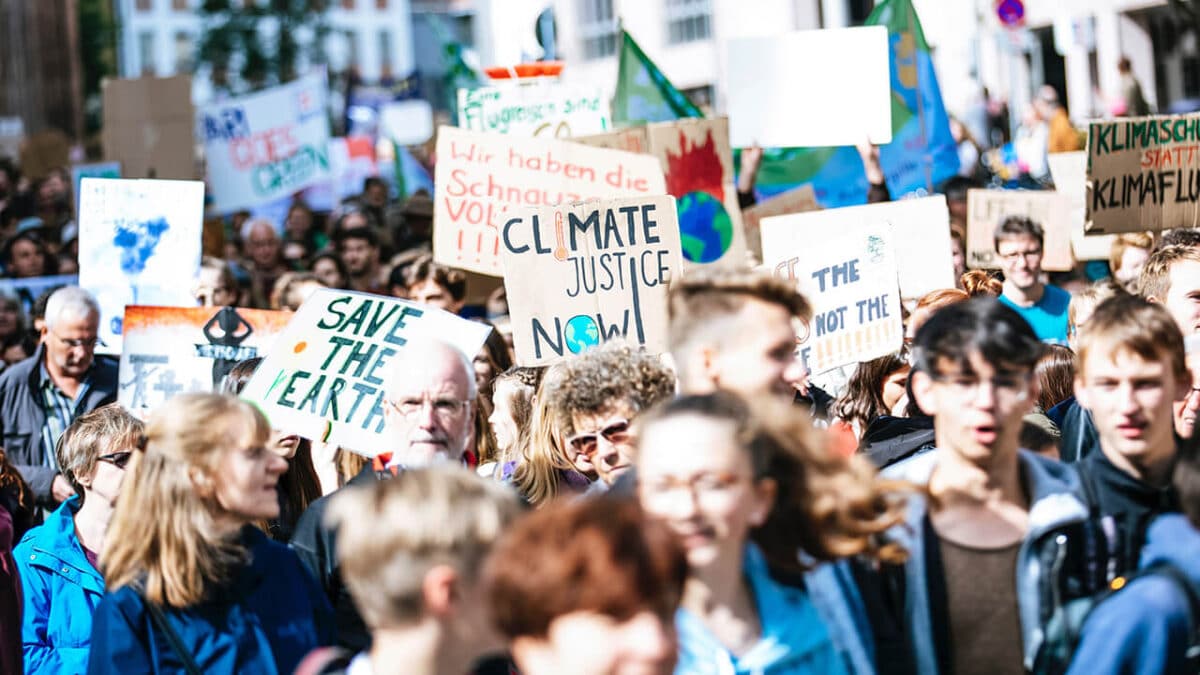
How do social movements influence policymaking?
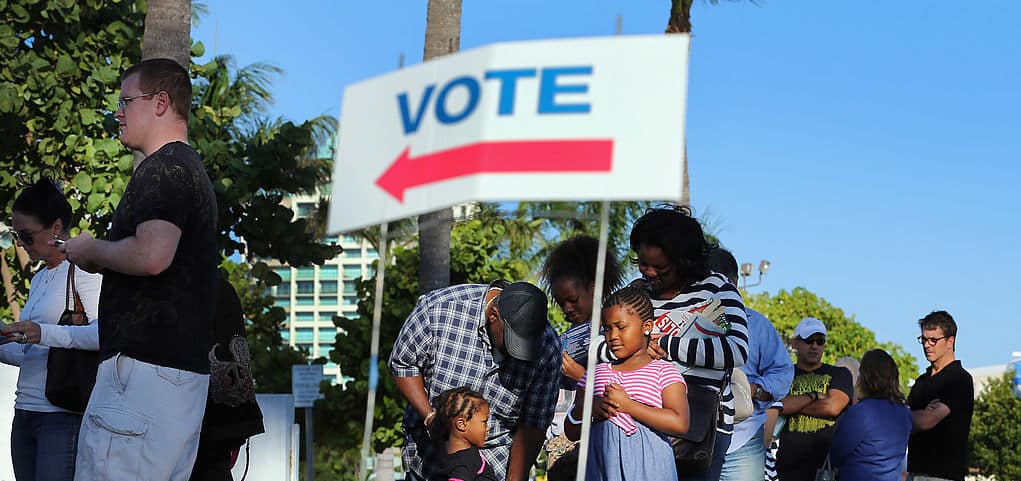
How can we strengthen democracies and civic engagement?
What leads to academic excellence & a stronger labor force?