
Latest Article
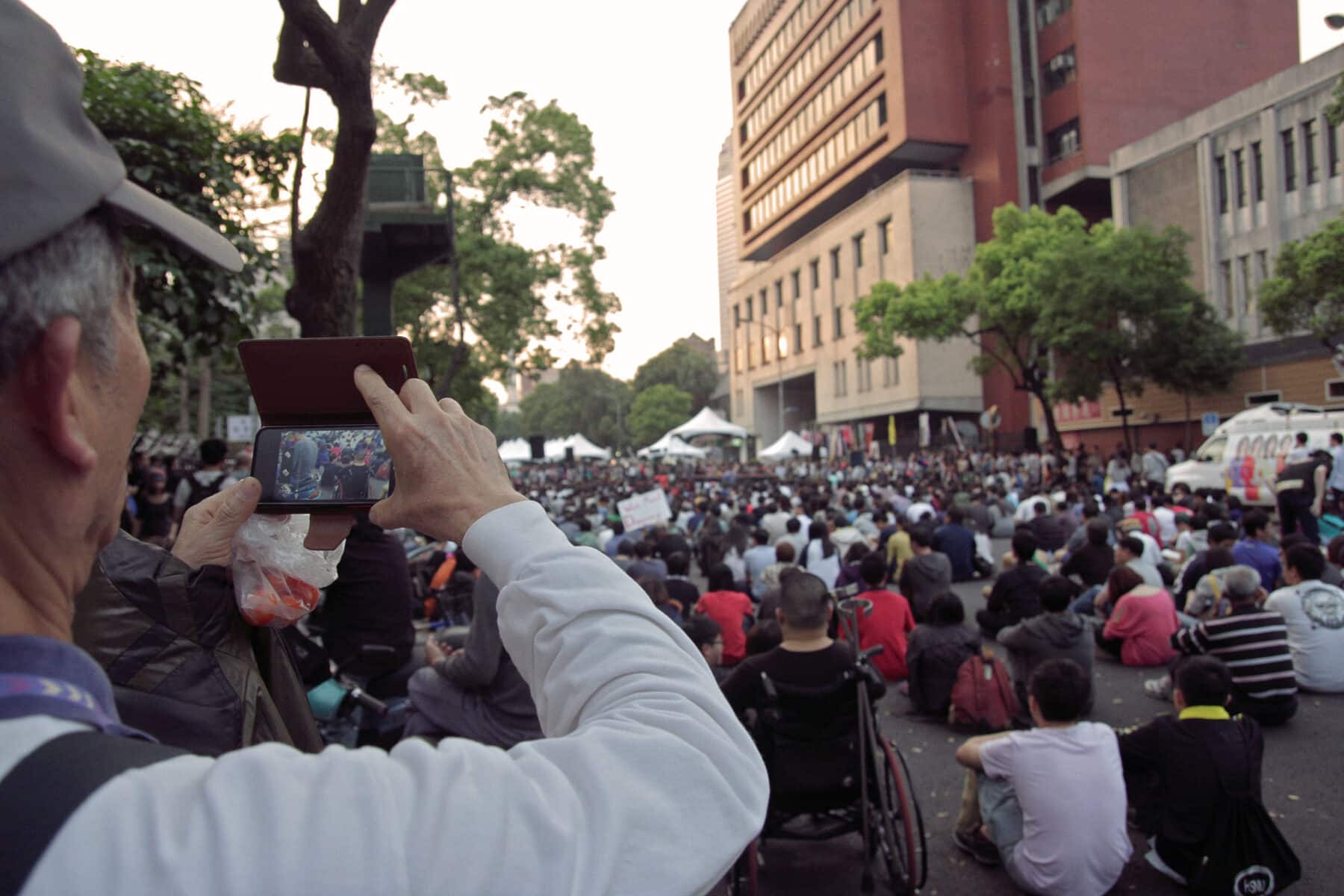
To Be Effectively Digital, We Need to Be More Human
I sat at the dining table on Christmas Eve, ready to meet my aunt at her favorite steak restaurant. When she arrived, she seemed frustrated and exclaimed, “Marvin, I don’t understand what is happening. I need to make a medical appointment and pay my bills. I can’t seem to do that now.” It was not […]Explore all Articles
filter by–Region
filter by–Country
search by–Keyword

Multi-Racial, Multi-Cultural, Multi-Sexuality
10.14.19
Who should take the step forward in the push for LGBTQ+ rights? Should leaders set the agenda, or should they react to societal pressure and preference? Ryan Kueh explores how the repeal of 377A aligns with Singapore’s political ethos and how Singapore’s Leadership can rise up to the task.

When Trauma-Informed Pedagogy Is Not Enough: The Need for Increased School-Based Mental Health Services in Public Schools
10.8.19
“Where I live, people don’t call the police.” There’s a palpable stillness in the room. Thirty-five pairs of adolescent eyes are fixed on Mariely[1] as she quietly, bravely describes witnessing a man get stabbed in front of her house, feeling unable to call the cops for help. Some students silently gesture with their pinkies outstretched […]

Imagining Utopias: The Importance of Moral Idealism in Singapore
10.7.19
“It is tempting to believe that the cynic is, somehow, more intelligent than the dreamer. But in truth, pragmatism is no smarter than idealism.” Lee Chin Wee argues that, in discussions about Singapore’s future, we should leave room at the table for idealists and dreamers. In his view, it is a mistake to treat the government’s growth-oriented and metrics-focused narrative of pragmatism as gospel truth. When Singaporeans present and grapple with competing visions of the ‘good’, this strengthens social inclusion and improves policy-making.

Challenging the colorblind assertion: The present-day case for affirmative action
10.5.19
AAPR Editor Sydney Fang interviewed Winifred Kao, the Litigation Director of Asian Americans Advancing Justice–Asian Law Caucus, regarding the Students for Fair Admissions v. Harvard University lawsuit. Kao discusses the key racial justice issues, including what might explain the divide among Asian Americans, and where we need to go from here. The Editorial Board of […]
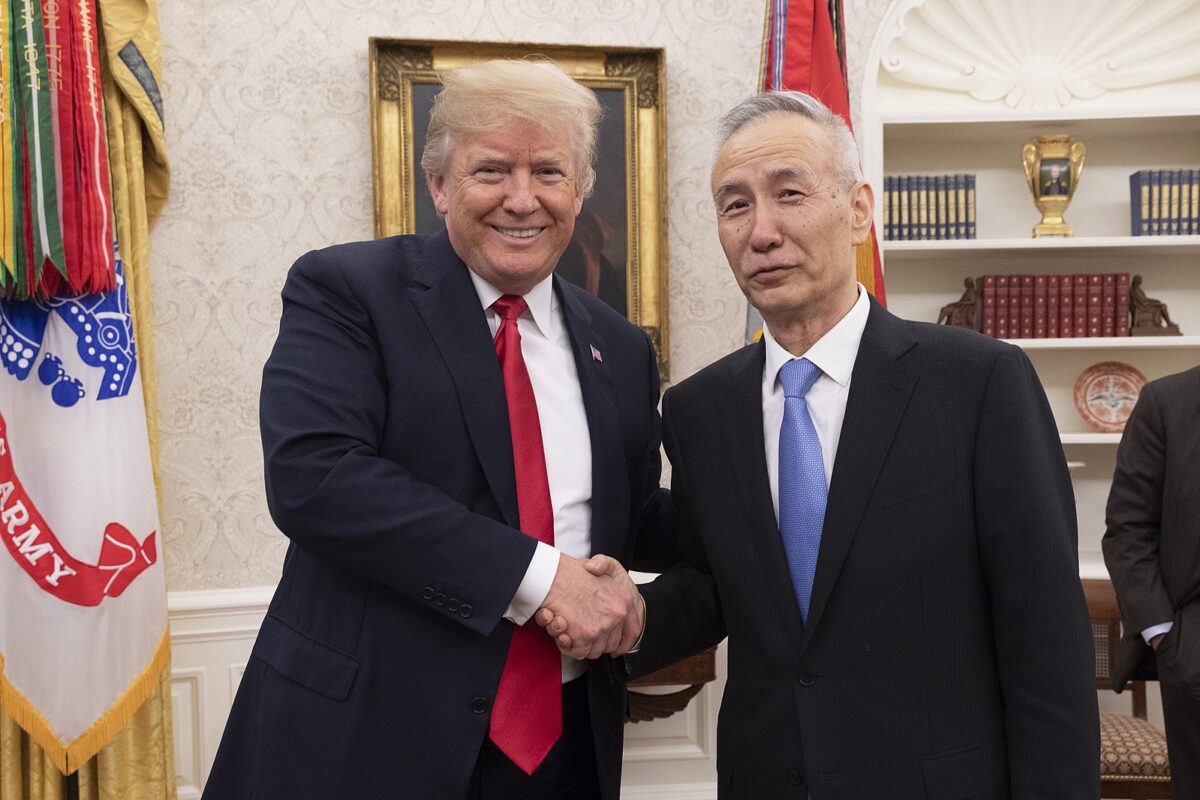
An Old Formula Could Stop This U.S.–China Trade War
10.2.19
In March 2018, President Trump stated that ‘trade wars are good, and easy to win’ as he sparked a trade war with China to fight what he called the country’s unfair bilateral trade balance and intellectual property theft. The trade war has taken longer than expected to “win,” especially as rhetoric on both sides heats […]

In Defence of Protest Culture
09.25.19
Protests have a bad rep in Singapore. Framed by the state as violent, divisive, and a threat to stability, protests are deliberately discouraged, largely disallowed, and when permitted, heavily controlled. Poh Yong Han make a case for encouraging “protest culture” in Singapore by responding to common criticisms of protest culture, and outlining the ways in which protests might actually serve to strengthen Singapore.
The Rise of Corporate CEO Activism in the Age of Information
09.25.19
In 2018 and 2019, more than 1000 businesses or their chief executive officers took public stands on constitutional, environmental and social matters often unrelated to their core business. The rise of unprecedented CEO activism in America signals the permanent convergence of business and social responsibility in the Information Age. This activism by business leaders is in […]

A Prescription for Inclusion: Lessons from the Medical Field in Centering Transgender Communities
09.24.19
Introduction In late December 2012, the American Psychiatric Association published the fifth edition of the Diagnostic and Statistical Manual of Mental Disorders (DSM-5), the authoritative document for diagnosing mental health in the United States. It contained a dramatic shift in language, decades in the making: the term “gender identity disorder” was replaced with “gender dysphoria” […]

Pink Glitter: A New Form of Civil Disobedience
09.19.19
On August 3rd, yet another crime of gender-based violence made headlines in Mexico: ”Girl Kidnapped and Raped by Police”. Over the following days, feminist protests erupted across the country to demand women’s right to basic dignity—a life free of violence. However, these protests have been mistakenly and unfairly accused of being violent themselves, when in […]

“Radical Acts of Community Care”: Lessons from Bail and Abortion Funds
09.17.19
Desiree,[1] 40-year-old mother of two children, wanted to terminate an unwanted pregnancy. As she had health insurance through Medicaid, it did not cover abortion, and the full cost of the procedure was more than she could afford. Kim, a pregnant mother of two, was arrested and needed $2,500 to post bail, which is prohibitively expensive. […]

Arts Education: A Human Right in Kenya?
09.12.19
I recently met with a young Kenyan thespian traveling throughout the U.S. in search of a career in the arts. As we reminisced about his college days, he expressed some regret that his education did not include classes that would have adequately prepared him for a successful career in his chosen profession, despite having attended […]

Opportunity Zones: Driver of Economic Development or Domestic Tax Shelter for the Rich?
09.10.19
Introduction to Opportunity Zones As part of the 2017 Tax Cuts and Jobs Act, the Opportunity Zone (OZ) program was created as a mechanism to funnel investments into targeted low-income areas throughout the United States. Though the program was recently implemented, it has gained significant attention as a place-based policy that brings private-sector capital into […]