

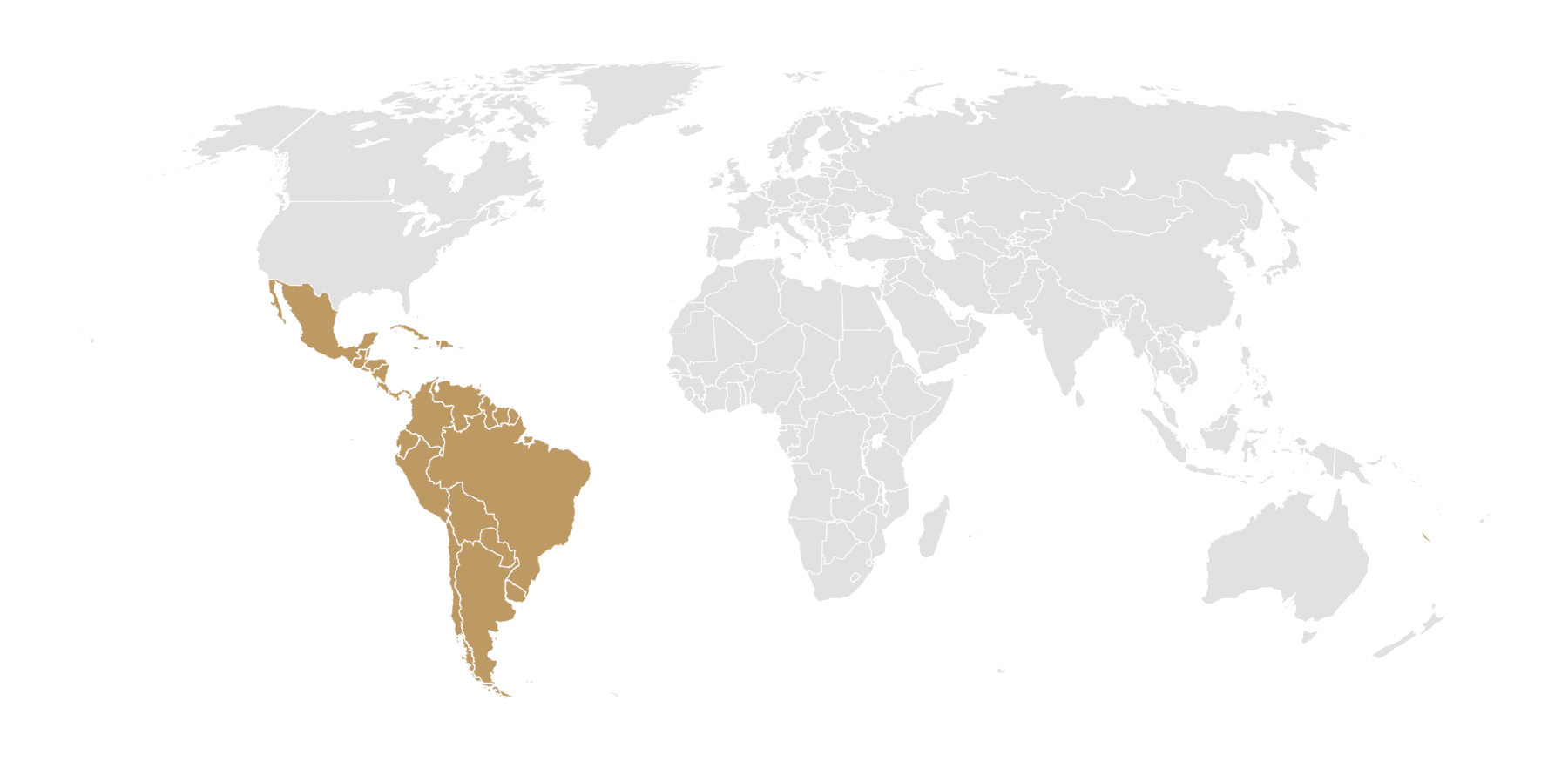
Latin America and the Caribbean
The UN-defined Latin America and the Caribbean region is composed entirely of land from South and Central America, as well as some islands in the Caribbean and Mexico in North America.
Explore all Articles
filter by–Topic
filter by–Country
search by–Keyword

Democratic Governance in Latin America: A Work in Progress
11.30.14
Abstract Democracy is deepening across much of Latin America, especially in Mexico and Brazil, the two major countries. In a region once plagued by bloody coups and military interventionism, free and fair elections are now the norm. Significant economic and social advances, including a sharp decline in poverty levels and even in inequality in some […]

Colombia 2002-2010: Lessons from the Communitarian State
11.30.14
Commentary When my administration began in 2002, many analysts said that Colombia was a failed state. Every year, the country faced thirty-thousand homicides and almost three-thousand kidnappings, and more than three-hundred municipalities lacked the presence of their mayors due threats made against their lives. Investment rates were low, unemployment was climbing, and poverty levels were […]

Mexico: Modernization and a New Economy
11.30.14
Commentary Mexico’s future is full of potential. The past decade brought important changes. A fortified democracy saw the first peaceful rotation of government in generations. Today, freedoms of press, assembly, and speech are hardly an issue of debate; indeed, Mexico’s civil society is thriving as never before. Business reforms liberated the private sector from its […]
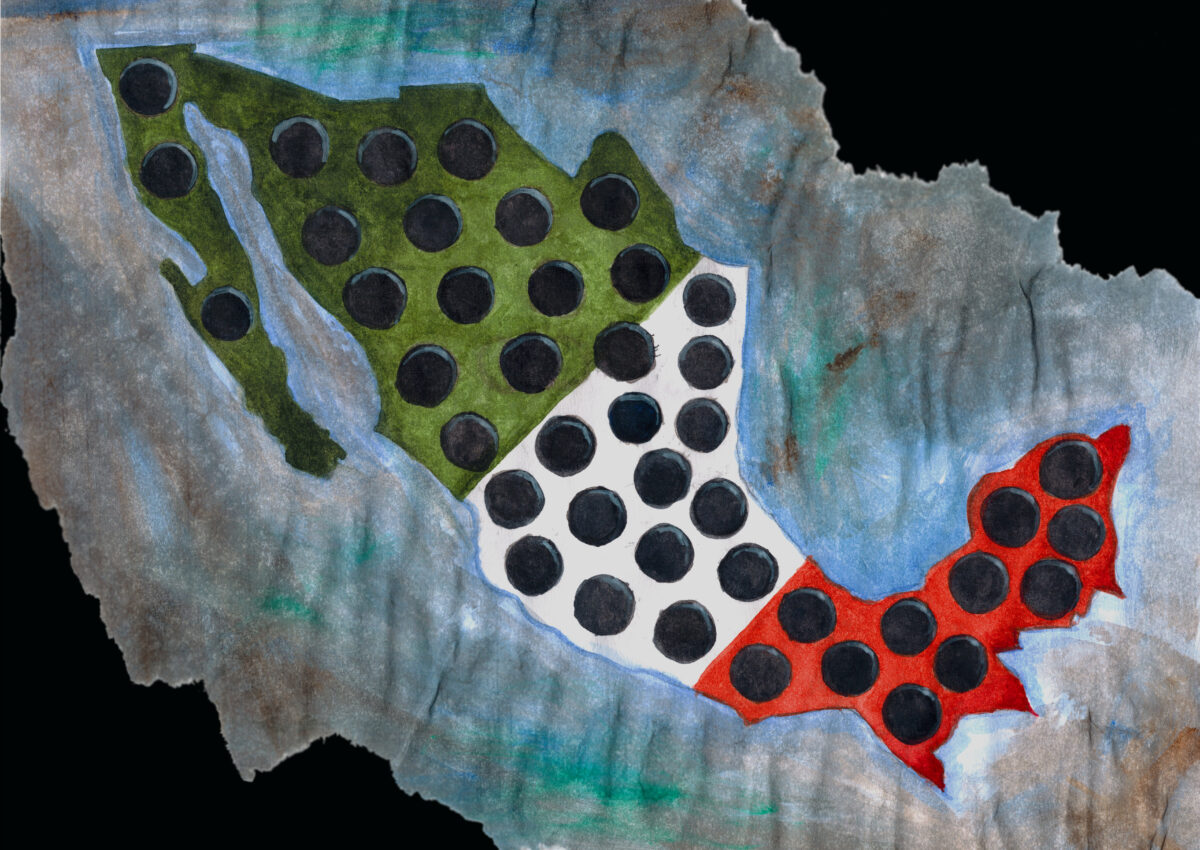
Mexico’s Loneliness: Our drug wars are not over
10.21.14
BY MIGUEL GUEVARA On September 26th, students from the rural teacher training college of Ayotzinapa traveled to Iguala – 120 miles south of Mexico City. The students needed to raise money for a trip to Mexico City, and consequentially asked drivers from Iguala for donations to fund their trip to the capital. While the students’ […]
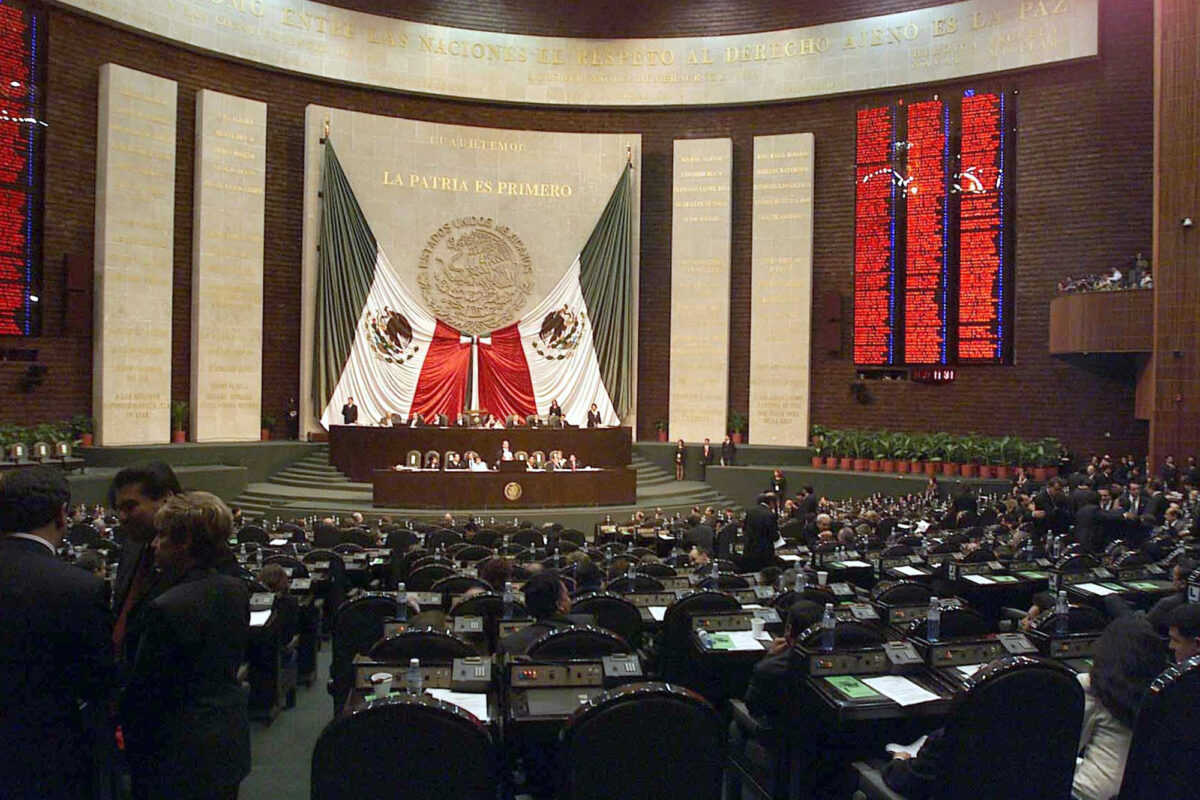
Justice in Mexico: The Mexican Drug War’s Most Important Change that Nobody Noticed
03.26.14
BY VIRIDIANA RIOS, PH.D While the emergence of civilian self-defense groups in Mexico has gained the most attention as a strategy to fight drug cartels, the most profound change in that country’s security strategy has largely passed unnoticed. Early on 2014, Mexico approved an entirely new national code of judicial procedures that will transform the […]
States that React and Criminals that Innovate
10.21.13
“I urge you to be more innovative. When it comes to emerging threats such as cyber- crime, environmental crime, and counterfeiting, we must stay one step ahead of the criminals,” affirmed Ban Ki-moon, secretary-general of the United Nations, in a speech read by a representative at the Twelfth United Nations Congress on Crime Prevention and […]

Cultural Policies for Strengthening Identity and Cohesion in Latin America
10.17.13
Thanks to its history, the Latin American reality is peculiar and unique. The Latin America in existence today is a product of its past, starting with the miscegenation, or racial blending, that occurred along with acculturation in the Mesoamerica and Andean regions. Additionally, it is a clear example of transculturation. Latin America was built from […]
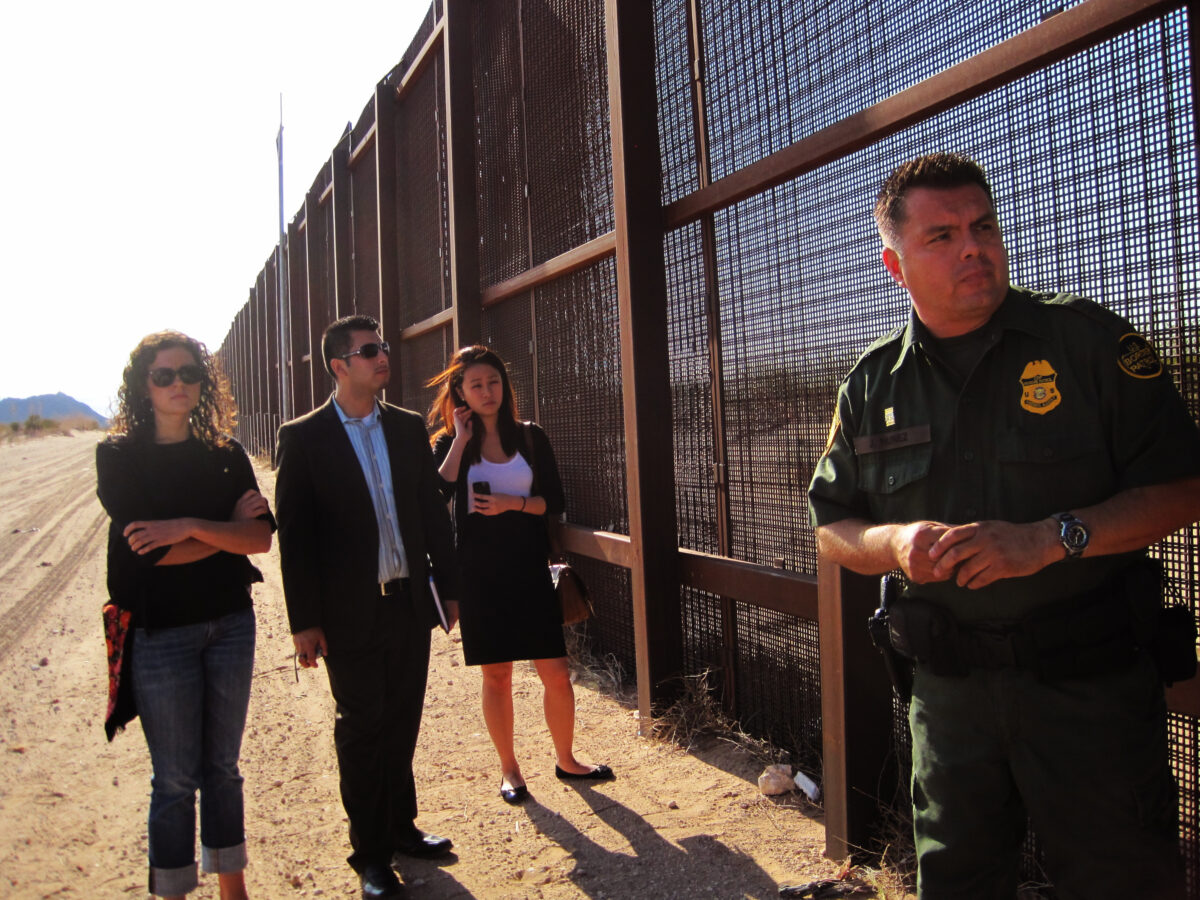
Borderlands: U.S.-Mexico Border Policy in Pictures
10.9.13
In May 2012, eleven students of the John F. Kennedy School of Government at Harvard University visited El Paso, Texas, and Ciudad Juárez, Mexico, as part of a Leadership Service Seminar (LSS) program sponsored by the Center for Public Leadership and the offices of the Academic Dean and the Dean of Students.
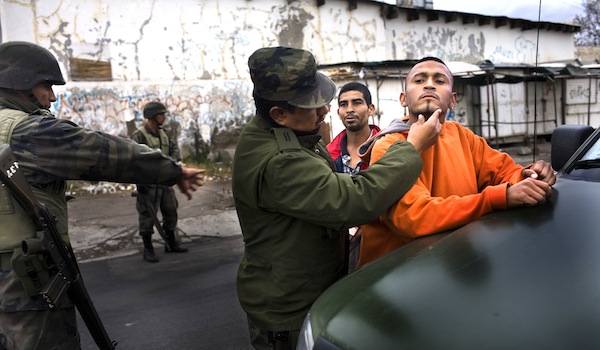
Who Started the Mexican Drug War?
05.2.13
BY VIRIDIANA RIOS At an undetermined time, somewhere in Mexico, a violent war among drug cartels erupted. For too long it was difficult to elaborate—with absolute certainty—on that statement. Just after the turn of the millennium, drug lords who had “peacefully” conducted operations to introduce cocaine and other illegal substances into the United States since […]
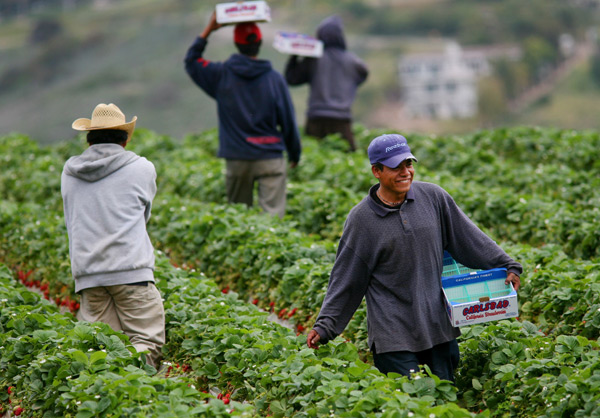
Zapatista Development: Local Empowerment and the Curse of Top-Down Economics in Chiapas, Mexico
05.2.13
BY TANYA KHOKHAR Guaquitepec is a small village in Chiapas, the southernmost state in Mexico and by most estimates the poorest in the country. It is a humid, tropical area perhaps best known for the large-scale rebellion staged two decades ago by a leftist revolutionary group called Ejército Zapatista de Liberación Nacional (EZLN), or as […]
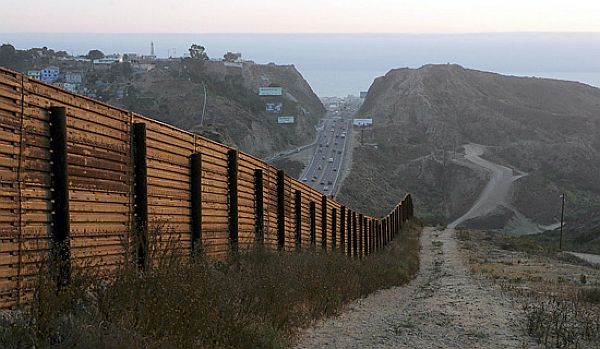
Immutable and Permeable: Contradictions of the U.S.-Mexican Border
05.2.13
BY ANYA MALKOV In May 2012, eleven students of the John F. Kennedy School of Government at Harvard University visited El Paso, Texas, and Ciudad Juárez, Mexico, as part of a Leadership Service Seminar program sponsored by the Center for Public Leadership at the Harvard Kennedy School and the offices of the Academic Dean and […]