

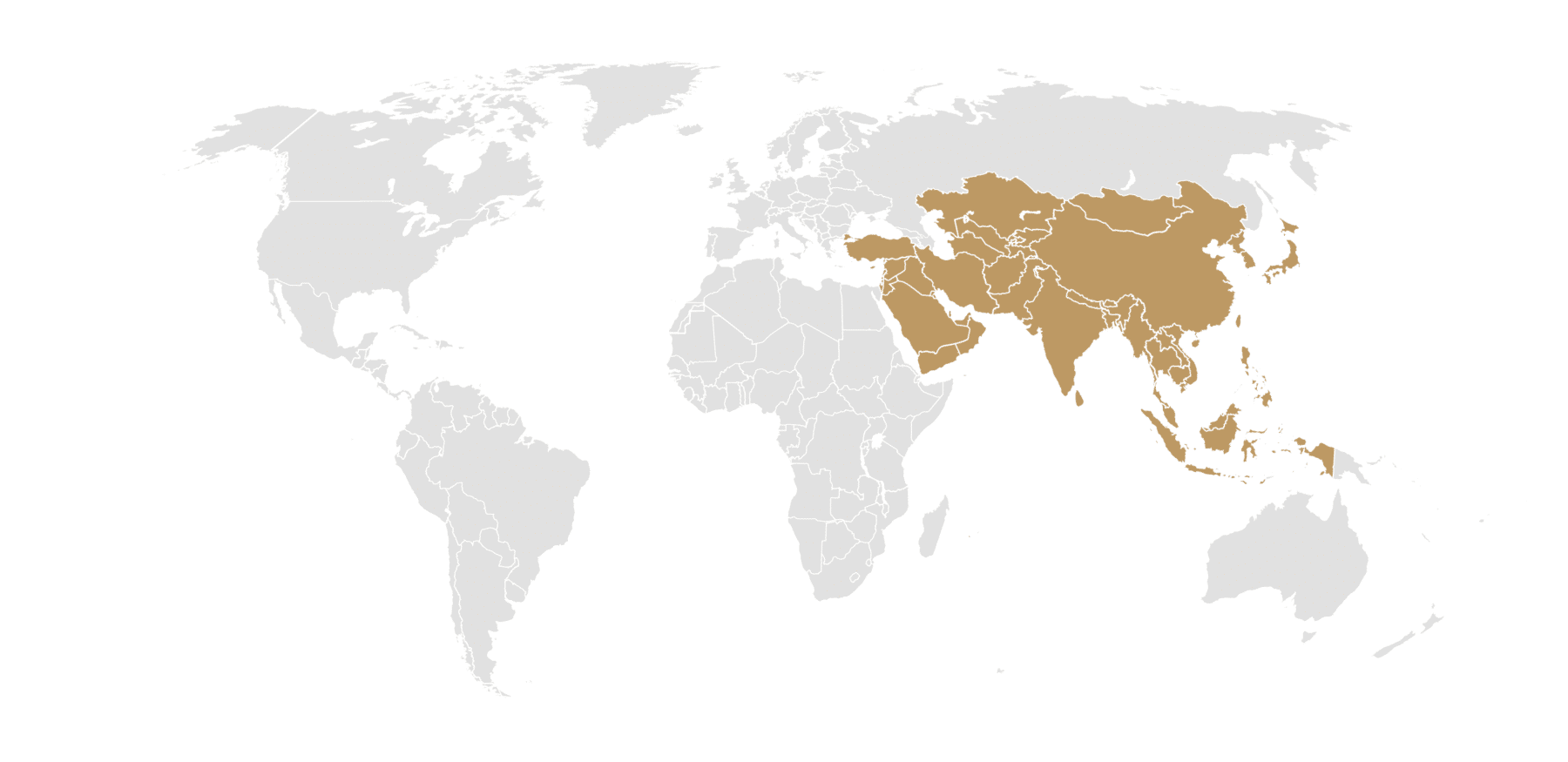
Asia
The UN-defined Asia region is the second largest regional group. Its territory is composed of much of the continent of Asia and the Middle East with few exceptions.
Explore all Articles
filter by–Topic
filter by–Country
search by–Keyword
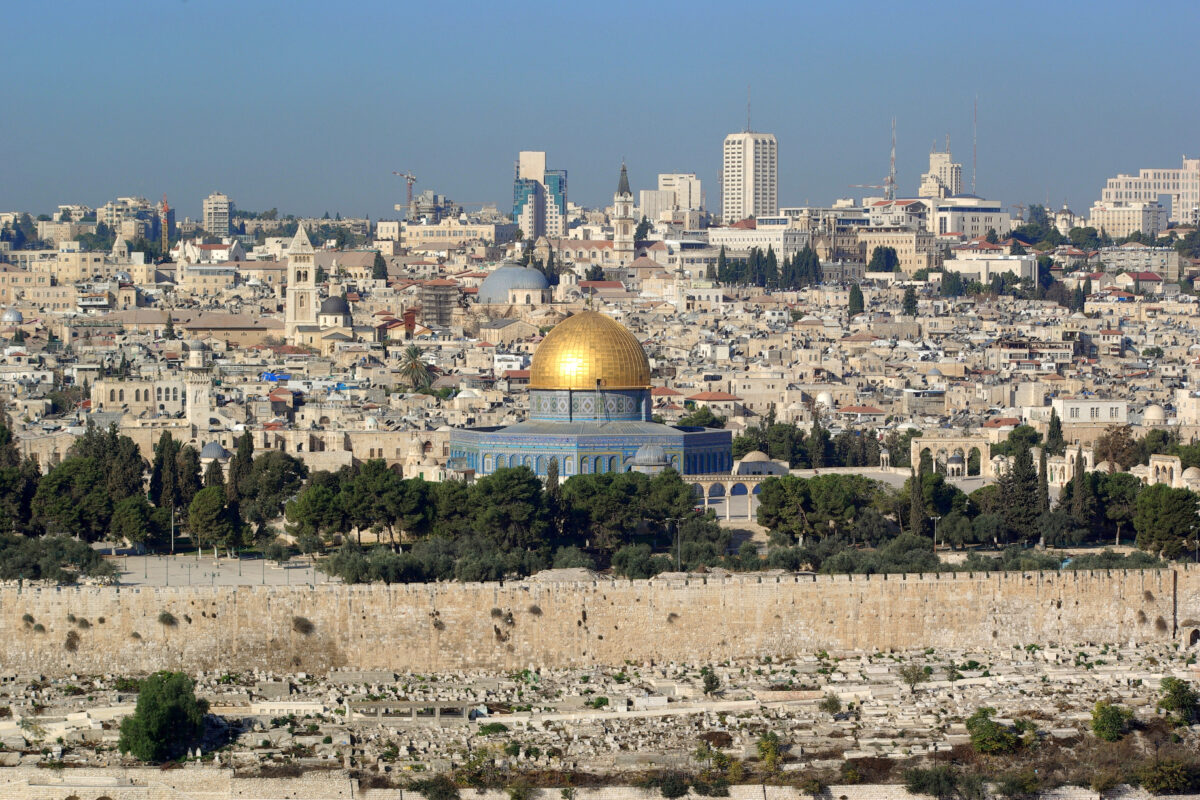
Looking for answers: How Trump’s Jerusalem decision is forcing a search for creative solutions
03.6.18
As Israeli control over Jerusalem crystallizes, the likelihood that the city can act as the capital of future Israeli and Palestinian states recedes rapidly. Increasingly, peacemakers and politicians are being forced to consider more creative solutions—and many are looking to the past for inspiration.
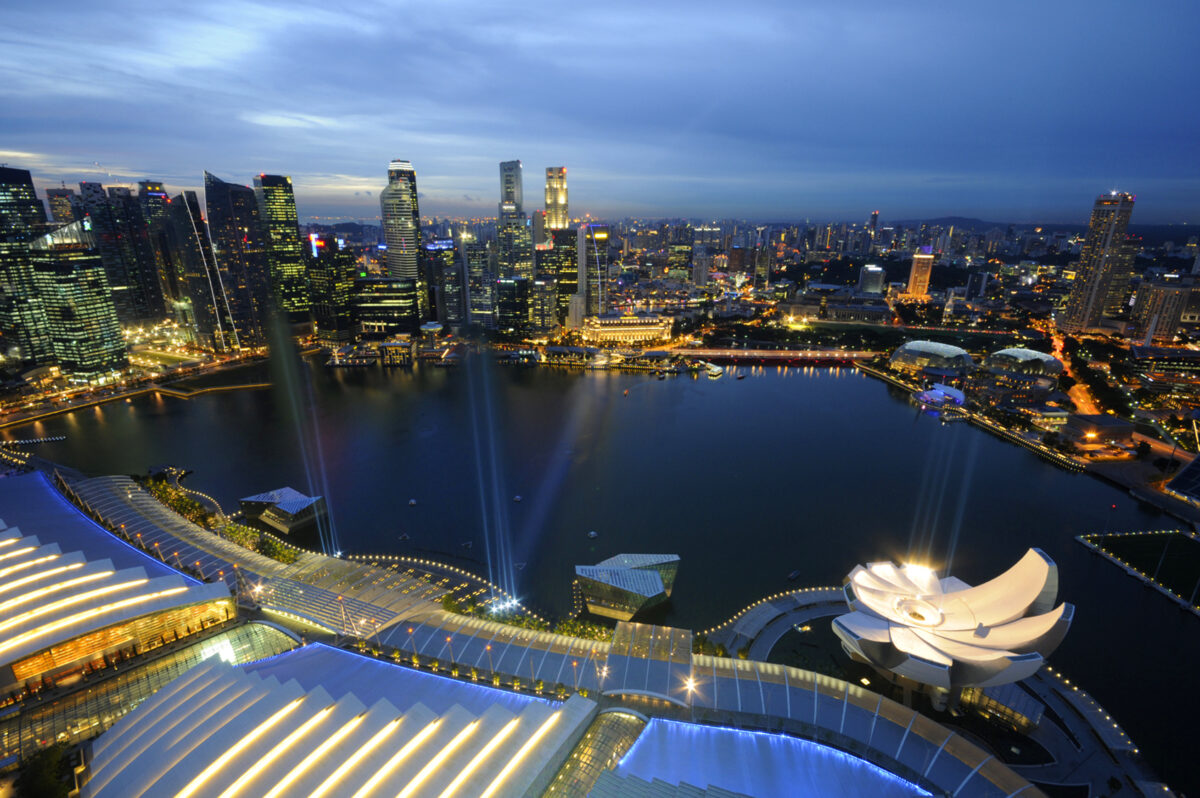
Global Governance in an Urban Age: Singapore’s City Diplomacy in Sustainability, Innovation and Financial Leadership
03.4.18
In an increasingly anti-globalist era, what role might cities play in strengthening global governance? Jorel Chan examines three ways cities increase global connectivity, showing through the example of Singapore how cities are well-positioned to advance innovative solutions in the face of complex global governance challenges.

Podcast: Corruption charges against Netanyahu and updates from Syria
02.26.18
In our first story on this week’s episode we discuss the history of corruption charges against Benjamin Netanyahu and other Israeli leaders. Next, we discuss the Turkish military’s attack on a Syrian convoy heading to reinforce YPG forces in Afrin. Finally, we discuss an underreported story of U.S. strikes killing hundreds of Russian mercenaries in Syria. If you want more information on any of these stories check out the articles we recommend below.
Beyond Munneru Vaaliba: Reinvigorating the Tamil language in Singapore
02.25.18
The rise of English usage at home and proliferation of non-Tamil Indian languages have raised questions about Tamil’s relevance in today’s Singapore. Bhargav Sri Ganesh reminds us of the importance of the language, and makes a number of recommendations to strengthen Tamil’s position in Singapore.
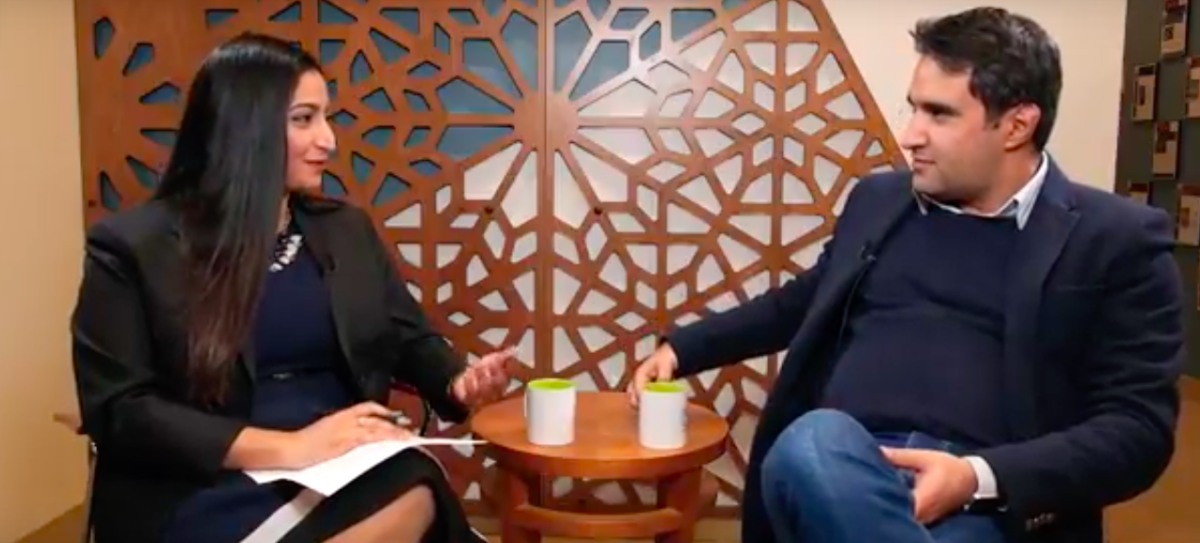
Watch: Q&A with Ali Ahmad, Director of the Energy Policy and Security Program at American University of Beirut
02.23.18
Dr. Ali Ahmad, Director of the Energy Policy and Security in the Middle East Program at the American University of Beirut, talks with JMEPP editor Mariya Ilyas about the Middle East’s energy needs, including the possibility of nuclear power. This talk is part of the Inside the Middle East Q&A Series.
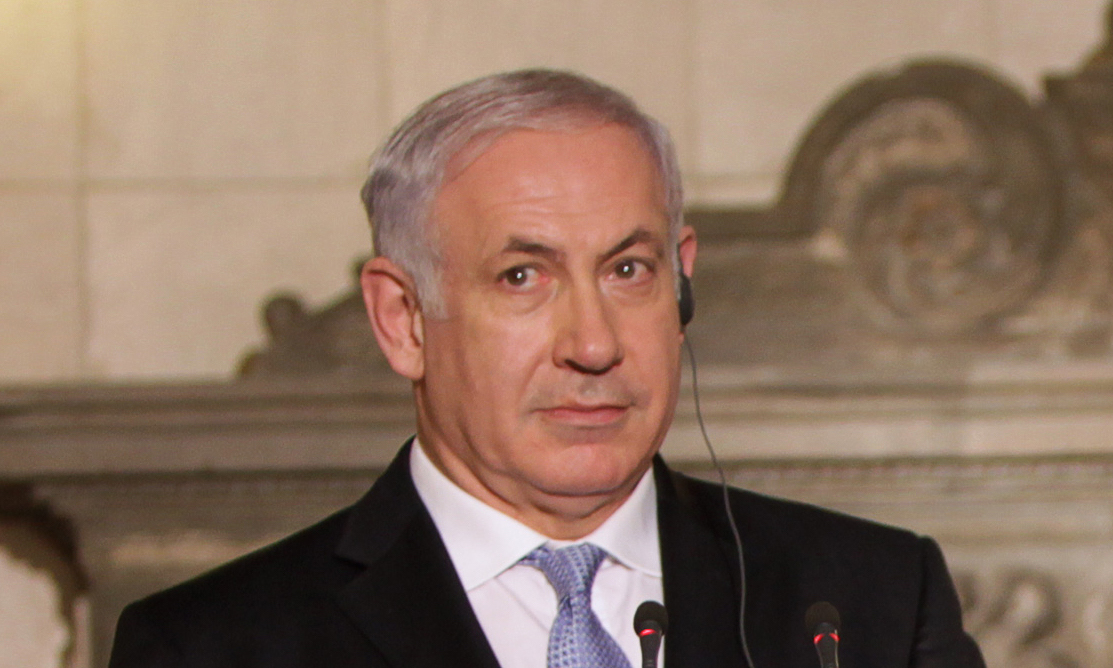
Bye bye Bibi: The scandals engulfing Israel’s prime minister
02.21.18
Although the Netanyahu administration has been roundly criticized for its brutal treatment of Palestinians, lack of commitment to the peace process, and flouting of international law, it might ironically be the more mundane charges of common graft that ultimately bring about the Prime Minister’s downfall.
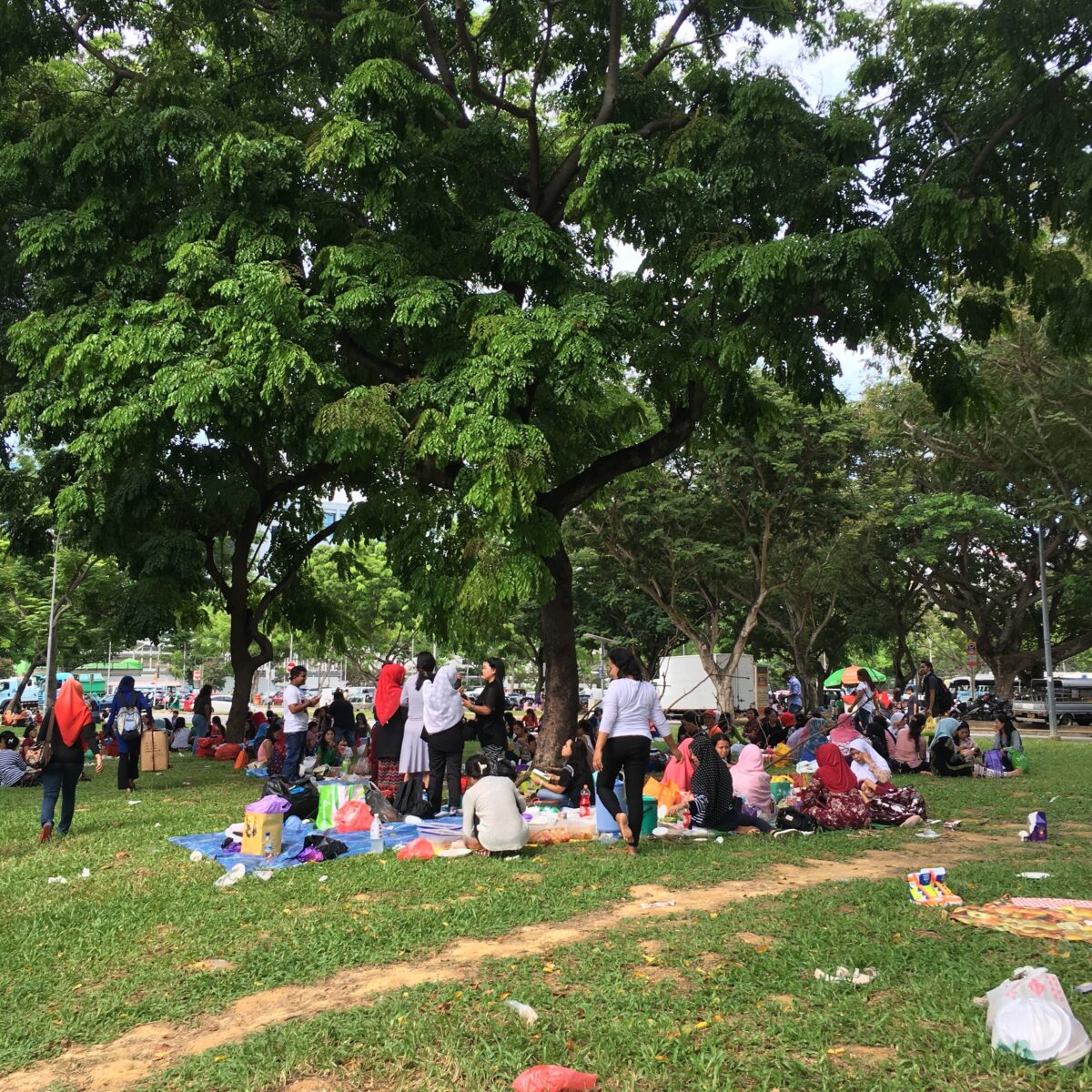
Making Space for Democracy
02.20.18
Public spaces are under appreciated in their impact on society, Nur Atiqa Asri writes. Based on her evaluations of public spaces in Singapore regularly used by migrant workers, she argues that democratizing our public spaces can help address the emerging fault lines between migrant workers and locals in Singapore’s social fabric.
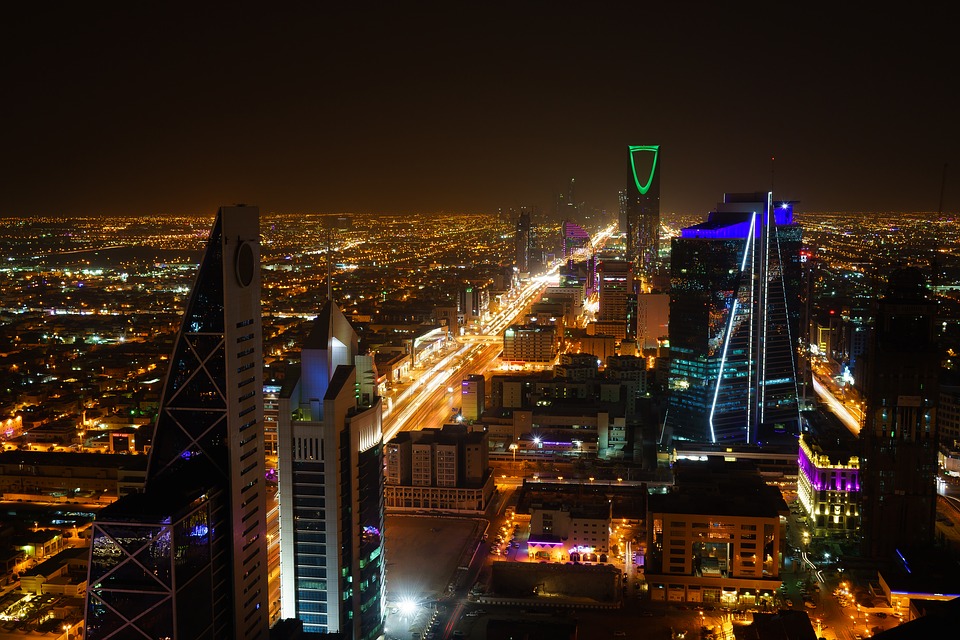
Borrowing Time: Rents and Reform in Saudi Arabia
02.12.18
Of the three various frames for studying the MENA region at present questions of securing economic development and reforming social welfare programs generally receive less attention than topics such as Islamism, security sector reform, or social mobilization. Most analysts…struggle to imagine the kind of economic improvement that could curb high levels of unemployment (especially among the educated) and generate much-needed revenue to finance state services such as education, health care, and basic infrastructure projects.

Interview with Maha Yahya, Director of Carnegie Middle East Center
02.8.18
Maha Yahya, Director of the Carnegie Middle East Center in Beirut, sits down with Niku Jafarnia to discuss the conditions needed for the safe return of Syrian refugees to their homes and the current tenor of domestic rhetoric around refugees in host countries, involuntary returns, “safe zones,” and shifting territorial control within Syria.
Captagon: Violence in Syria and the War on Drugs
01.25.18
The stimulant Captagon has been portrayed as a super drug underlying the violence in Syria and Iraq. But the emphasis on the drug’s side-effects, in conjunction with a fear of narcotics bred by the war on drugs, has detracted from a proper analysis of the foundational causes of that violence.
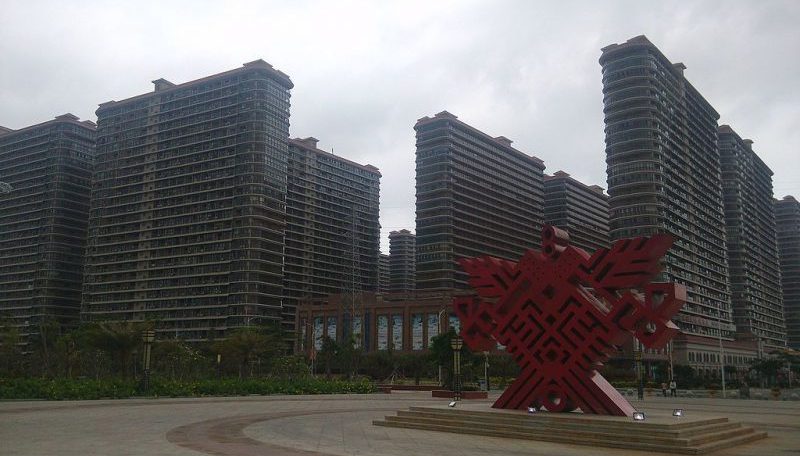
China’s Initiative of Building 1,000 Towns is in Danger of Becoming the Next Wave of Ghost Cities
01.22.18
BY BEN YUNMO WANG A massive government effort to build thousands of commercial-themed towns across China is off to a rockier start than expected. Still largely overlooked in Western media, “Characteristic Small Towns” (CSTs) have become the championed model of urban development in China over the last two years, littered across ambitious initiatives by central […]
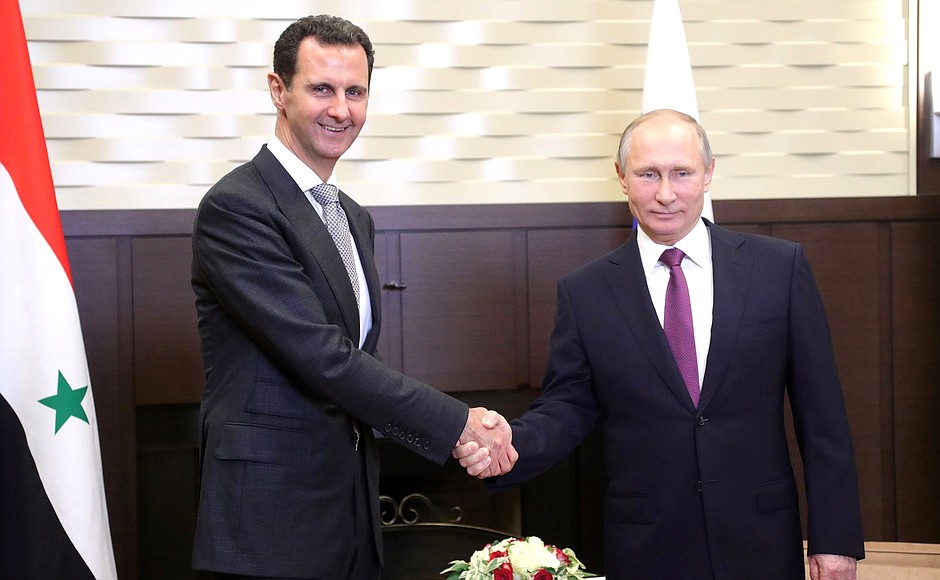
Russia’s Power Plays in the Middle East
01.9.18
Russia joined the war in Syria in October 2015, sending shockwaves around the world and adding another dimension to the conflict. A closer analysis of Russia’s interests in the Middle East reveals a superpower itching to dominate the world stage.