

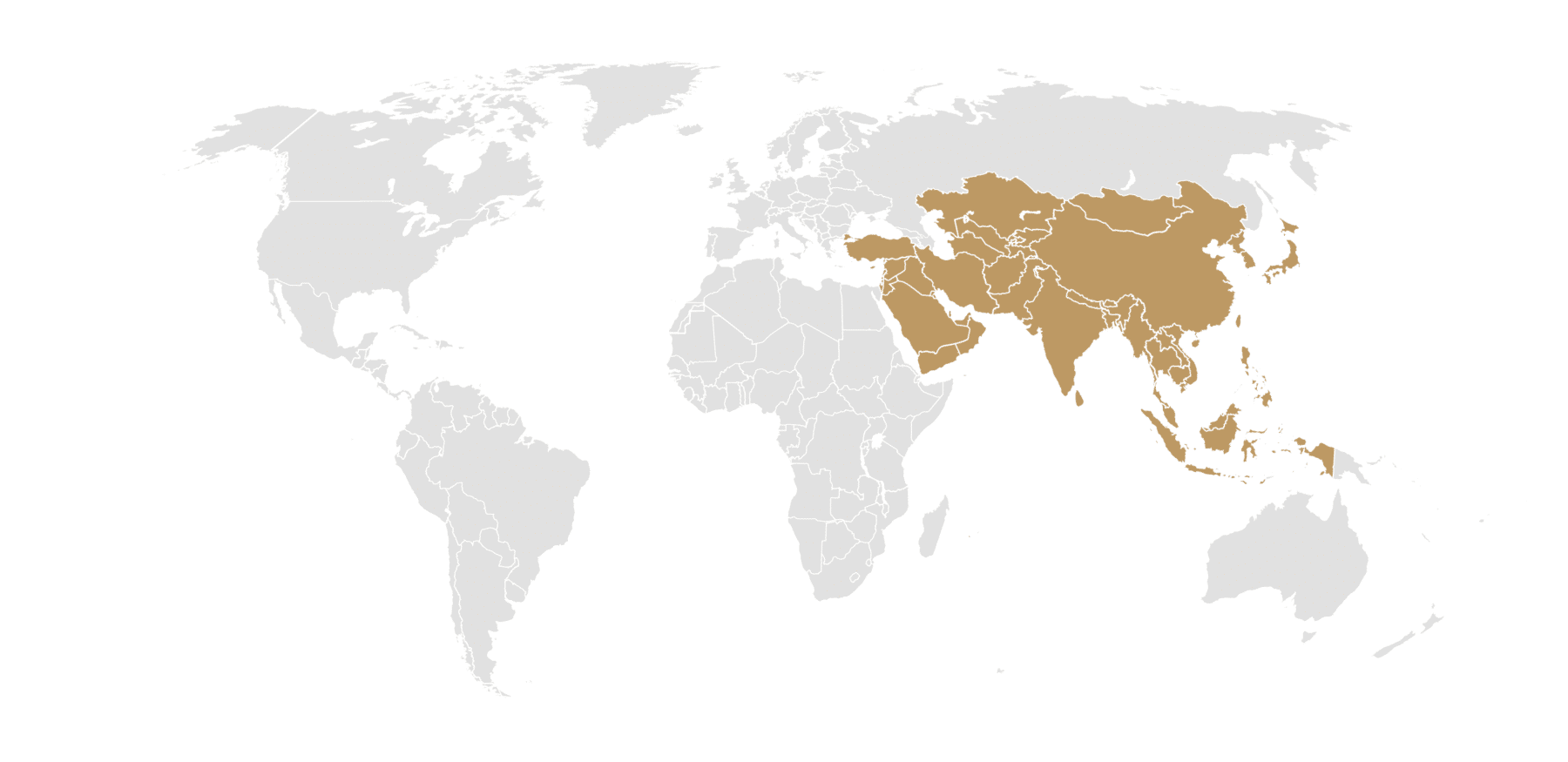
Asia
The UN-defined Asia region is the second largest regional group. Its territory is composed of much of the continent of Asia and the Middle East with few exceptions.
Explore all Articles
filter by–Topic
filter by–Country
search by–Keyword
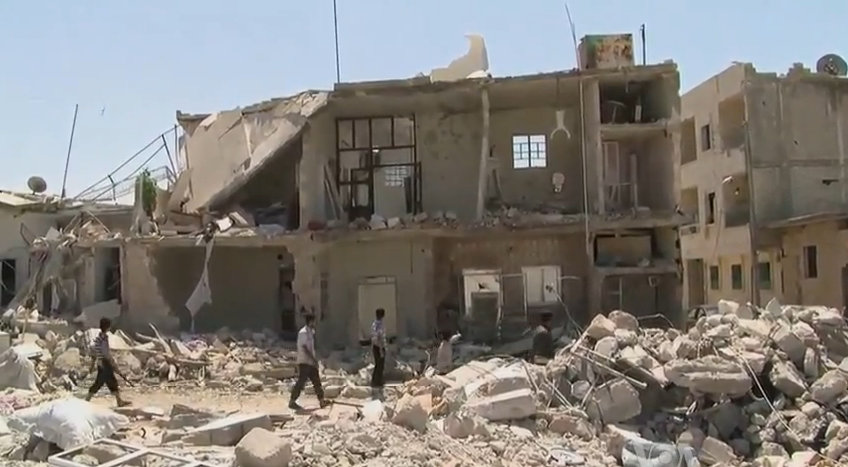
Abandoning Syria
10.28.19
In an attempt to create a “humanitarian” zone, another humanitarian tragedy is being carried out.
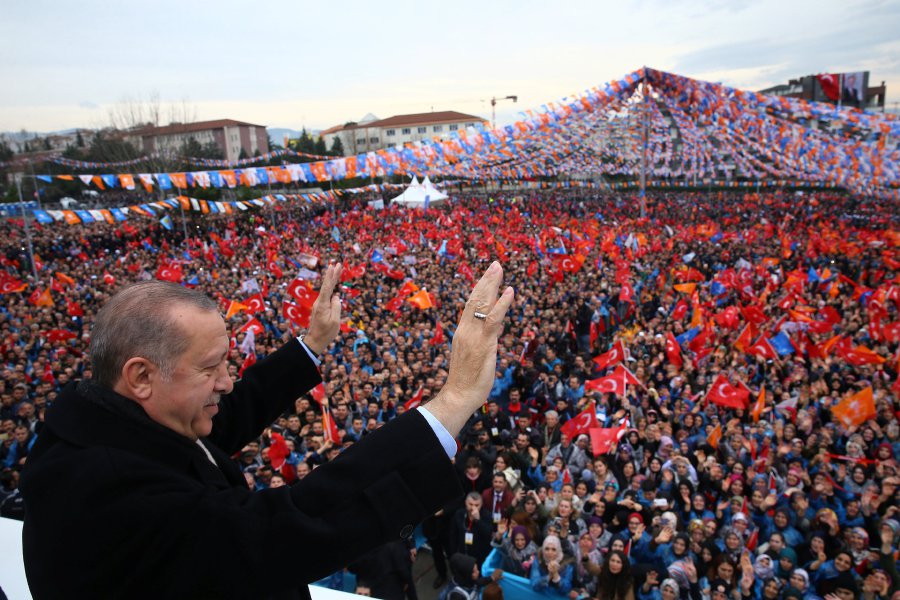
“Erdoğan the Good” or “Erdoğan the Bad?” A conversation with Soner Çağaptay on US-Turkey relations following US withdrawal from Syria
10.25.19
Editor-in-Chief Reilly Barry sits down with US-Turkey relations expert Soner Çağaptay to discuss what is important to keep in mind in the bilateral context following major changing events in Syria and renewed US dialogue on the path ahead for the alliance, Turkey’s role in NATO, and the lasting persona of Erdoğan affecting the relationship.

A Historical Perspective on Singapore-China Relations: 1965-1975
10.24.19
In this research paper, Katherine Enright argues that Singapore-China relations from 1965-1975 can best be understood not merely as a bilateral relationship, but as one situated in a complex web of international political dynamics, both in relation to Cold War powers (the US and the USSR) and Southeast Asia. Singapore’s pragmatic foreign policy outlook – one that prioritised economic security and the balancing of international and regional powers – in turn influenced Singapore’s engagement with China and its reaction to broader Cold War dynamics. Ultimately, the confluence of these factors contributed to a dramatic warming in Singapore-China relations during this period.
Why India Should Invest in Pakistan’s Development
10.24.19
From 2003 to 2004, in an initiative to promote India both as a production and investment destination, reduce foreign dependencies, and support its strategic economic interests abroad, India dramatically changed its international development assistance policy[i]. It began transitioning from being not only a recipient but also a donor of foreign aid. Then Finance Minister Jaswant […]
The Fault Lines in India’s Entrepreneurship Policy: Examining Startup India
10.17.19
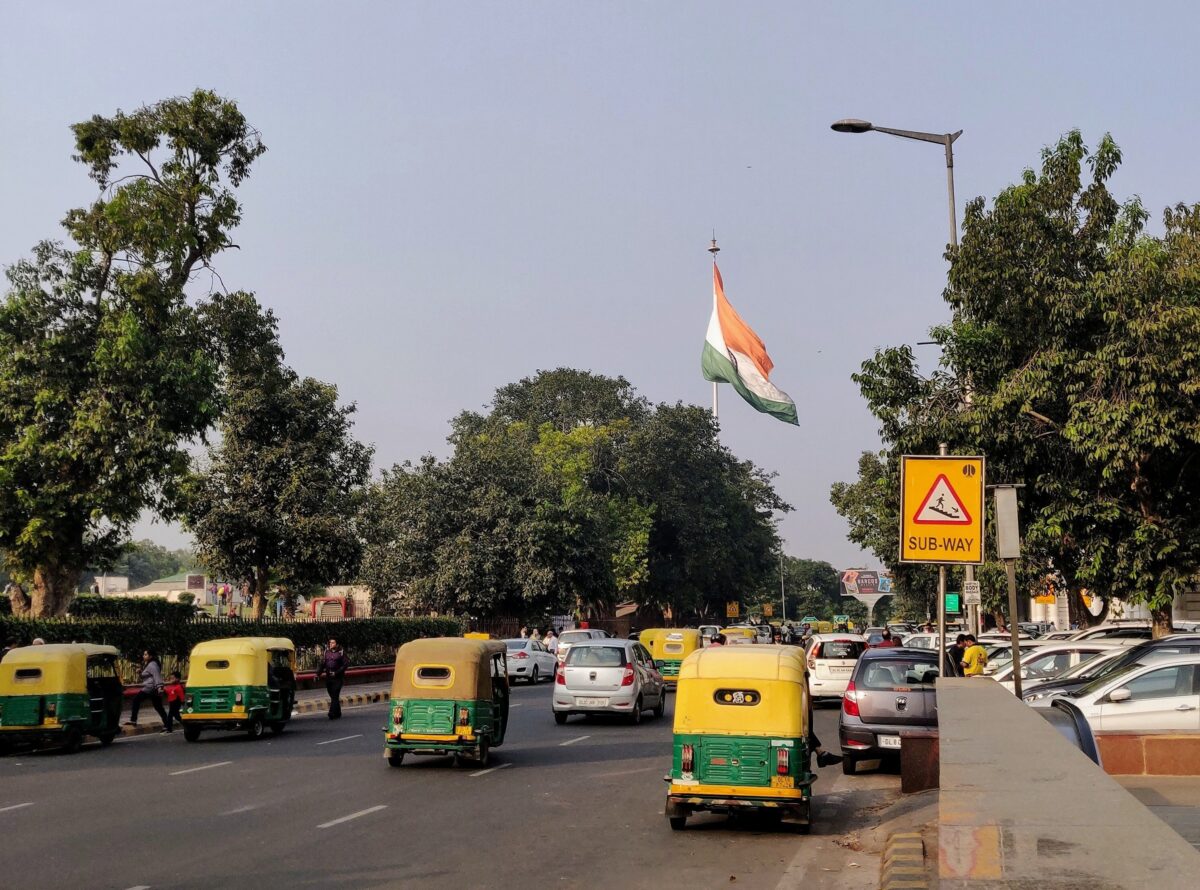
On the brisk morning of August 15, 2015, as India celebrated its 69th Independence Day, prime minister Modi introduced “Start-up India, Stand-up India,” to the country for the first time. Five months later, Modi officially launched the initiative amidst much fanfare, with a vision of creating a supportive ecosystem for entrepreneurs and transforming India into […]

Multi-Racial, Multi-Cultural, Multi-Sexuality
10.14.19
Who should take the step forward in the push for LGBTQ+ rights? Should leaders set the agenda, or should they react to societal pressure and preference? Ryan Kueh explores how the repeal of 377A aligns with Singapore’s political ethos and how Singapore’s Leadership can rise up to the task.

Imagining Utopias: The Importance of Moral Idealism in Singapore
10.7.19
“It is tempting to believe that the cynic is, somehow, more intelligent than the dreamer. But in truth, pragmatism is no smarter than idealism.” Lee Chin Wee argues that, in discussions about Singapore’s future, we should leave room at the table for idealists and dreamers. In his view, it is a mistake to treat the government’s growth-oriented and metrics-focused narrative of pragmatism as gospel truth. When Singaporeans present and grapple with competing visions of the ‘good’, this strengthens social inclusion and improves policy-making.
An Old Formula Could Stop This U.S.–China Trade War
10.2.19
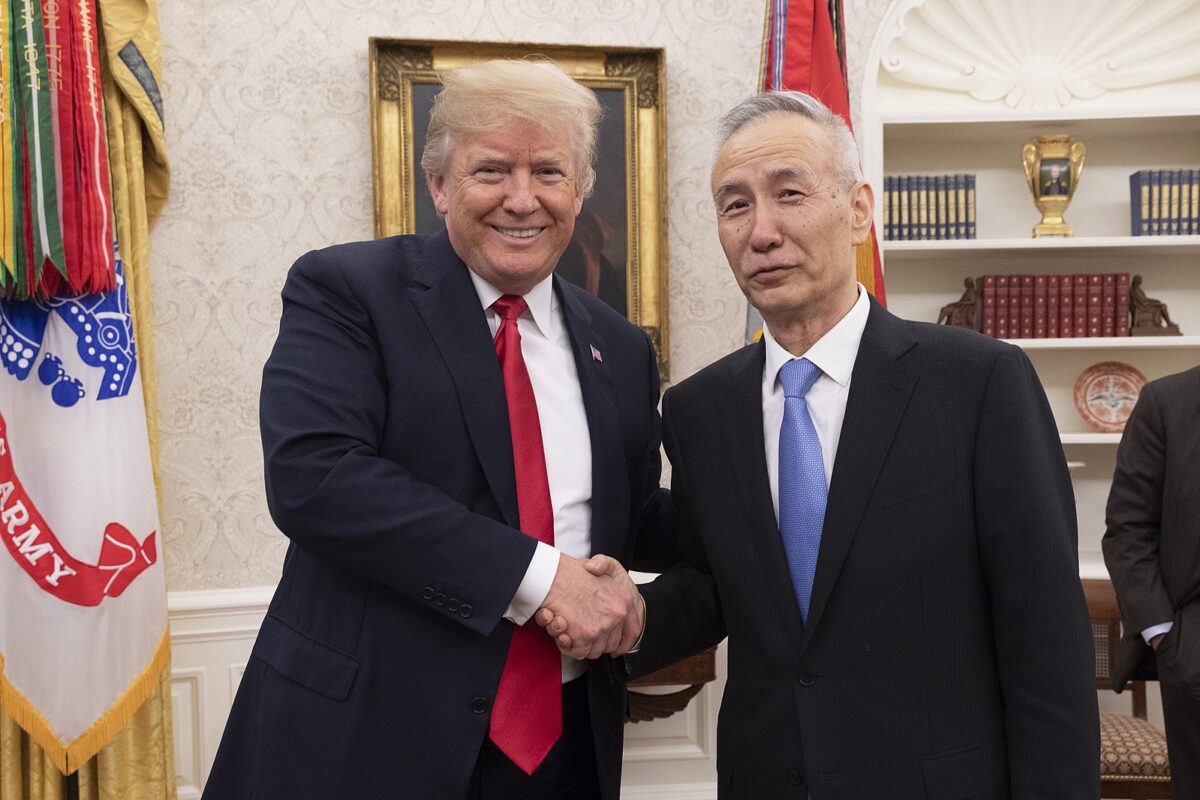
In March 2018, President Trump stated that ‘trade wars are good, and easy to win’ as he sparked a trade war with China to fight what he called the country’s unfair bilateral trade balance and intellectual property theft. The trade war has taken longer than expected to “win,” especially as rhetoric on both sides heats […]

In Defence of Protest Culture
09.25.19
Protests have a bad rep in Singapore. Framed by the state as violent, divisive, and a threat to stability, protests are deliberately discouraged, largely disallowed, and when permitted, heavily controlled. Poh Yong Han make a case for encouraging “protest culture” in Singapore by responding to common criticisms of protest culture, and outlining the ways in which protests might actually serve to strengthen Singapore.

MEPI Revolutionizes U.S. Soft Power Engagement in the Middle East
09.5.19
BY ELLY ROSTOUM If you were given half a billion dollars, what would you do to advance democracy around the world? That’s what people at the U.S. State Department’s Middle East Partnership Initiative (MEPI) strategize about. MEPI, the U.S. State Department’s most innovative soft power tool, funds projects in the Middle East and North […]

India’s Cricket Frenzy is Not All About Sports
08.29.19
On the evening of July 9th, 1.3 billion people took a collective gasp as India was knocked out of the Cricket World Cup 2019. An event that takes place once in four years, the Cricket World Cup is the most anticipated sporting event in India, where cricket is a religion. During this year’s Cricket World […]
Guilty by Association: The Fate of ISIL Families in Iraq
08.27.19
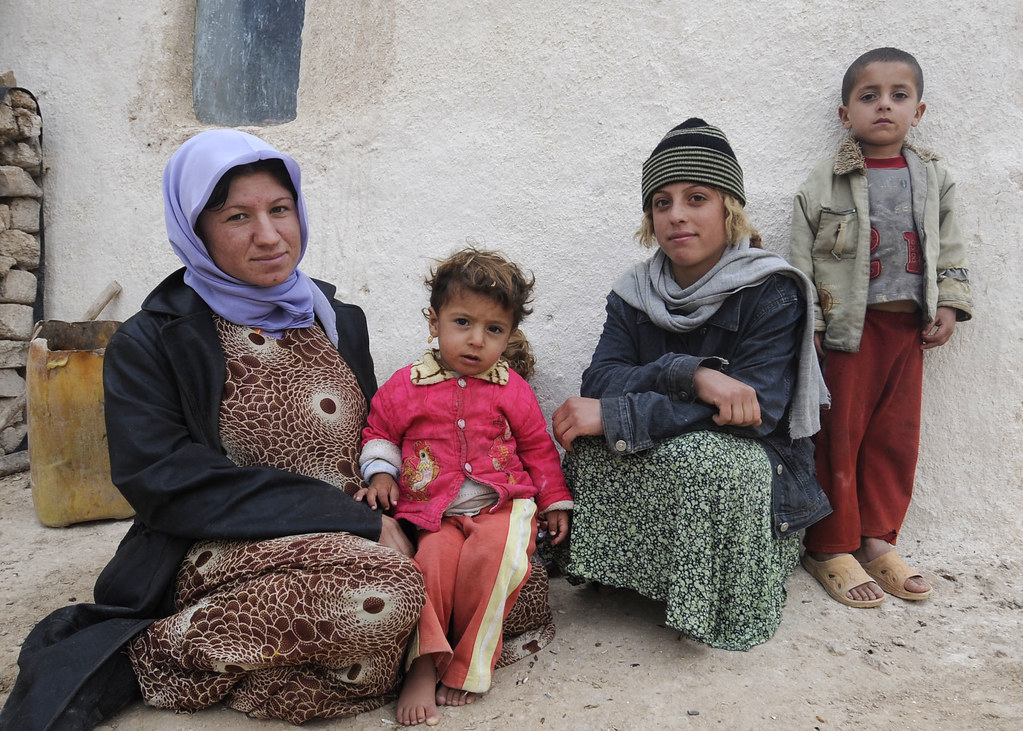
In December 2017, Iraq’s government declared victory over the Islamic State (ISIL), ending more than three years of ISIL’s brutal occupation of large swaths of Iraq. Yet for the 2 million internally displaced persons (IDPs) in Iraq today, the conflict is far from over.[1] This is especially true for ordinary Iraqi Sunnis affiliated with ISIL, […]