

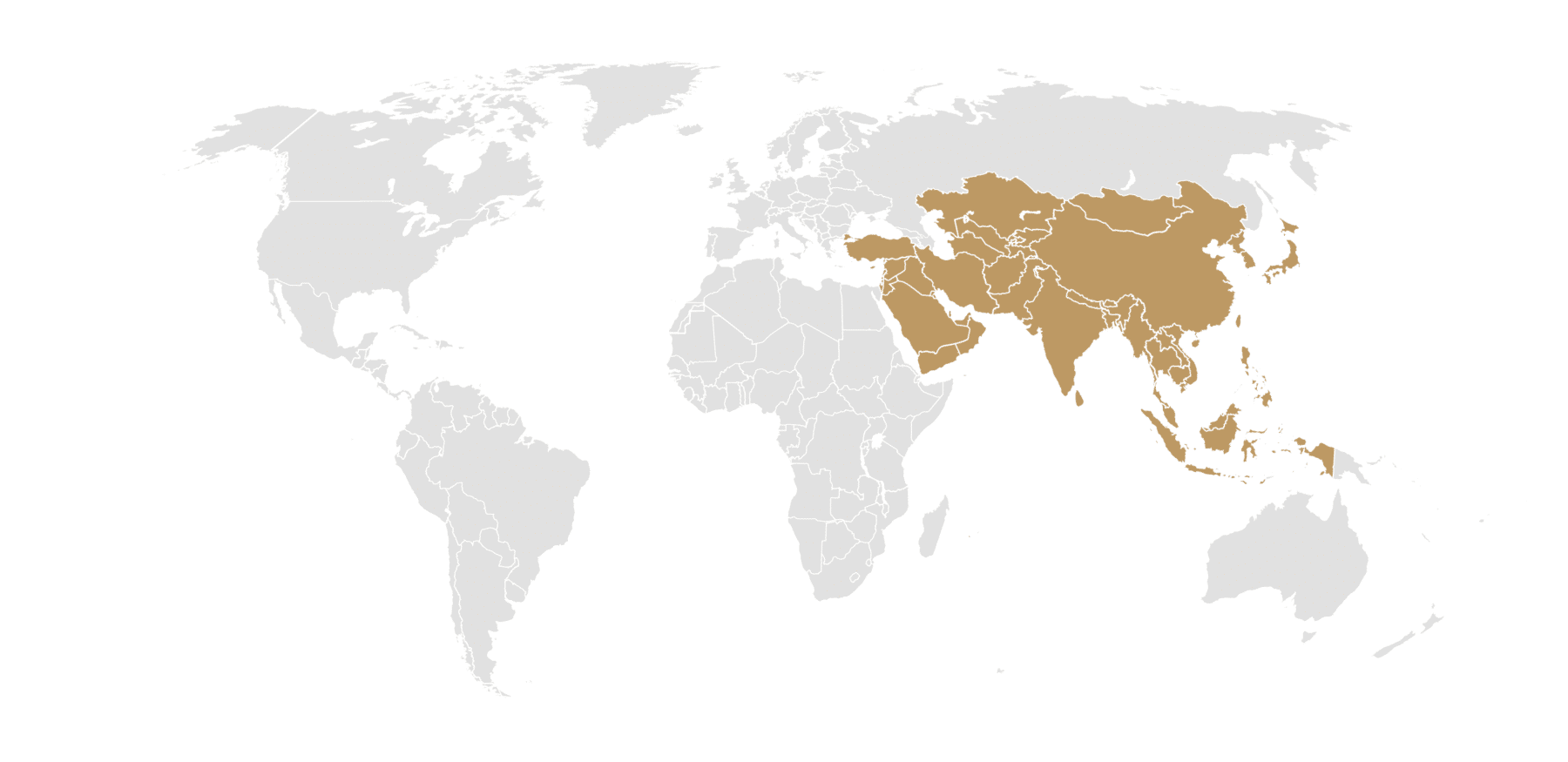
Asia
The UN-defined Asia region is the second largest regional group. Its territory is composed of much of the continent of Asia and the Middle East with few exceptions.
Explore all Articles
filter by–Topic
filter by–Country
search by–Keyword
The Shangri-La Dialogue: Ensuring Singapore’s Relevance in Defence Diplomacy
11.8.20
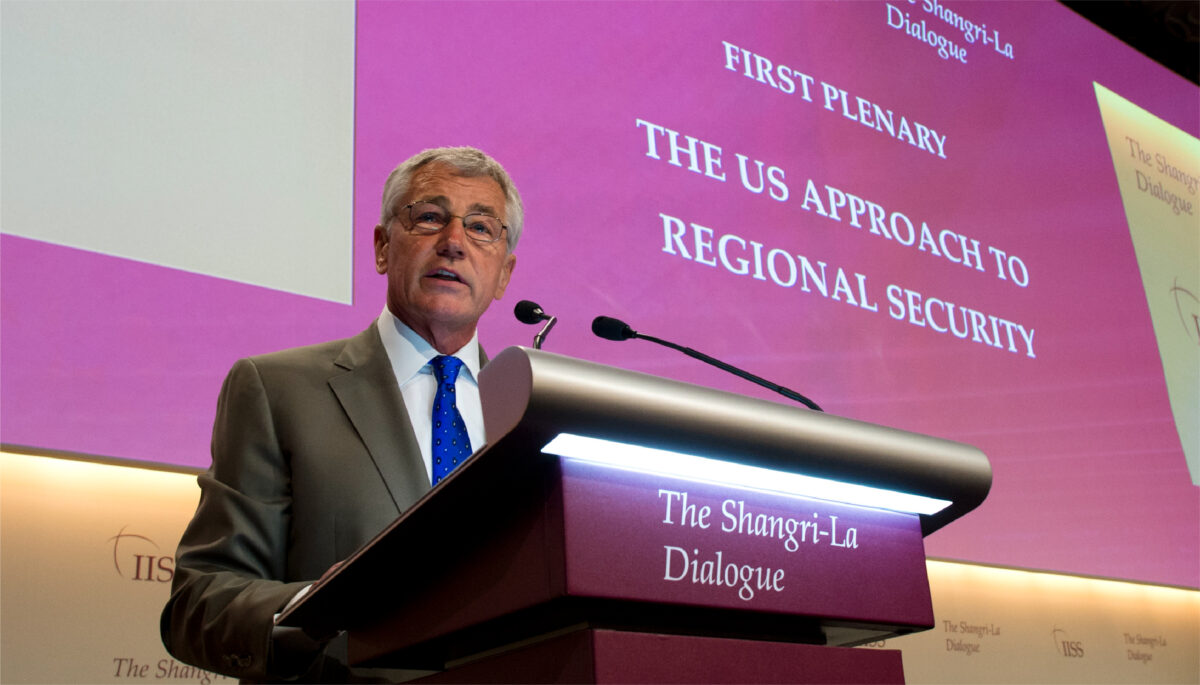
COVID-19 has brought challenges to organizing large-scale events, not least diplomatic ones. In this article, Jina Lim explores the consequences of one such cancelled event through the ‘why’s and ‘how’s of organizing an alternative, and what it means for Singapore’s role in regional defence diplomacy.

“The only thing I could give the revolution and the Syrian people is my voice … it’s all I have.”
10.9.20
Lubana Al Quntar is a rare talent that, if given the proper support, has the power to uplift her entire nation, putting Syria, and the Arab World, on the map of classical opera globally. Yet, in Assad’s Syria talents like hers are systematically eliminated.
Letter to the Editor: Response to Rethinking Scholarship Diversity
09.21.20
Aloysius Foo responds to our previous article by Andrew Chia, Rethinking Scholarship Diversity: The Pre-U Education of PSC Scholars. In his letter, he highlights the need to go beyond diversity, and explore the deeper issues surrounding Singapore’s social class reproduction, which has created an “Aristocracy of Merit”.
Rethinking Scholarship Diversity: The Pre-U Education of PSC Scholars
09.13.20
Minister-in-Charge of the Public Service Chan Chun Sing recently remarked that the diversity of Public Service Commission Scholarship recipients goes beyond race, language, and religion. This raises questions about how diverse recipients have been in socio-economic terms, of which pre-university education provides a good proxy for assessment. In this piece, Andrew Chia looks at why diversity in background matters, and explores the diversity of PSC scholars using compiled data on PSC Scholarships from 2007 to 2018.

Beyond Plastic Recycling: A look at Extended Producer Responsibility in Singapore
09.7.20
Singapore’s current efforts in managing plastic waste are mostly focused on downstream measures, but the broader issue of plastic consumption continues to require action upstream. Ensuring responsible production processes, through policy regulation, can help to promote general reduction of plastic waste and environmental impact. To that end, Woo Qiyun spotlights the role of an Extended Producer Responsibility scheme in Singapore, to increase the accountability of corporations and government.
This Time is Different, or So They Say
07.30.20
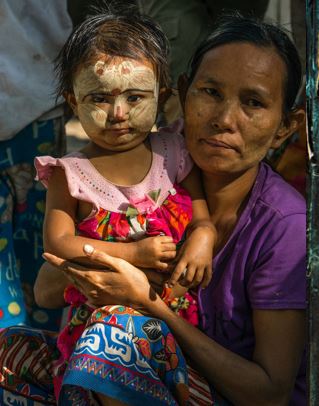
We are less than four months away from a very contentious election in Myanmar. The pro-military Union Solidarity and Development Party is desperate to make a comeback, the case accusing Myanmar of genocide continues at the International Court of Justice, the repatriation of Rohingya refugees remains an open question, and COVID-19 has delayed the ongoing […]
Technology’s impingement on the urban female sanitation worker in India
07.29.20
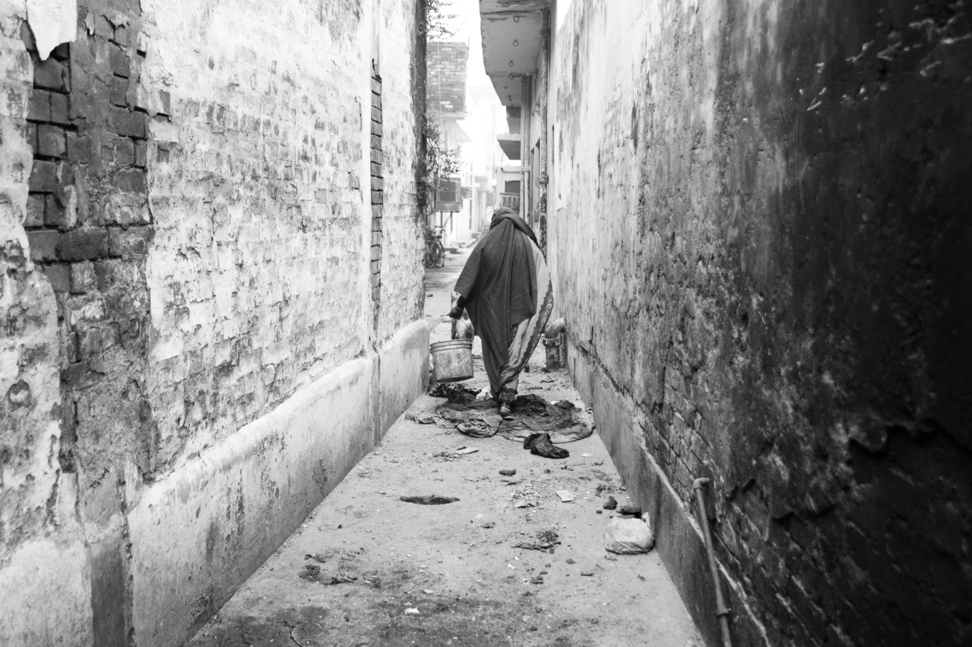
While three-fourths of the world’s population has access to a basic sanitation service, only about half of the world’s population uses a safely managed sanitation service. Over the last decade, the Government of India has strived to increase access to sanitation, building 100 million additional toilets in rural India over the last five years under […]

From Socio-Political Unrest to the Pandemic: How Can Hong Kong Cope with the Mental Health Crisis
07.19.20
Socio-political and public health crises The outbreak of the coronavirus (COVID-19) has exploded into a global pandemic, infecting over 3.5 million individuals worldwide and taking away more than 251,000 lives. In the city of Hong Kong, 1,569 confirmed cases have been reported. Due to the stringent quarantine measures and closed border policies, the spread of […]
Turkey’s Hagia Sophia Decision as Foreign Policy Signal
07.14.20
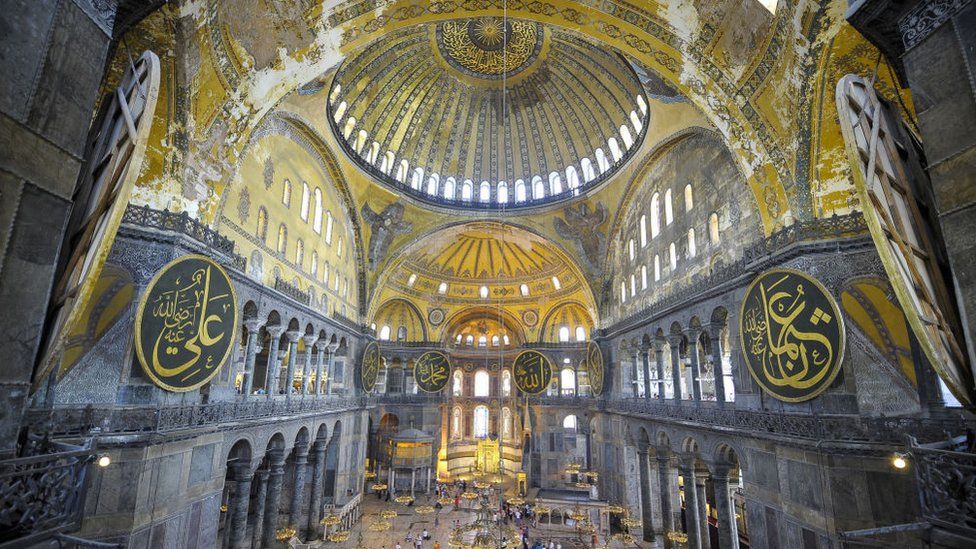
On July 10, 2020, Turkish President Recep Tayyip Erdogan signed an order which would allow the disintegration of Hagia Sophia’s museum status and turn it back into a mosque. Pro-government Turkish news outlet Yeni Şafak headlined the same day: “The West Goes Mad.” (Batı çıldırıyor) [1] With the signature of the Council of State’s memorandum […]
The politics of language: How can we mainstream social justice vocabularies?
06.22.20
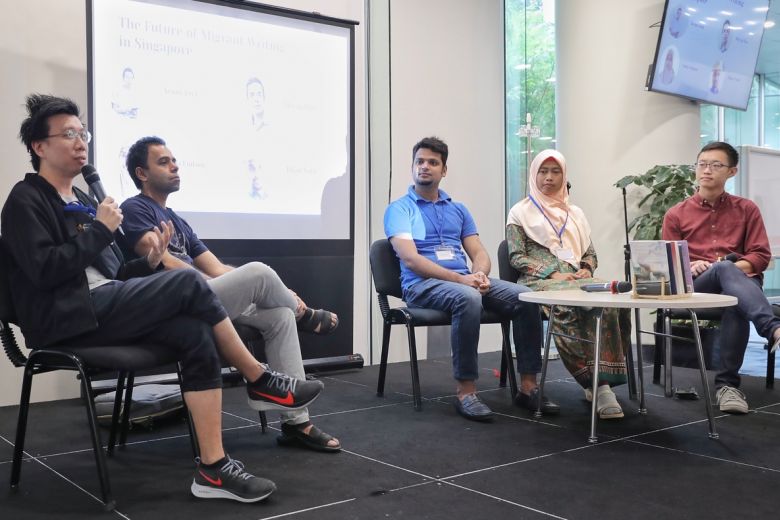
How might we mainstream social justice ideas and language, beginning a national conversation that extends beyond more recognised civil society actors? Reflecting on the discourse surrounding migrant rights, Quah Say Jye draws upon philosopher Miranda Fricker’s concept of “epistemic injustice” to propose a shared vocabulary that might allow migrant workers into our linguistic community. He suggests that our semantic choices need to accurately represent the lived experiences of migrant workers, be accessible to them and the general public, and have the potential to pivot towards broader structural critiques.

The Indian Ban on Commercial Surrogacy
06.19.20
Introduction The usage of assisted reproductive technology (ART) has grown immensely around the world, and future increases are expected.[i] The global market is expected to grow at the compound annual growth rate of 10 percent until 2025.[ii] Surrogacy, the process of a surrogate mother carrying and delivering a child on someone else’s behalf, is […]
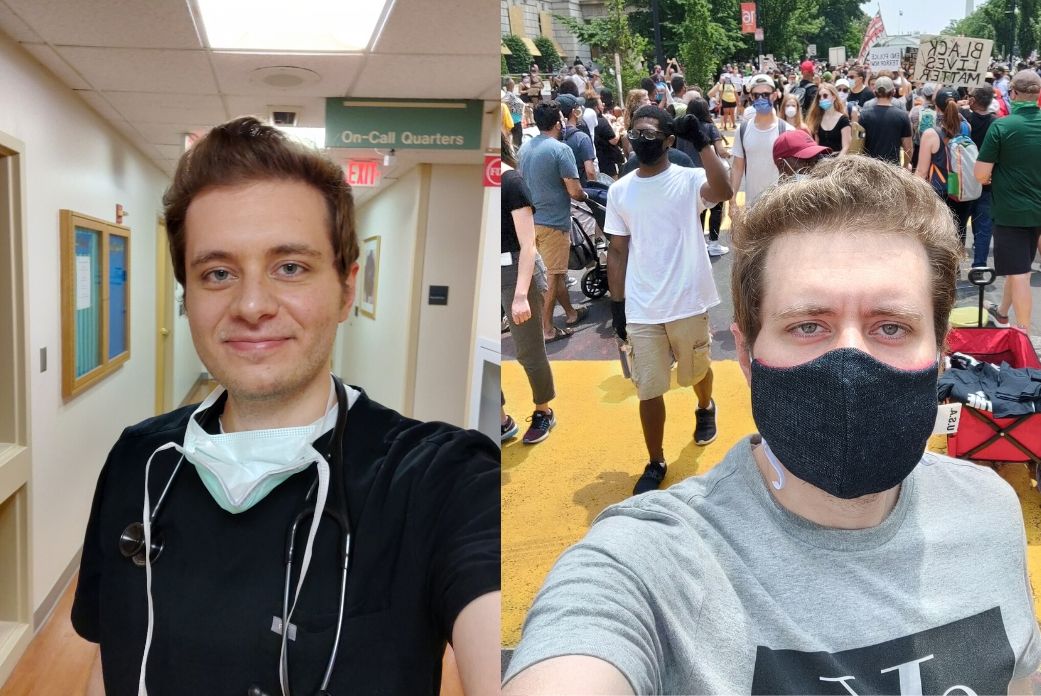
“It’s about human life. It’s not about Americans or Syrians. I am trying to heal patients.”
06.17.20
Syrians believe in the American ideals of liberty, the right to peaceful assembly, equality and the pursuit of happiness, that are now echoing across the American cities.