


Kennedy School Review
Established in 1999, the mission of the Harvard Kennedy School Review (KSR) was to publish articles that offer compelling analysis and insight and put forward pragmatic and innovative solutions for the major issues of our time. KSR sought to publish timely, provocative, important articles that influence policymakers and practitioners, stimulate public debate, and showcase the best work of Kennedy School students. KSR provided an opportunity for students to challenge, change, and influence the policy debate on crucial policy issues.
Explore all Articles
filter by–Topic
filter by–Region
filter by–Country
search by–Keyword

Toward More Science, Less “Art” in Medicine
08.6.26
For years we’ve comforted ourselves with the idea that medicine is part art, part science. But what if most of what we call “the art of medicine” is simply the shadow cast by the limits of science, and the rest where our knowledge is still incomplete?

Building a Stable Syria: The Omani Model
07.1.26
This article examines how Oman’s sectarian plurality among its citizen population, dating back to the founding of the Sultanate in 1970 under Sultan Qaboos after a British-backed coup, remains stable. We’ll also use Yemen, since its founding as the Republic of Yemen in 1990, as a counterexample to Oman to illustrate how politicized identity structures can lead to disaster. We’ll then examine how thesee two case studies can inform the reform of a post-Assad Syria toward long-term stability.

The Need to Implement an Age Restriction on U.S. Dietary Supplements
07.15.23
Young people are especially susceptible to abusing weight loss supplements. Age restrictions will protect them.

Medical Personnel Uninformed of Reproductive Law: How Bolivia’s Neglect for Abortion Rights is Endangering Pregnant Individuals
07.14.23
How difficult is it to get a legal abortion in Bolivia? Well, as shown by a recent ordeal an 11-year-old child had to go through, it took weeks of mass national protests, government intervention, and international media attention.
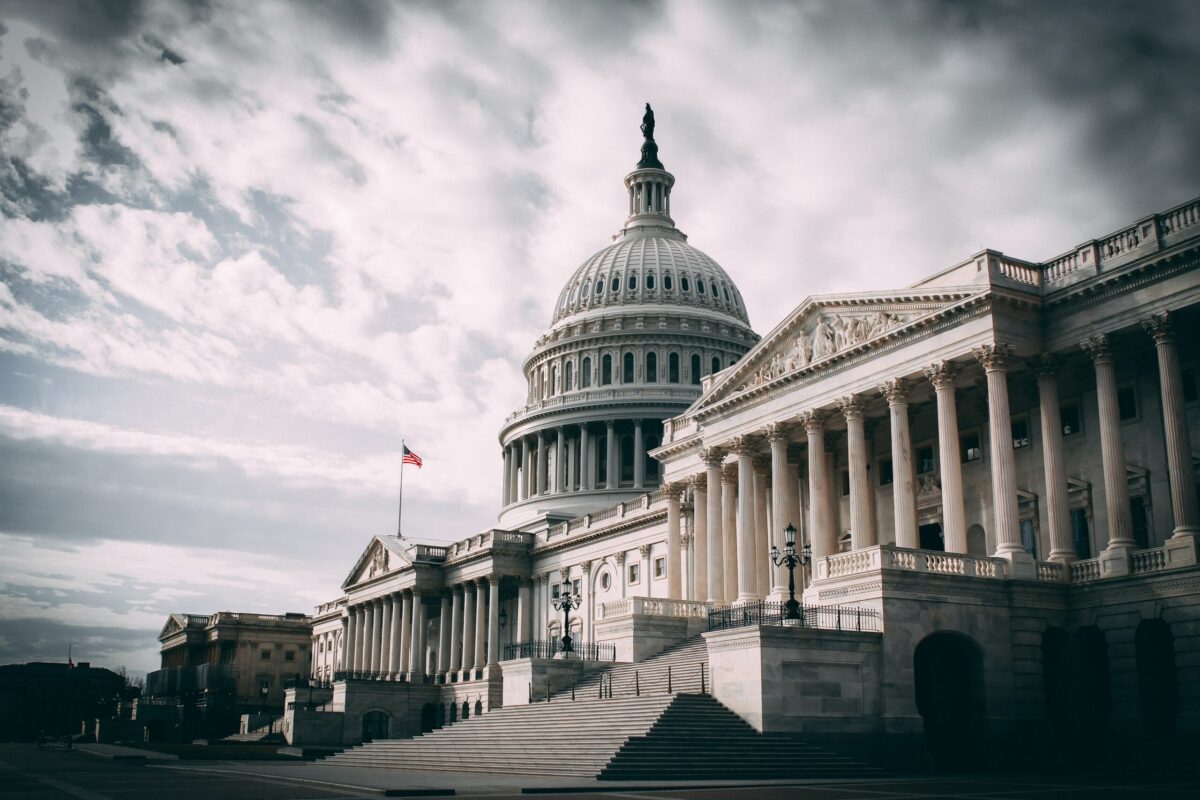
How Congress Should Regulate AI in the Short-term
07.14.23
Congress must take the existential risks of AI seriously and deploy pre-existing risk assessment tools and regulations to better understand, monitor, and mitigate those risks.

The Importance of Aggregate Climate Data for Global Climate Progress From Emerging Economies
06.28.23
Harmonized data lies at the heart of the climate agenda, but do we pay enough attention to the development of the figures that we see? Do we ever question how the figures are calculated?

Special Interests’ Hold on State Courts: The Need for a Fourth Wave of Judicial Election Reform
06.25.23
History presents a clear lesson: when judicial independence and competence wanes, it’s time for meaningful reform.

A House Built on Sand: The Future of Privacy in the US
06.21.23
To borrow a famous legal quip, American privacy is protected merely by a thin layer of common decency, public policy, legislative safeguard, and judicial concern–a four-walled house built on, and of, sand.

Bridging the Information Gap: AI, Misinformation, and Global Education Reform
06.19.23
“For every dollar and every minute we invest in improving AI, we would be wise to invest a dollar and a minute in exploring and developing human consciousness.” —Yuval Noah Harari1 In June 2020, the veritable explosion of misinformation during the COVID-19 pandemic prompted more than 130 countries to issue a statement on the burgeoning […]
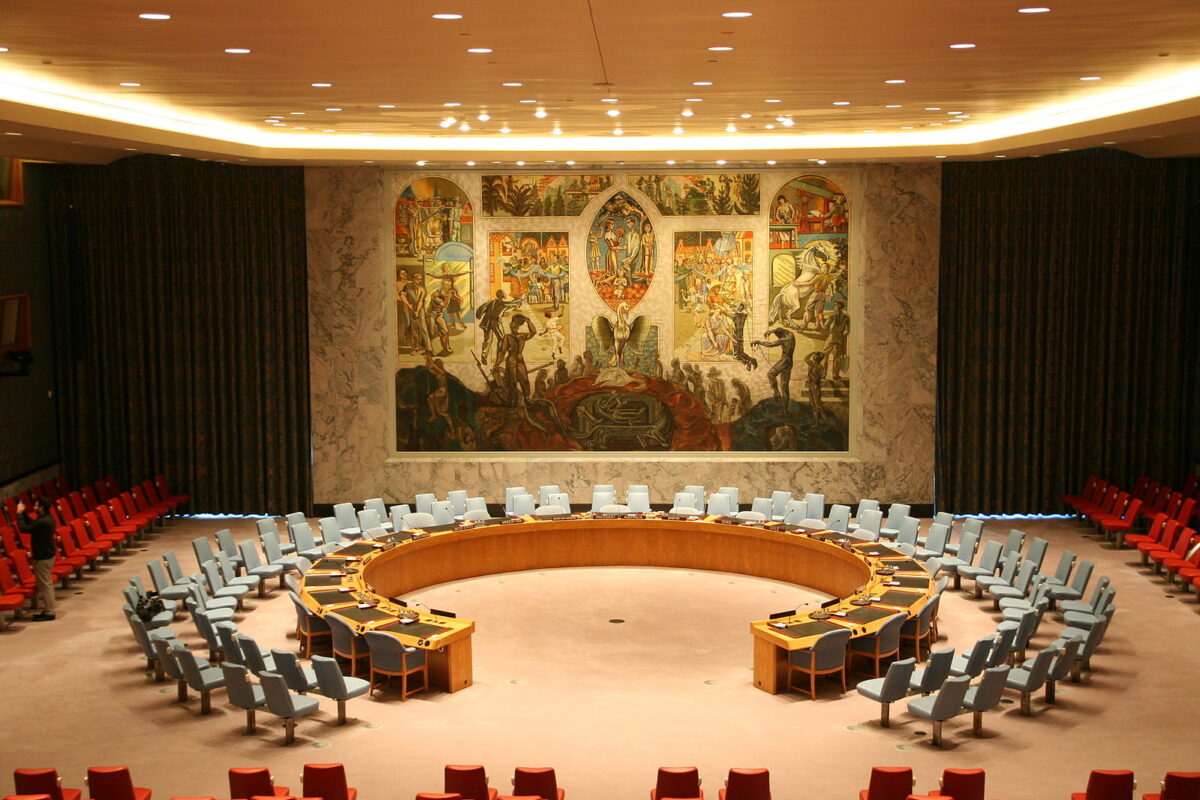
Global Governance, Climate Change, and International Security: Aligning Issues to Compel Action
06.17.23
Failure to recognize and manage the nexus of the relationship between climate and security could have significant ramifications in the future between and within countries and communities. Without considering these, efforts to promote sustainable development and peace may fall short.

The Army National Guard’s Recruiting Woes: An Experiment to Challenge the Status Quo and Offer Valuable Lessons
06.14.23
To improve recruiting effectiveness, the Army National Guard needs to reconsider its recruiter employment and development practices.
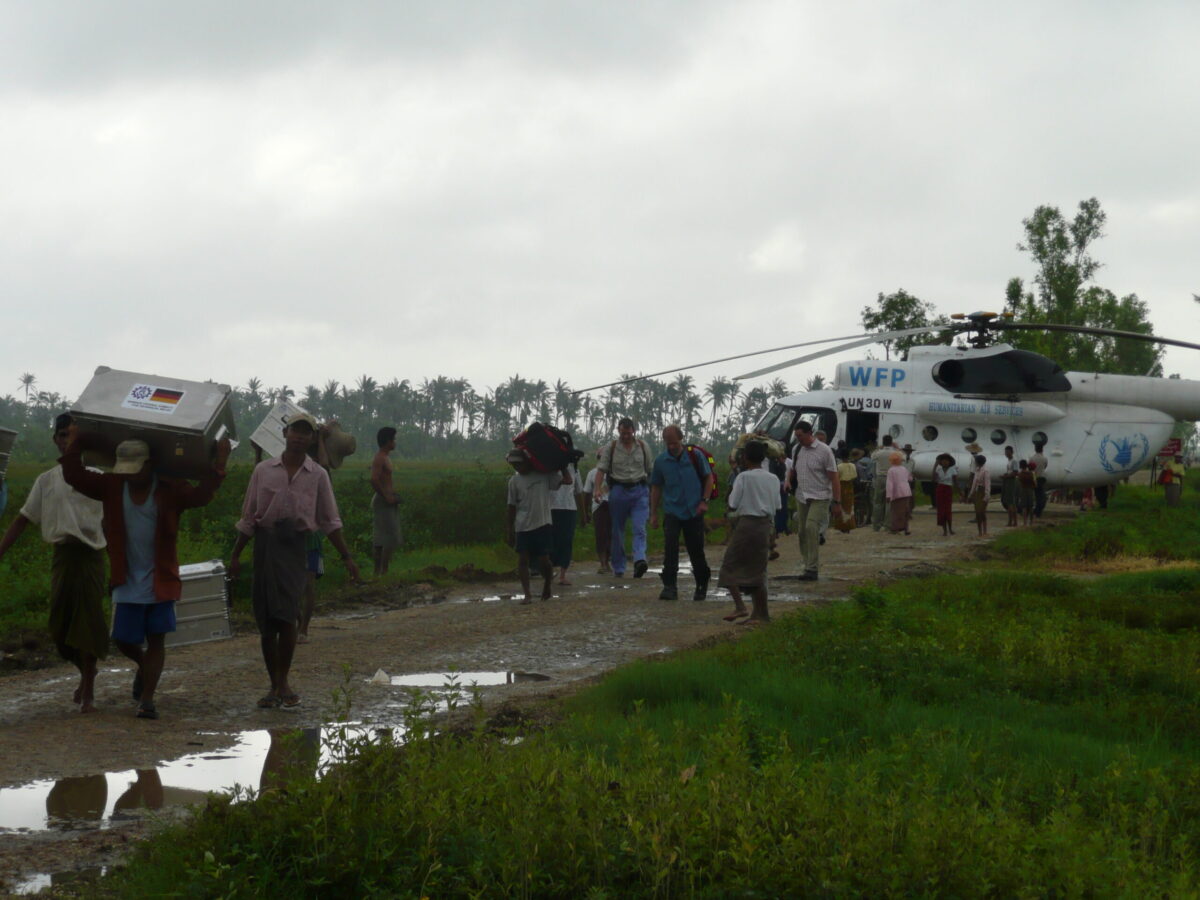
Sanctions: A Hammer for Every Nail
06.14.23
Given the complexity and scope of the issue, sanctions overcompliance can seem like an intractable problem. Each stakeholder is balancing high-stakes priorities: billions of dollars in assets, national security, political power, and life-saving humanitarian response. However, there are two immediate actions the U.S. government could take in the short-term to address overcompliance.