
China
U.N-defined country
Explore all Articles
filter by–Region
filter by–Country
search by–Keyword
The Next Phase of the U.S.-China Cold War Is About Power, Not Ideology
12.4.25
The U.S. once believed it could liberalize China — the opposite may have happened.
US-China Tech Decoupling: A Shift Towards a More Paranoid World
05.27.25
“The impact of this digital isolation has been amplified in recent years by Beijing’s efforts to tightly interlink data security with national security, as well as reduced people-to-people and business exchanges from the COVID-19 pandemic and geopolitical tensions. In the U.S., growing suspicion of China has led to increasingly aggressive efforts to excise Chinese technology and capital from its supply chain. People from the two countries are farther apart than ever.”

Education as a Diplomatic Tool: Bridging U.S.-China Divides for a Collaborative Future
01.17.25
“Unlike political agreements often marked by contention and short-term interests, education and research transcend borders, driven by collaboration and a shared pursuit of progress. By viewing education exchanges as strategic platforms for cultivating long-term relationships and mutual respect, the U.S. and China can foster cooperation and build deeper, more enduring bonds of trust.”

Interview with Niall Ferguson: U.S.-China Relations
03.25.24
On February 28, 2024, HKS Student Policy Review Senior Editor Nikolas Neos spoke with Niall Ferguson, the Milbank Family Senior Fellow at the Hoover Institution at Stanford University, about U.S.-China relations.
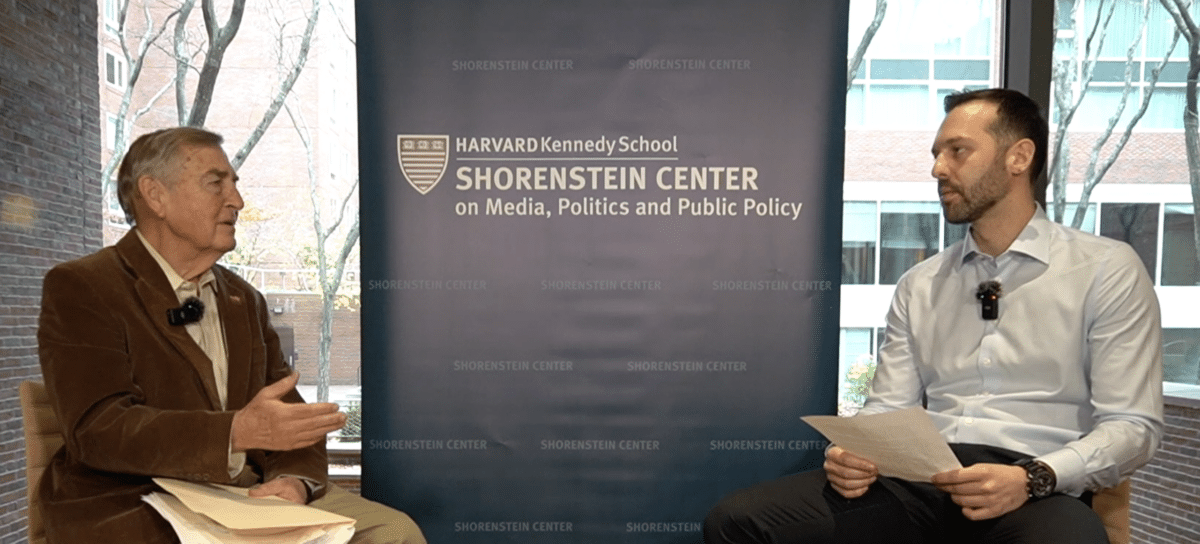
Interview with Harvard Professor Graham Allison: U.S.–China Relations
12.19.23
On December 5, 2023, Senior Editor Nikolas Neos spoke with Harvard Professor Graham Allison about US-China relations and what the rising tension between the two countries means for both of them.

Interview with Dr. Youssef Chahed
02.28.23
On February 28, 2023, Ryan Zoellner sat down with Dr. Youssef Chahed (Former Prime Minister of Tunisia) to discuss world events and international relations.
Intent to Destroy: Reproductive Violence against Uyghurs as a Weapon of Genocide in China
07.5.22
Background China is a multi-ethnic country comprising 56 ethnic groups, with the predominant religion being Buddhism. The Han ethnic majority group represents 91.5 percent of the population, while 55 ethnic minority groups account for 8.5 percent.[i] Uyghur Muslims represent 0.31 percent of China’s population. The Xinjiang Uyghur Autonomous Region, located in China’s northwest, is the […]

Chinese Strategy Toward the Middle East: China as a Possible Mediator to End the Israeli-Palestinian Conflict?
06.22.22
After 1979, China’s Middle East policy has been less “one-sided” and more supportive of parties seeking a peaceful solution to the Palestine-Israel conflict. An Israeli-Palestinian peace accord is China’s top objective.
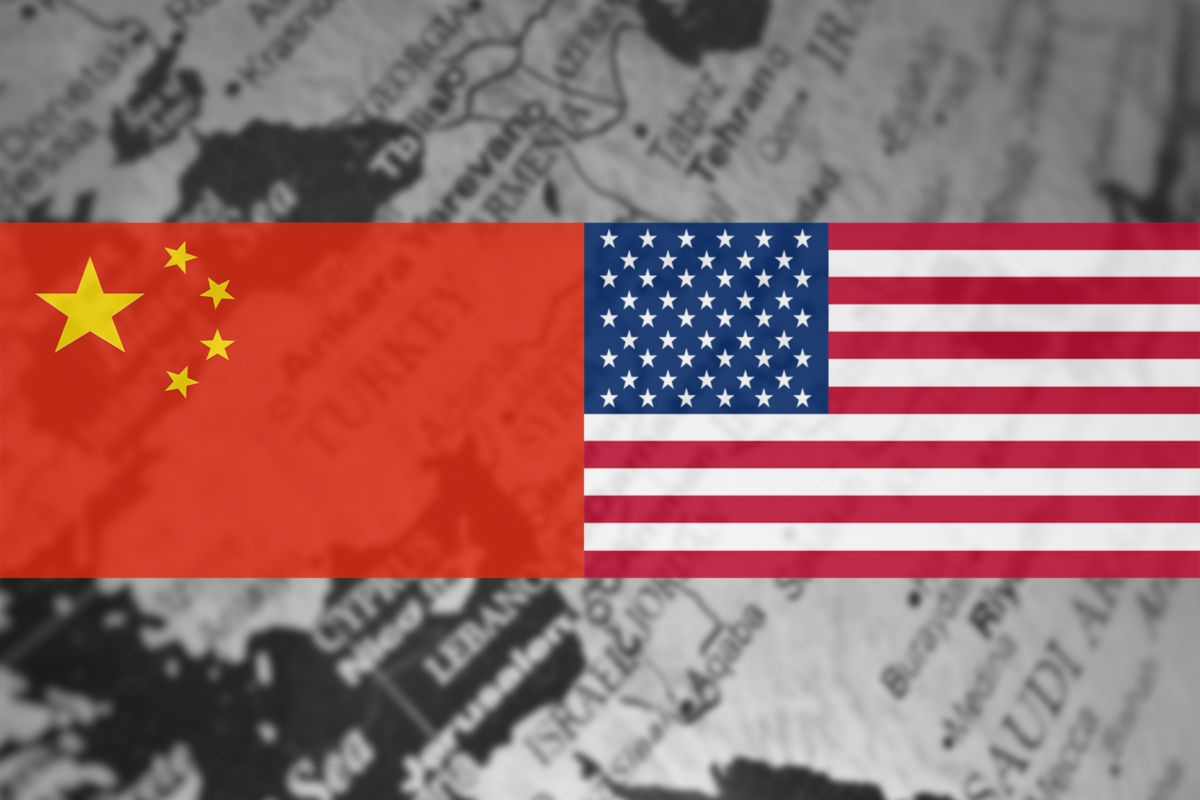
The Middle East as a Sphere for US-China Cooperation
04.21.22
Sama Kubba explores the competition for power between the United States and China in the Middle East and argues the U.S. and China should cooperate by leveraging their comparative advantages to make grand strategy gains in their Middle East foreign policy.
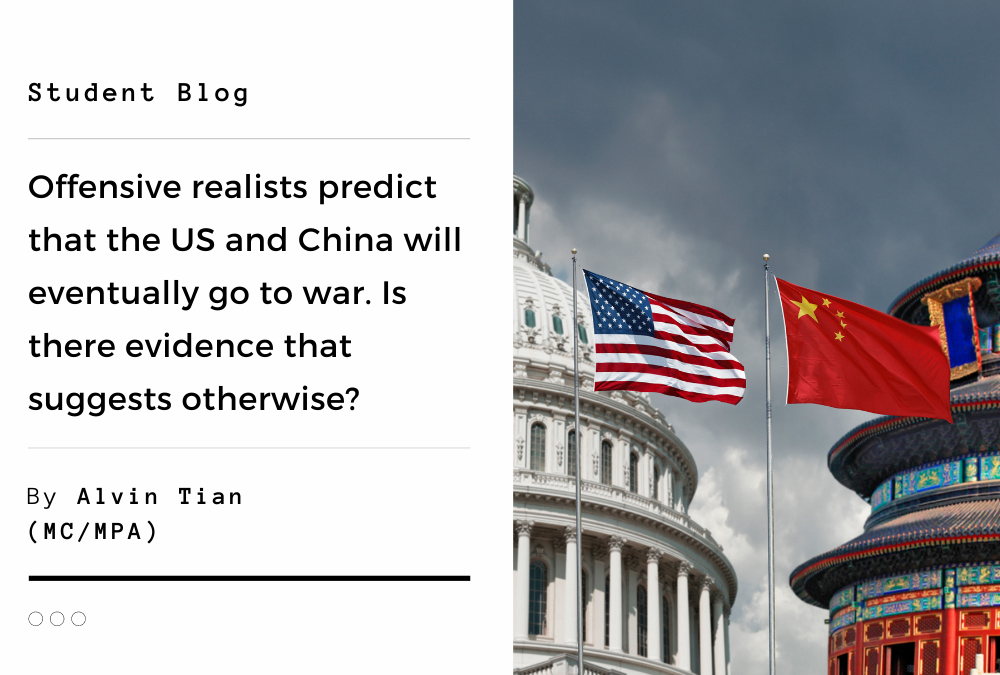
As a realist, I still have hope
04.13.22
Offensive realism, developed by Professor John Mearsheimer at University of Chicago, is the idea that great powers fear each other, and are always looking for opportunities to gain power at the expense of others. They do this to maximize its share of world power, regardless of domestic policy, foreign policy, and ideological differences on both […]
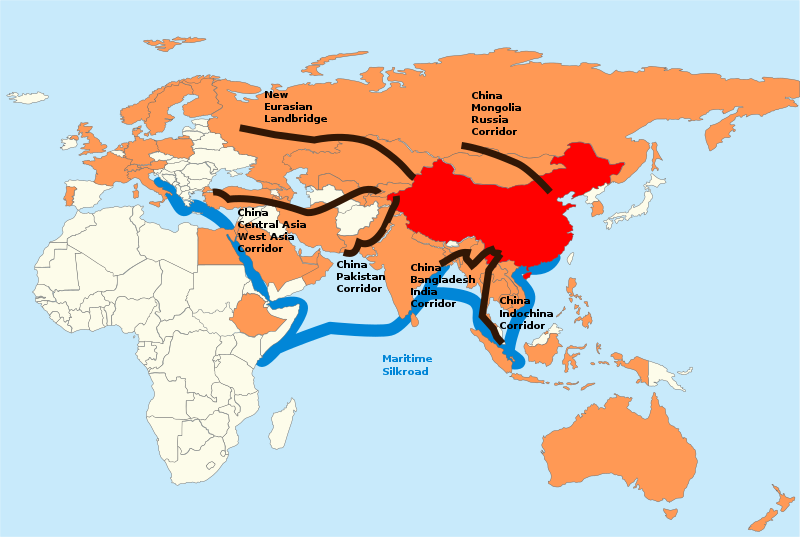
The Peaceful Rising of the Silent Dragon in the Middle East
12.17.21
Arman Mahmoudian examines the return of great power competition in the Middle East and China’s role within the region.
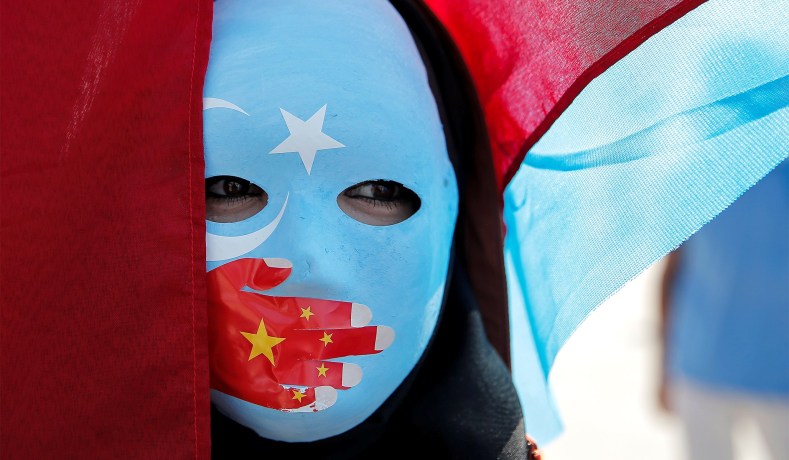
While China’s CT Policy in Xinjiang Lacks Humanity, It Also Lacks Long-term Effectiveness
02.3.21
China’s policy of interning more than one million Uyghurs in Xinjiang is both inhumane and unlikely to yield the results that Xi Jinping and the CCP claim they want.