
International Relations and Security
How do we create a more secure world? From cyber breaches to nuclear threats, how can policymakers mitigate the security challenges of our times?
Latest Article
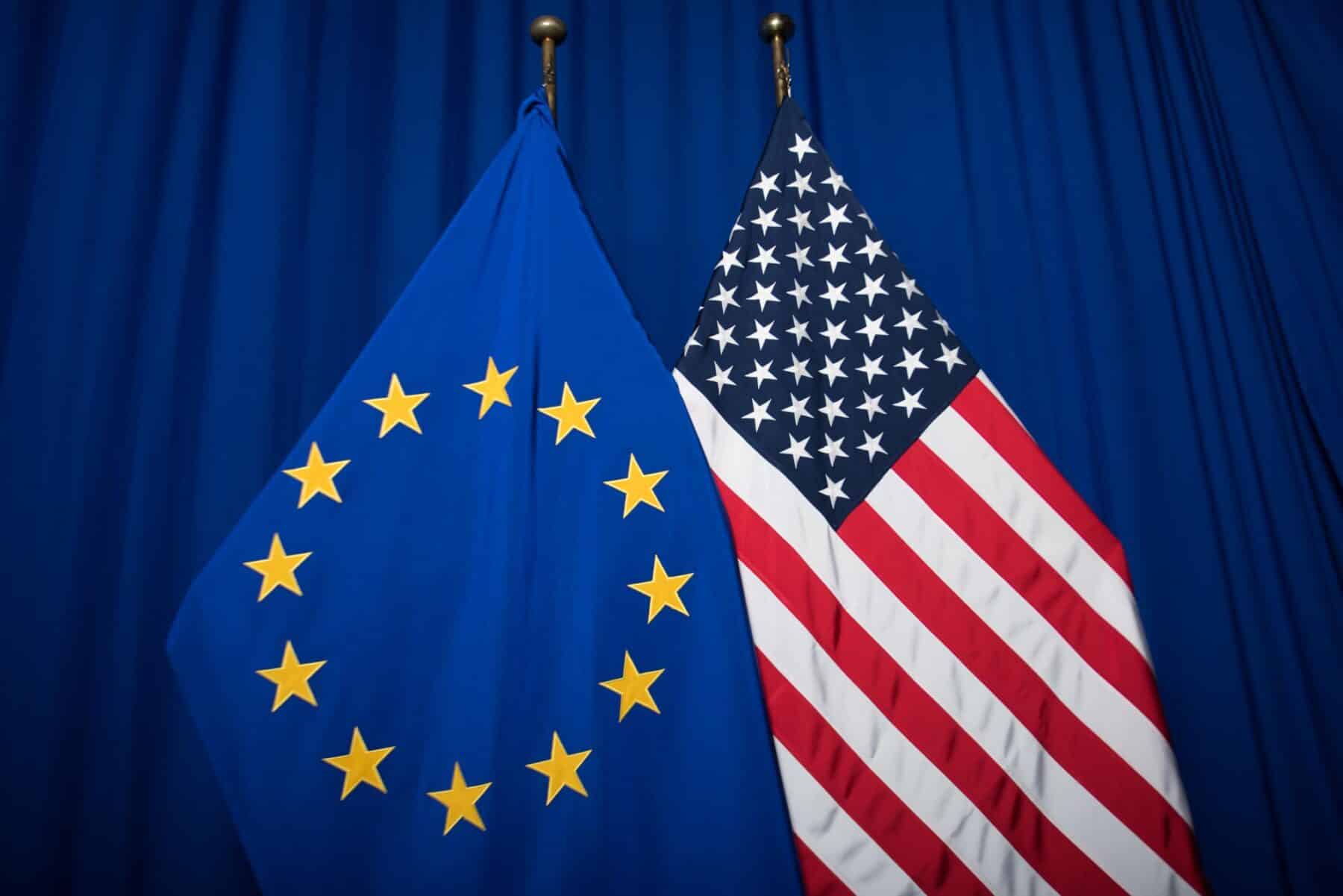
The Transatlantic Alliance Isn’t Dead. Treating It That Way Could Make It So.
The transatlantic alliance is increasingly described today in terms of decline, rupture, and even collapse.[1] Political leaders and commentators on both sides of the Atlantic have openly questioned whether the relationship can endure in its current form. From warnings that it is “broken” to claims that it is effectively “over,” the narrative of a fading […]Explore all Articles
filter by–Region
filter by–Country
search by–Keyword

Russia’s “Peace Talks” Are Theater – And Trump Is Still the Target Audience
02.13.26
The resumption of direct negotiations between Russia and Ukraine in May after a three-year hiatus was never about peace.
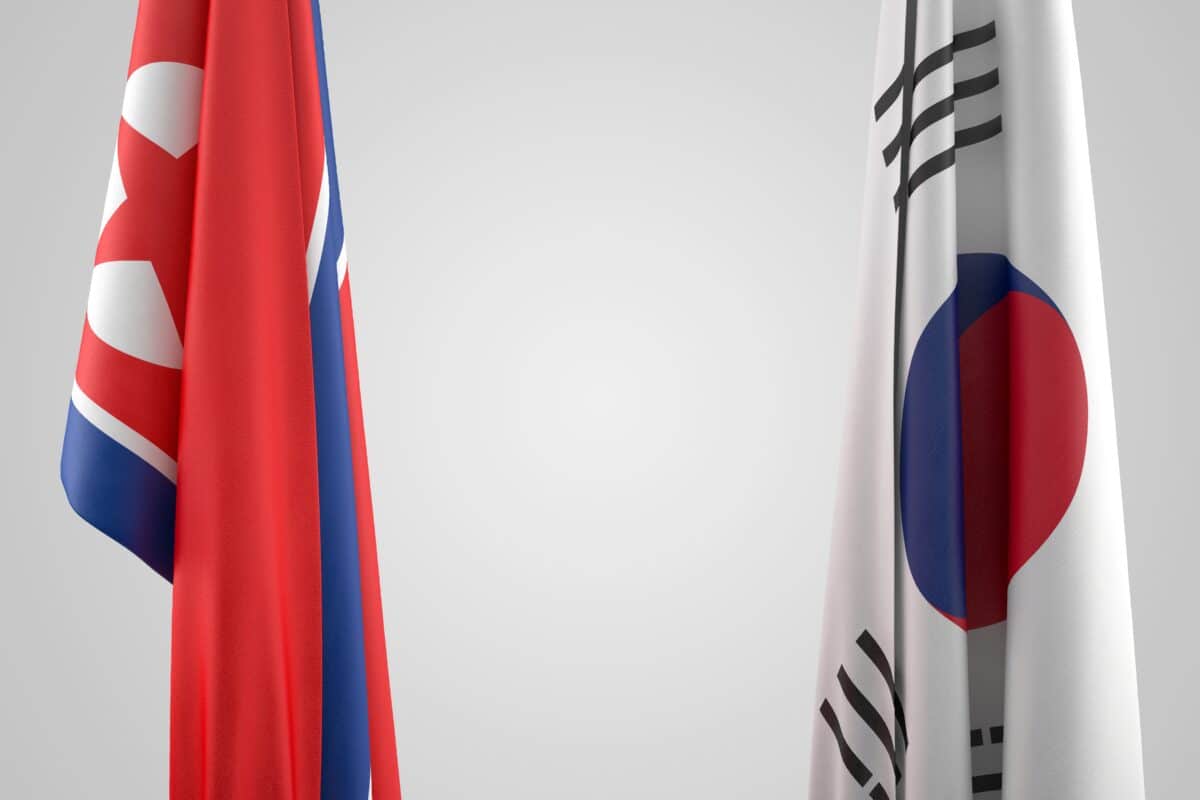
Why “Two-State” is Not a Solution for the Korean Peninsula
12.5.25
Both Koreas have shared the goal of reunification despite decades of ups and downs in inter-Korean relations. This long-held goal is now in grave peril.
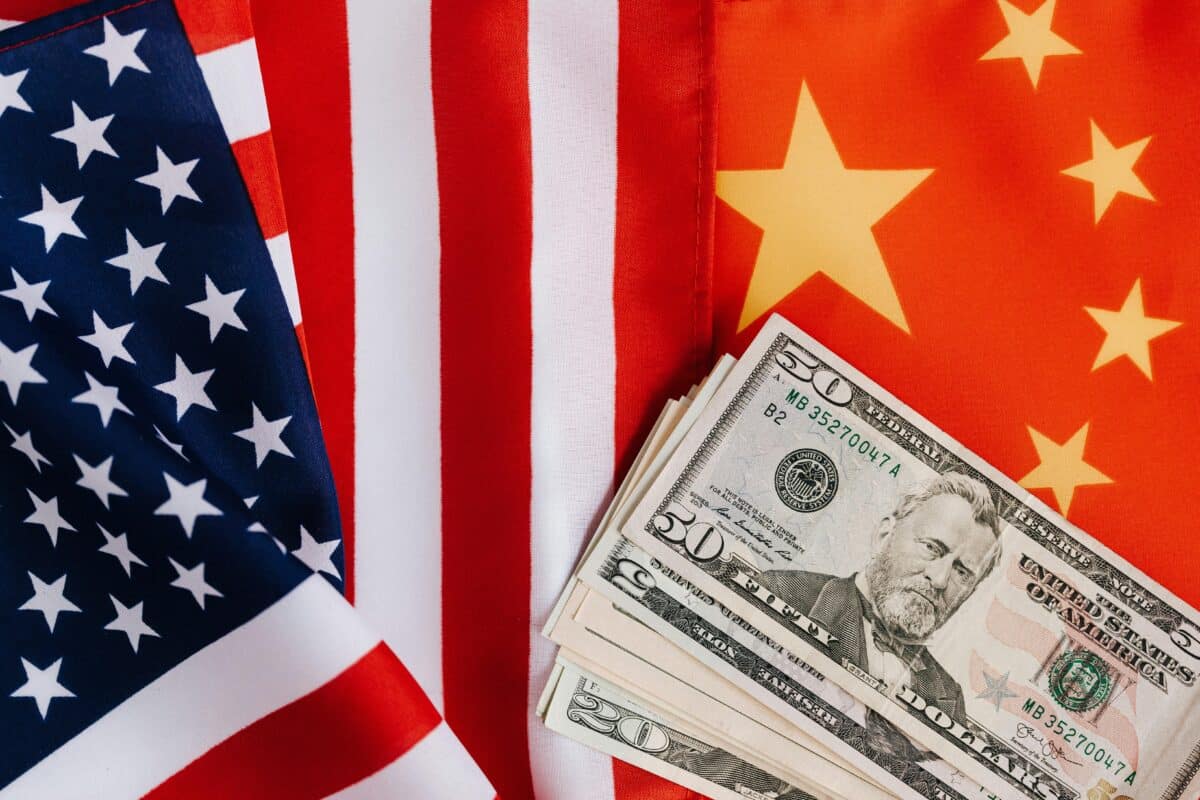
The Next Phase of the U.S.-China Cold War Is About Power, Not Ideology
12.4.25
The U.S. once believed it could liberalize China — the opposite may have happened.

Why a Resilient Taiwan Benefits Everyone: An Interview with Taiwanese Diplomat Charles Liao
12.3.25
Read and listen to an interview between HKS SPR and Taiwanese Diplomat Charles Liao, Director-General of the Taipei Economic and Cultural Office (TECO) of Boston.
International Security Institutions and Climate-Induced Conflicts: Adapting Strategies in an Era of Climate Geopolitics
11.30.25
Security institutions can no longer afford to relegate climate-induced migration to the periphery of strategic considerations.
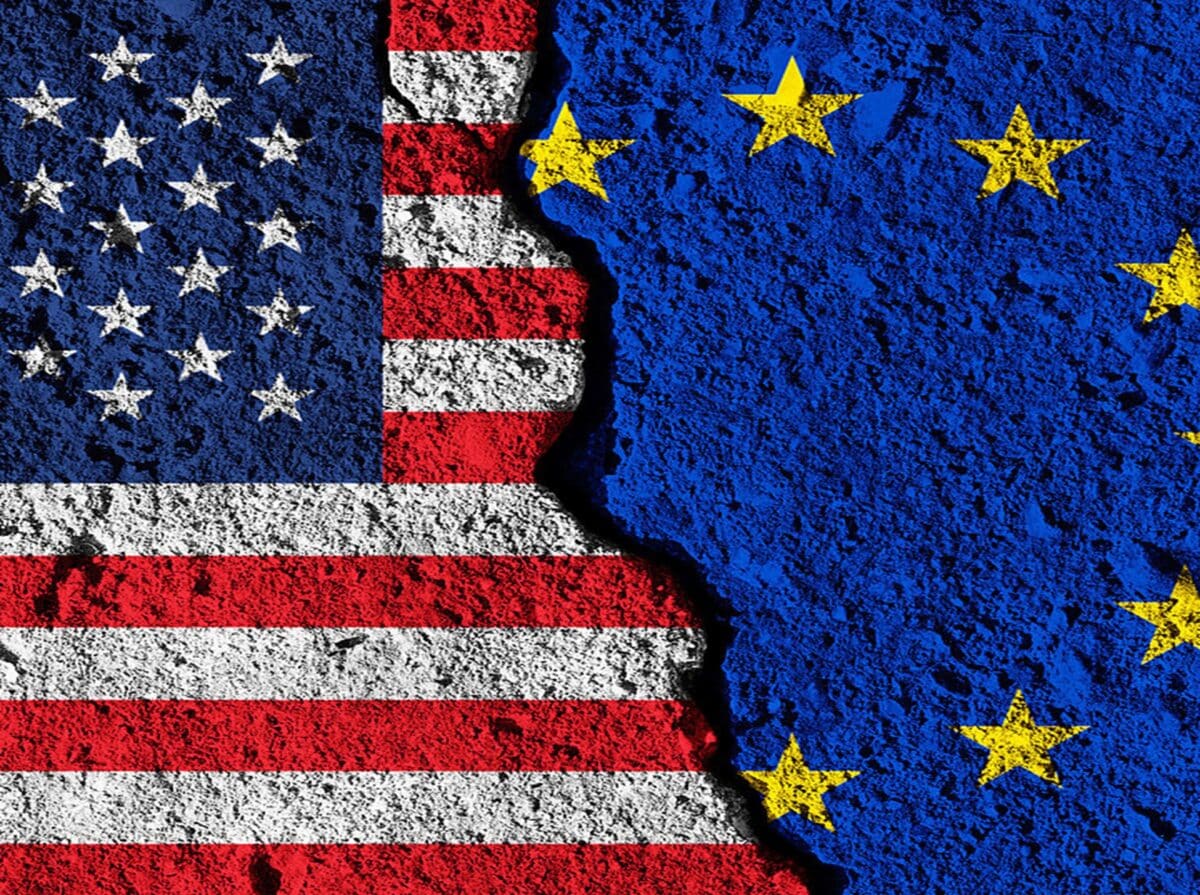
A New EU-US Relationship
05.5.25
For decades, the transatlantic alliance has rested on two pillars: a deep trade relationship and Europe’s near-total dependency on U.S. military protection. But recent moves from Washington have shaken that foundation.
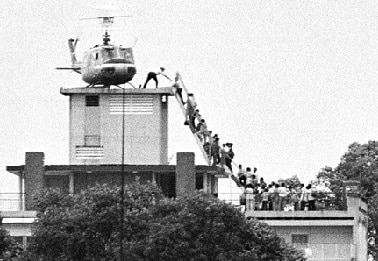
On the Anniversary of the Fall of Saigon, Beware of the Desire to Save Face at All Costs
04.30.25
Fifty years ago today, Saigon fell to the North Vietnamese, officially rendering the United States’ decades-long misadventure in Vietnam a failure.[i] The troubling reality of wartime decision-making is that it was not based primarily on whether the United States could feasibly win, or even whether Vietnam was strategically important. Rather, policymakers in Washington escalated the […]

Extraterritorial Solidarity as a Pathway for Addressing Climate Change for Africa’s Development
04.24.25
“The impacts of climate change on Africa’s development are increasingly evident across the continent. Given the need for collective regional solutions, an essential normative framework is ‘extraterritorial solidarity.'”
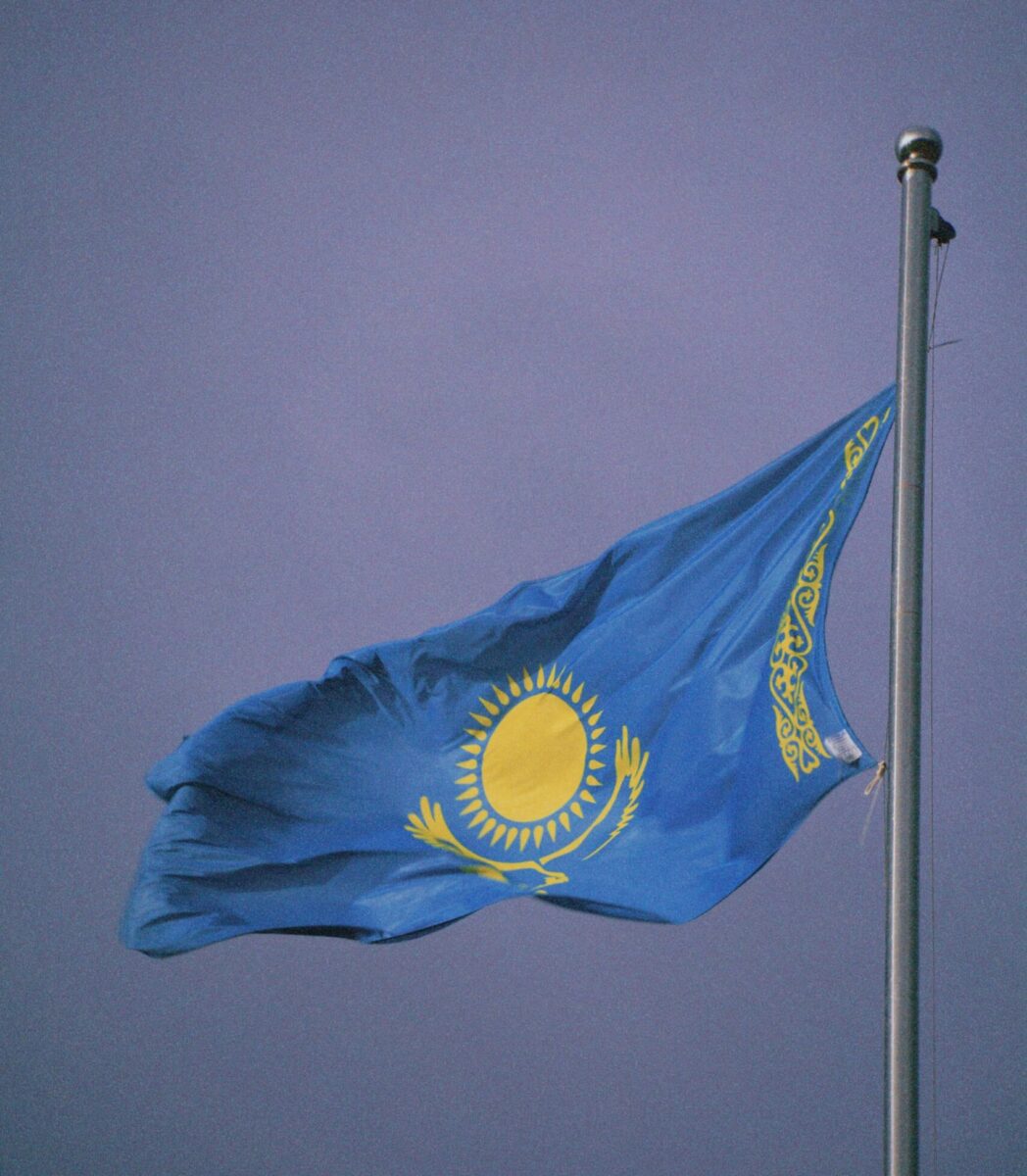
Kazakhstan’s ‘Oreo’ Model: A Unique Path Between Giants
03.10.25
In the turbulent theater of global geopolitics, Kazakhstan – sandwiched between two major regional powers, Russia and China – occupies a unique yet precarious position.

Whistleblower Protections and International Law: Protecting the Right to Share Government Misconduct
03.8.25
“Given the severe danger whistleblowers face in exposing their governments, it is surprising that the international community has not built more solid protections. Proposing frameworks for creating such a protection system using the treaties, bodies, and laws already on the books offers a feasible pathway that considers the current stalemate in geopolitics.”
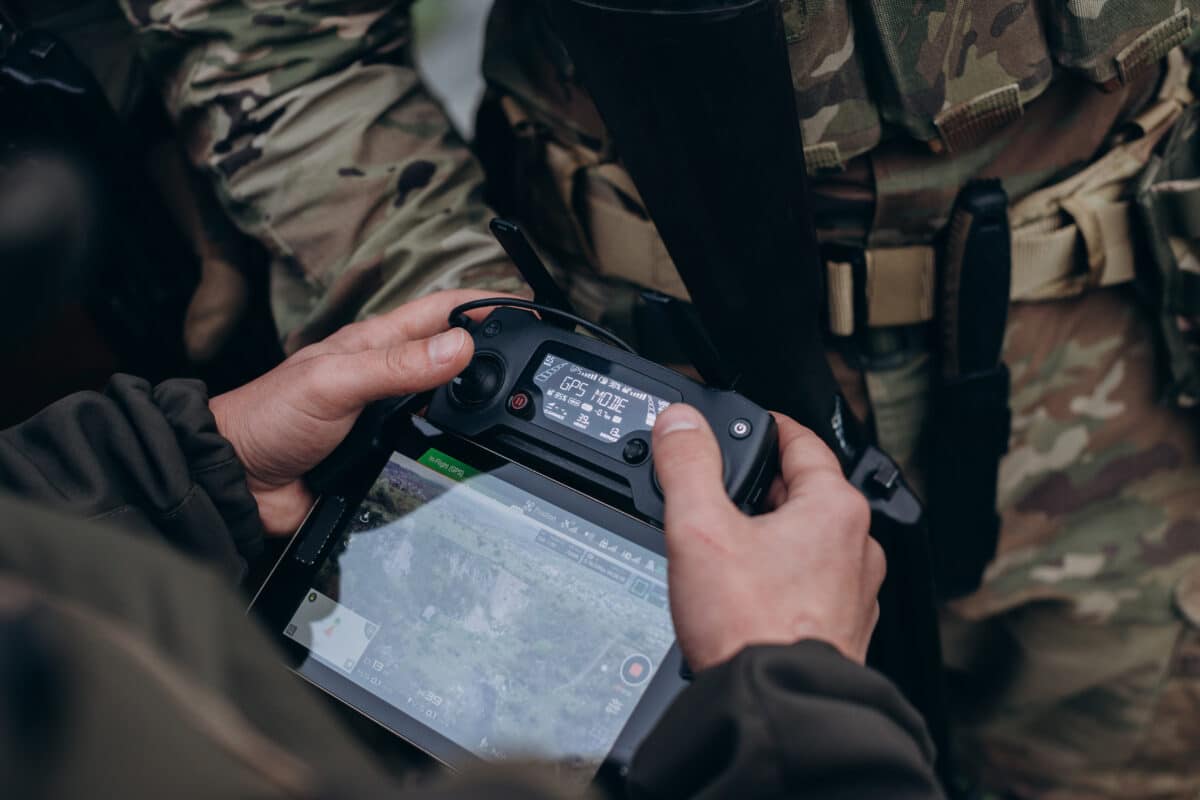
U.S. National Security Policymakers Are Learning (Some Of) The Wrong Lessons from Ukraine
02.28.25
“Since Russia’s invasion of Ukraine in February 2022, there has been a wave of speculation in U.S and other media about the rise of new technologies in warfare. However, many policymakers are drawing the wrong conclusions: that due to the rise of robotics, drones, and artificial intelligence, warfare will be radically smaller. Instead, the evidence from Ukraine points to the fact that while technological change is occurring, mass remains an essential component of modern warfare and U.S. national security policy needs to adjust accordingly.”
The U.S. at a Crossroads: A View from a Japanese Student
02.13.25
Japan is closely watching the early days of the Donald Trump presidency.
What challenges come with a more interdependent world?
What happens at the intersection of business and government?

How is technology changing the public sphere?
Social Innovation and Philanthropy
Can social innovation help solve public challenges?