
Democracy and Institutions
Latest Article

Modernizing Greece: Turning Digital Reform into Democratic Renewal
The far-reaching corruption scandal engulfing Greece’s agricultural subsidy system (OPEKEPE) has once again exposed deep institutional failures, but it also opens a crucial question: what can recent digital reforms tell us about the possibility of democratic renewal?Explore all Articles
filter by–Region
filter by–Country
search by–Keyword
Organizing for power: the new labor movement and big politics in 2020
02.27.20
Francis Garcia walked into work at the MGM Grand in Las Vegas one morning in late 2007. A migrant from Honduras, Garcia had crossed through Mexico after Hurricane Mitch devastated her country, leaving almost one million Hondurans homeless. She joined the Grand as a housekeeper earning $14.50 an hour; far more than she could expect […]

The Case For Incorporating Social Analysis Into Policy Design
02.24.20
Paul argues that policymakers need to move beyond numbers-driven, utilitarian logics of decision-making and incorporate a human-centered approach to policy-making. Drawing from Teo You Yenn’s seminal work on the need to understand issues like inequality as lived experiences rather than just statistical data, Paul considers the benefits of a social analysis approach and examines the ways in which it can be implemented in Singapore.

S3E4: (Th)interventions for (Th)inspiration? Policy Responses to the Rise of Pro-Anorexia Websites
02.13.20
Listen Here! We know about the dangers of the Dark Web, but what about the Thin Web? First Year Kennedy School Students Lucy O’Keeffe and Nagela Nukuna sit down with Andrea Alvarez Marin to discuss vulnerable corners of the internet where eating disorders such as Anorexia (“Ana”) and Bulimia (“Mia”) proliferate. Some of these “pro-Ana” […]
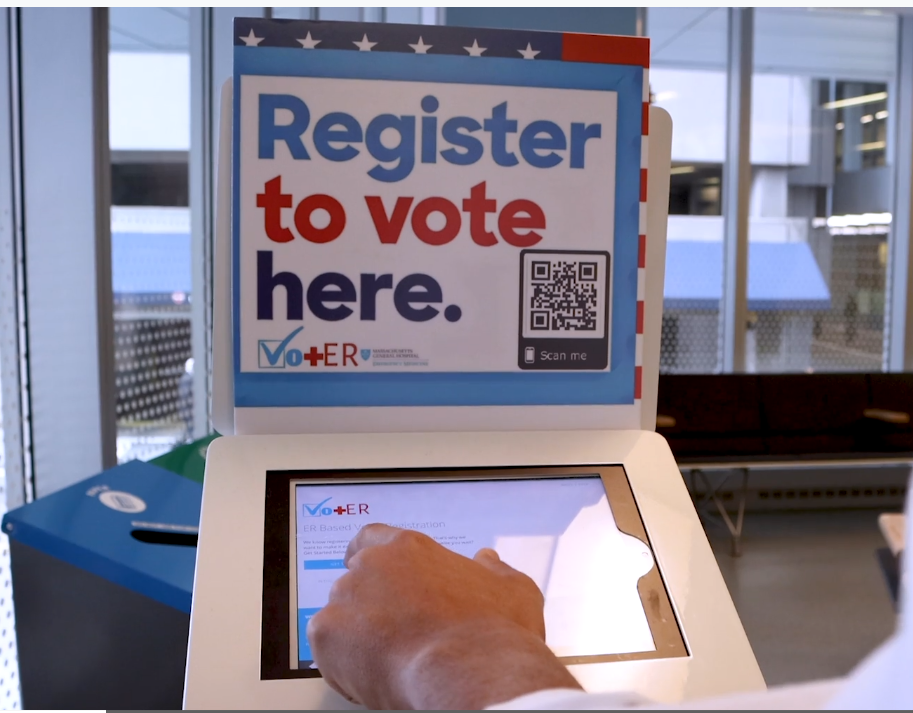
A Prescription for Change: Voter Registration in Emergency Rooms
02.13.20
Marginalized patient populations in the United States use emergency rooms at disproportionately higher rates than the average patient population. This high rate of utilization is due largely to a lack of accessible alternative options rather than an actual increased need of critical care. In other words, patients who are young, people of color, and have […]

Civil Society: A Key Player in the Global Fight Against Misinformation
02.7.20
Editor’s Note: Information for this article was obtained primarily from interviews by the authors. Names and identifying information have been withheld in some cases to protect the identity of the interviewees. In the aftermath of the 2016 US presidential election, reports of Russian interference and accusations of biased news coverage gave rise to a renewed […]

Coercion and Enticement: How the Indian Media Lost Its Soul to the BJP
02.6.20
Since the Bharatiya Janata Party (BJP) won the general elections in 2014, India’s media has precipitously fallen from grace. The media’s depreciation is intertwined with the rise of the BJP’s controversial Hindutva agenda. Hindutva, an ideology of the BJP and other right-wing groups in India, aims to establish Hindu hegemony in India. Under BJP rule, […]

Tibetan Strategies and Chinese Counter-Strategies, 1986-2012
02.2.20
This piece was published in the 29th print volume of the Asian American Policy Review. For the first time in decades, the movement had dealt a concrete, visible blow to China…The Tibet movement’s grassroots muscle and ability to generate negative publicity for its foes, posed a real threat to these companies’ brand, and influenced their decision-making. […]
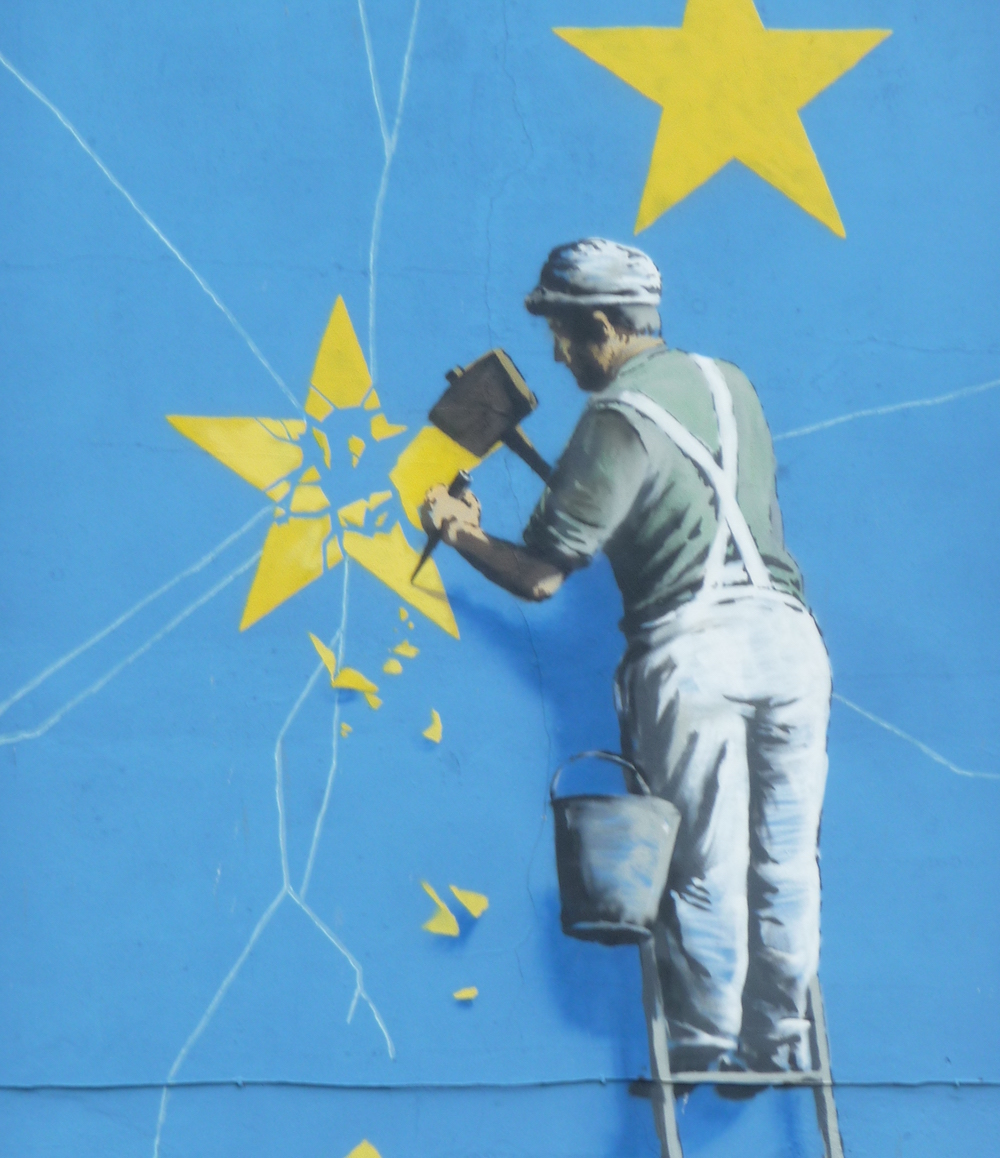
Referendums Are Dangerous for Democracy
01.28.20
On 23 June 2016, 33.6 million people and I stepped into polling booths to answer a yes-or-no question that would define the United Kingdom for generations.[1] According to the “Vote Leave” campaign, this was our opportunity to “take back control” and release the country from the unrelenting grip of unelected bureaucrats in Brussels.[2] God forbid, […]
Not So Plum: The Shortcomings of the Plum Book and Tracking Political Appointments
01.23.20
Introduction “Personnel is policy” was a popular motto in the Reagan administration. Today, the phrase continues to ring true as political appointments remain vacant and appointees are hired to run agencies that they once wanted to dismantle.[1],[2] Presidents have immense power to influence the policy-making process through their personnel choices. Most of the federal government’s […]

Past the Pilot Stage: Policy Makers Must Consider Impacts of Police Body-Worn Cameras beyond Accountability
01.21.20
In September 2013, attorney Scott Greenwood of the American Civil Liberties Union (ACLU) said of police use of body-worn cameras, “You don’t want to give officers a list and say, ‘Only record the following 10 types of situations.’ You want officers to record all the situations, so when a situation does go south, there’s an […]

Groundbreaking D.C. Statehood Congressional Hearing
01.21.20
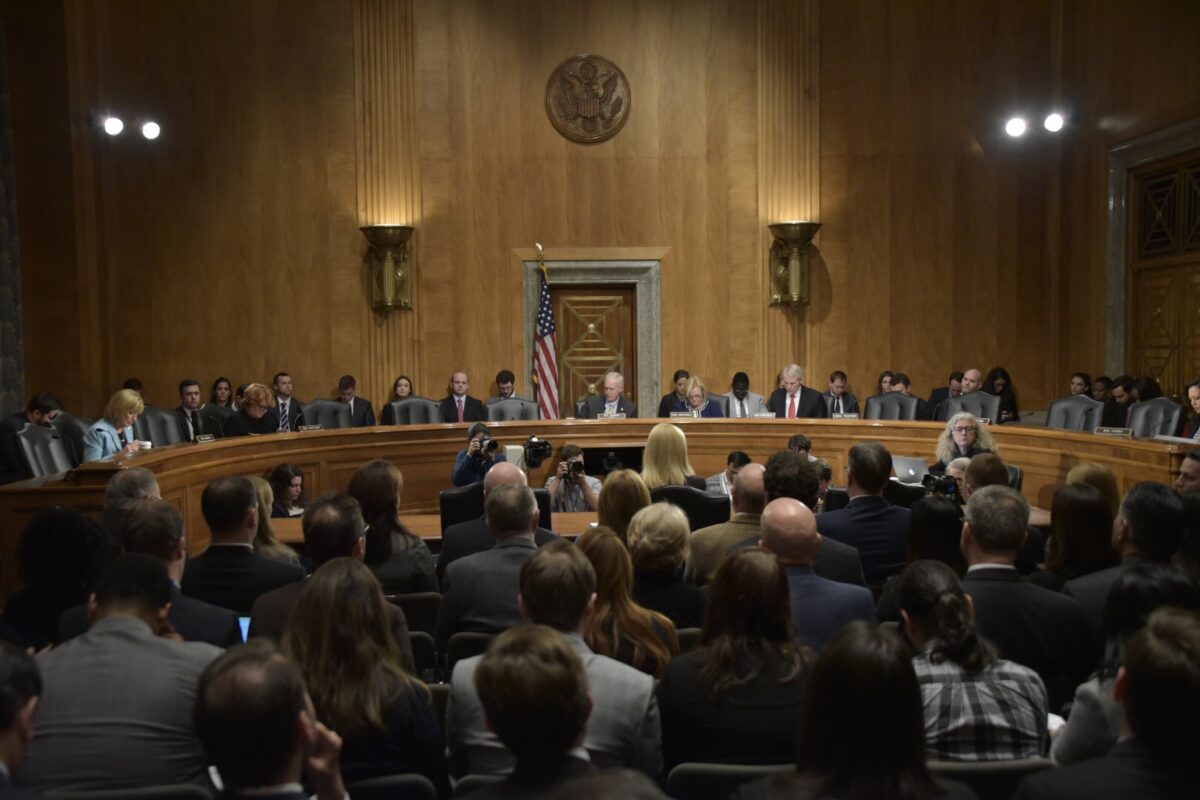
For the first time in 25 years, the U.S. House of Representatives held a hearing on D.C. statehood.[1] Though over 700,000 people live in our nation’s capital, D.C. is represented by just one non-voting delegate in the House and no one in the Senate.[2][3] On September 19, 2019, months after the Democratic Party gained control […]
Revamping the jury duty system: updating jury duty for a modern, diverse America
01.17.20
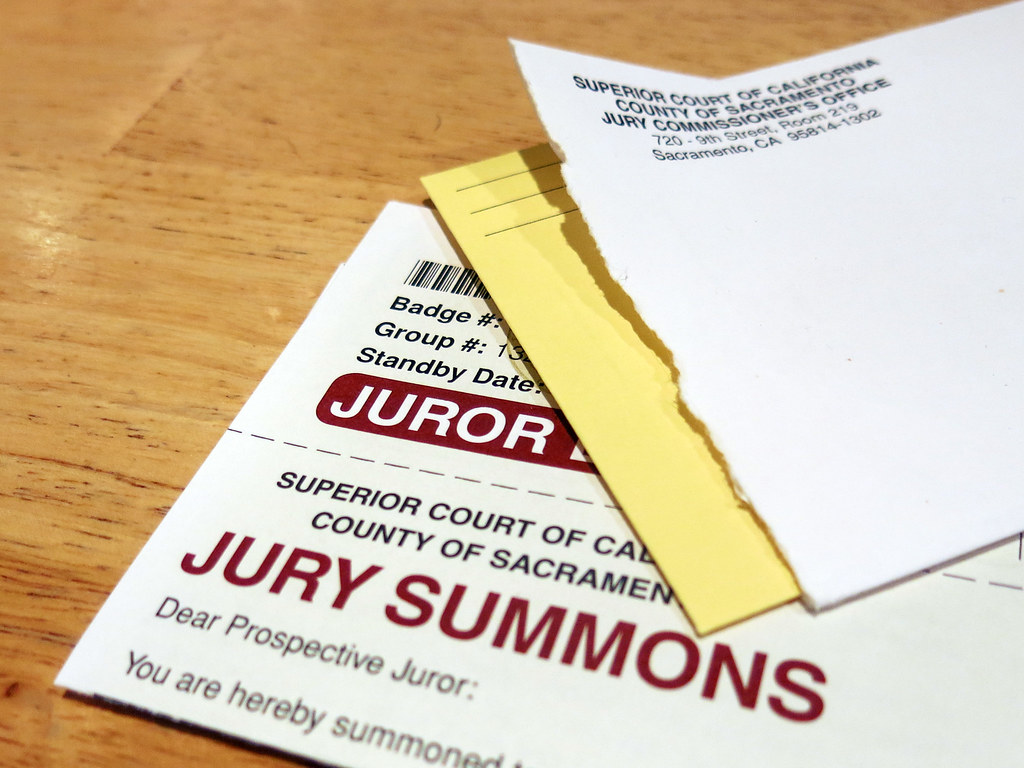
An exception for students “freed” me from jury duty last year. Before my exception was confirmed though, I did some research in preparation of fulfilling this so-called civic duty. I learned three key lessons: (1) the jury wheel (list of all potential jurors) has as many representative gaps as a block of swiss cheese; (2) […]