Media
How does a fast-changing media landscape shape public perceptions and policy outcomes? Can public policy regulate disinformation in the United States and globally?
Latest Article
Leveling the Airwaves: FCC Reform and the Fight for Electoral Fairness
By pegging advertising costs to the least expensive market, the national Lowest Unit Rate ensures every candidate can afford to reach voters across early states without excessive financial barriers. This reform removes the advantage wealthy or well-funded candidates currently hold, creating a more inclusive primary competition.Explore all Articles
filter by–Region
filter by–Country
search by–Keyword
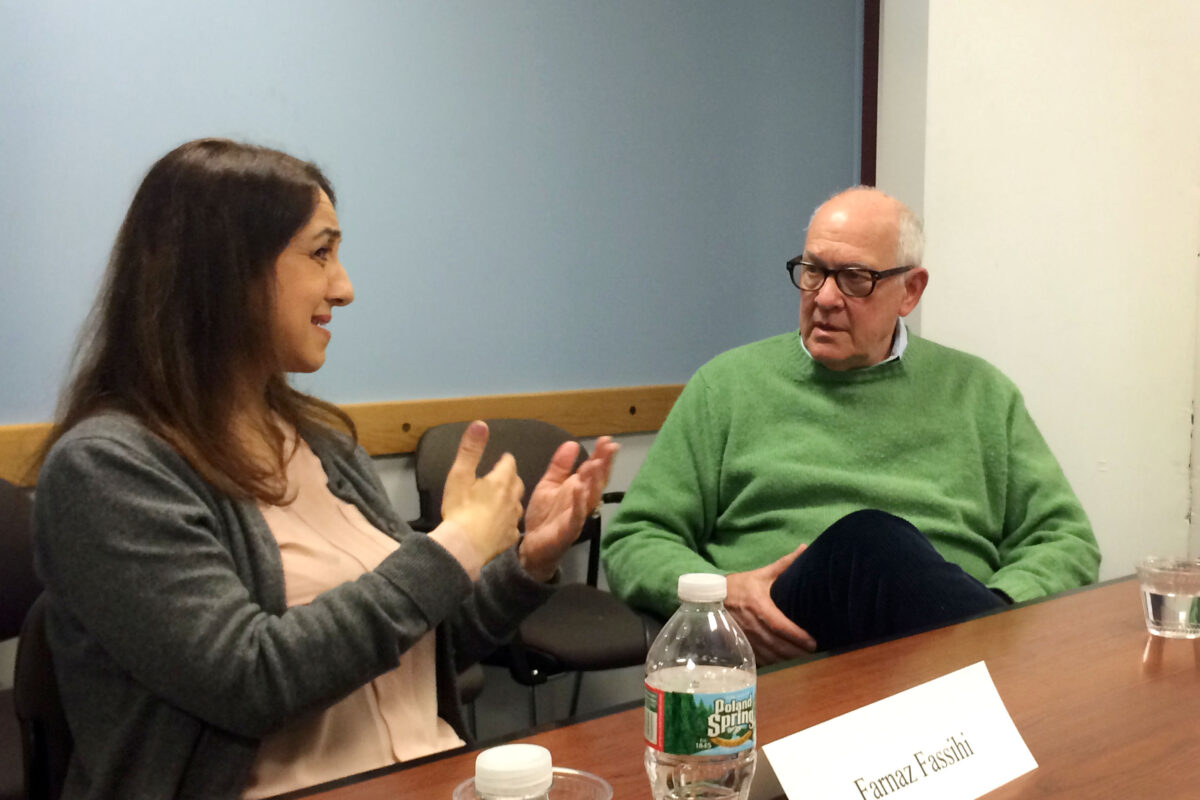
Changing Coverage in the Middle East: One Journalist’s Perspective
03.29.15
Covering the Middle East has fundamentally changed in the last decade, said Farnaz Fassihi, senior Middle East correspondent for the Wall Street Journal at a Shorenstein Center event. Increased security threats toward journalists in the Middle East and the quick turnaround times required for digital publishing have made it more difficult for Middle East correspondents […]

The Return of the Crypto Wars
03.12.15
BY HUGO ZYLBERBERG General Keith Alexander maintained in a 2013 speech that, as director of the National Security Agency (NSA) at the time, he was doing “everything [he] could to protect civil liberties and privacy,” then added a warning: “Everyone also understands that if we give up a capability that is critical to the defense […]
Comcast, Time Warner, Netflix & You: The Policy Questions Hidden in Your Cable Bill
03.13.14
BY DENISE LINN Recently, while we’ve all been busy binge-watching House of Cards, our cable companies and online content providers have been splashed across the headlines. The announced $45 billion Comcast-Time Warner Cable merger and the Netflix-Comcast deal have flooded the Internet with articles about pricing, speed, and customer satisfaction. While sources have speculated about […]
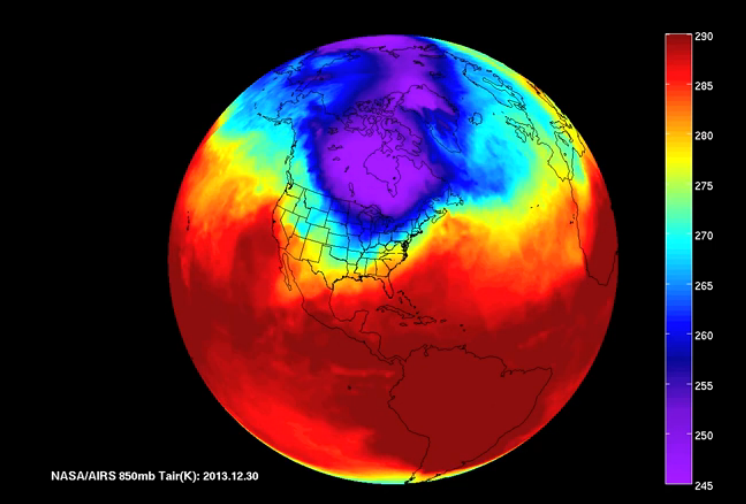
Lost in the Snow: When The Media Met the Polar Vortex
03.10.14
Climate change is transforming the circulation patterns which bring us our weather, but do journalists have enough scientific understanding to tell us what’s going on? BY MEGAN ALBON 2014 was the year a polar vortex came to town, wreaking wintery havoc for months on end. Reporters were quickly on its tail. “Trapped in a ‘polar […]
Digital Mobs & Outrage Generation
02.10.14
BY CLAIRE LEHMANN The political divide between conservatives and liberals is growing increasingly bitter. Each side thinks that the other is evil. At the same time, a new currency is emerging within the eco-chambers of social media. It is the currency of outrage, and it is eroding our ability to listen to one another. Those […]

America, Decoupled: Fighting the Trend
10.18.13
Note: This is part 2 of a 2 part series. Read Brian’s first post here. Photo credit: Michael S. Williamson (source here). BY BRIAN CHIGLINSKY Yesterday, we introduced the concept of the Great Decoupling – the idea that middle class income growth is no longer connected to the growth of the broader American economy. Today, we look […]
Parsing the Foreign Policy Experts: Five Tips for Separating the Wonks from the Wannabes
10.16.13
BY JONATHAN HILLMAN Would you ask an ophthalmologist to remove your gall bladder? Would you pay a traffic cop for legal advice? Probably not — unless you happen to be that dashing, danger-seeking Dos Equis guy. Yet when it comes to U.S. foreign policy, Americans seem content accepting counsel from dubious sources. Who can blame […]
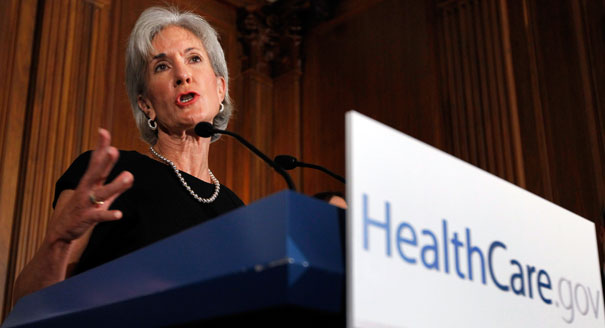
Interview: Sarah Kliff on Covering Health Reform
09.11.13
BY BRIAN CHIGLINSKY On the bright, sunny morning of Thursday, July 28, 2012, a group of reporters and interns could be seen in their best work outfits and most comfortable running shoes sprinting out of the regal, marble halls of the Supreme Court to the legions of cameras situated just beyond the front steps. In […]

Toward an Empirical Analysis of Hate Speech on Commercial Talk Radio
09.10.13
Abstract: This pilot study uses qualitative content analysis to examine hate speech that targets vulnerable groups, including ethnic, racial, religious, and/or sexual minorities, in commercial broadcasting. The study quantifies a recurring rhetorical pattern for targeting specific vulnerable groups through the systematic use of unsubstantiated claims, divisive language, and nativist code words. For example, Latino immigrants […]

The Problem of Abundant Content — Or Why There Should Be Simpsons Clips on YouTube
12.10.12
BY ALEX REMINGTON In the English-speaking world, I have seen it written, the two most widely quoted sources are the King James Bible and the collected works of William Shakespeare, two Elizabethan corpora that together helped crystallize English into its present form. In the past four hundred years, no other works have had anything close […]
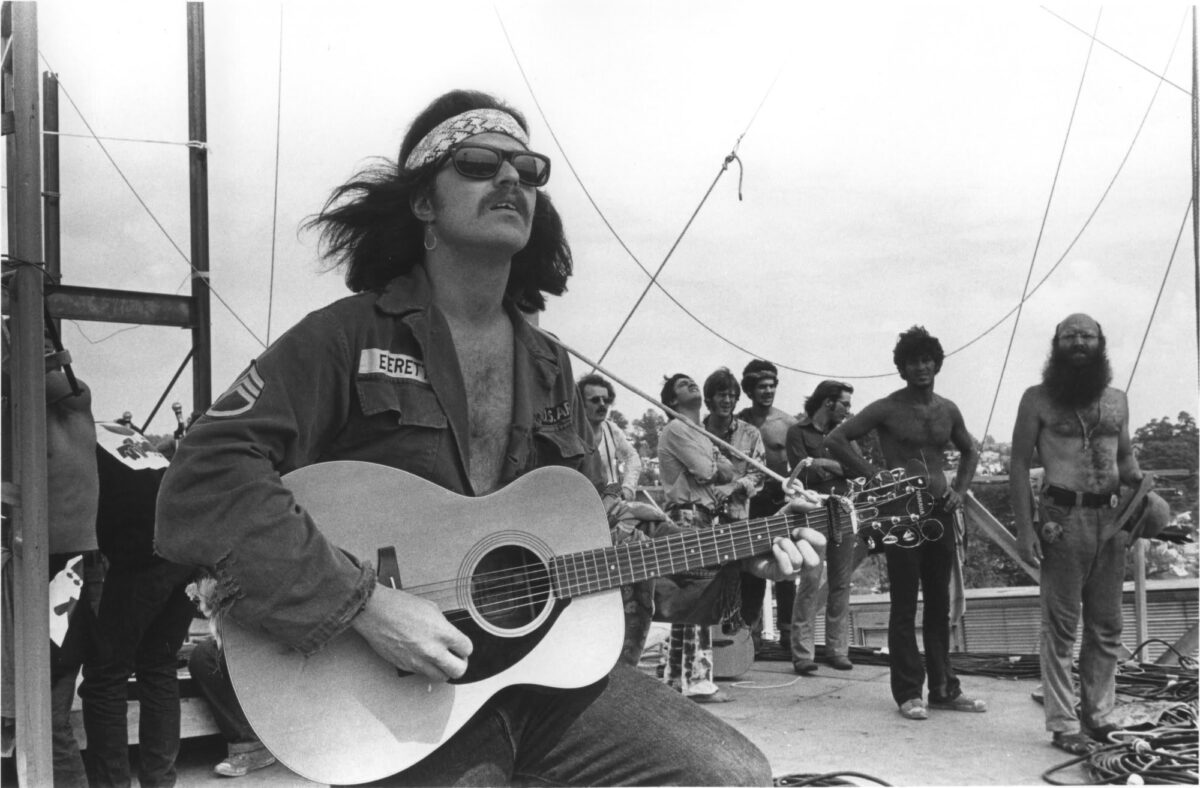
The Revolution Will Not Be Available on iTunes
04.1.12
BY SEAN KATES The millennium could have started better for Americans. We saw the nation voluntarily enter two wars costly in terms both monetary and human. An ineffective government response exacerbated one environmental disaster, while private cupidity and stupidity caused another. Promises of universal home ownership crashed down around us, aided by slick financial creations […]
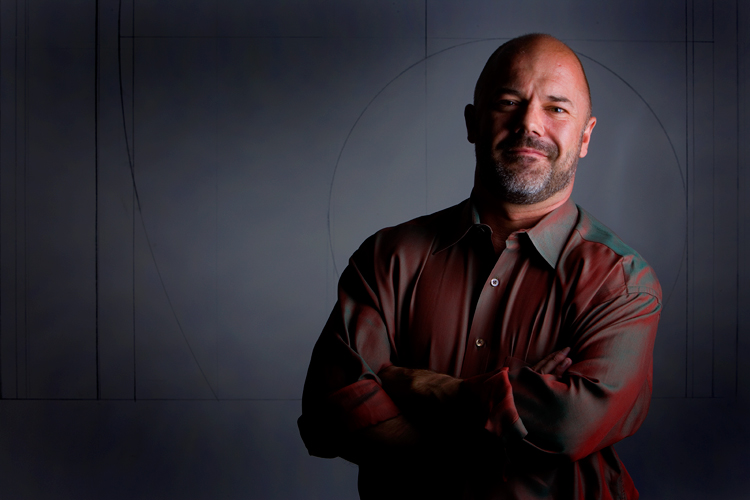
Interview: Andrew Sullivan on the Future of Journalism
04.1.12
BY SACHA FEINMAN Andrew Sullivan is a journalist and political commentator. A former editor of the New Republic, he is a widely published author known for his irreverent and fiery political commentary, showcased in his blog, the Dish. He is a graduate of the John F. Kennedy School of Government at Harvard University. KSR The […]
How do we create strong, healthy, and just societies?

Public Leadership and Management
What will it take to restore public trust in leaders?
How is technology changing the public sphere?
How can we strengthen democracies and civic engagement?