

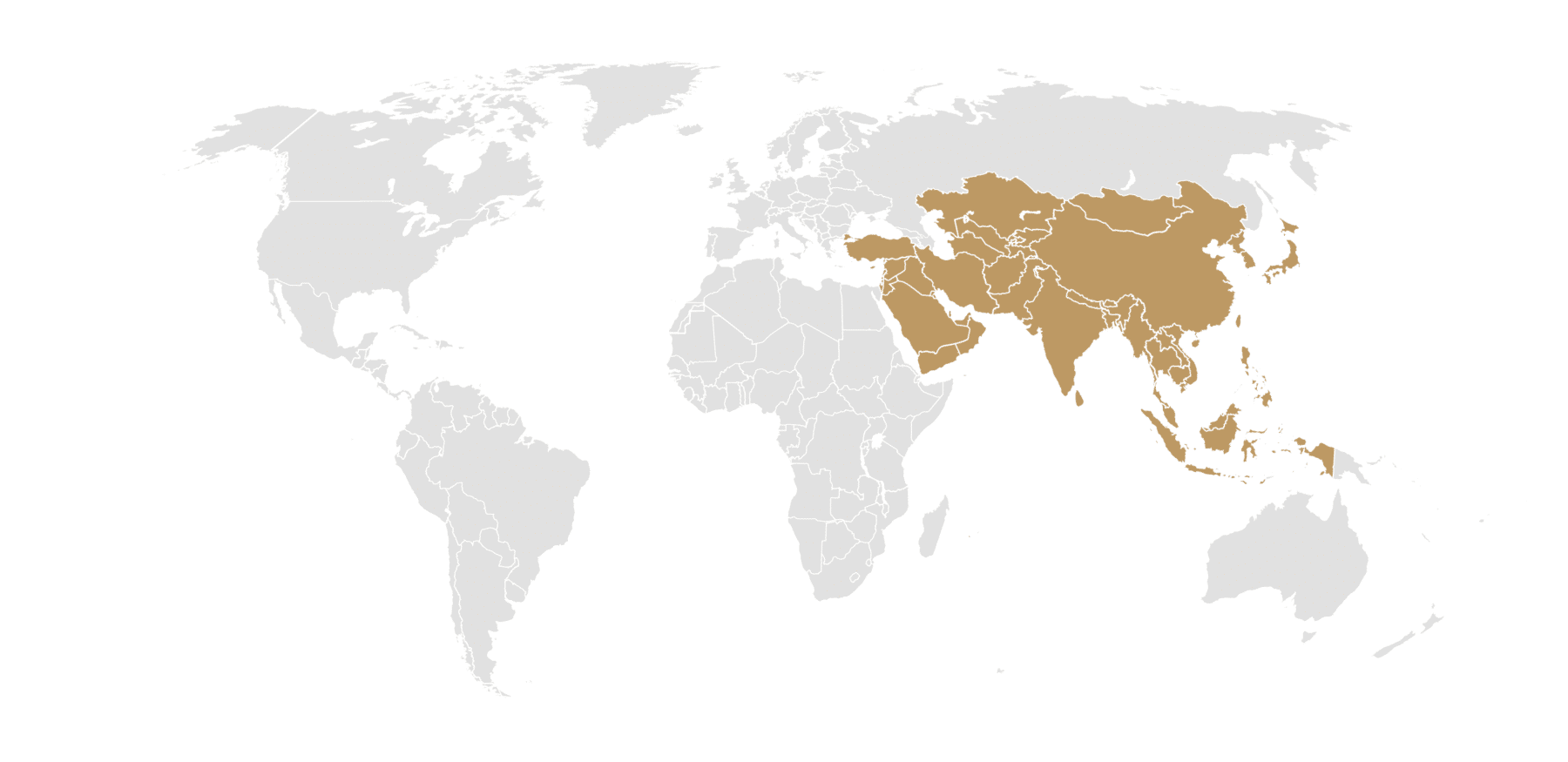
Asia
The UN-defined Asia region is the second largest regional group. Its territory is composed of much of the continent of Asia and the Middle East with few exceptions.
Explore all Articles
filter by–Topic
filter by–Country
search by–Keyword

Interview with Ambassador Edward Djerejian
02.23.23
Senior Fellow at HKS Belfer Center’s MEI, Ambassador Djerejian sat down with JMEPP editors Nick Vargish and Christian Allard on February 23, 2023 to discuss pressing issues in the Arab World and the prospects for the Israeli-Palestinian peace process.
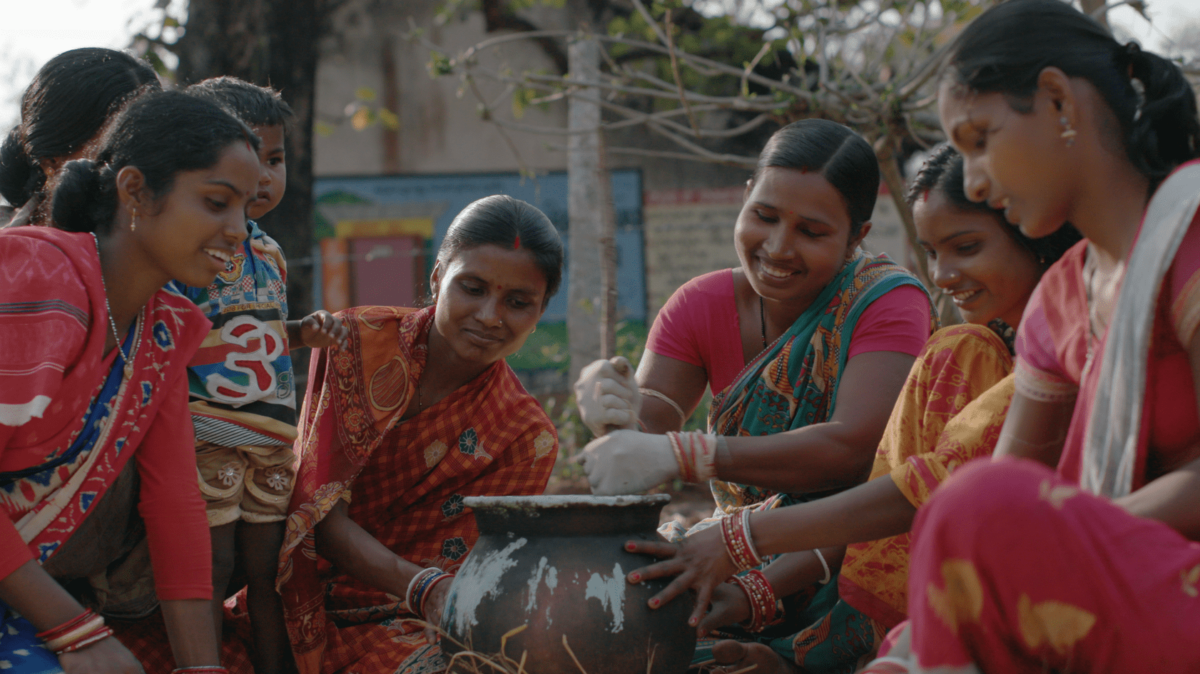
Can social movements improve female nutrition?
02.10.23
Introduction Despite economic progress in South Asia, female undernutrition continues to be a significant challenge in the region. This paper focusses on nutrition-focussed social movements initiated by development programming and explores whether such social movements can help improve female nutrition across Low-and-Middle-Income Countries (LMICs) in this region. The first section provides a brief background to […]

The Saudi Form of Democracy: How Women Got to Drive
02.5.23
Introduction To what extent are state-led social interventions for women authoritarian? Western literature on the Middle East, and in particular on Saudi Arabia, suggests decision-making is centralized and a result of enlightened despots such Mohammed Bin Salman (MBS). But this approach misses upward dialogue initiated by citizenry to communicate desired rights for women to leaderships. […]

A Leap Across the Rubicon: The Quest to Bridge the IP-AI Nexus in Singapore
11.11.22
AI is poised to dominate the economy of the future, but questions remain about how IP law will adapt to this new environment. As AI systems grow creative and make original inventions independent of the human mind, should the law accord AI inventions the same IP rights as those made by human? Examining cutting-edge legal developments in this field, Marcus Ho calls for Singapore to recognize AI as inventors to promote technological innovation and develop a robust AI eco-system that will drive the digital economy of the future.
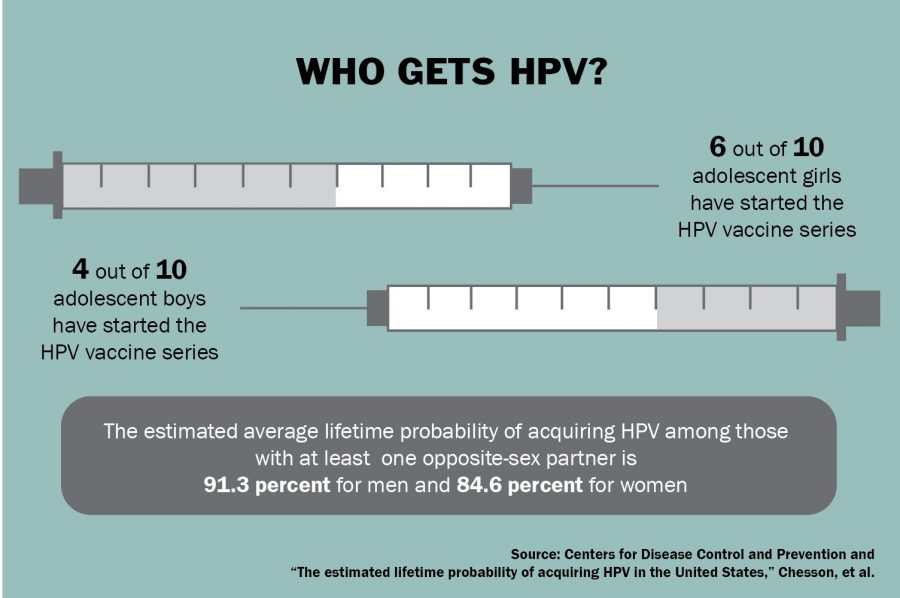
HPV is Not Just a “Women’s Disease”: Men Should get Vaccinated too
11.1.22
HPV has traditionally been framed as a disease that largely affects females, but should males get vaccinated as well? Ng Qi Siang argues that gender-neutral vaccination is more effective than female-only vaccination in terms of cost-efficiency and containing viral spread. He proposes that the government reframe HPV as a disease that affects all genders and move towards a gender-neutral HPV vaccination policy in the near future.
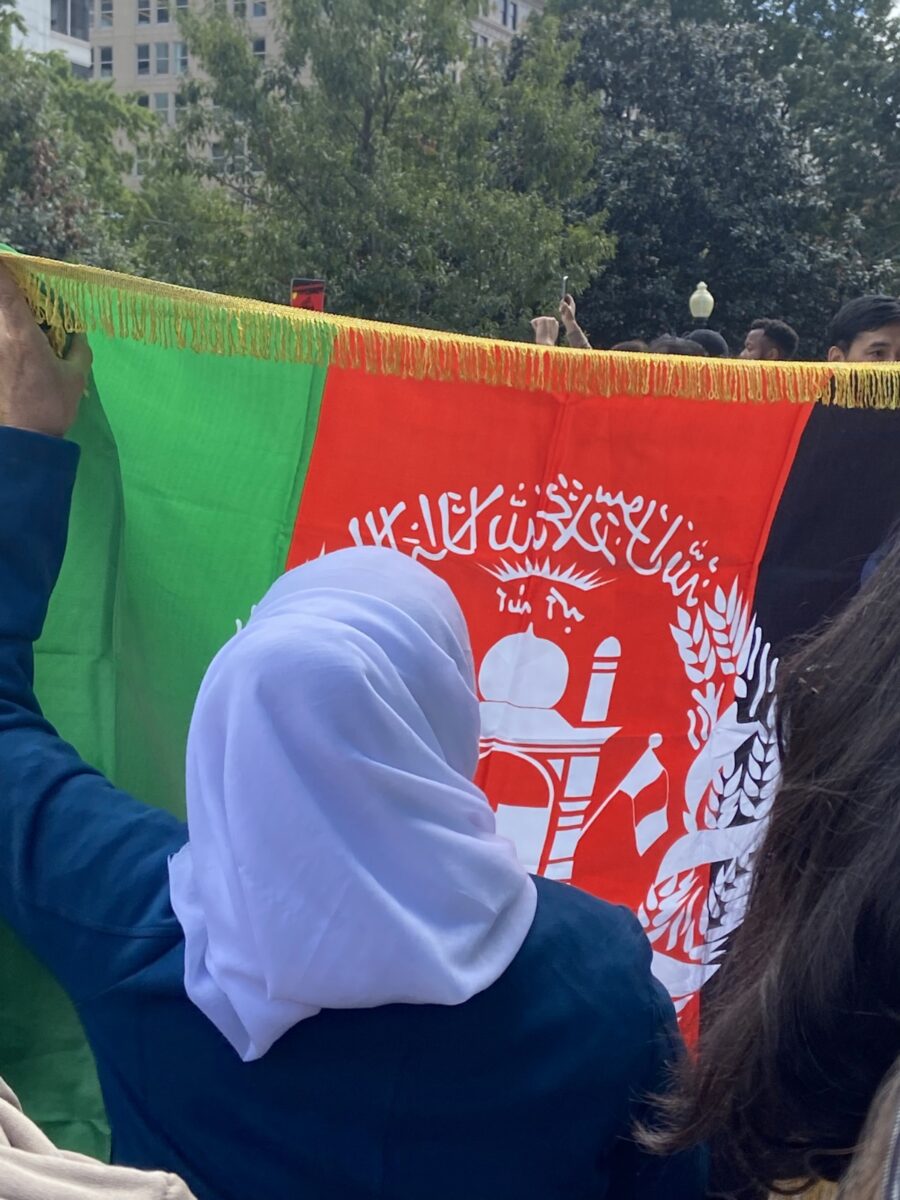
Genocide and Hazara Persecution in Afghanistan
10.31.22
Editors Note Hazara persecution in Afghanistan requires nearby countries, in the Middle East and beyond, to enhance their support in streamlining refugees’ access to safety. Despite the increased proliferation of violence against the minority community, several statistics suggest that Afghanistan’s neighbors are restricting movement across borders. In November 2021 – IOM announced that over one million Afghans […]
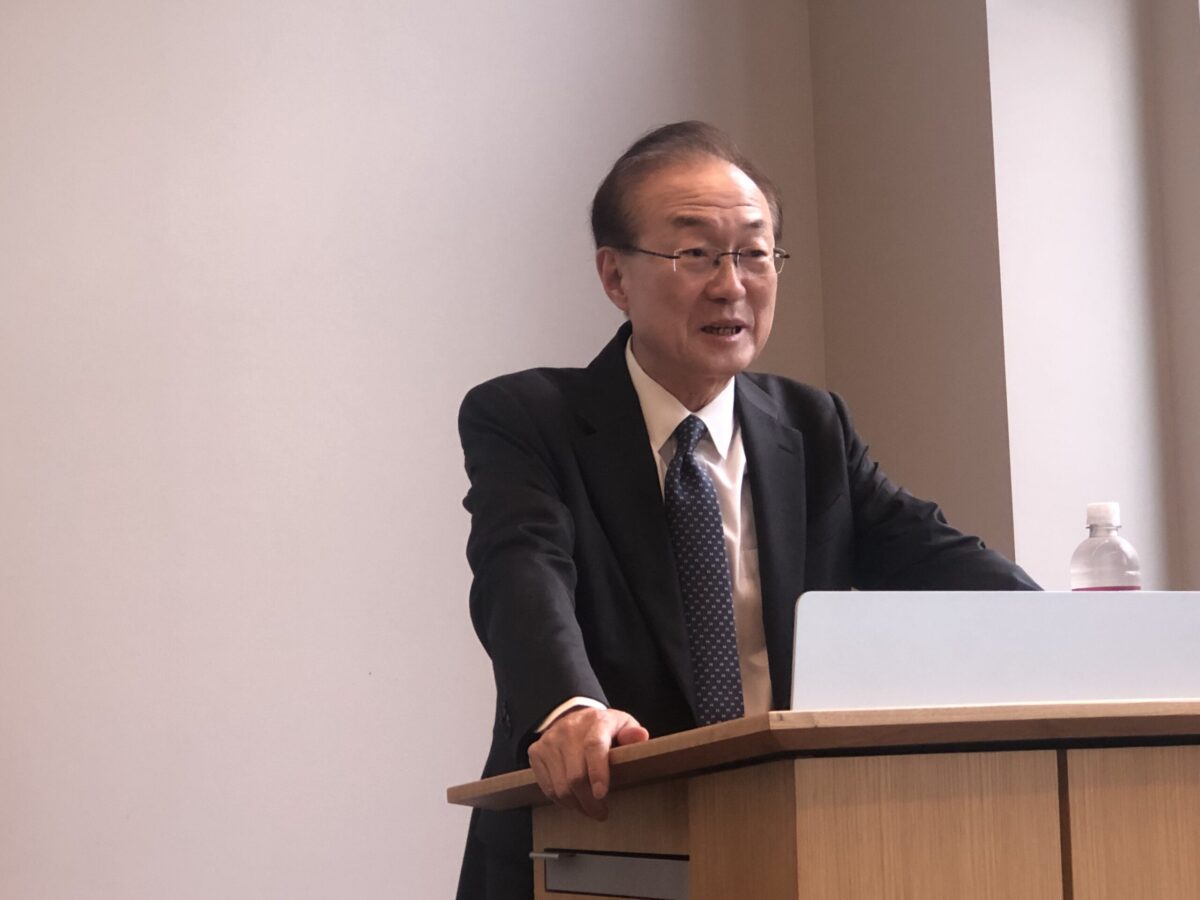
Former South Korean trade minister urges African countries to focus on exports
10.19.22
Former South Korean minister of trade, Dr. Taeho Bark has encouraged African countries to learn from South Korea by focusing on exports. Dr. Bark, a senior visiting scholar, Korea project at Harvard Kennedy School’s Belfar Center stated this during a lecture on South Korea’s new external economic strategies at the Kennedy School. “At beginning of […]

A Primer on Singapore’s Forthcoming Constitutional Amendment to “Protect” Marriage
09.15.22
While the government has announced that it will repeal Section 377A of the Penal Code, it has also sought to protect the definition of marriage from constitutional challenge. Lawyer and activist Daryl Yang explains what the resulting constitutional amendment may look like, as well as what it means to the LGBTQ+ community in Singapore.
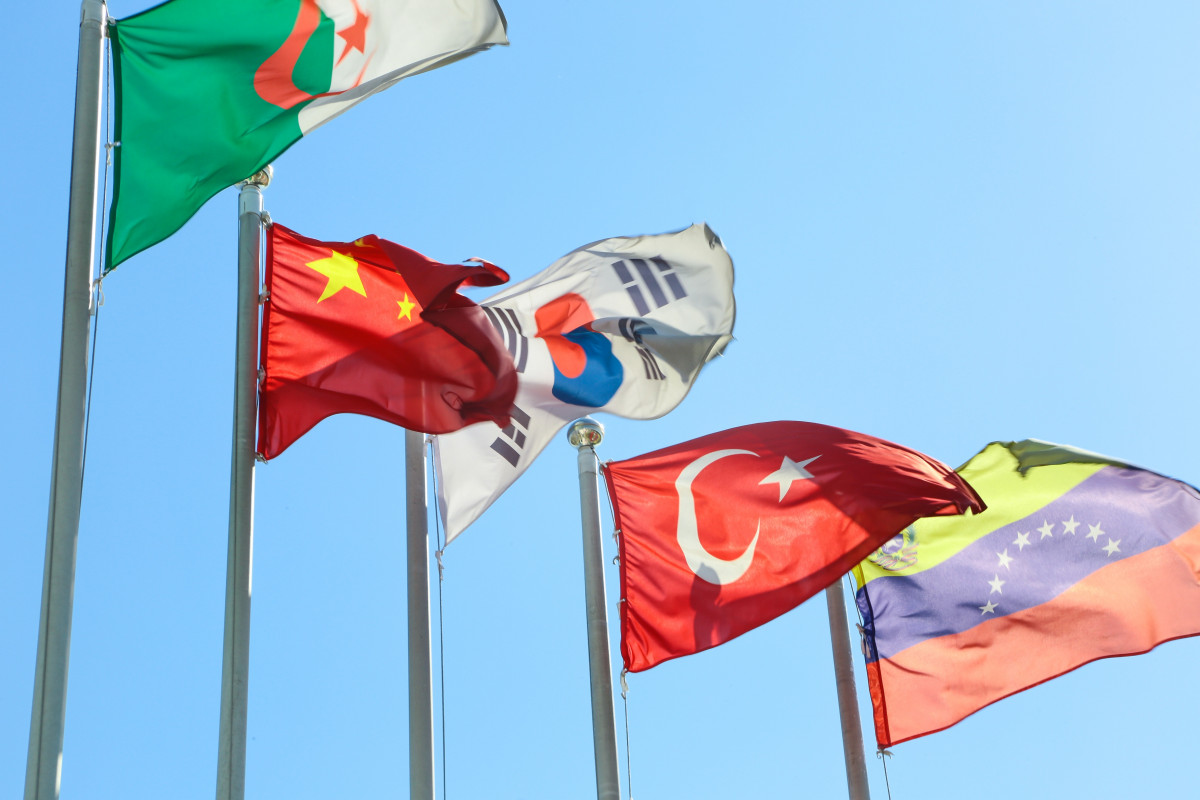
Intent to Destroy: Reproductive Violence against Uyghurs as a Weapon of Genocide in China
07.5.22
Background China is a multi-ethnic country comprising 56 ethnic groups, with the predominant religion being Buddhism. The Han ethnic majority group represents 91.5 percent of the population, while 55 ethnic minority groups account for 8.5 percent.[i] Uyghur Muslims represent 0.31 percent of China’s population. The Xinjiang Uyghur Autonomous Region, located in China’s northwest, is the […]

Reasons to Doubt the “End of Streaming” in Singapore
07.1.22
Will the introduction of Full Subject-Based Banding (FSBB) eliminate streaming in Singaporean schools? Cameron Kheng argues that the policy does not succeed in doing so, risking many of the same inequalities that a system of streaming had been criticized for perpetuating. He identifies ways to improve FSBB, reflecting on how to push the policy beyond its underlying logic of economic pragmatism.

Chinese Strategy Toward the Middle East: China as a Possible Mediator to End the Israeli-Palestinian Conflict?
06.22.22
After 1979, China’s Middle East policy has been less “one-sided” and more supportive of parties seeking a peaceful solution to the Palestine-Israel conflict. An Israeli-Palestinian peace accord is China’s top objective.

Co-owning Care Work: Policy for Parity
06.20.22
For every 5 hours the average Indian woman spends on unpaid care work in a day, a man spends half an hour—a ratio over three times the global average.[i] Changing this ratio can dismantle entrenched gender roles and arrest the declining participation of women in India’s paid workforce. Alarmingly, between 2006 and 2021, India’s female […]