

Asia
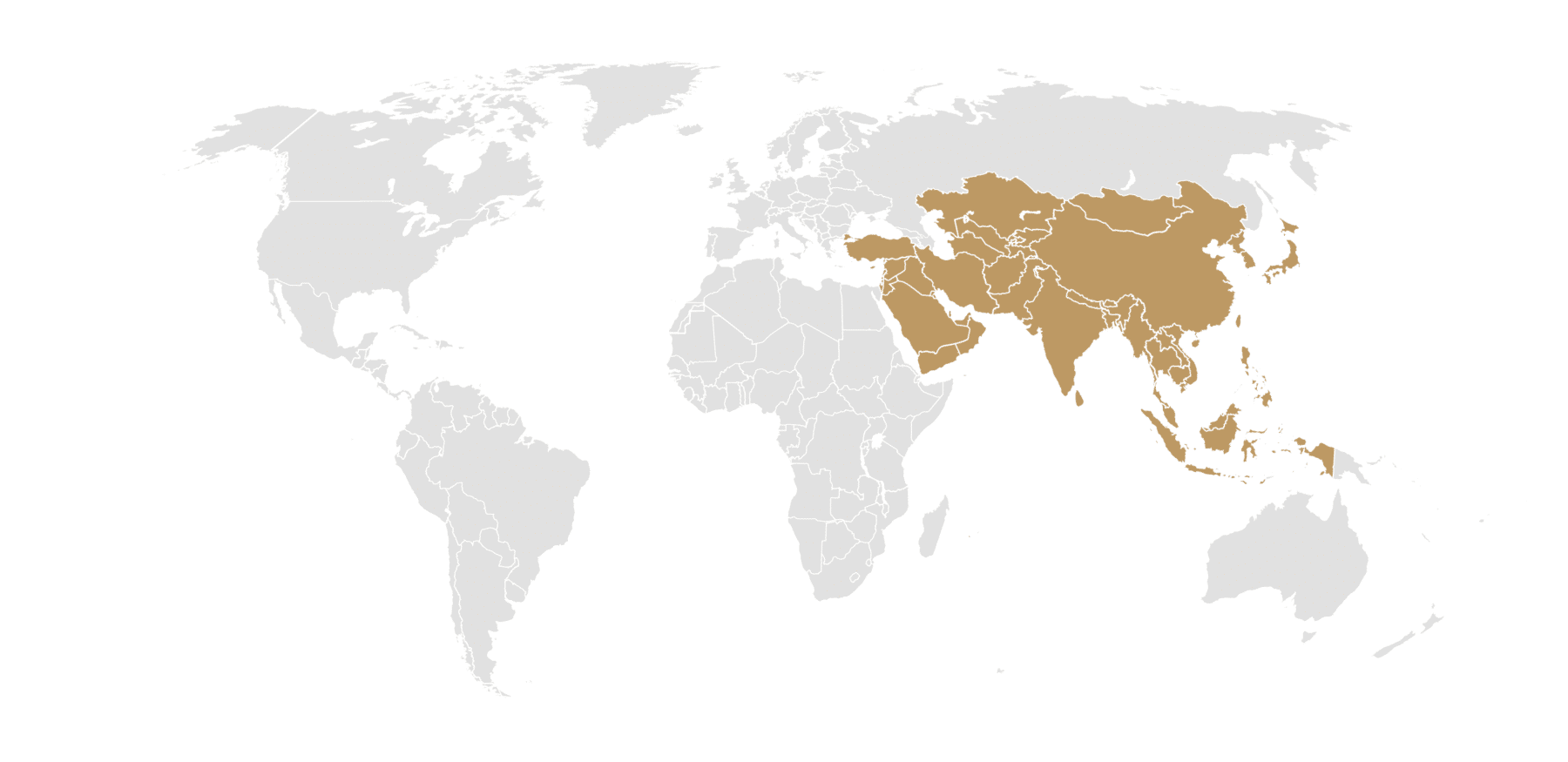
The UN-defined Asia region is the second largest regional group. Its territory is composed of much of the continent of Asia and the Middle East with few exceptions.
Explore all Articles
filter by–Topic
filter by–Country
search by–Keyword
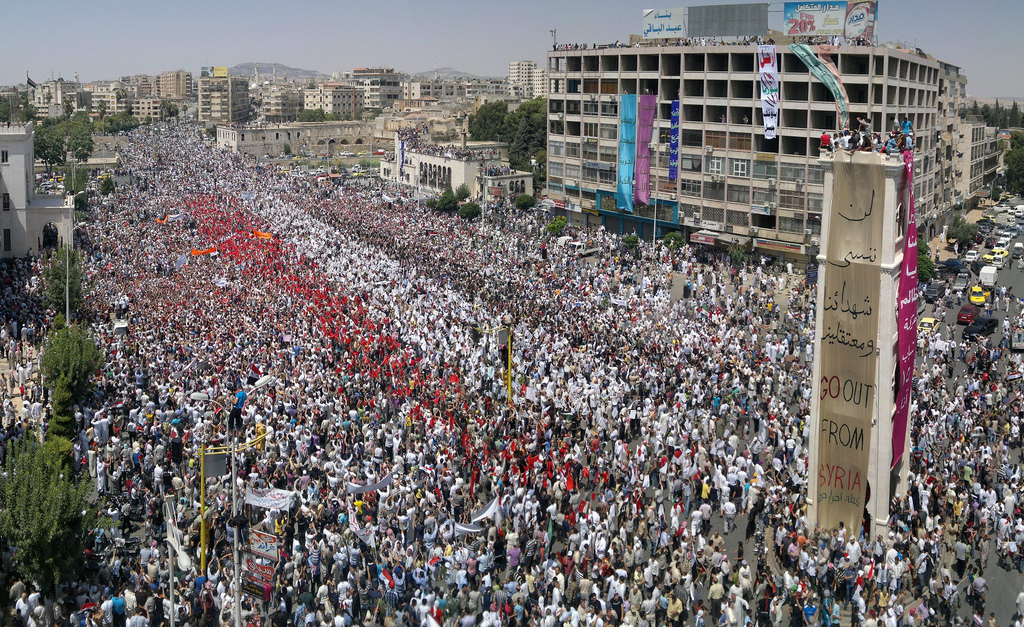
Fractured but not forgotten: remembering the hopeful roots of the Syrian conflict
11.16.17
On November 10, panelists at the Arab Conference at Harvard assessed the history and path forward for the Syrian conflict.
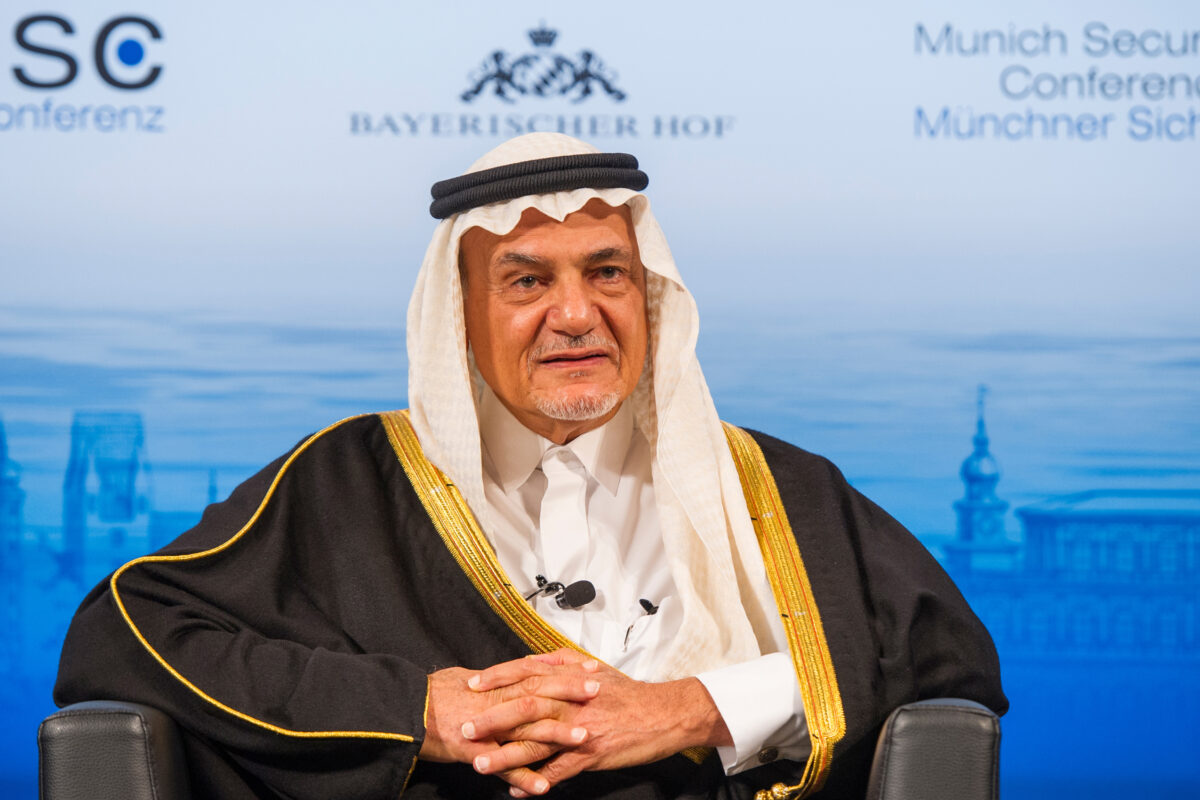
Prince Turki Al Faisal tries to project Saudi unity during a time of upheaval
11.15.17
Prince Turki al Faisal spoke at the Arab Conference at Harvard on November 10th, insisting that Saudi Arabia stood united, even during a time of major political upheavals in the kingdom.

Breaking the silence on LGBTQ rights in the Middle East and North Africa
11.15.17
A historic first: the first ever panel on LGBTQ rights in the Middle East and North Africa at the Arab Conference at Harvard.
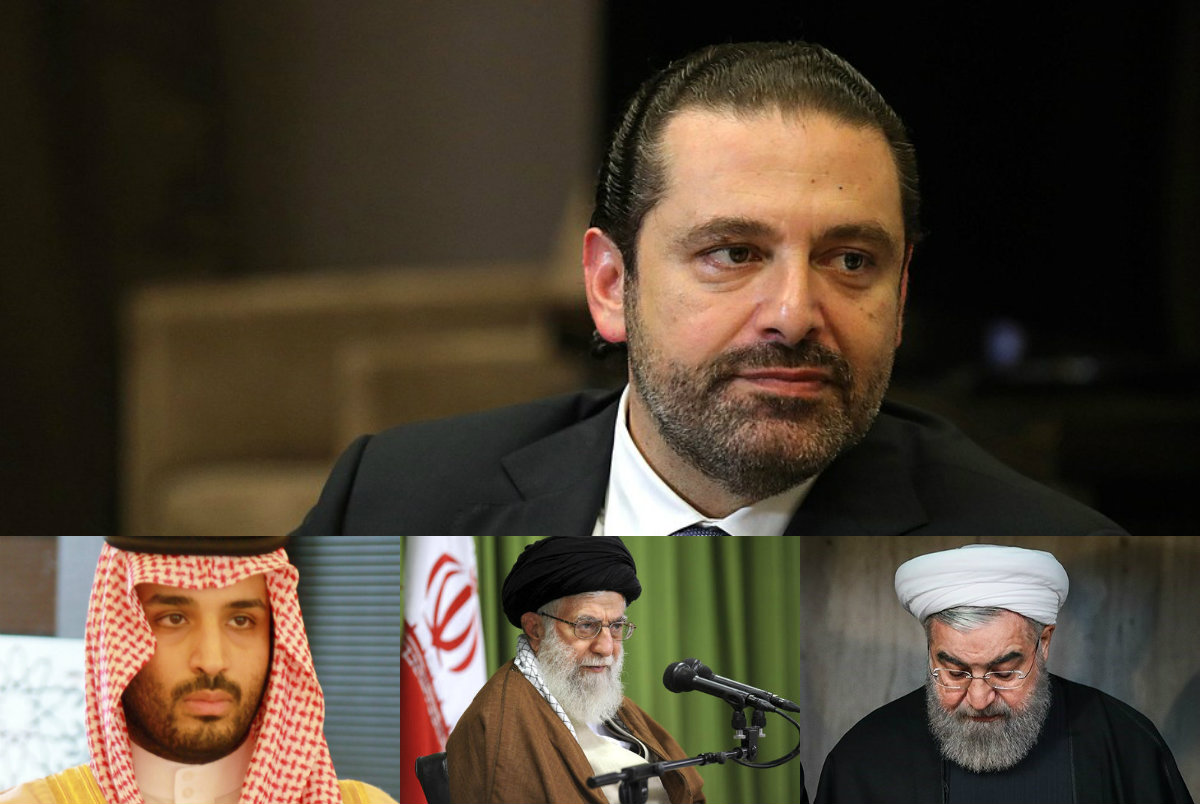
Hariri’s resignation adds to Saudi missteps in Lebanon
11.13.17
What may have been a political strategy on the part of the Saudi regime may have cost them enormous amounts of political leverage in Lebanon.

Podcast: Saudi’s future investment initiative and the Balfour Declaration’s centennial anniversary
11.8.17
Middle East Weekly, JMEPP’s news podcast, goes behind the headlines on the region, explaining and analyzing the most pressing issues of the week.

Do Pineapples Grow on Trees? Young People and Farming in Thailand, Uganda, and South Sudan
10.31.17
In recent years, the first thing that normally comes to mind when talking about food crises is climate change. Indeed, “given our failure to act on greenhouse gases,” as Paul Krugman has warned, “there will be much more, and much worse, to come.”[1] But there is another worrying trend in the disruption of food production. […]
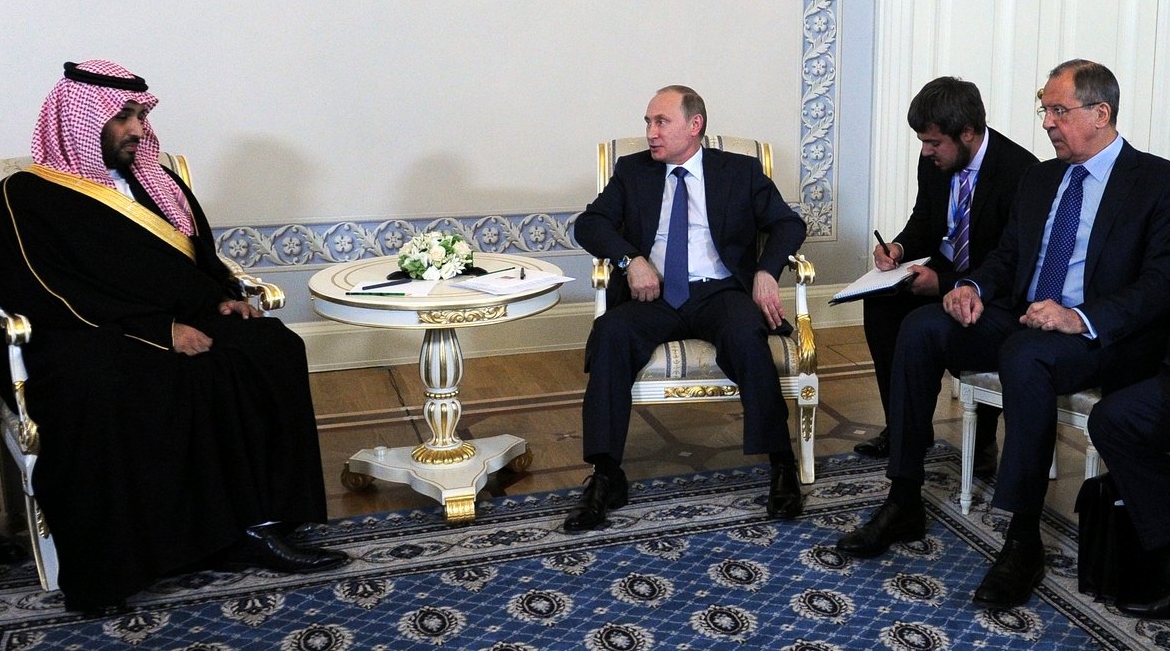
The opportunities of uncertainty: the politics of Saudi succession
10.26.17
The rise of Mohammad bin Salman raises the question of Saudi Arabia’s future relationships with the US and Russia.
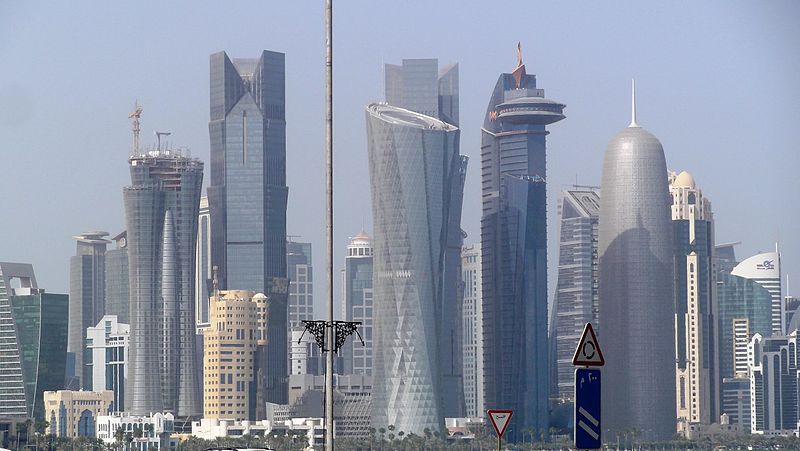
Behind and beyond the Gulf crisis: The power struggle underlying the regional tensions
10.19.17
Head of the Middle East and North Africa Programme at Chatham House, Lina Khatib, addresses the power dynamics behind the crisis in the Gulf, its motivations, and implications for conflicts in the region.
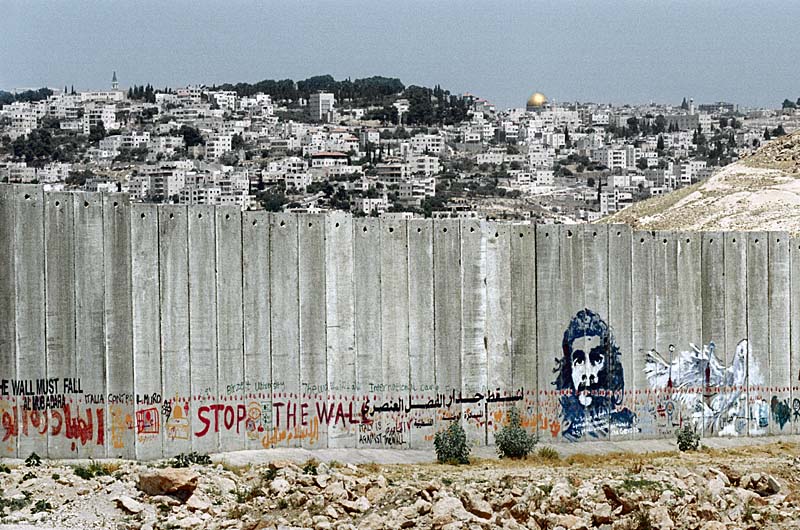
Regulation and resilience: The protection of property rights in Palestinian refugee communities
10.16.17
While members of the Palestinian diaspora occupy a precarious social position and are often subject to successive removals from new homes, refugees have nonetheless put down roots and sought to secure their new homes in a number of ways.
Dr. Nadya Hajj, Assistant Professor of Political Science at Wellesley College, shows how this is the case.
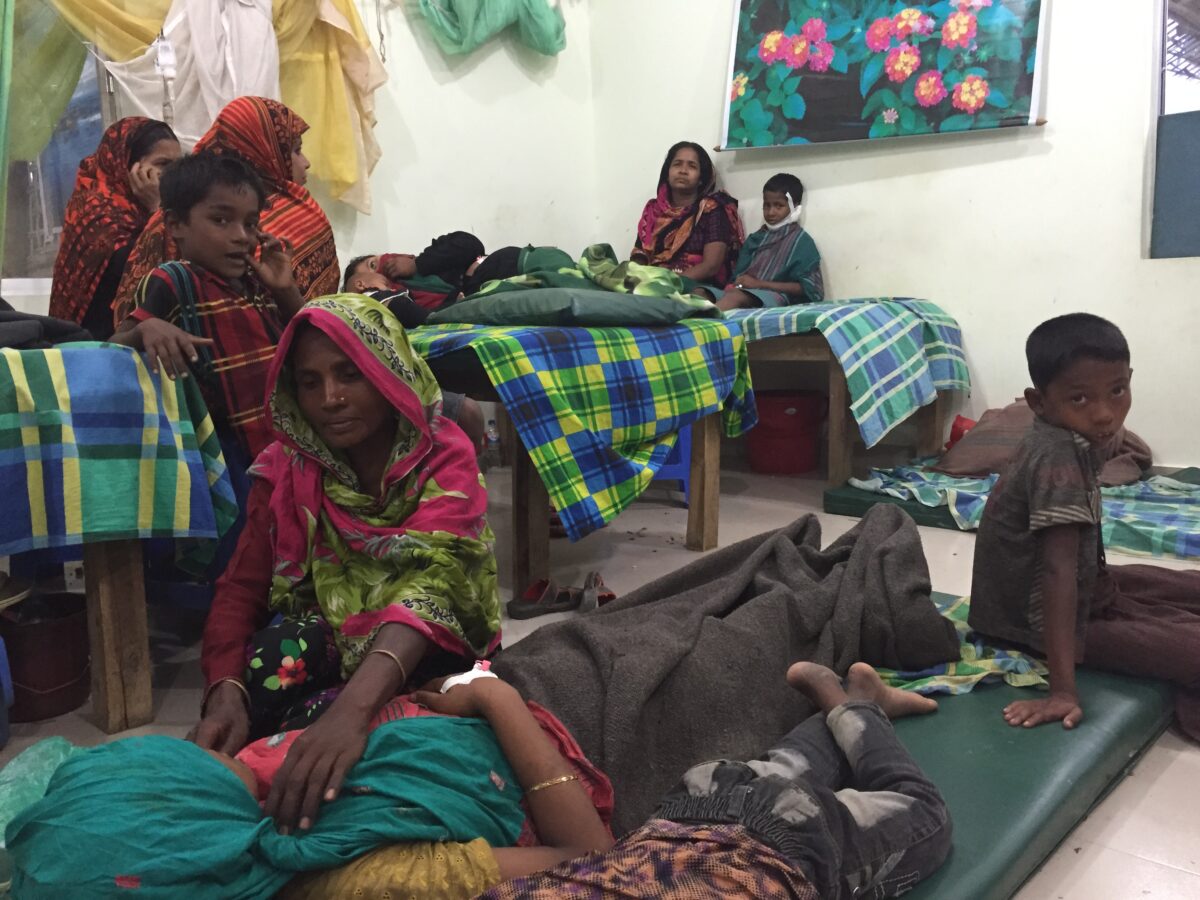
Letter: Asylum Policies Must Consider Risk of Exploitation
10.15.17
In response to our recent piece by Theophilus Kwek proposing what asylum policies in Singapore could look like, a reader argues that the experiences of migrant workers and long-term immigrants form a cautionary tale to be considered before we naively implement asylum policies for refugees.
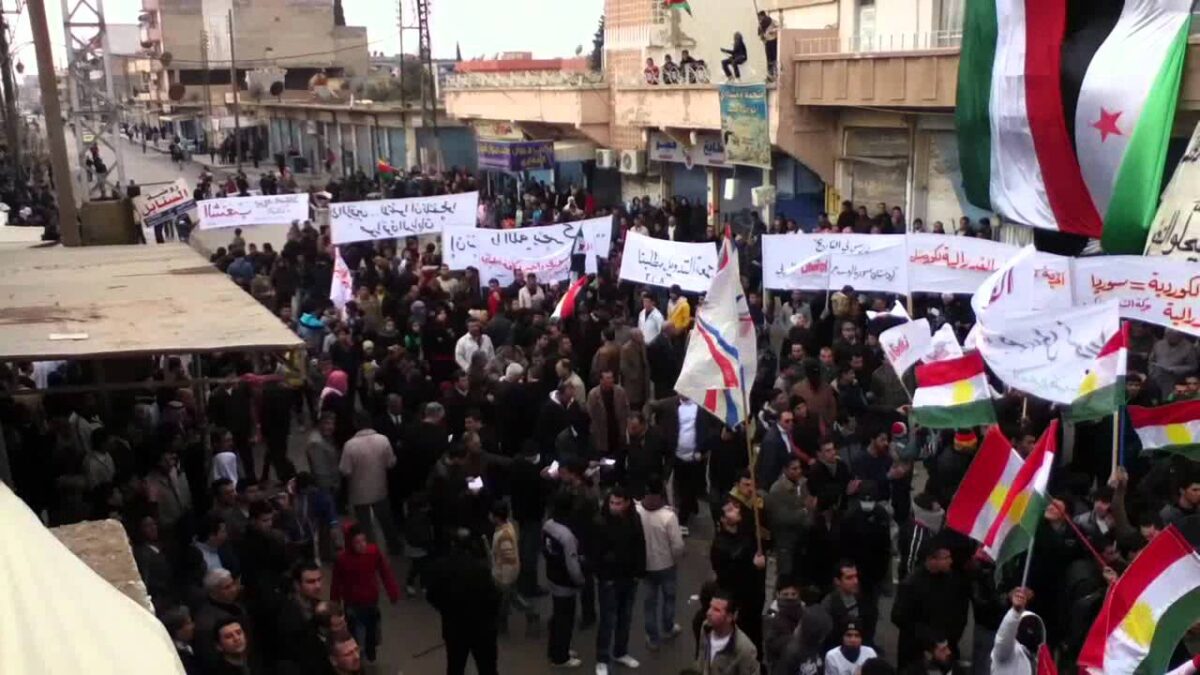
How foreign aid undermines good rebellions in Syria
10.13.17
Despite the international community’s efforts to shape governance in Syria, moderate opposition groups have failed to gain a foothold in the country’s political sphere. This is largely related to the international community’s strategy in Syria, which has shifted from demanding the departure of Bashar al-Assad to providing humanitarian assistance and countering the Islamic State. As part of this shift, the international community has emphasized the promotion of a “good” rebellion and governance training for rebel groups in Syria.
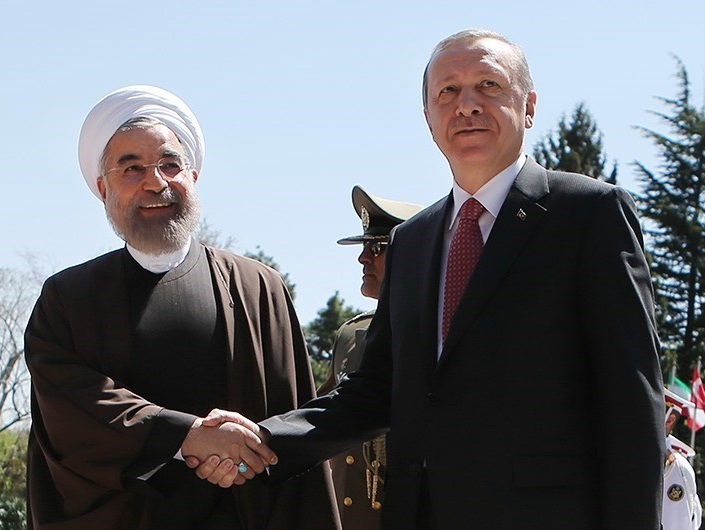
A unifying force? Iran, Turkey, Iraq, and an independent Kurdistan
10.12.17
Has the possibility of an independent Kurdistan forced the governments of Turkey, Iran, and Iraq to overlook their intersecting rivalries in the Middle East?