

Journal of Middle Eastern Politics & Policy
The Journal of Middle Eastern Politics and Policy (JMEPP) presented cutting-edge analysis on the contemporary Middle East and North Africa. JMEPP was committed to presenting new perspectives on pressing problems, addressing complex issues with insightful analysis, and exploring emerging trends shaping the region in an empirically grounded and accessible way.
Explore all Articles
filter by–Topic
filter by–Region
filter by–Country
search by–Keyword
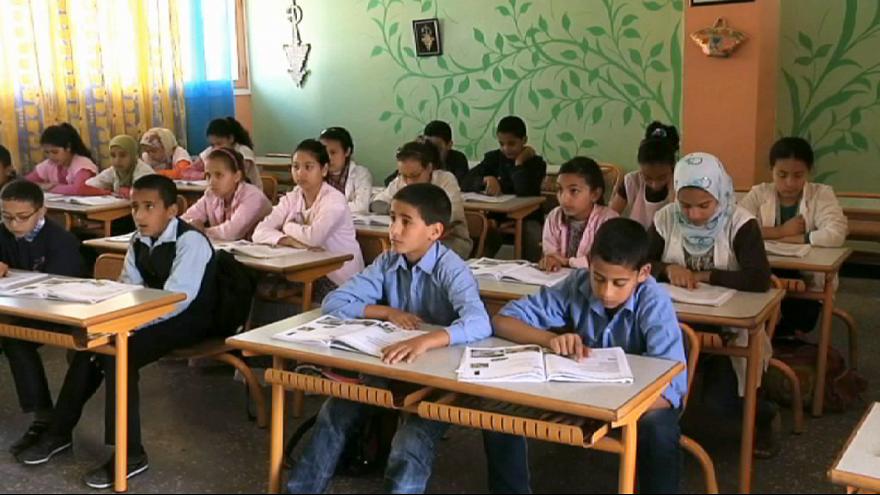
Multilingual education in Morocco: Back to the future?
01.19.18
After 30 years of implementing the Arabization policy, the challenges with language education in Morocco, if not with the education system as a whole, have yet to be fully addressed. To effect true change and movement towards multilingualism, the entire approach towards teaching language must shift from a grammar-oriented approach to a meaningful competencies-based approach.
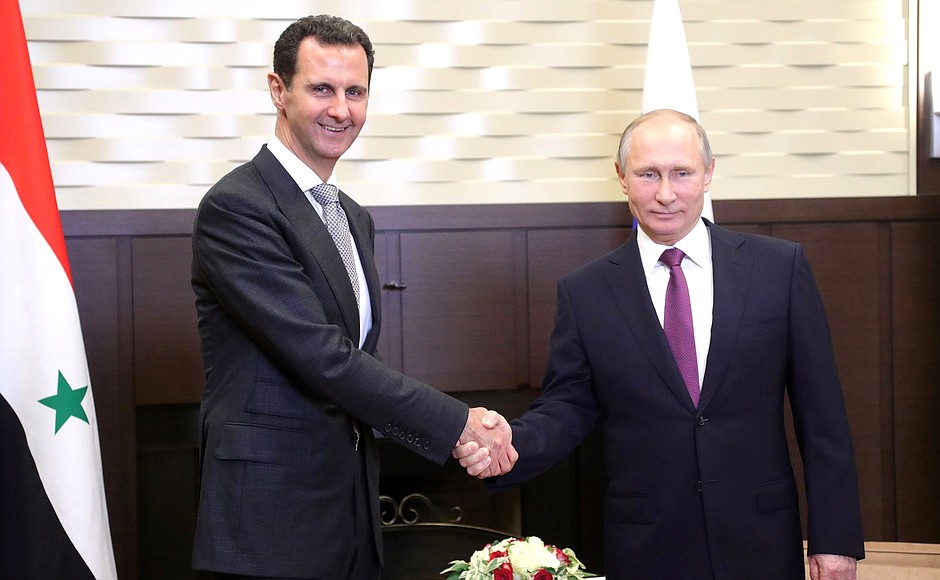
Russia’s Power Plays in the Middle East
01.9.18
Russia joined the war in Syria in October 2015, sending shockwaves around the world and adding another dimension to the conflict. A closer analysis of Russia’s interests in the Middle East reveals a superpower itching to dominate the world stage.
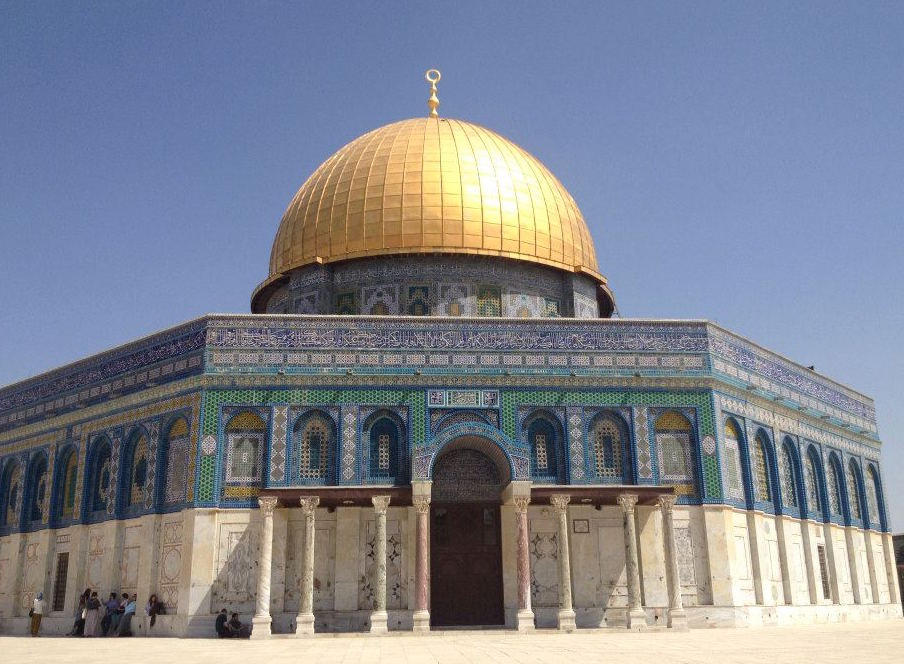
Uncertain allies: the Jerusalem announcement amid shifting regional priorities
12.7.17
President Trump’s recognition of Jerusalem undoubtedly complicates the picture; is the Holy City a red-line issue which the Saudis will feel compelled to publicly object to? As guardians of the two holiest sites in Islam, there has historically been an expectation that the Saudis would repudiate such a move. But, in these new times, will the royals bite their tongues, calculating that the Kingdom’s deepening links with the Jewish state are more important than demanding that East Jerusalem be reserved as the future capital of a Palestinian state?
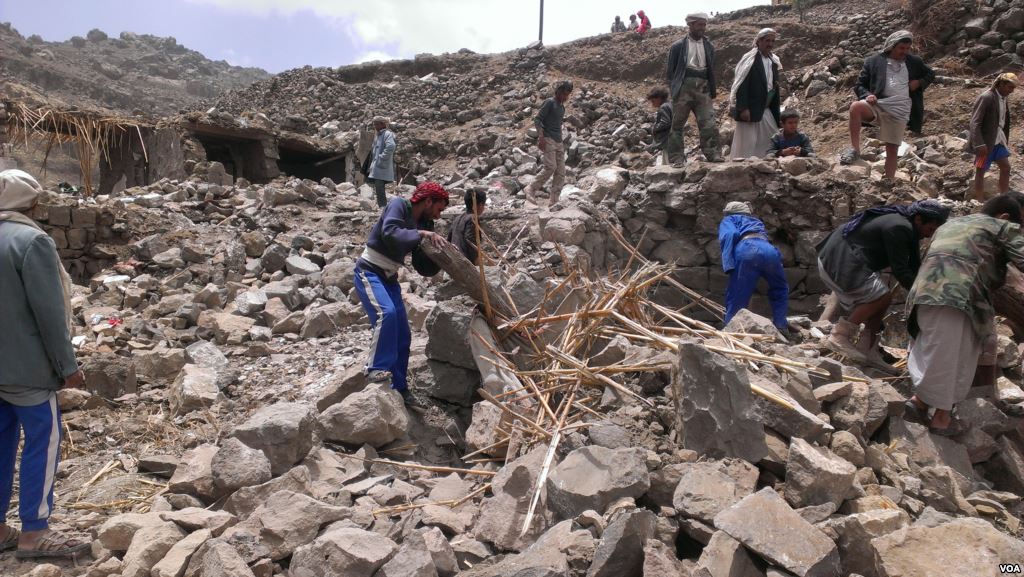
Americans are morally responsible for America’s war on Yemen – a series on Yemen, part 1
12.5.17
Despite over two and a half years of war, the average American seems oblivious to the United States’ role in fueling the conflict in Yemen. The US government (beginning with the Obama administration and continuing with Trump) has continued to fully support the Saudi-led coalition through the sale of weapons, mid-air refueling, targeting intelligence, and other logistical support.
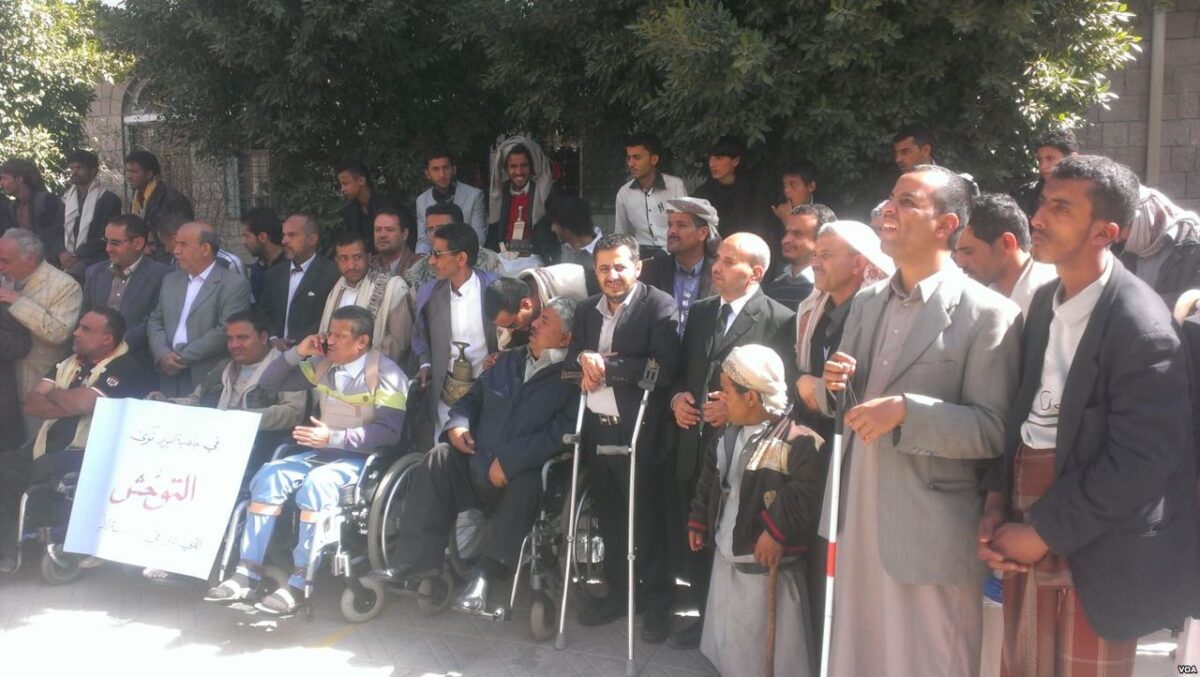
The US-Saudi coalition’s impact on Yemen’s health – a series on Yemen, part 2
12.5.17
In 2016, at least 63,000 children either starved to death or died of preventable diseases such as cholera. Another 50,000 are estimated to have died this year, bringing the total to over 113,000 children.
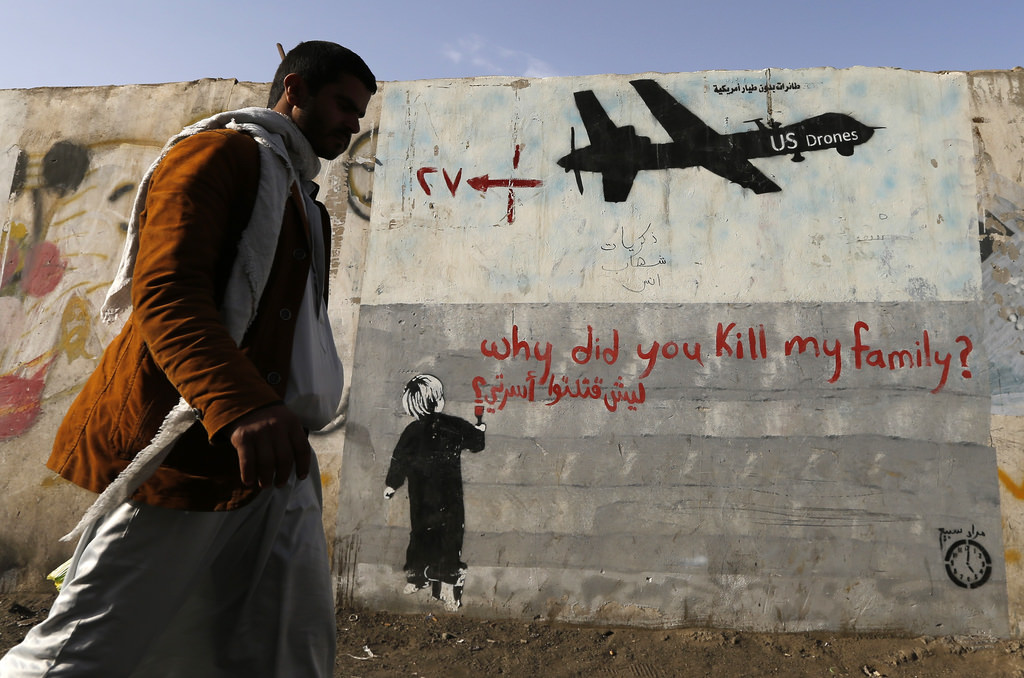
Yemen: drained, uncertain, and ignored – a series on Yemen, part 3
12.5.17
It is of the utmost importance now, if only in spirit, to confront the individuals and institutions responsible for the pain felt by the millions who have done nothing wrong.
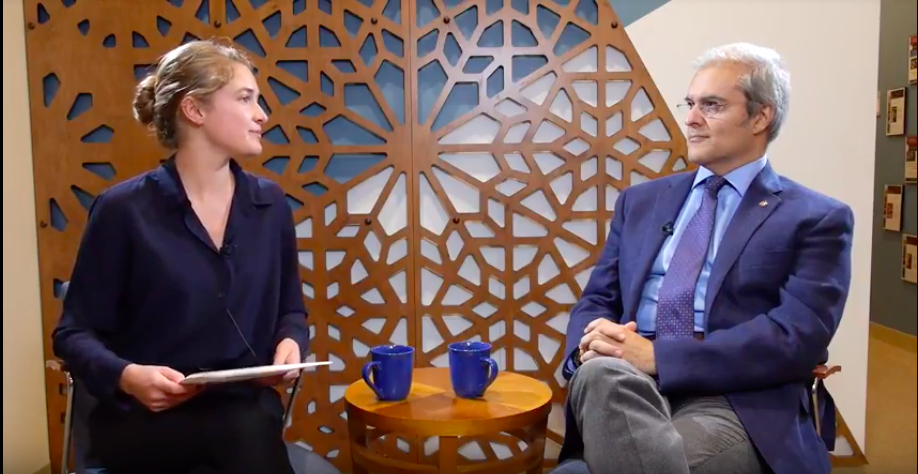
Interview with Hicham Alaoui: Trends in North African Politics
12.4.17
Hicham Alaoui, Visiting Fellow at Harvard’s Weatherhead Center for International Affairs and D.Phil. Candidate at Oxford University, sat down with JMEPP Lead Editor Anna Boots to discuss current trends in North African politics, including Tunisia’s nascent democracy, North Africa’s unique position in the Middle East region, and ongoing protests in Morocco’s Rif.

Gaza: Past, Present and Future
12.1.17
A panel at the Arab Conference at Harvard explored the past, present, and future of the Gaza Strip.
Podcast: Thomas Friedman’s controversial op-ed on Saudi Arabia and the attack on al-Rawda Mosque in Egypt
12.1.17
On this week’s episode of the Middle East Weekly we discuss Thomas Friedman’s recent controversial column “Saudi Arabia’s Arab Spring, at Last” and the attack on al-Rawda Mosque in Egypt’s North Sinai Governorate on November 24, 2017.
The United Nation’s role in MENA: Interview with Darko Mocibob
11.21.17
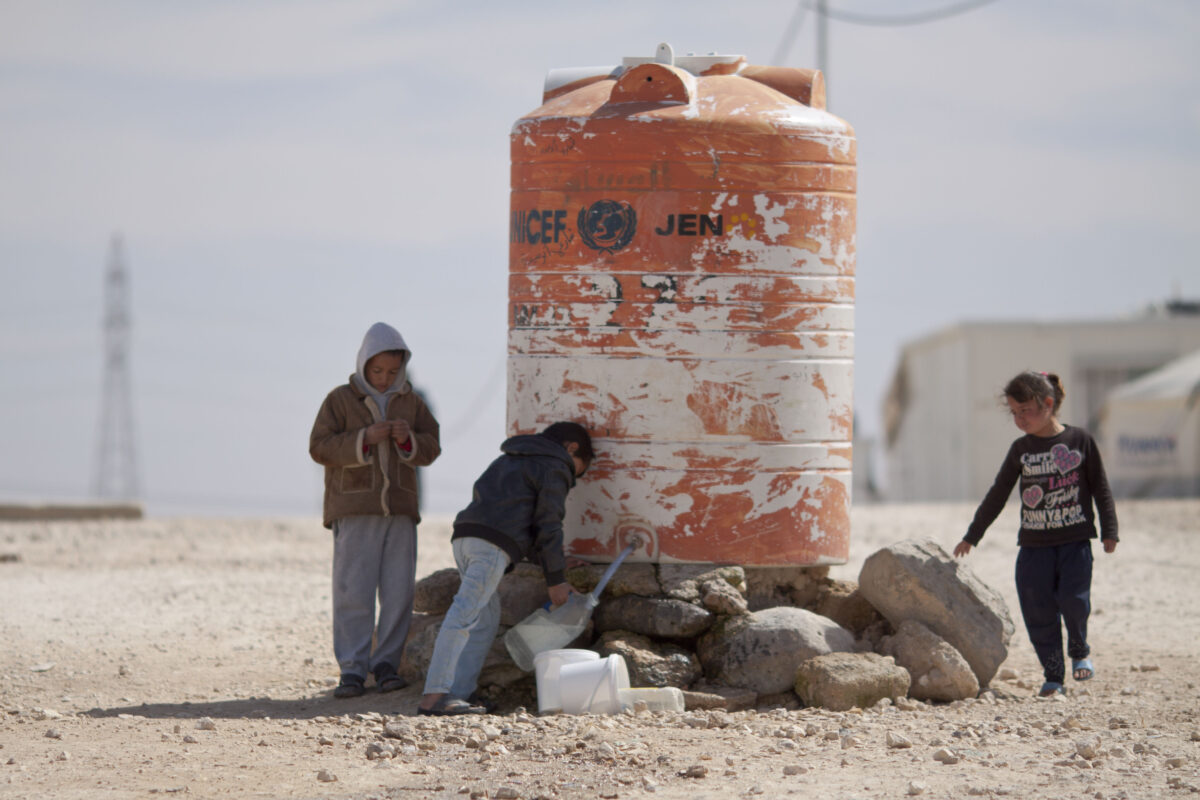
JMEPP’s Regional Editor for Egypt Elissa Miller sat down to interview Darko Mocibob, Deputy Director of the Middle East and West Asia Division of The United Nation’s Department of Political Affairs.
Podcast: Hariri’s resignation, earthquake in Iran, and a coalition deal with IS in Raqqa
11.17.17
On this week’s episode of the Middle East Weekly, we discuss Sa’ad Hariri’s resignation from his post as Prime Minister of Lebanon; the earthquake that struck the Iran-Iraq border; and a coalition deal that allowed IS fighters to leave Raqqa.
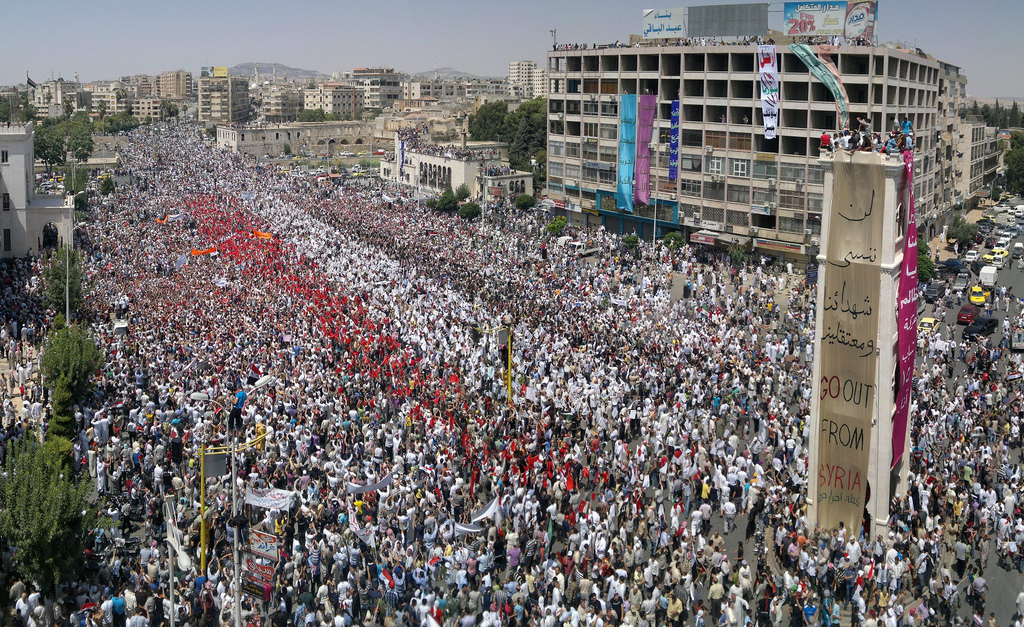
Fractured but not forgotten: remembering the hopeful roots of the Syrian conflict
11.16.17
On November 10, panelists at the Arab Conference at Harvard assessed the history and path forward for the Syrian conflict.