


Journal of Middle Eastern Politics & Policy
The Journal of Middle Eastern Politics and Policy (JMEPP) presented cutting-edge analysis on the contemporary Middle East and North Africa. JMEPP was committed to presenting new perspectives on pressing problems, addressing complex issues with insightful analysis, and exploring emerging trends shaping the region in an empirically grounded and accessible way.
Explore all Articles
filter by–Topic
filter by–Region
filter by–Country
search by–Keyword
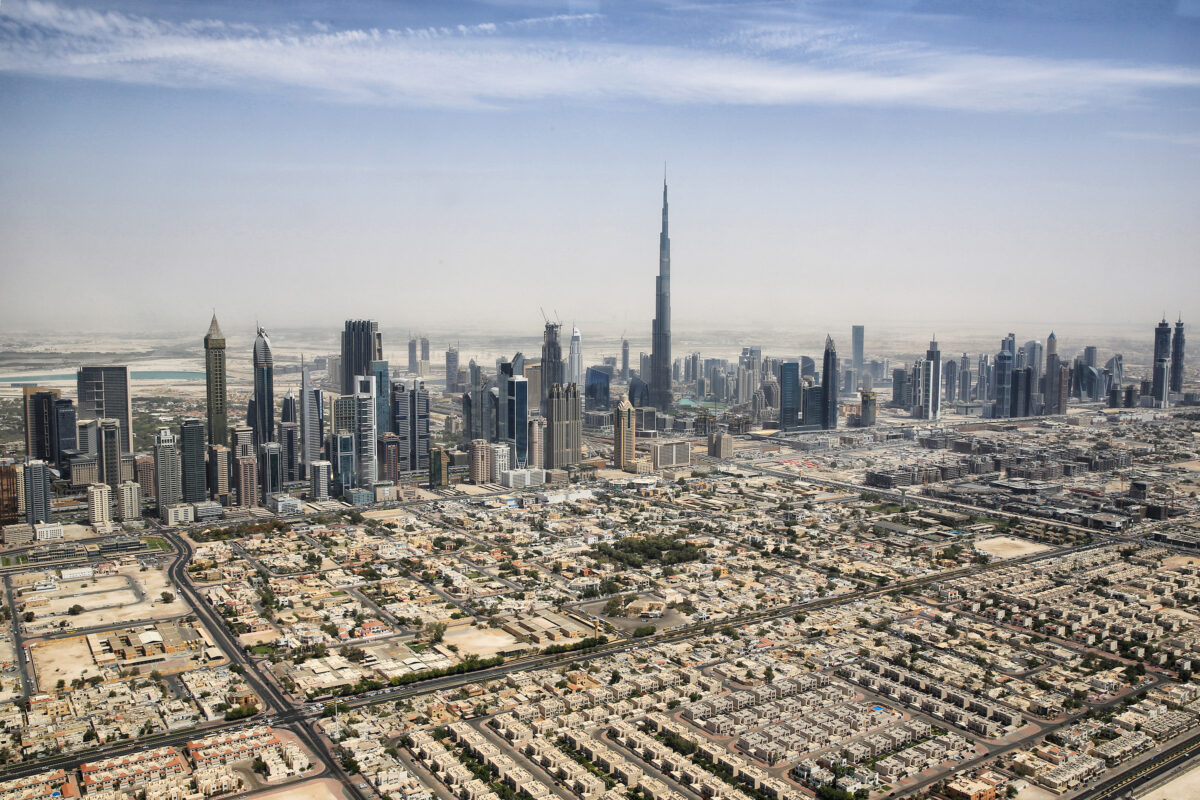
Event Review, 2018 Annual Harvard Arab Conference: Technology and innovation: Inseparable couple?
01.4.19
Technology and innovation have the potential to ameliorate an impending regional energy crisis while creating space for young people to flourish.
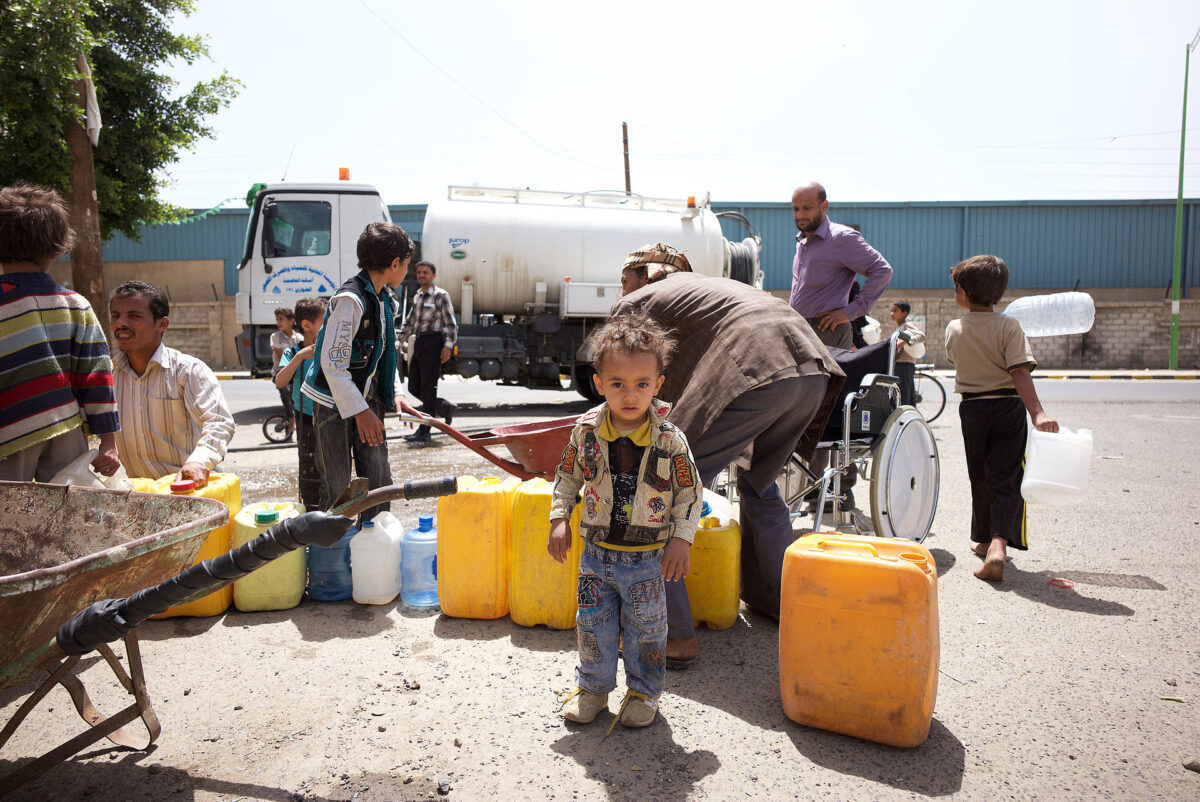
Event review: Yemen at the edge
12.27.18
A final resolution to the conflict in Yemen must be locally led and locally driven. Oxfam CEO Abby Maxman comments on prospects for peace in Yemen.
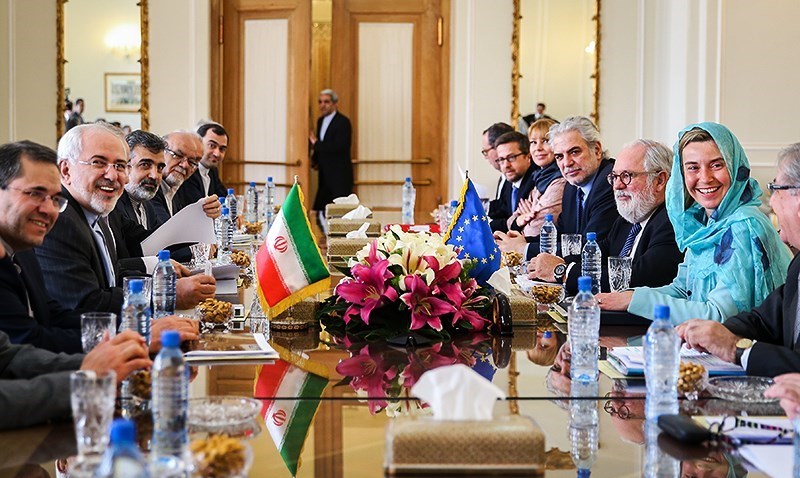
Going nowhere alone: US sanctions on Iran and the afterlife of the JCPOA
12.16.18
Renewed US sanctions will have a detrimental impact on the Iranian economy, but Iran is winning the public relations battle on the world stage.
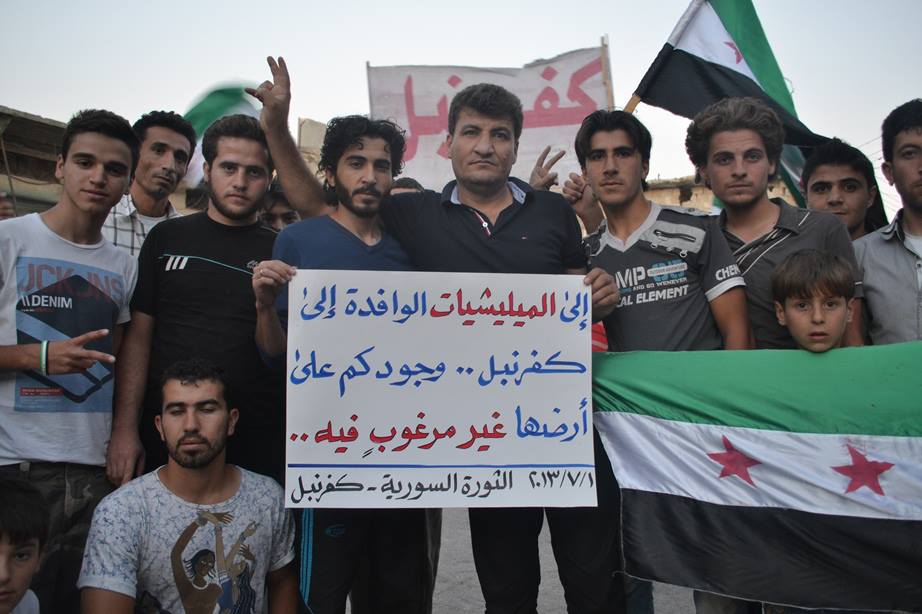
In Memoriam: Raed Fares and the banners of Kafranbel
12.13.18
Raed Fares was killed on November 23rd, but his work as a citizen journalist and activist lives on in the people he taught and empowered. Contributing writer Oula Alrifai, a Damascus-native and activist herself, remembers Raed.
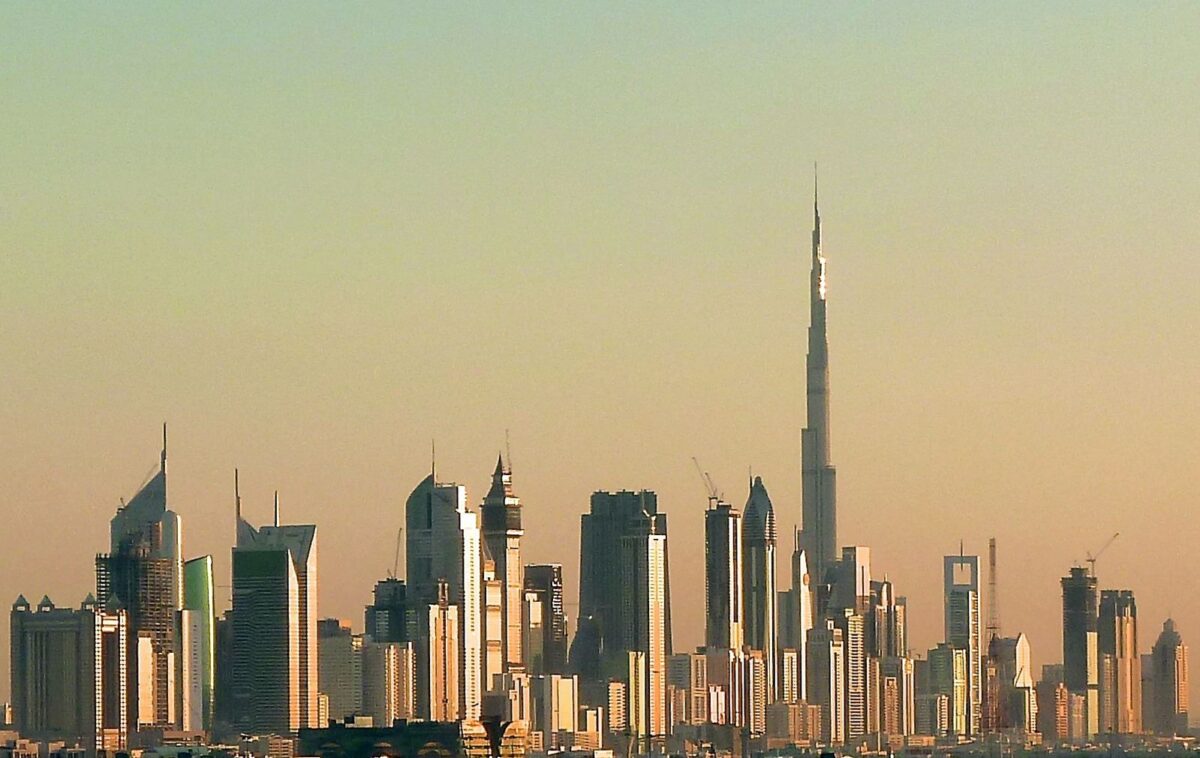
Event Review: Investing in the Arab World, 2018 Annual Harvard Arab Conference
12.5.18
Financial hubs in Middle Eastern urban centers such as Dubai foster technological innovation, but the existing political framework in the Gulf and across the region remains in urgent need of reform to solidify recent economic successes and ensure that future generations of entrepreneurs can follow in their footsteps.
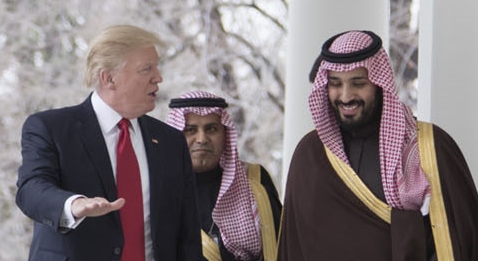
Iron Curtain over the Arab world: Evaluating Trump’s inaction on the murder of Jamal Khashoggi
12.4.18
Trump’s statement on the murder of Jamal Khashoggi is worth examining for the baldness of its cynicism and perhaps unprecedented about-face on human rights. But Congress still has an opportunity to act where the White House falls short.
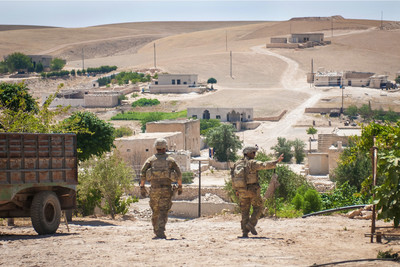
What’s in a deal anyway: Idlib DMZ violations harm peace process
11.21.18
The Idlib de-militarized zone (DMZ) deal is a powerful tool for advancing peace, but only if Turkey and Russia commit the resources to properly enforce it. The implementation of the Idlib DMZ holds powerful consequences for the ongoing Syrian constitutional committee and the broader peace process.

Podcast: Jamal Khashoggi’s murder by Saudi operatives, challenges face Iraq’s new government
11.16.18
In this episode of the Middle East Weekly podcast, we discuss the murder of Saudi journalist Jamal Khashoggi at the hands of Saudi agents in Istanbul, the formation of and challenges facing Iraq’s new government, the re-instatement of sanctions on Iran, and an election boycott in Bahrain. Khashoggi was murdered when he visited the Saudi […]
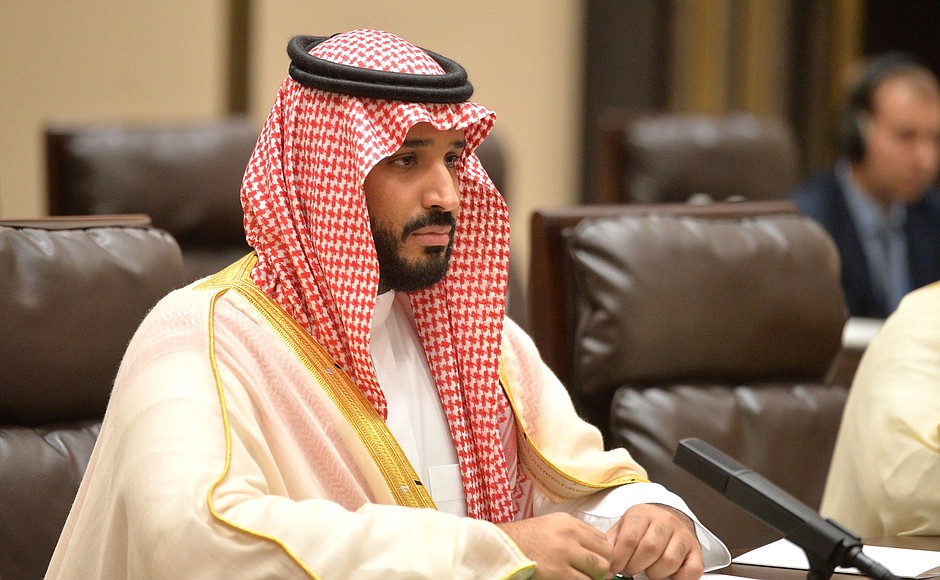
Event Review: Youth Movements and Political Participation in Saudi Arabia
11.9.18
Mohammad bin Salman (MBS) is a member of Saudi Arabia’s swelling youth population. Even as MBS courts favor with his young subjects, his efforts may not meet high expectations for reform.
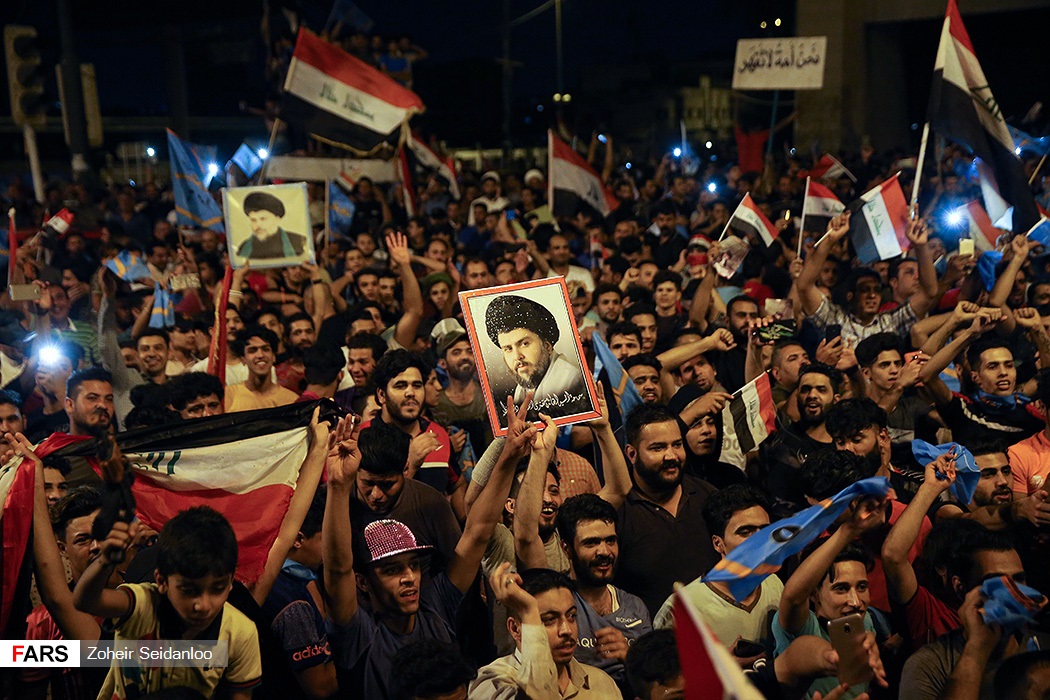
From deadlock to deadline: Iraq’s new government faces pressure to reform
10.25.18
Newly minted President Barham Salih and Prime Minister Adil Abdul-Mahdi have one year to enact reform on pressing domestic issues, especially utility services and unemployment. If the government fails to implement changes, it may face another series of popular uprisings.
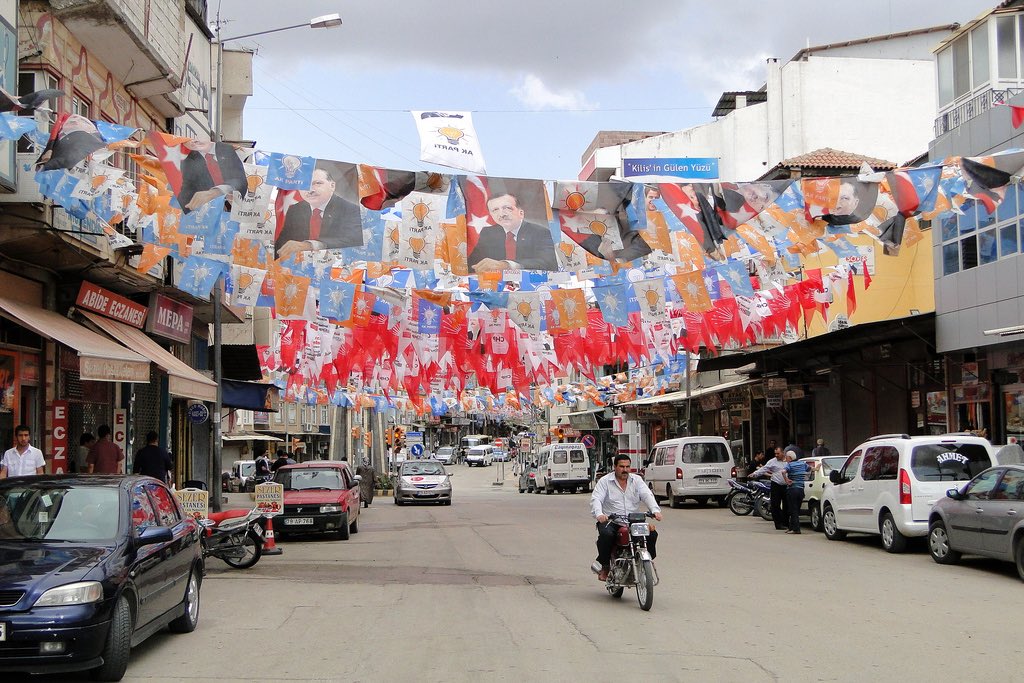
Reconciling History: Secularism, Faith and Allegiance after Turkey’s June 24th Elections
07.9.18
The decision to support or reject the opposition in its appeals to AKP voters is bound up with its identity as the representative of official secularism, a reputation that has proved difficult to shake. The memory of the divisive 1970s and the terror-filled aftermath of the 1980 coup remains a deeply impactful force conditioning voter behavior. An understanding of these traumatizing years, which left few segments of society untouched, contextualizes the steep odds against which the opposition was forced to contend.
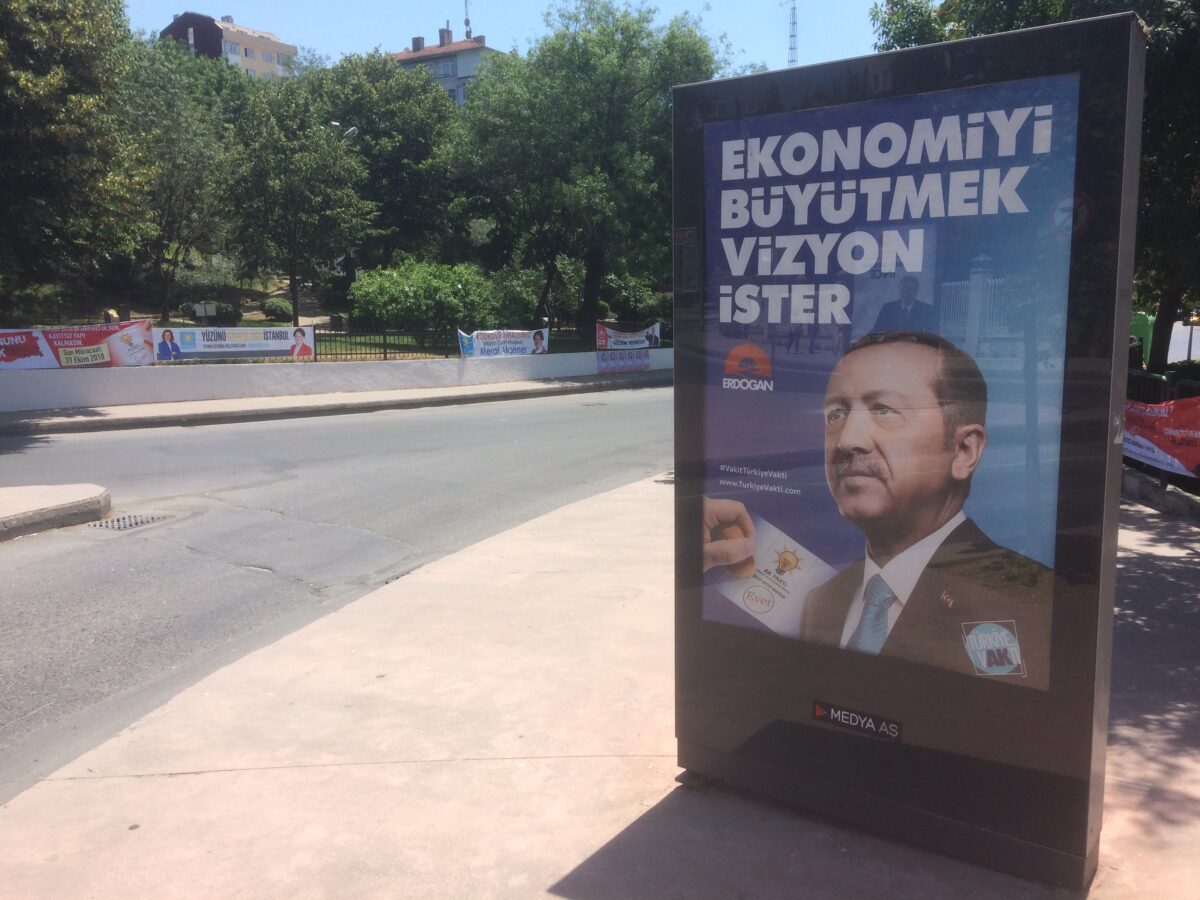
It’s the Economy, Saftirik
06.23.18
A casual observer of Turkish politics would be forgiven for thinking that regional geopolitics, social issues, the Kurdish issue or the hosted refugees are the central points of the election. Not so. Somewhere in Turkey, a political strategist is hammering home to her client: “it’s the economy, saftirik (stupid).”