


Journal of Middle Eastern Politics & Policy
The Journal of Middle Eastern Politics and Policy (JMEPP) presented cutting-edge analysis on the contemporary Middle East and North Africa. JMEPP was committed to presenting new perspectives on pressing problems, addressing complex issues with insightful analysis, and exploring emerging trends shaping the region in an empirically grounded and accessible way.
Explore all Articles
filter by–Topic
filter by–Region
filter by–Country
search by–Keyword
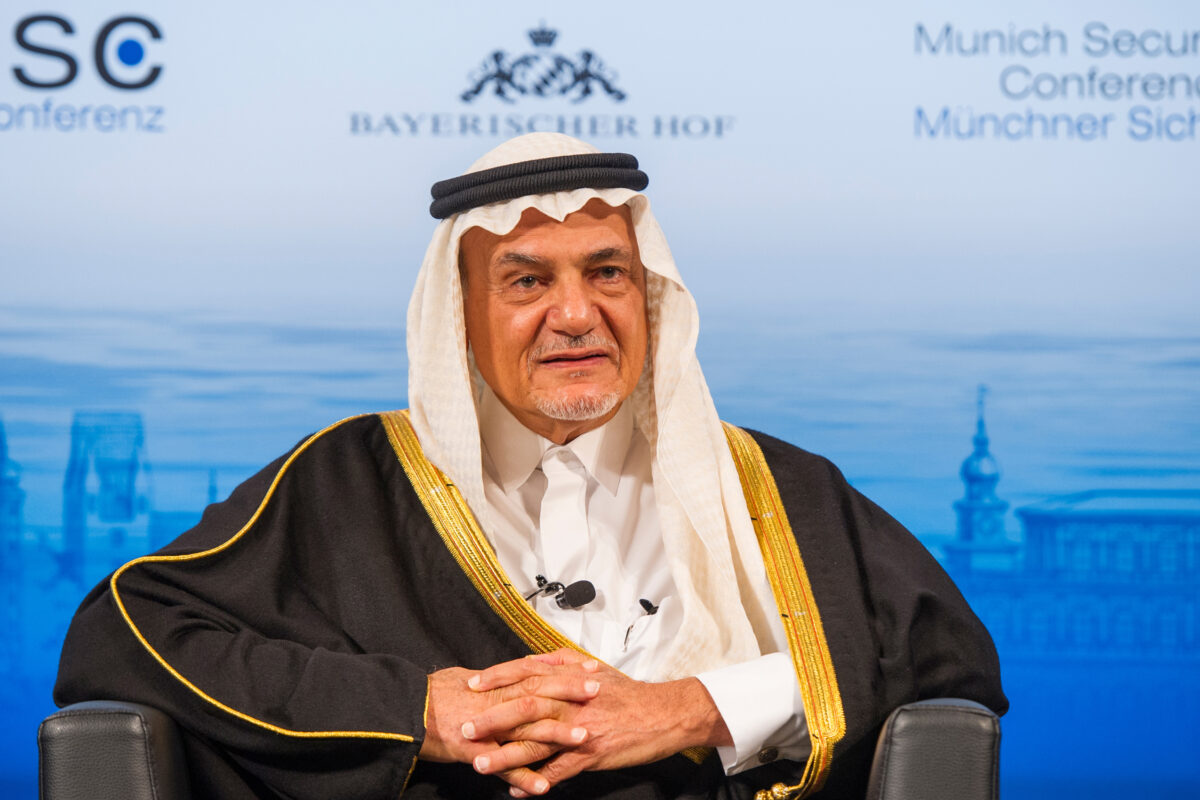
Prince Turki Al Faisal tries to project Saudi unity during a time of upheaval
11.15.17
Prince Turki al Faisal spoke at the Arab Conference at Harvard on November 10th, insisting that Saudi Arabia stood united, even during a time of major political upheavals in the kingdom.

Breaking the silence on LGBTQ rights in the Middle East and North Africa
11.15.17
A historic first: the first ever panel on LGBTQ rights in the Middle East and North Africa at the Arab Conference at Harvard.
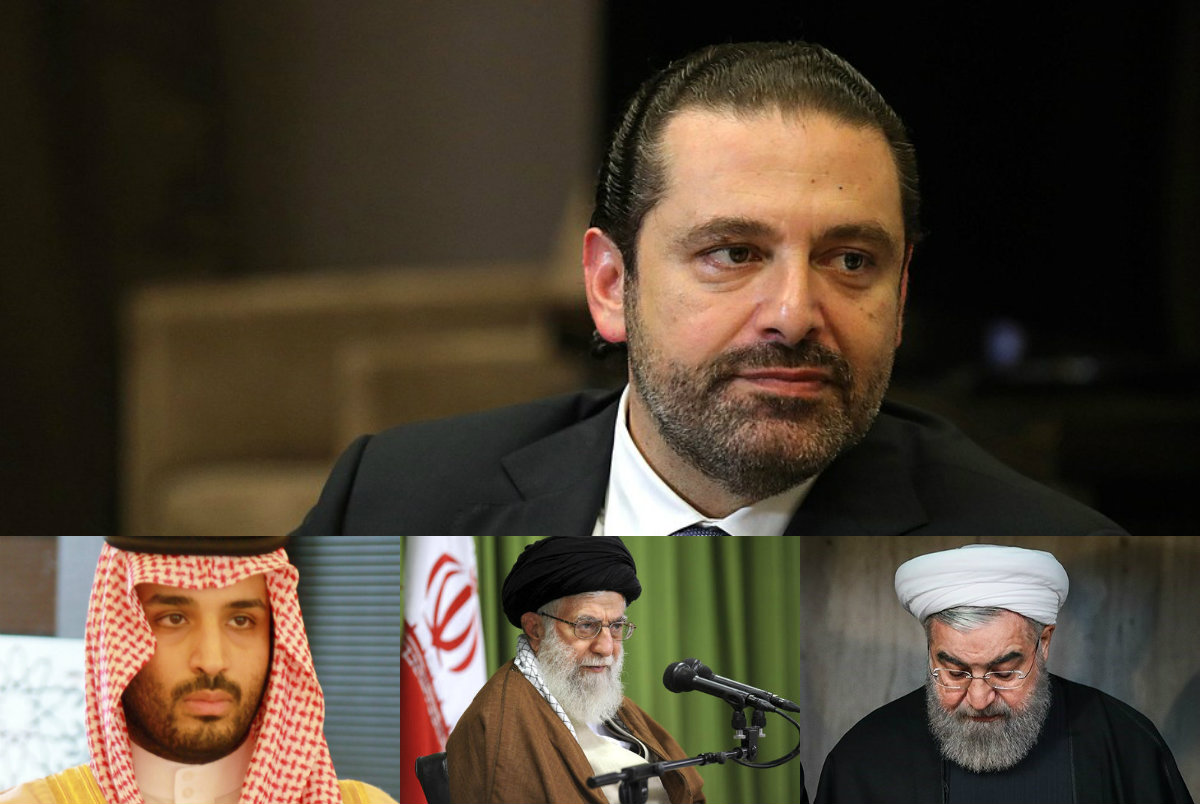
Hariri’s resignation adds to Saudi missteps in Lebanon
11.13.17
What may have been a political strategy on the part of the Saudi regime may have cost them enormous amounts of political leverage in Lebanon.

Podcast: Saudi’s future investment initiative and the Balfour Declaration’s centennial anniversary
11.8.17
Middle East Weekly, JMEPP’s news podcast, goes behind the headlines on the region, explaining and analyzing the most pressing issues of the week.
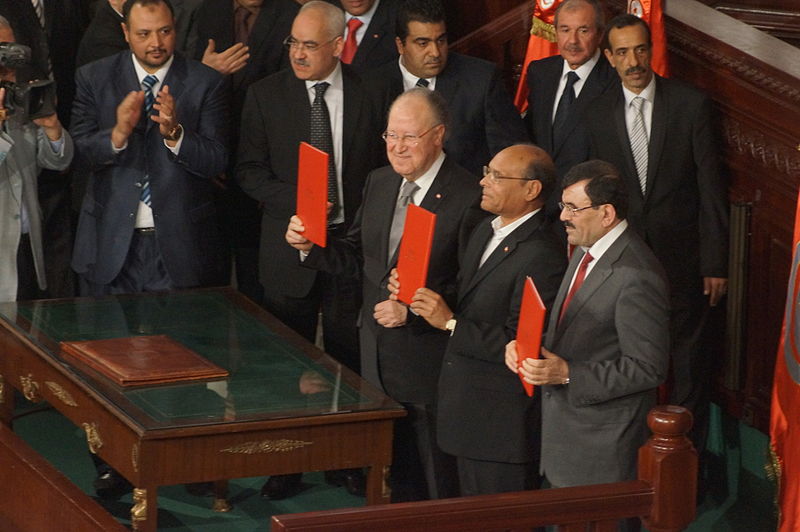
Tunisia’s long history of constitutionalism
11.6.17
Tunisia celebrates 160 years of constitutionalism.
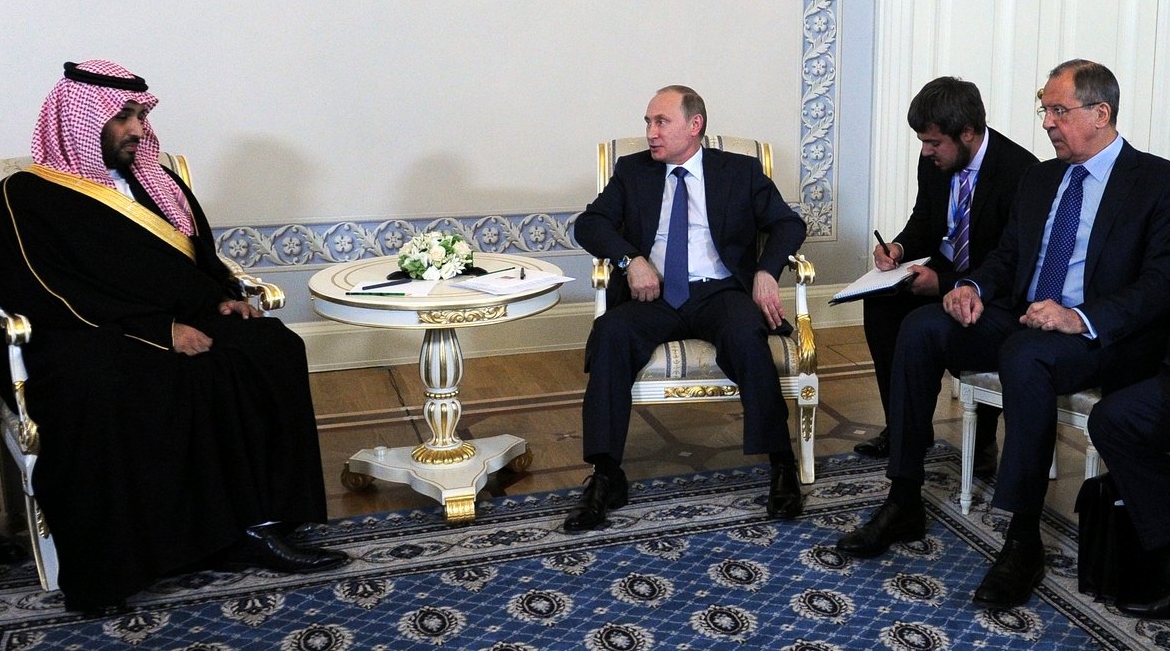
The opportunities of uncertainty: the politics of Saudi succession
10.26.17
The rise of Mohammad bin Salman raises the question of Saudi Arabia’s future relationships with the US and Russia.

Behind and beyond the Gulf crisis: The power struggle underlying the regional tensions
10.19.17
Head of the Middle East and North Africa Programme at Chatham House, Lina Khatib, addresses the power dynamics behind the crisis in the Gulf, its motivations, and implications for conflicts in the region.
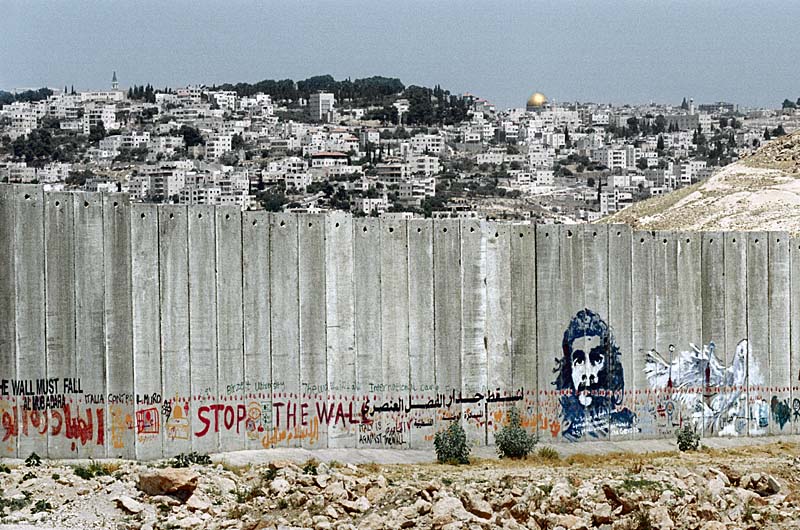
Regulation and resilience: The protection of property rights in Palestinian refugee communities
10.16.17
While members of the Palestinian diaspora occupy a precarious social position and are often subject to successive removals from new homes, refugees have nonetheless put down roots and sought to secure their new homes in a number of ways.
Dr. Nadya Hajj, Assistant Professor of Political Science at Wellesley College, shows how this is the case.
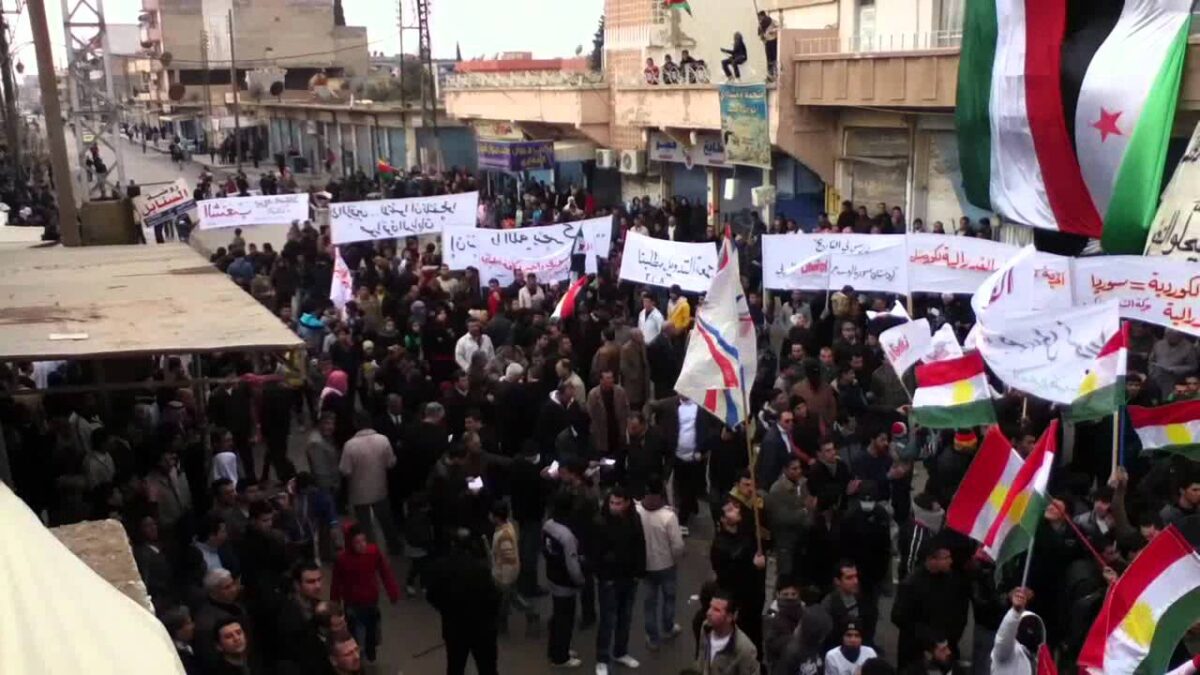
How foreign aid undermines good rebellions in Syria
10.13.17
Despite the international community’s efforts to shape governance in Syria, moderate opposition groups have failed to gain a foothold in the country’s political sphere. This is largely related to the international community’s strategy in Syria, which has shifted from demanding the departure of Bashar al-Assad to providing humanitarian assistance and countering the Islamic State. As part of this shift, the international community has emphasized the promotion of a “good” rebellion and governance training for rebel groups in Syria.
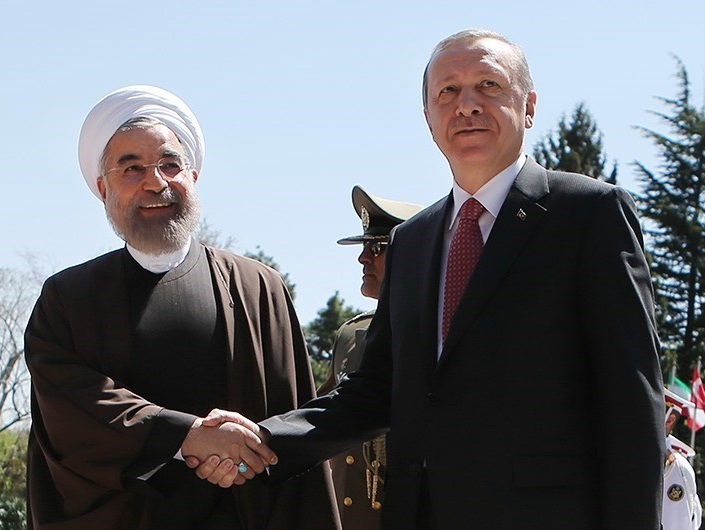
A unifying force? Iran, Turkey, Iraq, and an independent Kurdistan
10.12.17
Has the possibility of an independent Kurdistan forced the governments of Turkey, Iran, and Iraq to overlook their intersecting rivalries in the Middle East?
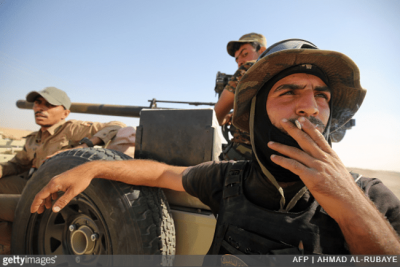
In Iraq, the PMF’s day of reckoning approaches
07.17.17
Three years ago, Iraqi Shia leader Ayatollah Ali Sistani declared war on ISIS and called for the formation of militias, collectively known as the Popular Mobilization Forces (PMF), to defeat the group. Today, the military campaign against ISIS is approaching its conclusion. After the battle of Mosul, it is clear that the Islamic State – as a territorial […]

Blockaded Qatar rallies ’round the Emir
07.6.17
It’s been just over a month since Saudi Arabia, the United Arab Emirates, Bahrain, and Egypt decided to sever diplomatic ties, trade links, and transportation corridors with Qatar. Yet now, the quartet of encircling nations seems unsure of how to proceed, despite Kuwait’s emir and diplomatic corps working overtime to mediate the dispute. Instead of […]