
Singapore
U.N-defined country
Explore all Articles
filter by–Region
filter by–Country
search by–Keyword
Will There be a Nouveau Poor?
04.5.20
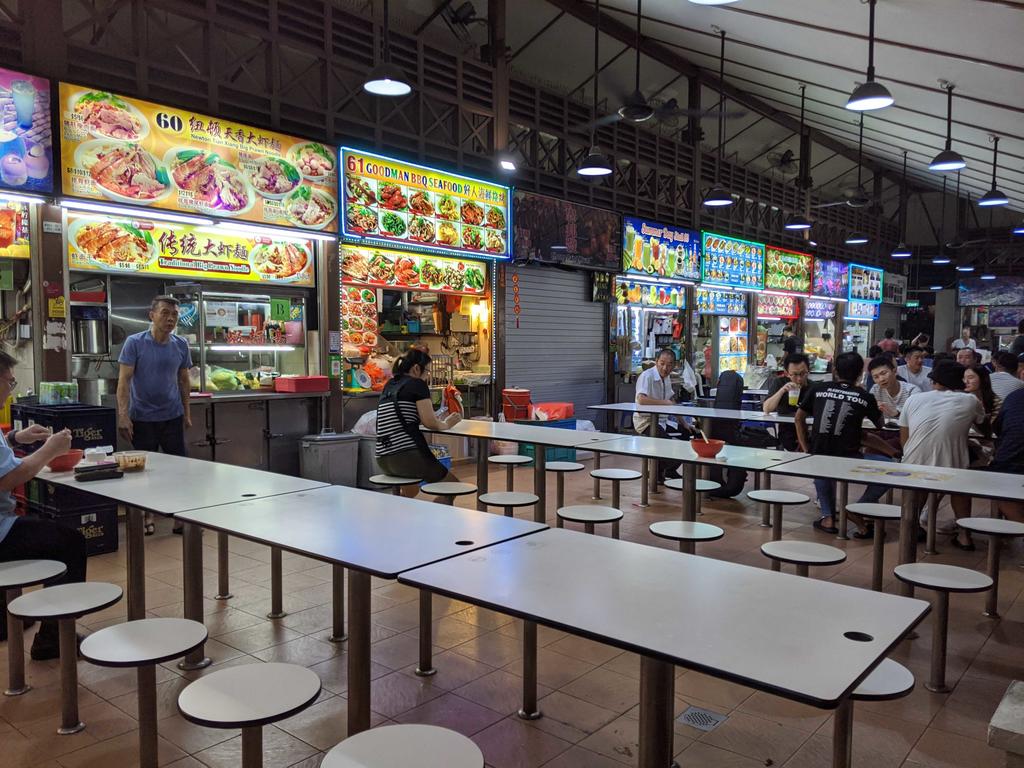
Al Lim looks at how COVID-19 exacerbates existing vulnerabilities that small business owners already struggle with and considers how government support mechanisms can – and should – be deployed to help them cope with both the ongoing effects and aftermath of the pandemic.
Citizenship in Crisis
03.28.20
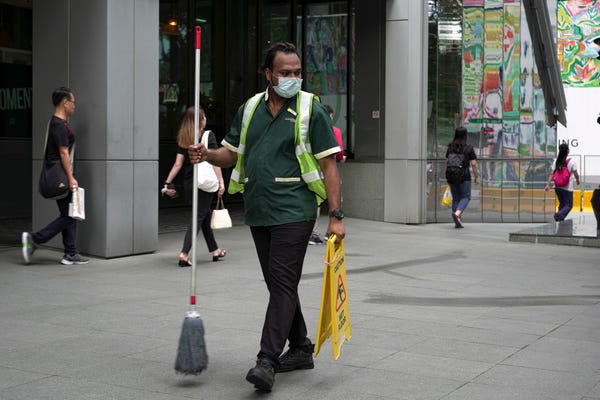
What happens to citizenship when crisis disrupts the state’s ability to fulfil its obligations to its citizens, or when citizens find themselves unable to depend on their states for a meaningful guarantee of protection in times of need? Using the emergent COVID-19 pandemic as a lens, Theophilus Kwek considers how states, including Singapore, can do better in caring equally for their citizens – and how citizens can also support each other.

Il/licit Intimacies: Why The State Regulates FDW’s Intimate Lives
03.5.20
In Singapore, foreign domestic workers (FDWs) on Work Permits are subject to various bio-political restrictions: namely, restrictions that govern who they can marry and whether they can be pregnant.
What explains these restrictions, and why is the state so invested in policing the private intimacies of foreign domestic workers? Poh Yong Han traces through parliamentary debates and newspaper articles to show how these restrictions are informed by a neoliberal philosophy that informs how we view citizenship, and unpacks its consequences.
The Case For Incorporating Social Analysis Into Policy Design
02.24.20
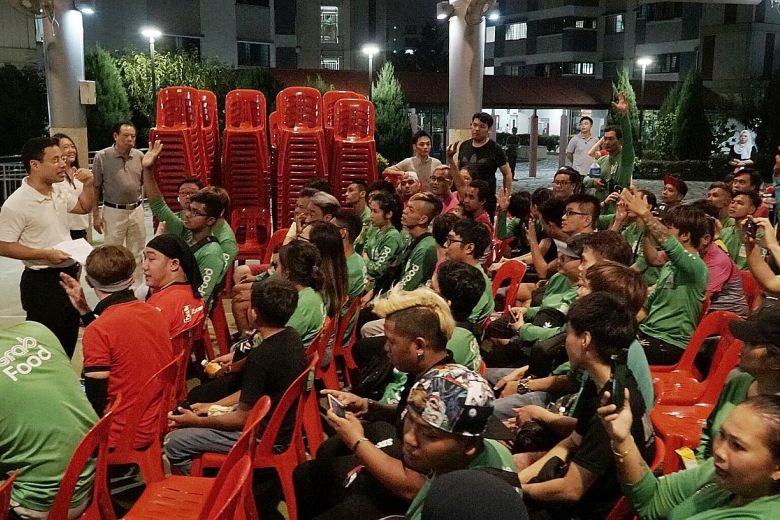
Paul argues that policymakers need to move beyond numbers-driven, utilitarian logics of decision-making and incorporate a human-centered approach to policy-making. Drawing from Teo You Yenn’s seminal work on the need to understand issues like inequality as lived experiences rather than just statistical data, Paul considers the benefits of a social analysis approach and examines the ways in which it can be implemented in Singapore.
The Management of Threats in Singapore: Civil-Military Integration
01.3.20
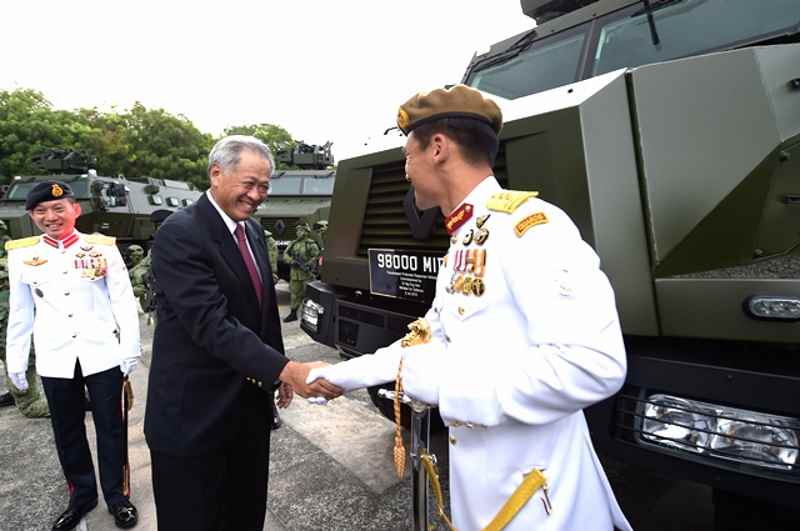
In this paper, Isaac Neo explores why Singapore’s historical experience with high levels of internal and external threat have not resulted in degraded civilian control over the military, despite existing Civil-Military Relations models predicting such an outcome. He argues this is due to the effective demarcation of responsibility between civilian institutions and the Singapore Armed Forces, along the lines of internal and external threat management. This is reinforced by the subordination of the military to a broader notion of security through the Total Defence framework. Lastly, there is a sustained effort to civilianise the military sphere, through National Service and other administrative structures.
The Legitimization of Inequality
12.5.19
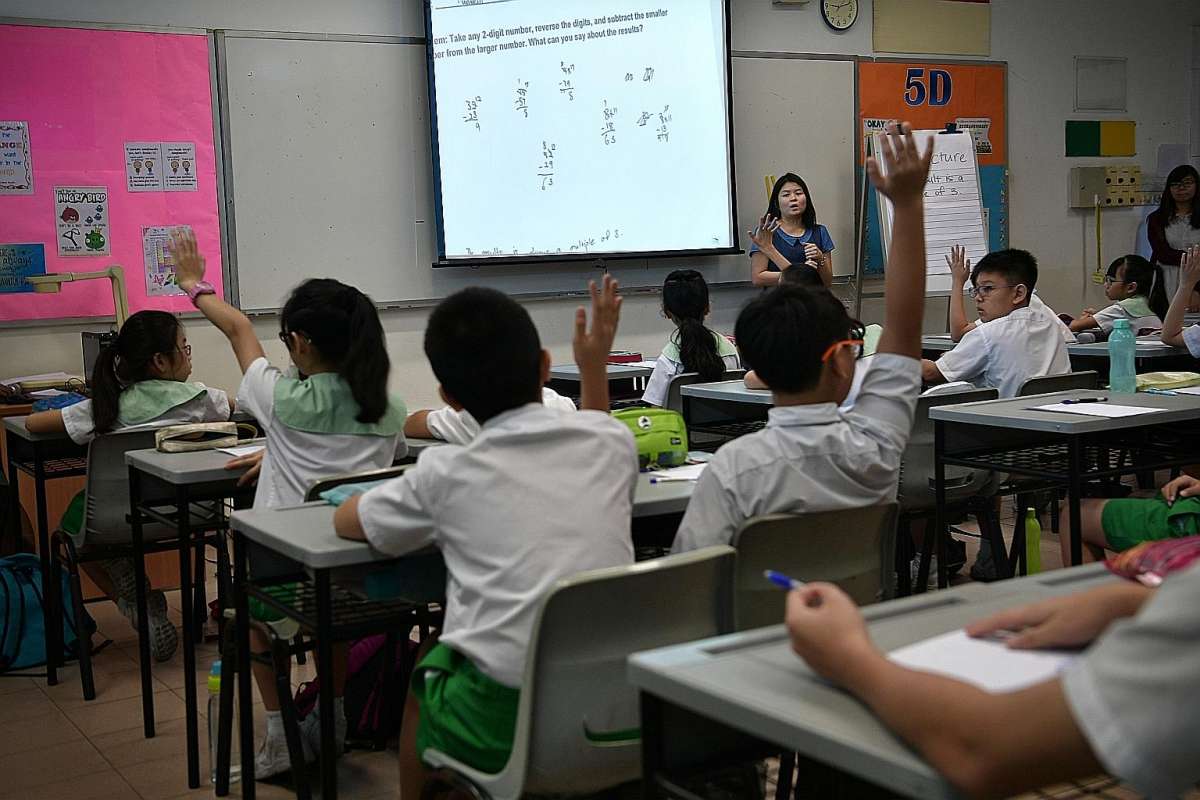
Meritocracy is generally celebrated as an ideology that promotes equality of opportunity, and hence, seen as just. Xuan Yee interrogates this view by exploring the moral, psychological, and intellectual ramifications of meritocracy when taken to its extreme. He argues that an unquestioned belief in meritocracy is dangerous, for it encourages the successful to justify their own moral deservingness of their position in society, and thus, legitimizes inequality.
Separation of Religion and Politics: Pragmatic Policy or Utopic Ideal?
11.26.19
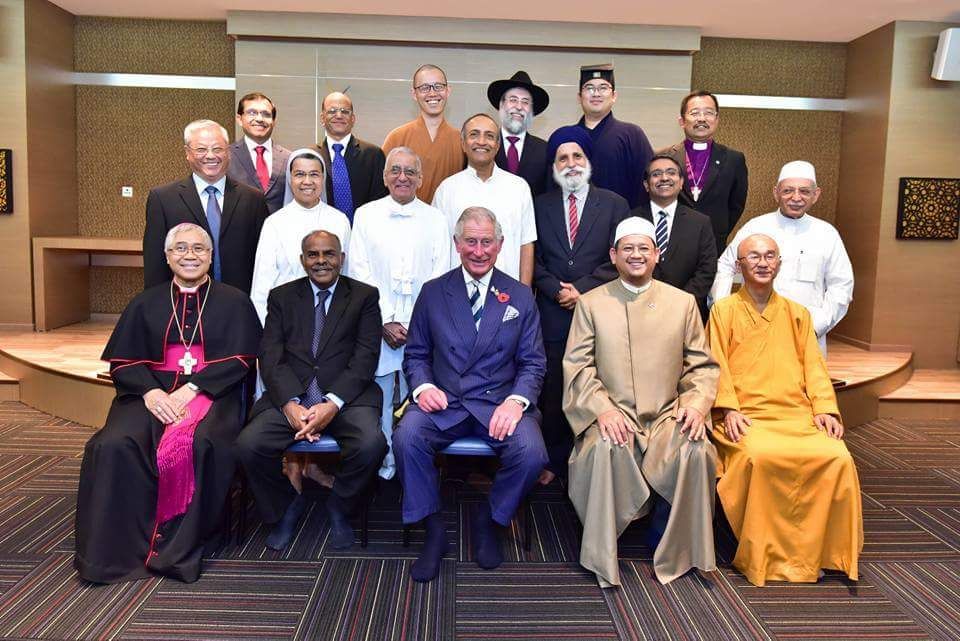
Singapore practices a brand of “accommodationist secularism” that is premised on the assumption that a separation between religion and politics is possible. Yong Han Poh argues that this assumption is flawed, and unpacks its implications on policy, political representation and religious harmony.
A stronger and more distinct Singaporean-Chinese identity necessary for addressing China’s misperceptions of Singapore
11.19.19
Drawing on her undergraduate research on mainland Chinese students’ perception of the Singaporean-Chinese identity, Shu Min Chong finds that misperceptions result in mainland Chinese having unrealistic expectations of Singaporeans and Singapore. While it is easy to put blame on China, Shu Min argues that Singapore needs to do more to articulate what a unique Singaporean-Chinese identity looks like.
同为华人?论新加坡人与中国人对“新加坡华人”的认知差异
11.19.19
“中国人和新加坡华人都是华人”,这种看法成立吗?基于她本科论文有关新中两国人民对“新加坡华人”认知差异的研究,张树敏发现当中国人对新加坡华人身份和文化的认知与现实有偏差。她认为新加坡应该加强本土华人身份认同,并对此提出一些政策意见。
The Loving Critics Have Votes, What They Want Is Voice
11.4.19
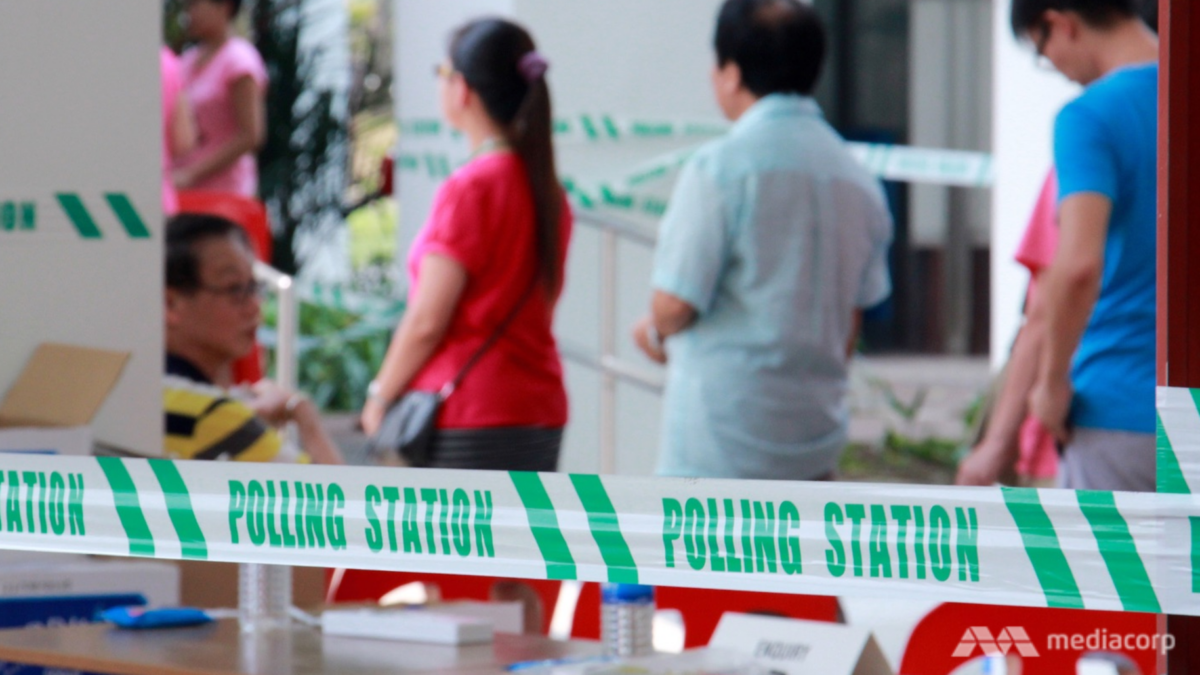
While recent events have triggered concerns over democracy and fundamental freedoms in Singapore, Seow Yongzhi argues that these debates conflate the terms “democracy” and “liberalism”. Democracies, as Yongzhi points out, can be highly illiberal. Instead, what Singaporeans want is not necessarily democracy, but liberty – the right to voice their disagreements.

A Historical Perspective on Singapore-China Relations: 1965-1975
10.24.19
In this research paper, Katherine Enright argues that Singapore-China relations from 1965-1975 can best be understood not merely as a bilateral relationship, but as one situated in a complex web of international political dynamics, both in relation to Cold War powers (the US and the USSR) and Southeast Asia. Singapore’s pragmatic foreign policy outlook – one that prioritised economic security and the balancing of international and regional powers – in turn influenced Singapore’s engagement with China and its reaction to broader Cold War dynamics. Ultimately, the confluence of these factors contributed to a dramatic warming in Singapore-China relations during this period.

Multi-Racial, Multi-Cultural, Multi-Sexuality
10.14.19
Who should take the step forward in the push for LGBTQ+ rights? Should leaders set the agenda, or should they react to societal pressure and preference? Ryan Kueh explores how the repeal of 377A aligns with Singapore’s political ethos and how Singapore’s Leadership can rise up to the task.