
Latest Article
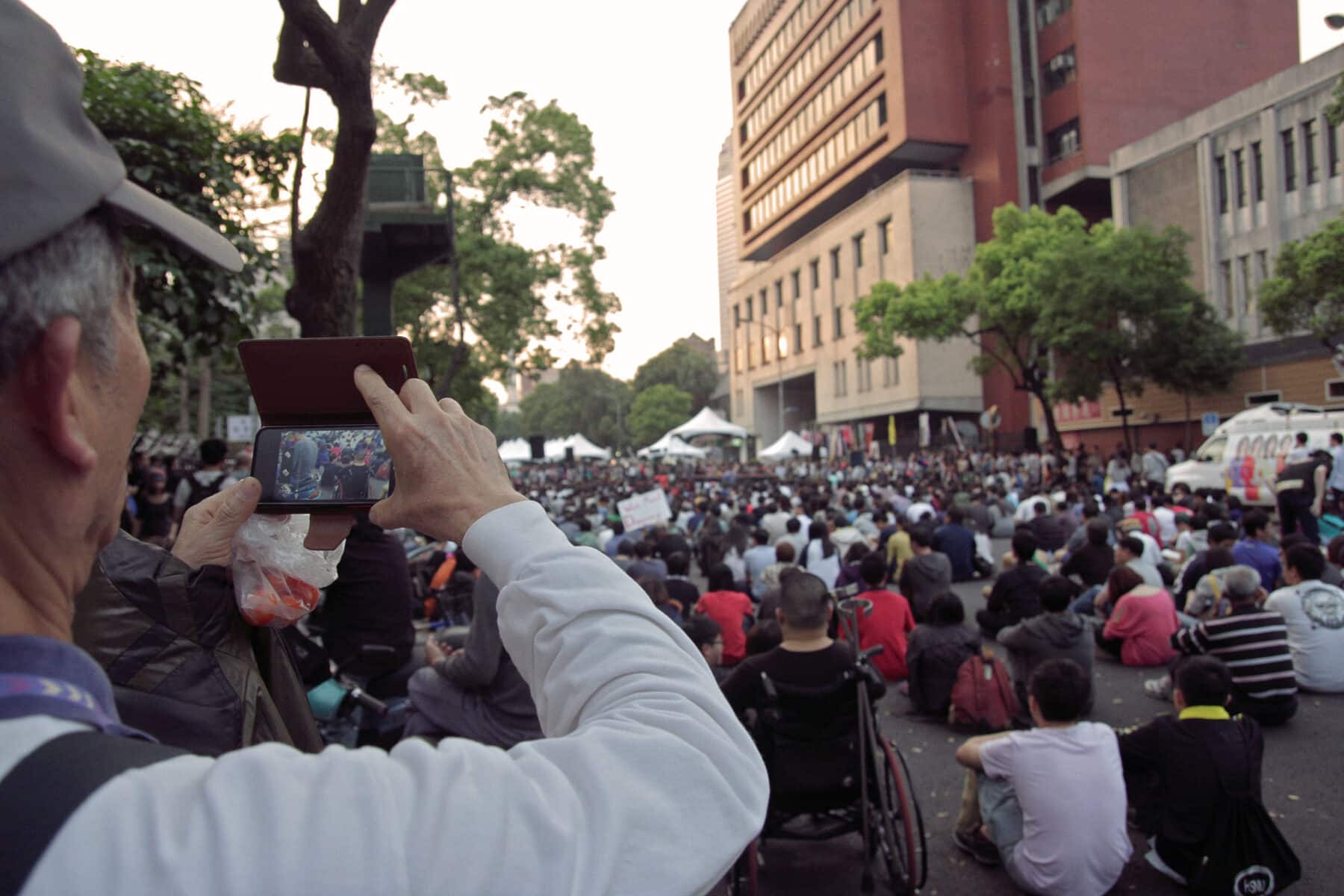
To Be Effectively Digital, We Need to Be More Human
I sat at the dining table on Christmas Eve, ready to meet my aunt at her favorite steak restaurant. When she arrived, she seemed frustrated and exclaimed, “Marvin, I don’t understand what is happening. I need to make a medical appointment and pay my bills. I can’t seem to do that now.” It was not […]Explore all Articles
filter by–Region
filter by–Country
search by–Keyword

Reimagining Policing In America
01.20.22
Reimagining Community Policing In America

Reclaiming Our Identity Is Reclaiming Our Dignity
01.10.22
People of Afro-Japanese heritage like me (I am Ghanaian-Japanese) are not considered “true” Japanese due to our darker complexion. People like me are often bullied at school or made to feel like foreigners in our own country. However, we represent Japan too; we are becoming more visible and growing in number. From Naomi Osaka, the […]

Red Lists, Black Lists & Travel Bans: Solidarity and not Stigmatization can Combat COVID-19
01.6.22
The UK Government recently abandoned its controversial red list, which had only allowed UK citizens or residents traveling into the UK from Angola, Botswana, Eswatini, Lesotho, Malawi, Mozambique, Namibia, Nigeria, South Africa, Zambia, and Zimbabwe, but not residents of those countries. The UK Government has now deemed the policy “no longer effective or proportionate” as […]

I Love who I Have Become
01.3.22
The pandemic has been emotionally overwhelming and transformative – both for personal and professional reasons. There was so much uncertainty about the future and our agency in how we could lead our lives that it was really important to deal with the situation head on. COVID-19 has claimed the lives of many family members and […]

Harvard Kennedy School 2021 Diversity Report
12.29.21
Harvard Kennedy School 2021 Diversity Report

Claiming My Identity’s Journey
12.27.21
This piece is a continuation of the Anti-Racism Policy Journal’s collaboration with Collateral Benefits.

A Lexicon for Climate Justice
12.20.21
*Excerpt from a piece that will be published in the print/and digital editions of The Anti-Racism Policy Journal*
A Lexicon for Climate Justice

From Paris to Death and Chaos
12.19.21
“The Anti-Racism Policy Journal is happy to partner with Collateral Benefits and Manos Visibles to bring you “Voices of the African Diaspora”, a series of perspectives from Afro-descendants across the world on surviving, overcoming, and transcending COVID-19. Collateral Benefits is a platform that through perspective papers aims to lift up the voices of African and Afro-descendant people from all walks of life so that their intellect, wisdom, and experiences can contribute to and shape the global conversations on the critical issues of our time.”
This piece is the first essay of the series we are publishing today.

Road to UHC: African leaders must build on lessons from COVID-19 to achieve Universal Health Coverage
12.18.21
The goals of Universal Health Coverage (UHC) are laudable, but also ambitious and complex. Achieving a world in which all people get the health services they need without financial hardship requires bold actions from governments. In practice, this means that countries must be capable of ensuring the continuity of essential health services while addressing […]
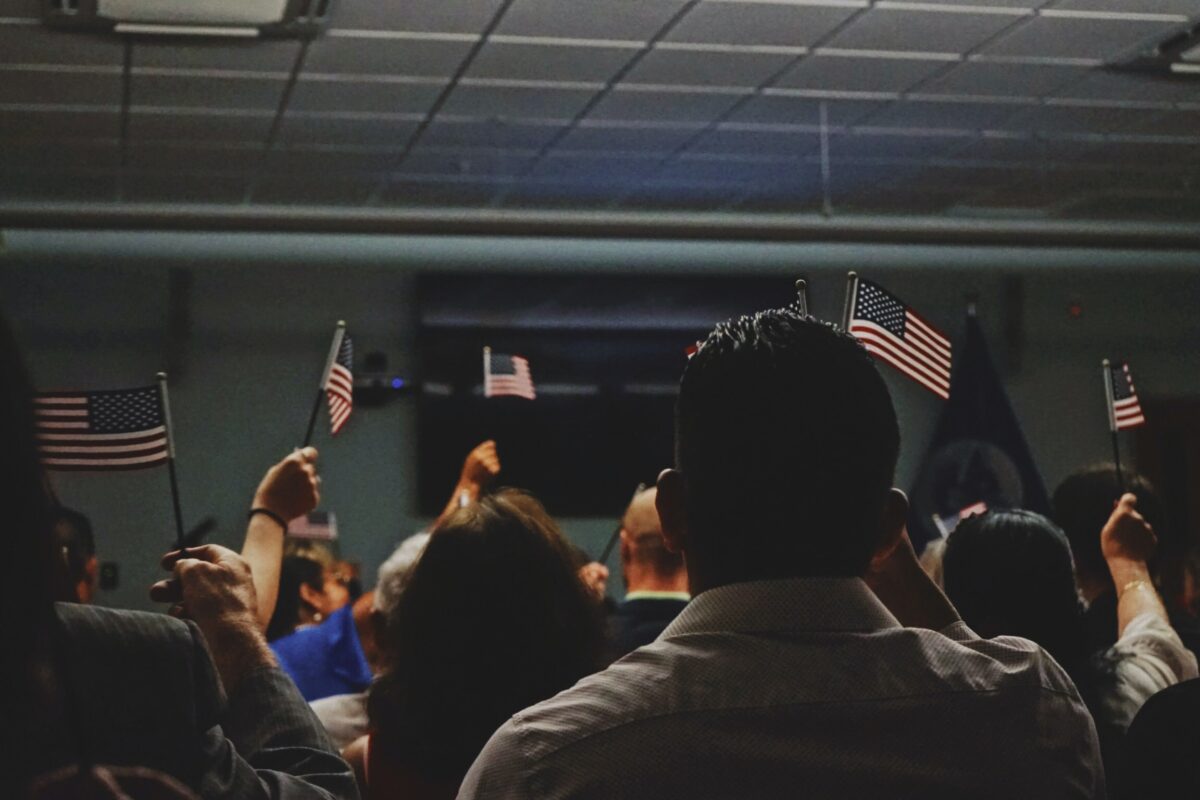
VP Harris Can Grant Citizenship to Over a Million Asian Americans. Will She Do It?
12.13.21
For the millions of undocumented immigrants who have lived in the shadow of deportation for too long, a major expansion of the pathway to citizenship cannot be further delayed. “How much longer am I willing to wait?” asked an undocumented community member interviewed by one of the authors. “The older I get and as time […]

How Mayor Michelle Wu Can Put Racial Equity in the Fast Lane
11.24.21
While the Mayor doesn’t control the MBTA directly, she can make Boston’s transit system more equitable from day one. Jonathan Timm outlines four strategies for advancing racial equity in Boston’s public transit system.
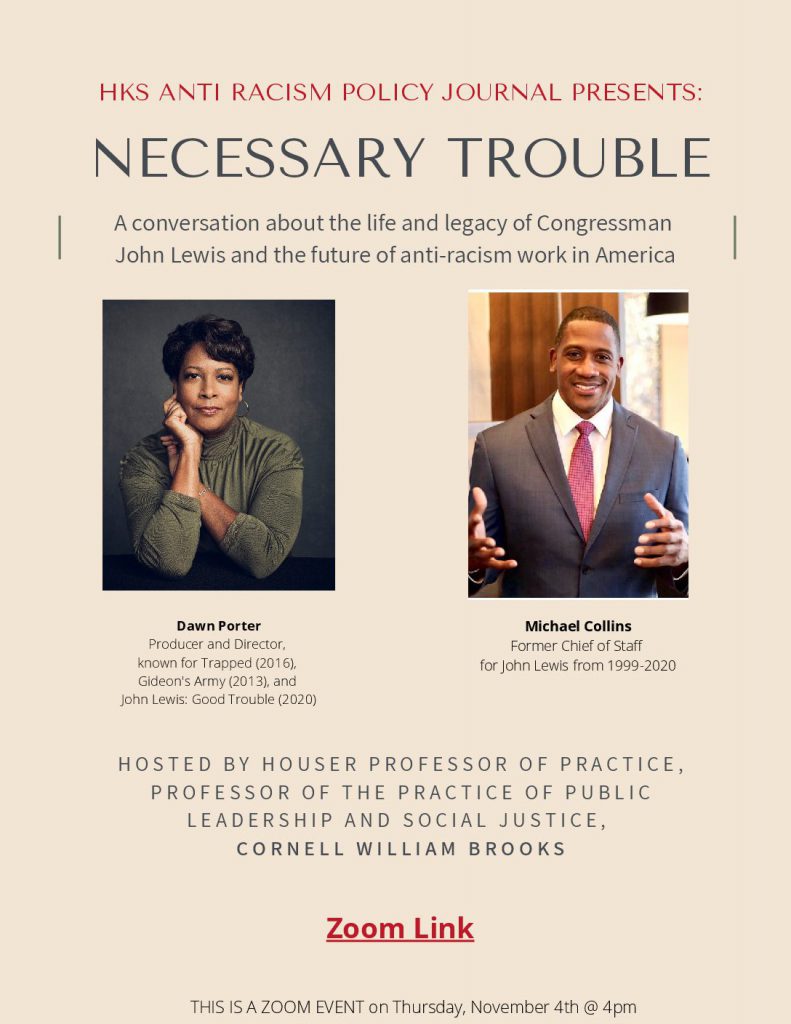
WATCH: Necessary Trouble: A Conversation on the Life and Legacy of Congressman John Lewis
11.24.21
On the 35th anniversary of John Lewis’ first congressional electoral victory, the Anti-Racism Policy Journal, a Harvard Kennedy School Publication, and the Harvard Center for Public Leadership celebrates the life and legacy of Congressman Lewis and the future of anti-racism work in America.