Gender, Race and Identity
How do gender, race, class, and other aspects of identity affect the policymaking process? Can public policy help create equitable and harassment-free workplaces?
Latest Article

Addressing Crisis Pregnancy Centers in Wisconsin Through Gubernatorial Action
With this limited window for change, the governor of Wisconsin must advance efforts to bolster reproductive health and combat CPCs by January 2027, before his current term concludes.Explore all Articles
filter by–Region
filter by–Country
search by–Keyword
Why We Should Keep Talking about Affirmative Action
01.16.19
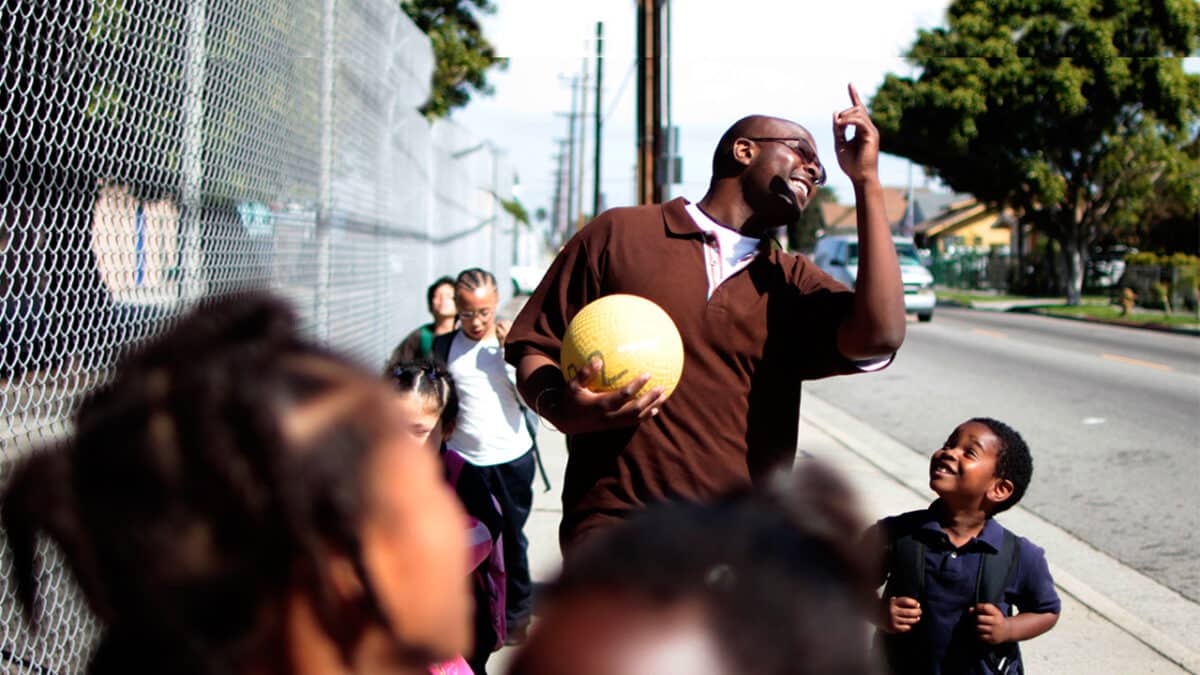
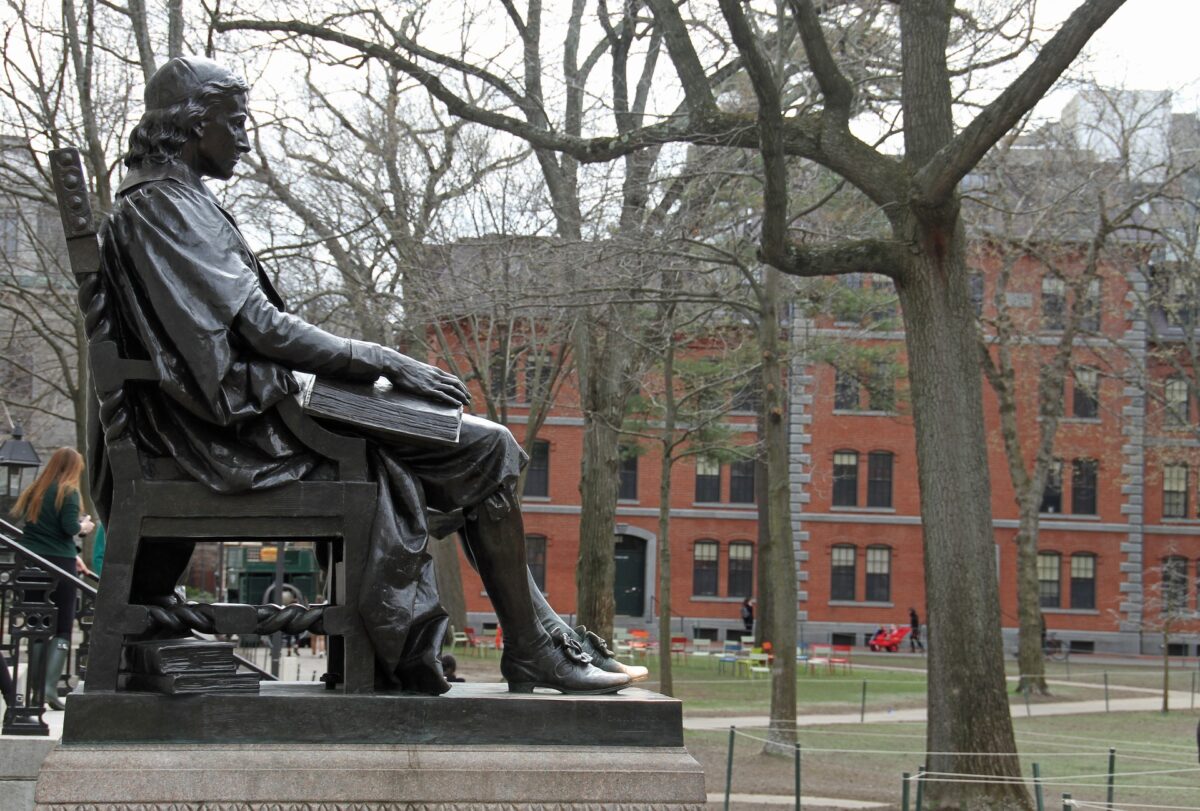
BY PRIYANKA KAURA I talked about affirmative action way more than I planned to this fall, and I’m not going to stop. It began as a reaction to the divisive Students for Fair Admissions v. Harvard lawsuit, in which a group of Asian Americans led by Edward Blum claimed that Harvard’s admissions process is discriminatory. […]
Centering Women of Color through Intersectional Policymaking: Let’s Start with Abortion Access
01.7.19
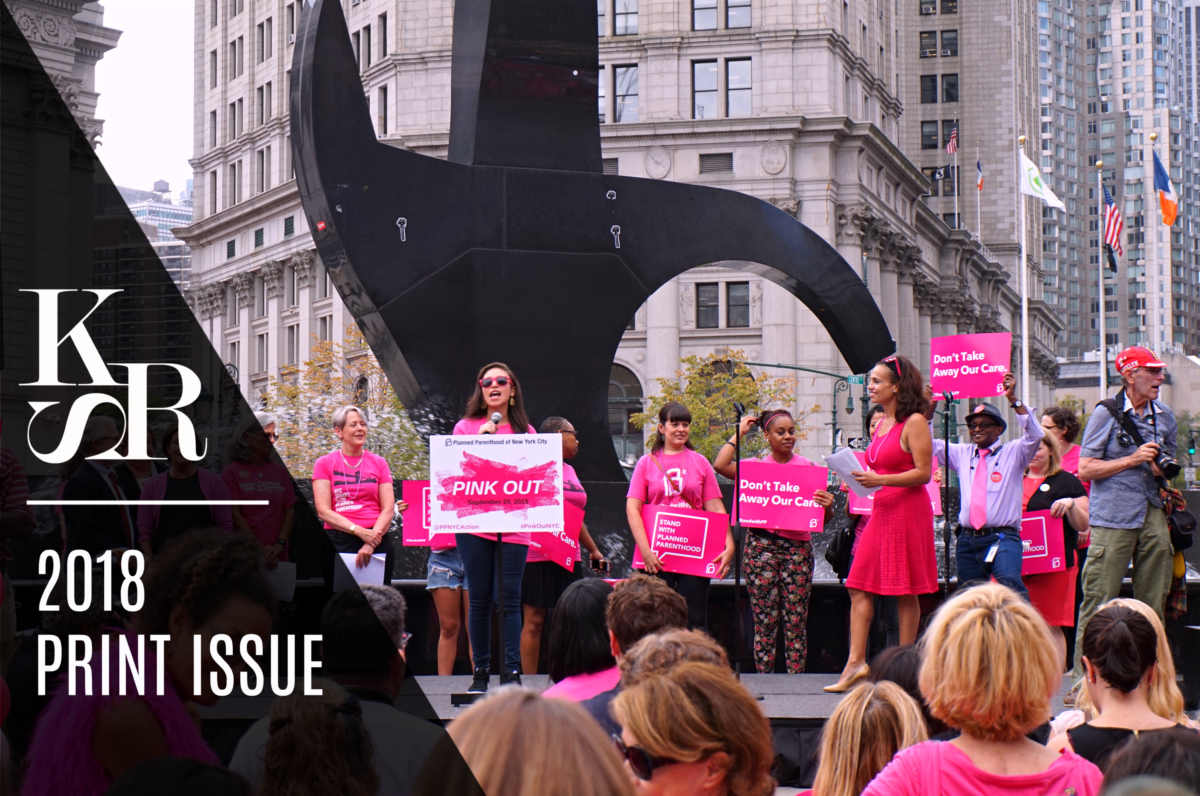
BY AMANDA MATOS Womanhood is not a monolith, and yet policy makers—and the legislation they champion—treat women as if they are all of one race, class, and sexual identity. While political, public rhetoric around women’s empowerment may rally the masses, it also projects a naïve idea that all women’s experiences are the same. True solidarity […]
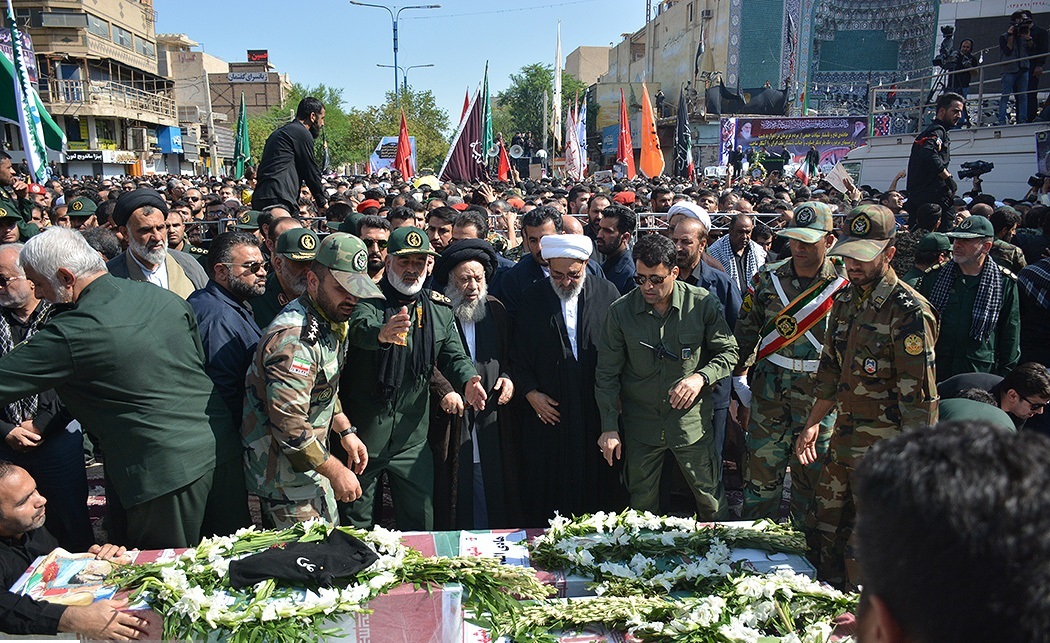
The Forgotten Arabs of Iran
01.3.19
An Iranian Revolutionary Guard parade in Ahwaz, the capital of the Khuzestan province of Iran, ended in chaos in September when four gunmen opened fire on an assembled crowd of troops, civilians and children. Assailants dressed in military garb killed at least 25 people and wounded about 60 more at the parade that was meant […]

Dads can close the gender pay gap
12.21.18
Want to close the gender pay gap? Get men to look after their kids. BY ELLIOTT JAMES In the past 50 years, we’ve seen millions of American women join the workforce, deployed 300,000 to Iraq and Afghanistan, sent hundreds to Congress, appointed four to the Supreme Court and launched 40 into space. Which for some […]
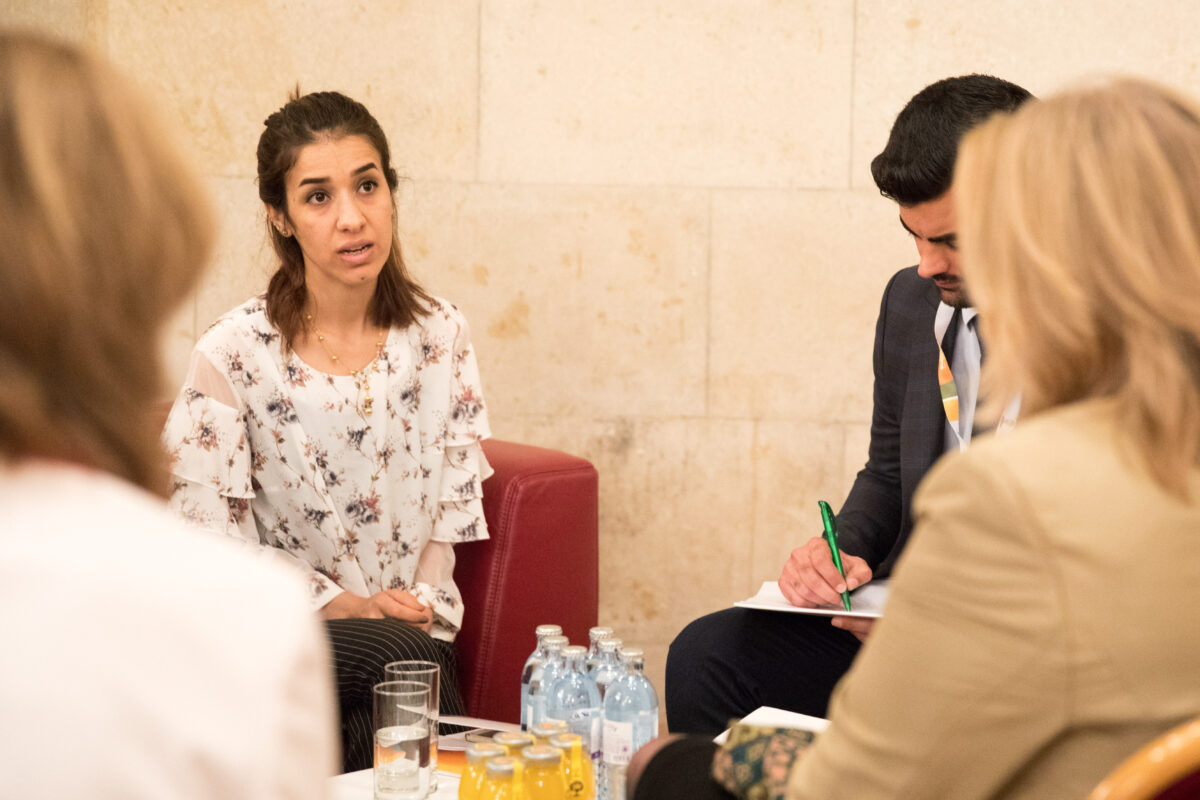
Remembering “Comfort Women” in South Korea and Beyond
12.13.18
BY WON-MO KOO Just four years ago, Nadia Murad, co-recipient of this year’s Nobel Peace Prize, was one of the thousands of Yazidi women sexually enslaved by ISIL. Since her escape and despite multiple death threats, Murad spoke publicly of the atrocities she suffered. Her courage in calling international attention to the often-overlooked issue of […]

Race Riot Roots: Looking back on the 1992 Los Angeles Riots and finding routes to healing
11.15.18
On the 27th anniversary of a little-known Los Angeles trial, Andrew Cha looks back on the context from which the LA Riots emerged and offers a way forward through policy and community action. On a Saturday spring morning in March 1991, a 15-year-old African American girl picks out a bottle of orange juice at a […]

Individual Bias or Systematic Discrimination? Clarifying the Legal Stakes of Students for Fair Admissions v. Harvard
11.15.18
BY NATHANIEL EISEN What are the stakes of Students for Fair Admissions (SFFA) v. Harvard? Is affirmative action on the line, or just the jobs of a few discriminatory admissions staff? Experts disagree. The lawsuit, brought by a group representing Asian Americans who claim they were denied admission to Harvard College based on their race, […]
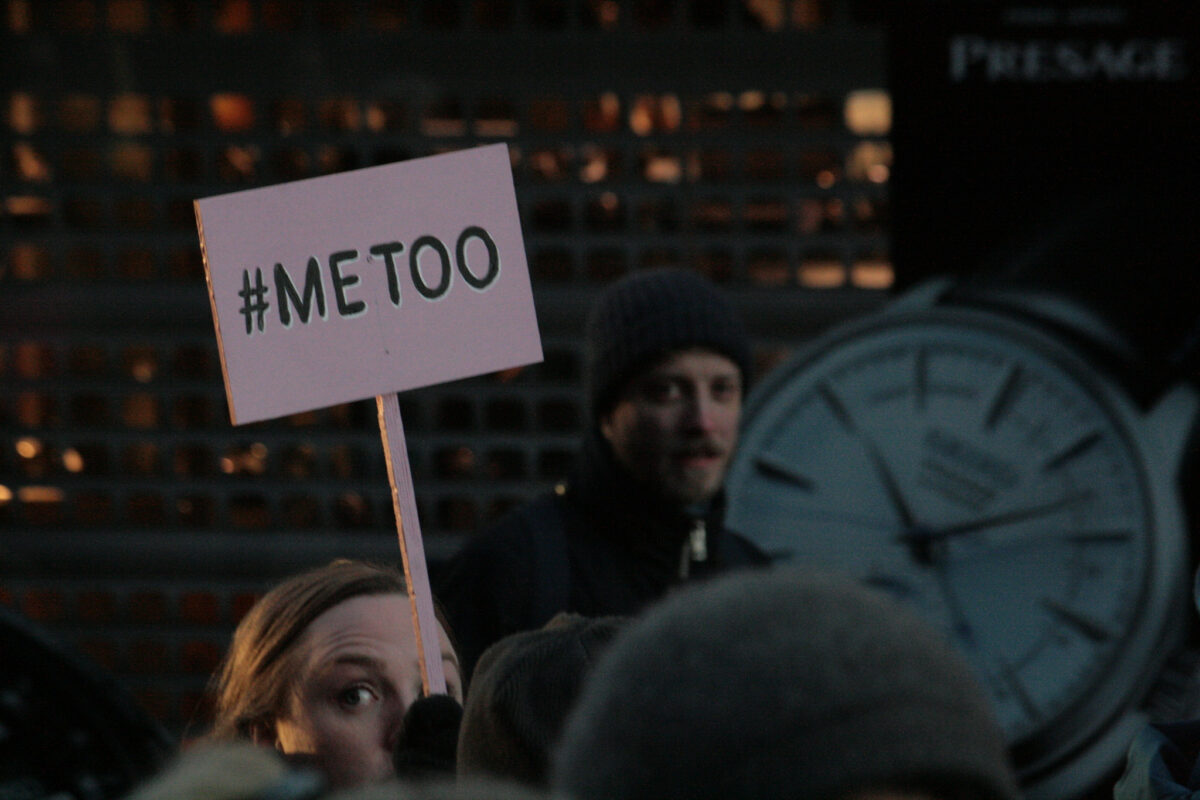
#MeToo Explained: Ending “Boys Will Be Boys” Culture
11.12.18
BY EVELYN NAM When Dr. Ford was asked what she remembers to be the worst about her experience of sexual assault, she responded: “the laughter – the boys laughing at me at my expense.” A few days later, the President of the United States made a punchline of Dr. Ford at a rally, and thousands […]
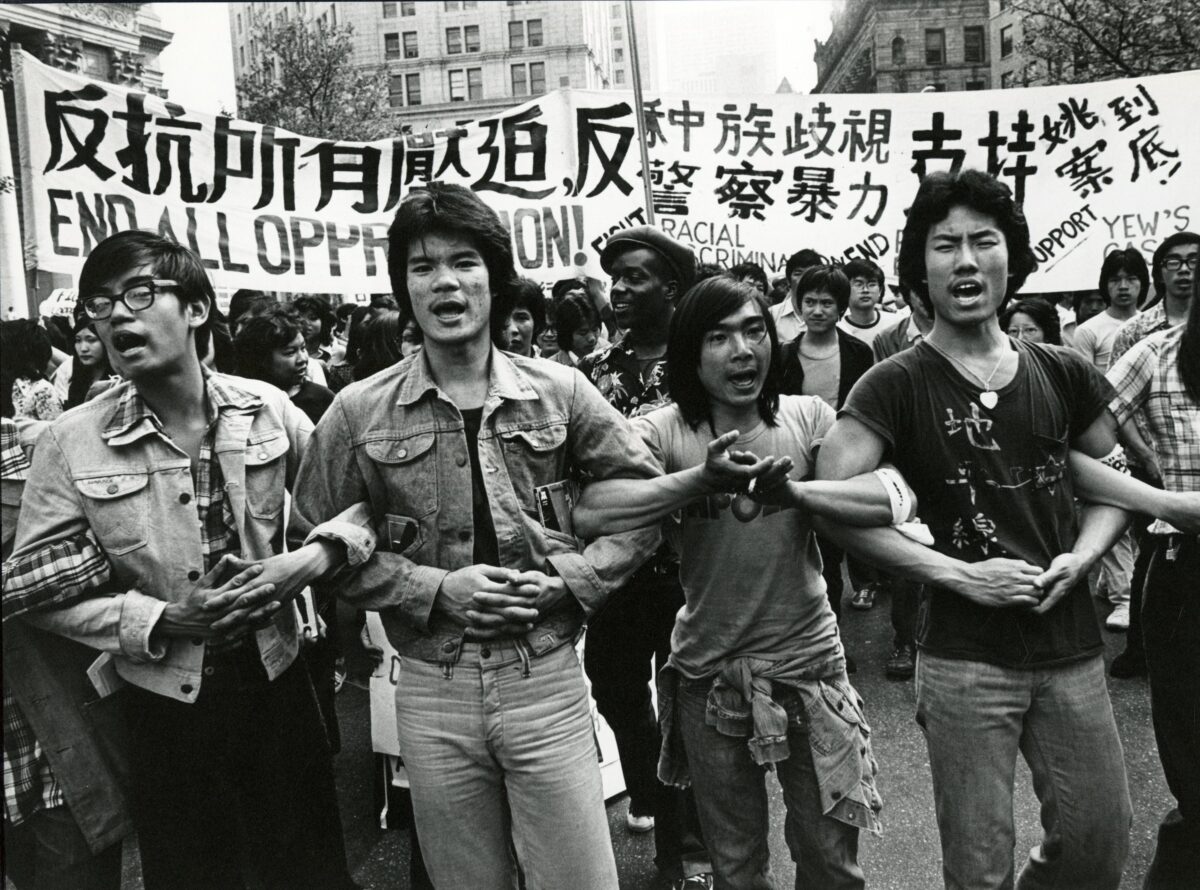
Model Minority Mutiny: Whiteness is a Plague
10.11.18
This piece was published in the 28th print volume of the Asian American Policy Review. Asian American identity has historically been one of resistance, subversion, and protest. In both courts and communities, Asian Americans have fought for the right to citizenship[1], educational access[2], fair treatment[3], and working conditions[4] since the late 1800s. On U.S. plantations, […]

Sustainable Communities for Whom: Cultural Tactics in the Pursuit of Ecological Sustainability
10.3.18
This piece was published in the 28th print volume of the Asian American Policy Review. “Sustainable development is development that meets the needs of the present without compromising the ability of future generations to meet their own needs.”– Brundtland Report (1987), United Nations World Commission on Environment and Development “Social sustainability concerns how individuals, communities […]
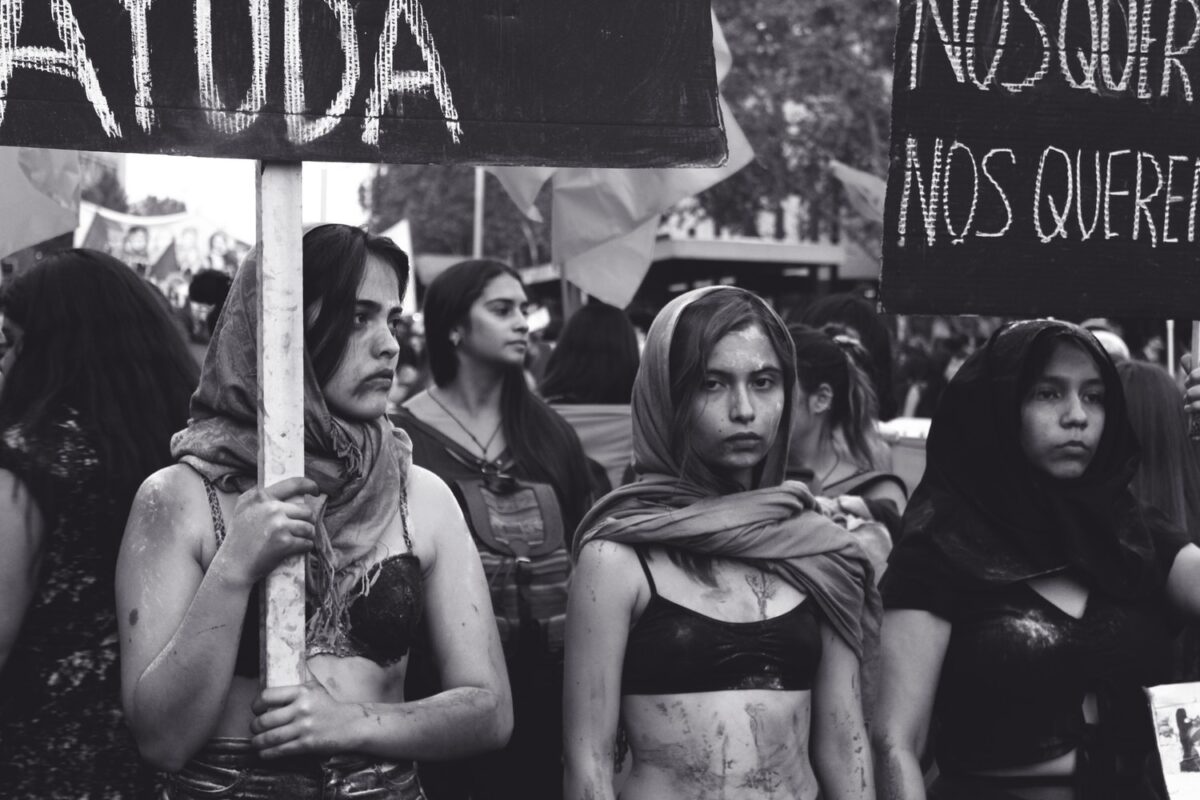
The mass killing of women activists in Latin America: making political violence visible
09.18.18
In 2017, Latin America was described by the UN as the world’s most violent continent for women. The assassinations of women activists and community leaders have continued across the region in 2018. While the killing of Marielle Franco, a favela community leader, and the unraveling of government-private enterprise collusion in the 2016 killing of Berta […]
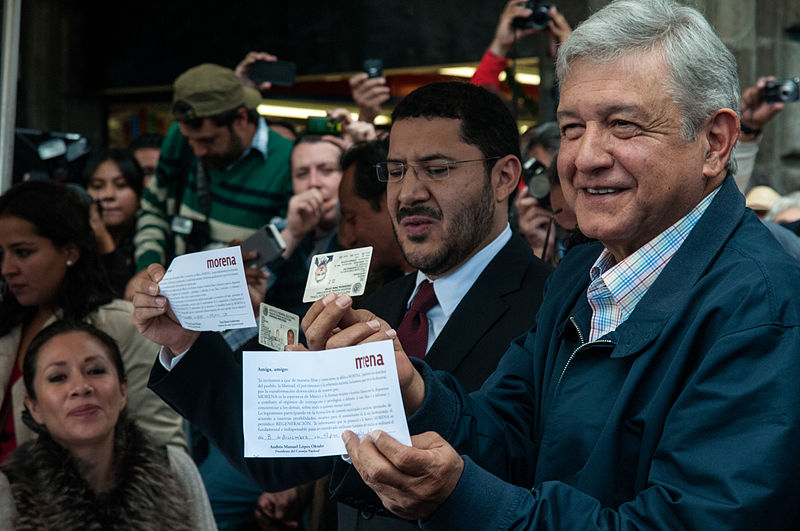
Mexico Achieved Gender Parity: Does it Matter?
09.17.18
BY DANIELA PHILIPSON In 2017, the average proportion of seats held by women in national parliaments was barely above 23% (World Bank). In Latin America this proportion is a little higher at 29%. While the representation of women in legislative bodies around the world is not predicted by GDP per capita or any other economic […]
How do we improve access and opportunity for all?
What are the most crucial human rights issues of our time?
Poverty, Inequality and Opportunity
What role should governments play in alleviating poverty?
How do we create strong, healthy, and just societies?