
International Relations and Security
How do we create a more secure world? From cyber breaches to nuclear threats, how can policymakers mitigate the security challenges of our times?
Latest Article
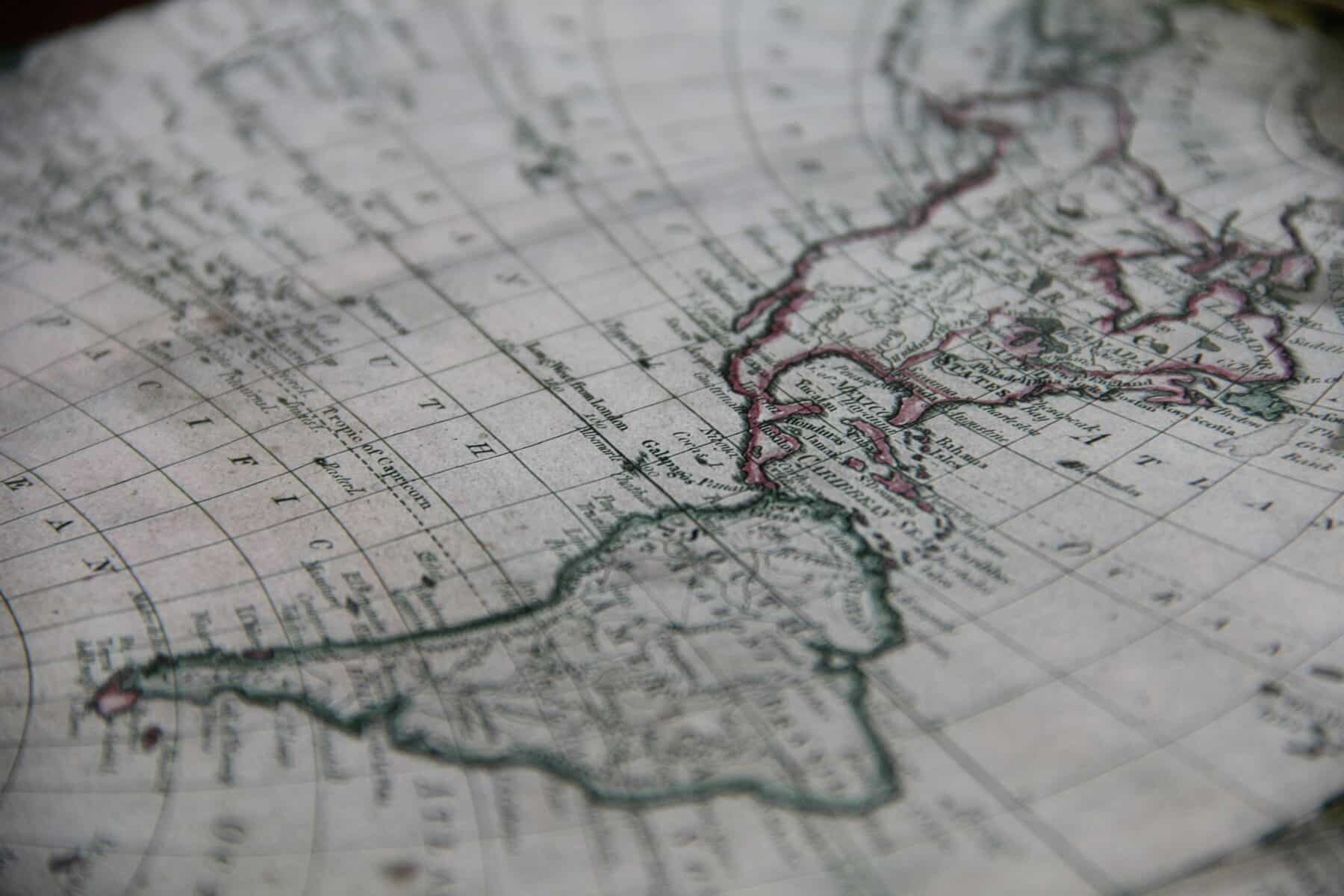
Why Marshall, Not Monroe, Best Serves U.S. Interests in Latin America
Power built through partnership, not dominance, is what will secure long-term leadership in the region.Explore all Articles
filter by–Region
filter by–Country
search by–Keyword
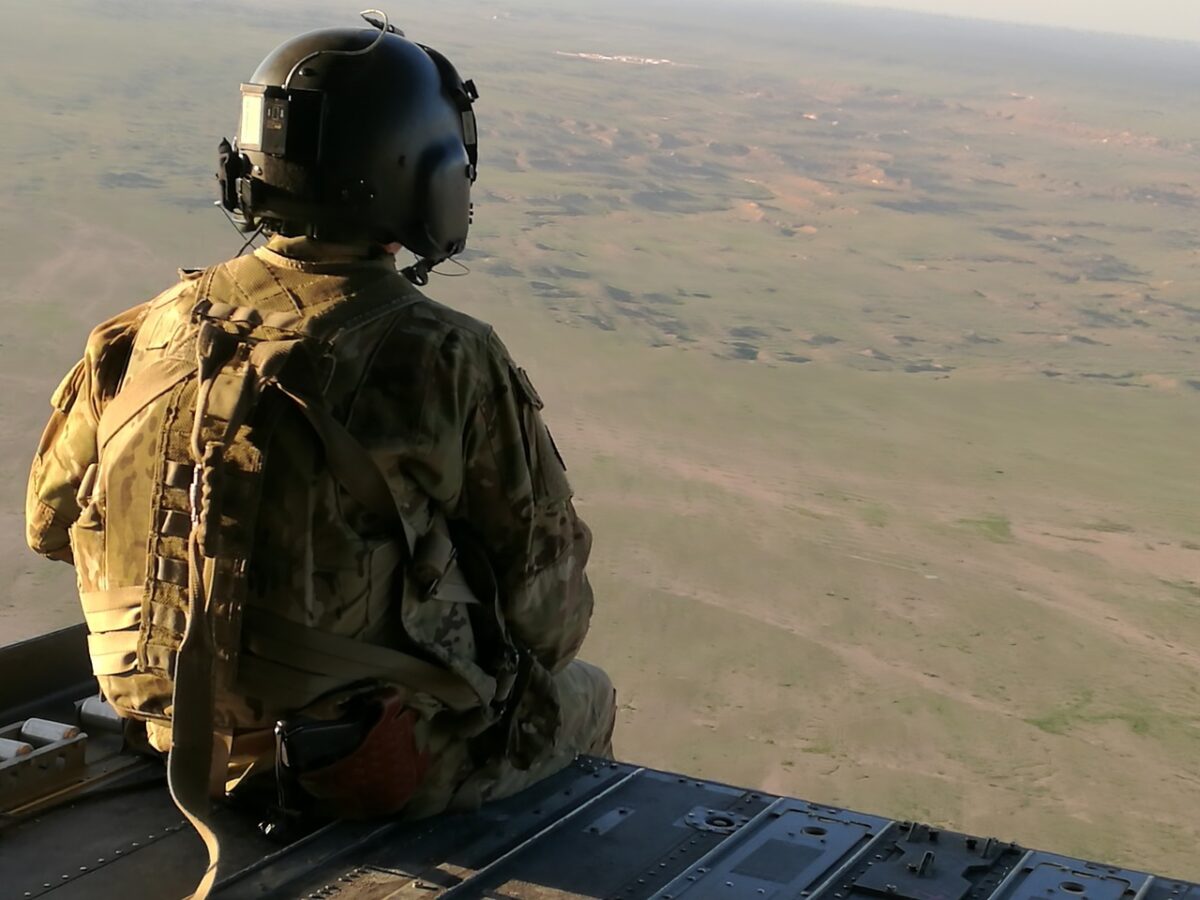
Repeating History: An Iraqi-American’s Appeal to Avoid War with Iran
08.1.19
Though I was born at a time when Iran and Iraq were at war with each other, no conflict has been more formative to my identity than the 2003 US-led invasion of Iraq. Years after Secretary of State Colin Powell delivered his now infamous address at the U.N. accusing Iraq of threatening the post-9/11 world […]

Harnessing Data at the Speed of War
06.25.19
Introduction Decades of parochialism within the U.S. military fostered isolated digital networks that force the user to serve as integrator, squandering organizational energy and intellect. For the past 18 years, the U.S. and our partners have been fighting counterinsurgency and counterterrorism wars in Iraq and Afghanistan. In these theaters, arcane methods of digital collaboration with […]
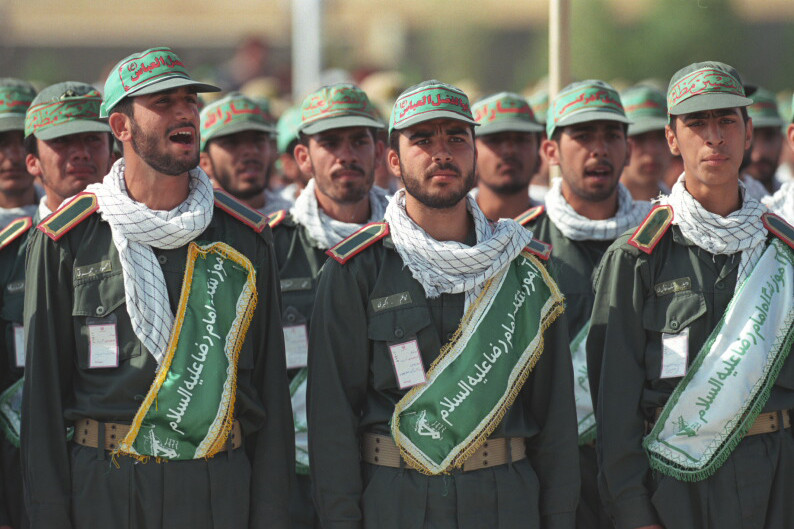
If Iran’s Revolutionary Guard Corps is a terrorist organization, so are other state-run groups
05.28.19
In early April, the Trump administration designated Iran’s Islamic Revolutionary Guard Corps (IRGC), a branch of Iran’s military, as a terrorist organization. The decision was unprecedented. As Trump himself noted, the IRGC designation marked “the first time that the United States has ever named a part of another government as a[n] FTO” (Foreign Terrorist Organization). In […]
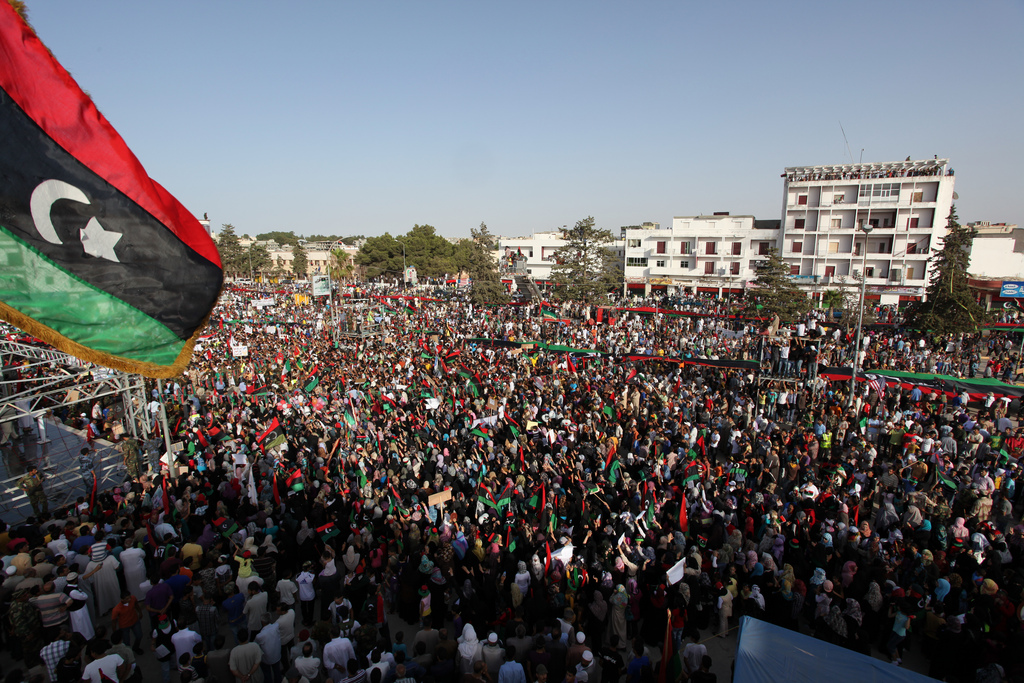
The fate of Tripoli and the democratic dream for Libya
04.14.19
The deadly conflict in Tripoli will make it more difficult to find areas of compromise between hardened Libyan factions. However, the alternatives are continued chaos, or weak authoritarian rule under Haftar.
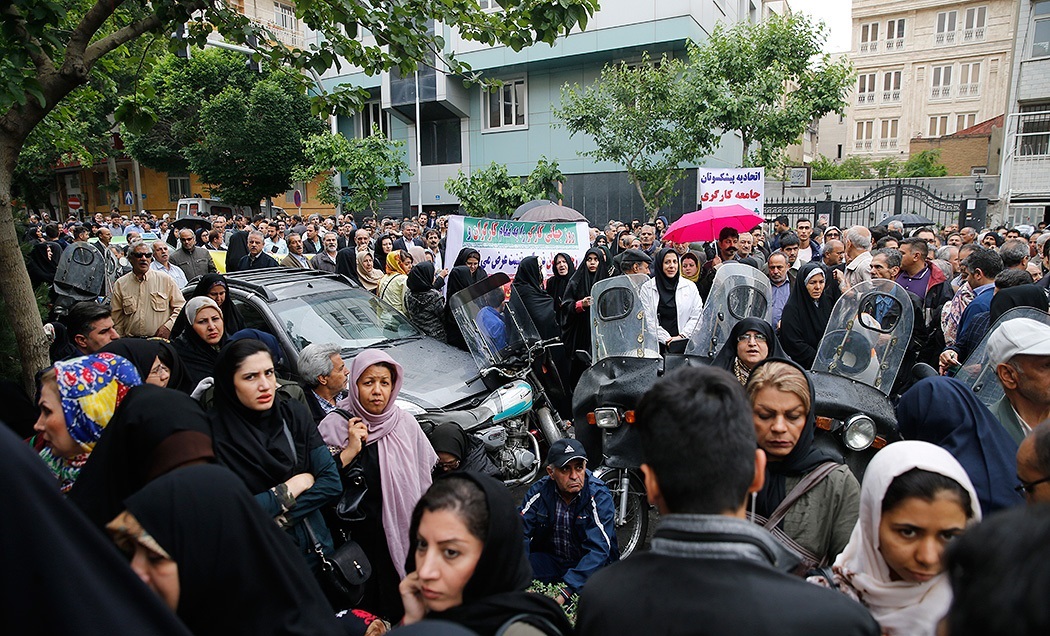
The politics of hope: a nation’s patience tested
03.27.19
Iran’s citizens, who have clung to hope and the possibility for change through decades of domestic repression and isolation from the global economy, struggle to remain hopeful. By further undermining Iran’s civil society through a damaging, sanctions-forward policy, the U.S. risks weakening the aspirations of Iranians for a peaceful future where equality and human rights are respected.
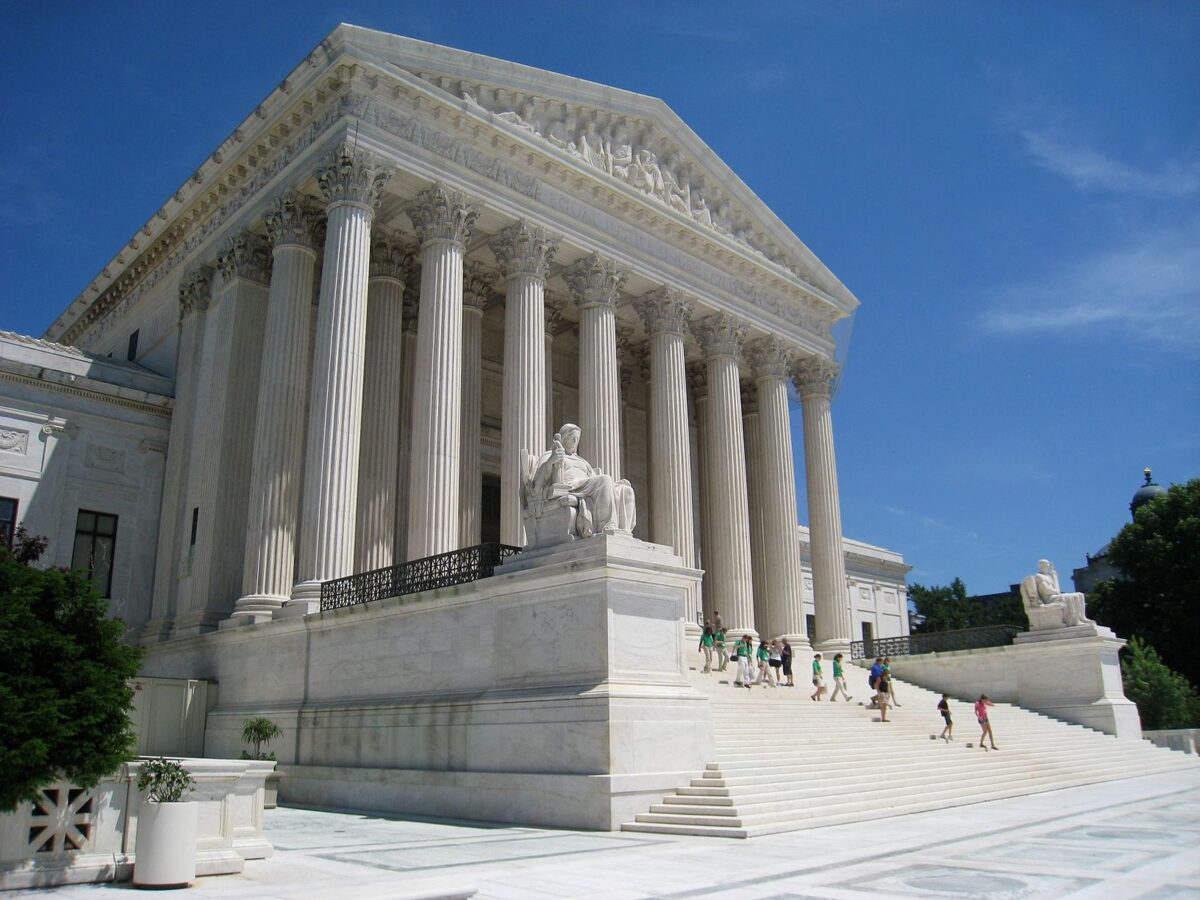
Constraining U.S. foreign policy by enforcing current law: a series on Congress’s options to limit arms sales and aid to Saudi Arabia, part 3
03.21.19
To secure a court order, Congress must show that the executive’s refusal to follow the FAA and the Leahy laws uniquely injures the legislative branch in a way that only the courts can remedy.

Current law constraining the President: a series on Congress’s options to limit arms sales and aid to Saudi Arabia, part 2
03.21.19
The White House’s Saudi policy implicates at least four pieces of existing legislation. If the President refuses to obey them or cuts corners, Congress can bring him to heel directly via impeachment, or indirectly through court orders that force executive branch agencies to halt the restricted activity.
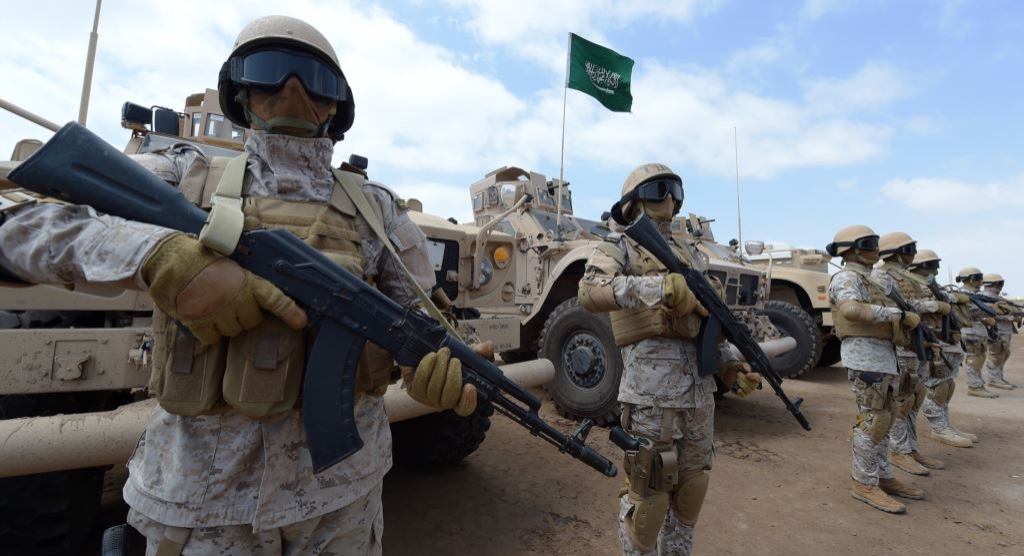
Facing a President’s veto: a series on Congress’s options to limit arms sales and aid to Saudi Arabia, part 1
03.21.19
Even without a two-thirds majority, Congressional representatives determined to hold Saudi Arabia accountable for its flagrant violations of international law could dodge the veto and limit the President’s actions by enforcing existing laws that nominally prevent the U.S. from supporting states that violate human rights.
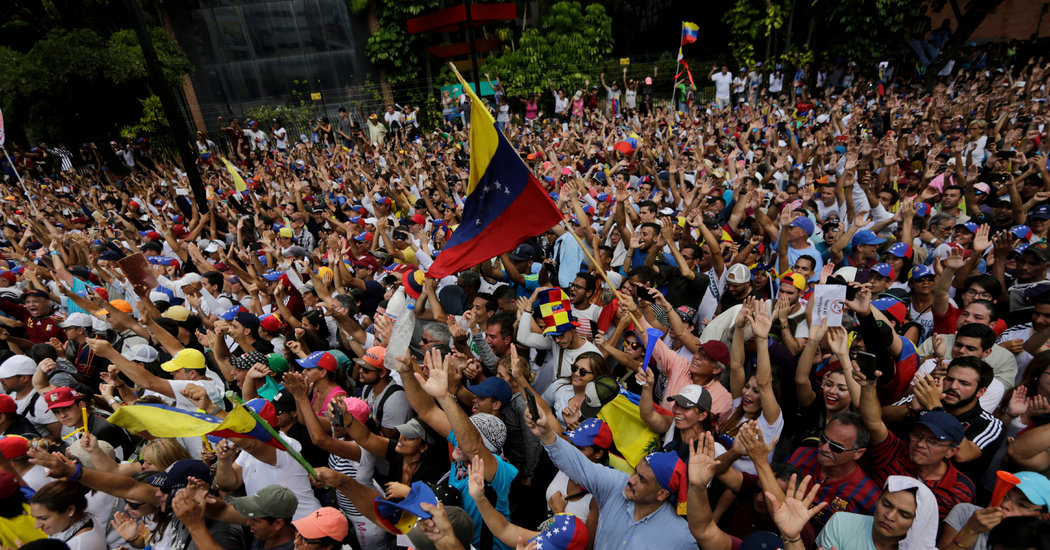
Plate Tectonics: Global Affairs and the Political Earthquake of January 2019 in Venezuela
03.18.19
The events that started in January 2019 in Venezuela are driven primarily by Venezuelans’ desire for change, but for many international observers and social media commentators natural resource wealth took the spotlight. Whether it was a critique of the United States’ involvement or a thesis to explain the interests of other neighbors and major powers, […]
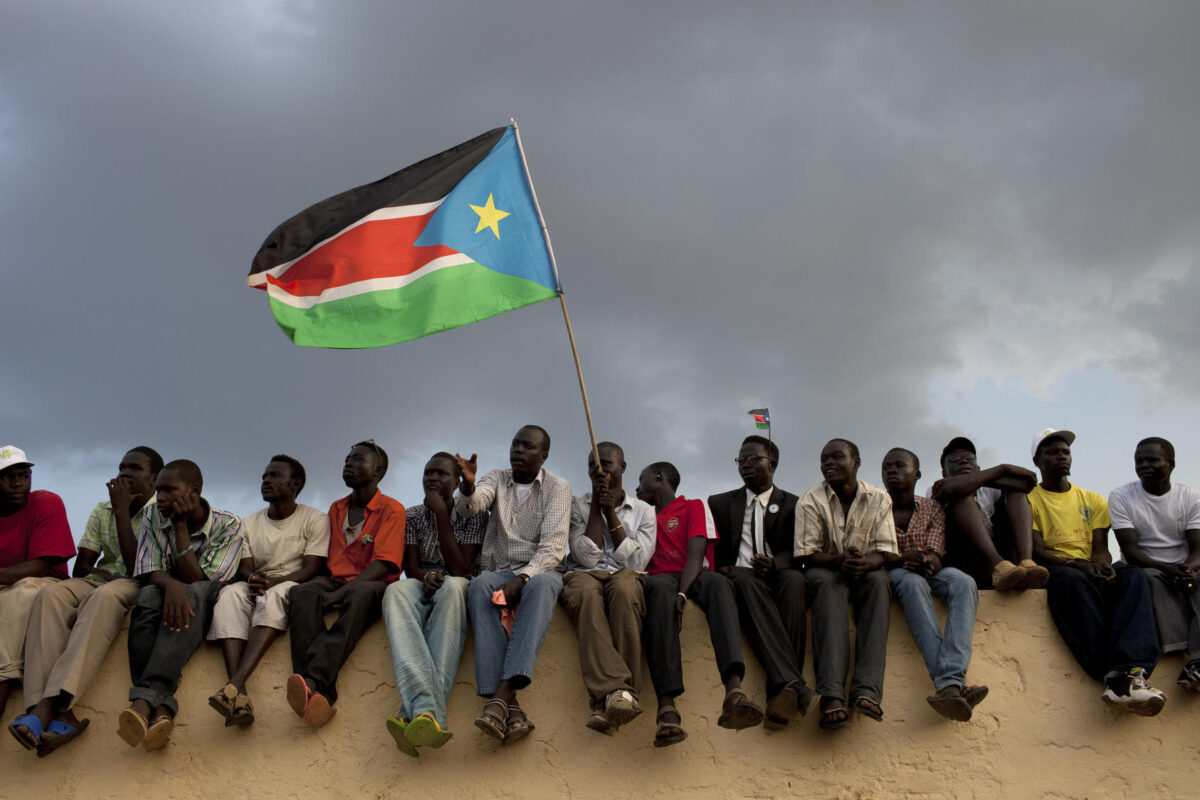
Enhancing South Sudan’s Prospects through Advancing an Ambitious Security – Development Agenda
03.14.19
Abstract This article focuses on the transitions which have taken place in the recent history of South Sudan and assesses their impacts on its future political and economic prospects. The paper argues that there are three broad areas in the security – development nexus which must be addressed before South Sudan’s national security can substantially […]
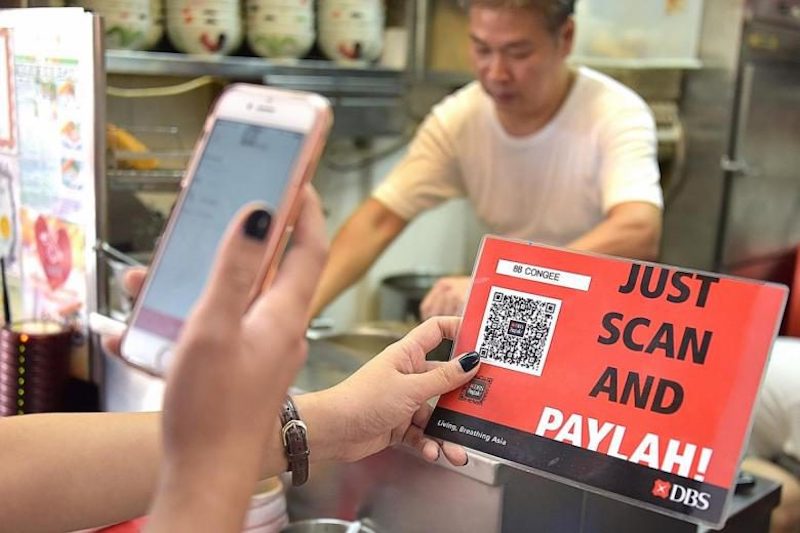
Rethinking the Push Towards a Cash-Free Society
03.3.19
As part of the Smart Nation initiative, the government has been pushing for Singapore to go fully cashless within the next few years. Soh Kian Peng lays out the benefits and drawbacks of this move and explains why a complete switch away from cash might not be desirable.
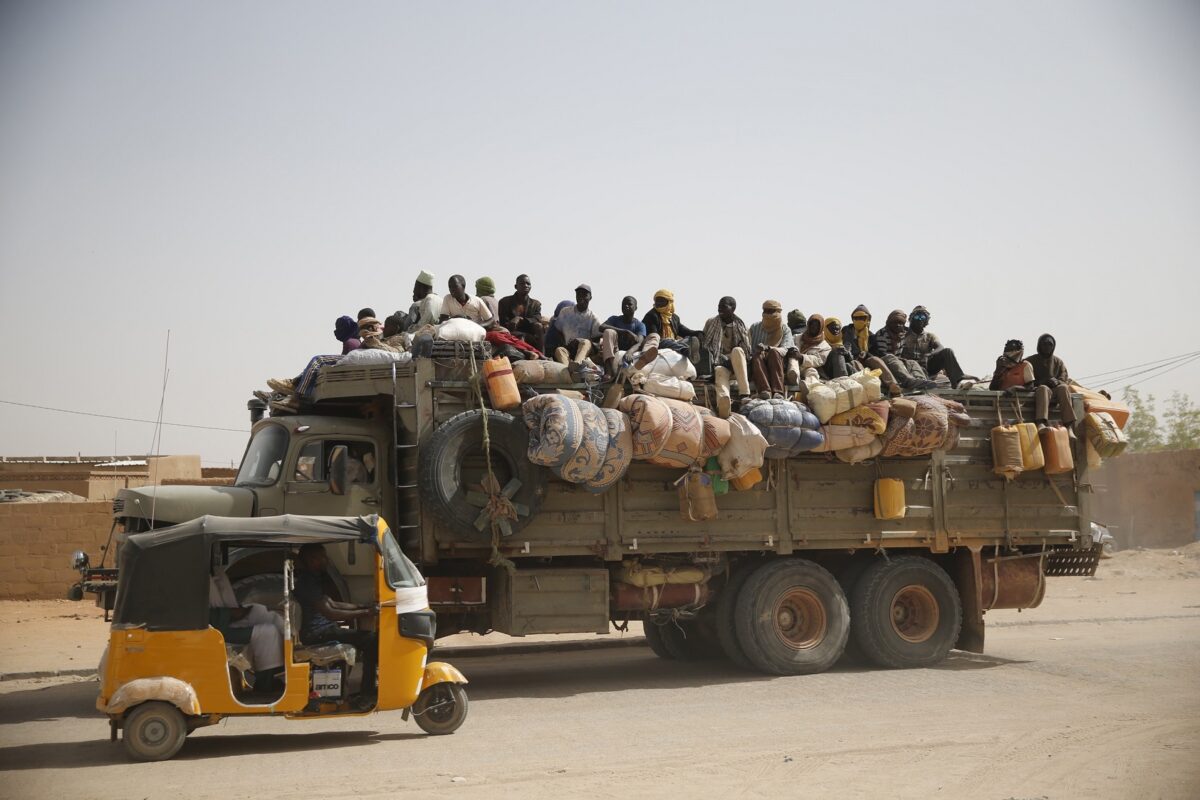
How Africa Can Adopt a Pan-African Migration and Development Agenda
02.25.19
Abstract Although most African migration is voluntary, safe, orderly, and regular, policymakers tend to pander to popular narratives of an irregular “swarm” of African nationals invading the West. African migration occurs primarily within the continent, representing broader processes of political, economic, and social development by contributing to growth rates, promoting regional economic integration, and fostering […]
What challenges come with a more interdependent world?
What happens at the intersection of business and government?

How is technology changing the public sphere?
Social Innovation and Philanthropy
Can social innovation help solve public challenges?