

International Relations and Security
How do we create a more secure world? From cyber breaches to nuclear threats, how can policymakers mitigate the security challenges of our times?
Latest Article

The Transatlantic Alliance Isn’t Dead. Treating It That Way Could Make It So.
The transatlantic alliance is increasingly described today in terms of decline, rupture, and even collapse.[1] Political leaders and commentators on both sides of the Atlantic have openly questioned whether the relationship can endure in its current form. From warnings that it is “broken” to claims that it is effectively “over,” the narrative of a fading […]Explore all Articles
filter by–Region
filter by–Country
search by–Keyword
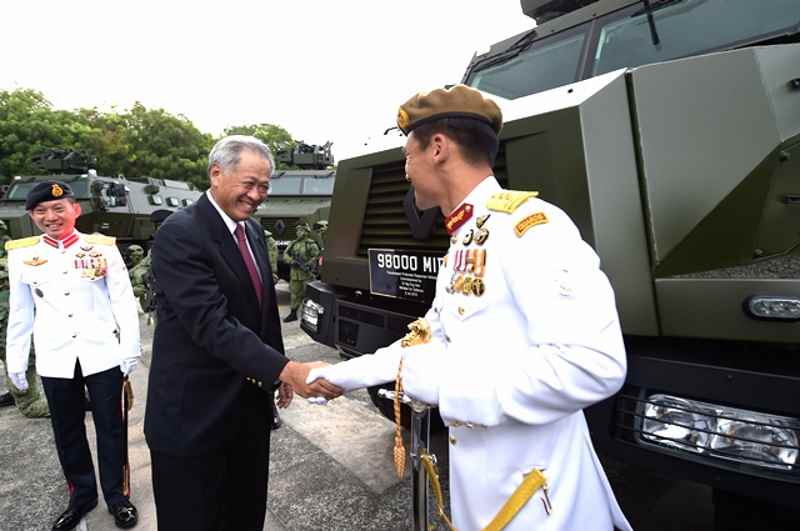
The Management of Threats in Singapore: Civil-Military Integration
01.3.20
In this paper, Isaac Neo explores why Singapore’s historical experience with high levels of internal and external threat have not resulted in degraded civilian control over the military, despite existing Civil-Military Relations models predicting such an outcome. He argues this is due to the effective demarcation of responsibility between civilian institutions and the Singapore Armed Forces, along the lines of internal and external threat management. This is reinforced by the subordination of the military to a broader notion of security through the Total Defence framework. Lastly, there is a sustained effort to civilianise the military sphere, through National Service and other administrative structures.
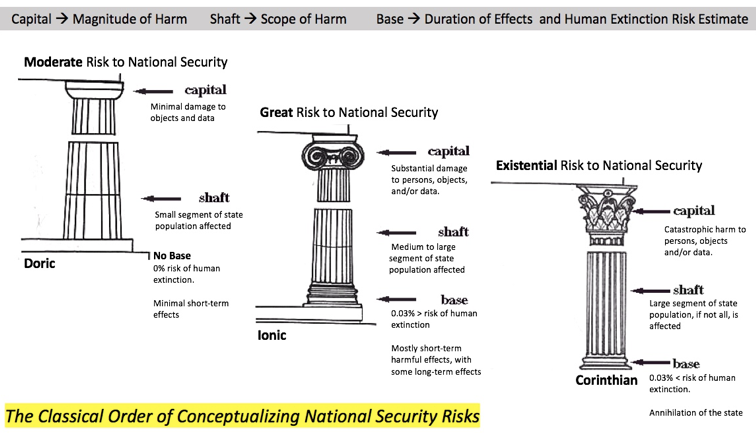
Borrowing a Column from Thomas Jefferson: The Architecture of National Security Risks
12.27.19
In exploring what constitutes an existential risk – something that threatens the extinction of intelligent life – we evaluate the significance of an electromagnetic pulse (EMP) threat both naturally occurring and manmade.
The Disjointed State of US–Africa Affairs
12.10.19
Africa in the 21st century is young, urban, and digitally connected. More than half of all Africans are younger than 20. By mid-century, more Africans will migrate to cities than on any other continent in the world, seeking opportunity across both physical and digital spaces. Sub-Saharan Africa has experienced the highest growth in internet usage […]
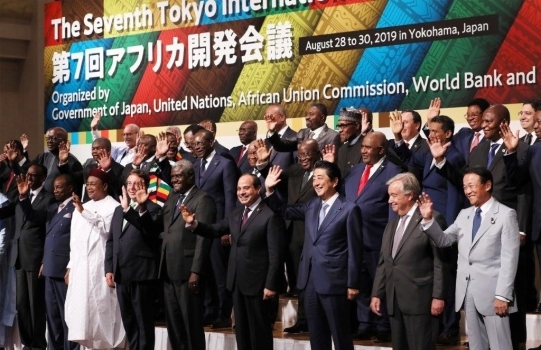
Africa-East Asia Relations: Any Opportunities for Japan-China Cooperation?
12.3.19
East Asia’s footprints in Africa over the past few decades have significantly evolved from mere diplomatic presence to encompass steadfast multilateral engagements. The growing engagements have been enabled by the two major East Asian countries – Japan and China. Both countries have supported Africa with investments and development aid. Japan, for example, through the Tokyo […]

A stronger and more distinct Singaporean-Chinese identity necessary for addressing China’s misperceptions of Singapore
11.19.19
Drawing on her undergraduate research on mainland Chinese students’ perception of the Singaporean-Chinese identity, Shu Min Chong finds that misperceptions result in mainland Chinese having unrealistic expectations of Singaporeans and Singapore. While it is easy to put blame on China, Shu Min argues that Singapore needs to do more to articulate what a unique Singaporean-Chinese identity looks like.

同为华人?论新加坡人与中国人对“新加坡华人”的认知差异
11.19.19
“中国人和新加坡华人都是华人”,这种看法成立吗?基于她本科论文有关新中两国人民对“新加坡华人”认知差异的研究,张树敏发现当中国人对新加坡华人身份和文化的认知与现实有偏差。她认为新加坡应该加强本土华人身份认同,并对此提出一些政策意见。
S3E3: Why We Trek
11.19.19
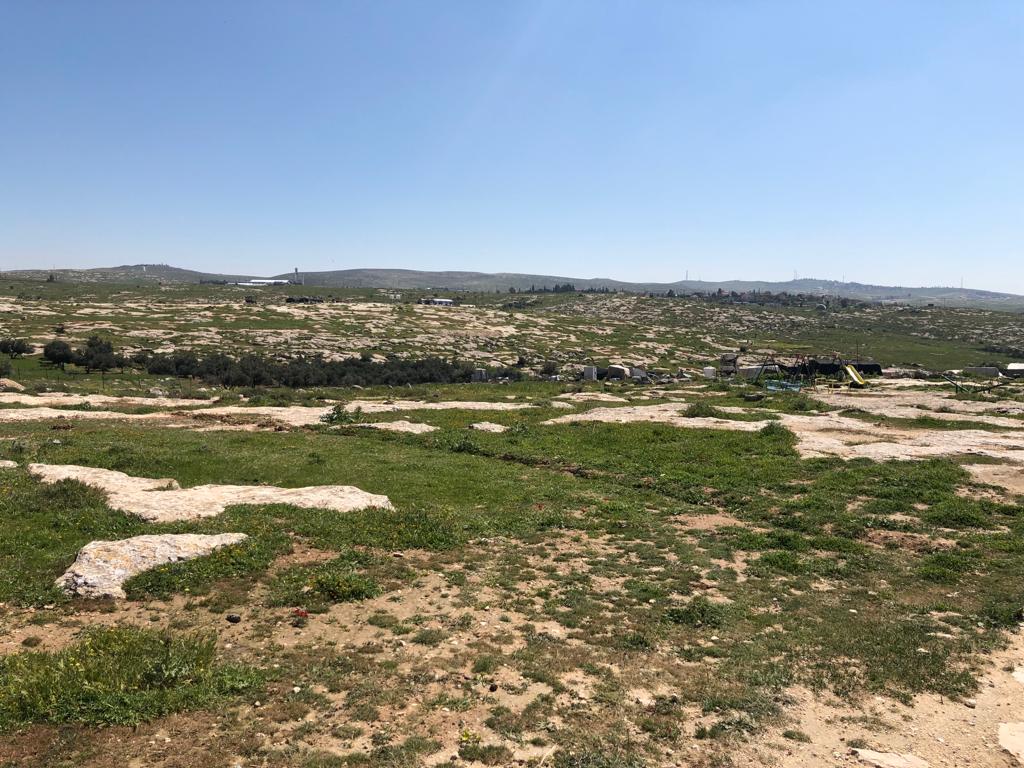
Every year dozens of students organise ‘treks’ to their home towns and countries. Entirely voluntary and student led, they plan activities to to initiate their fellow students in the culture, politics and history of the place. Samer Hjouj leads the Palestine trek for the Harvard Kennedy School and Phoenix McLaughlin just led a trek to […]
How the US should respond to Xi’s assertive China
11.7.19
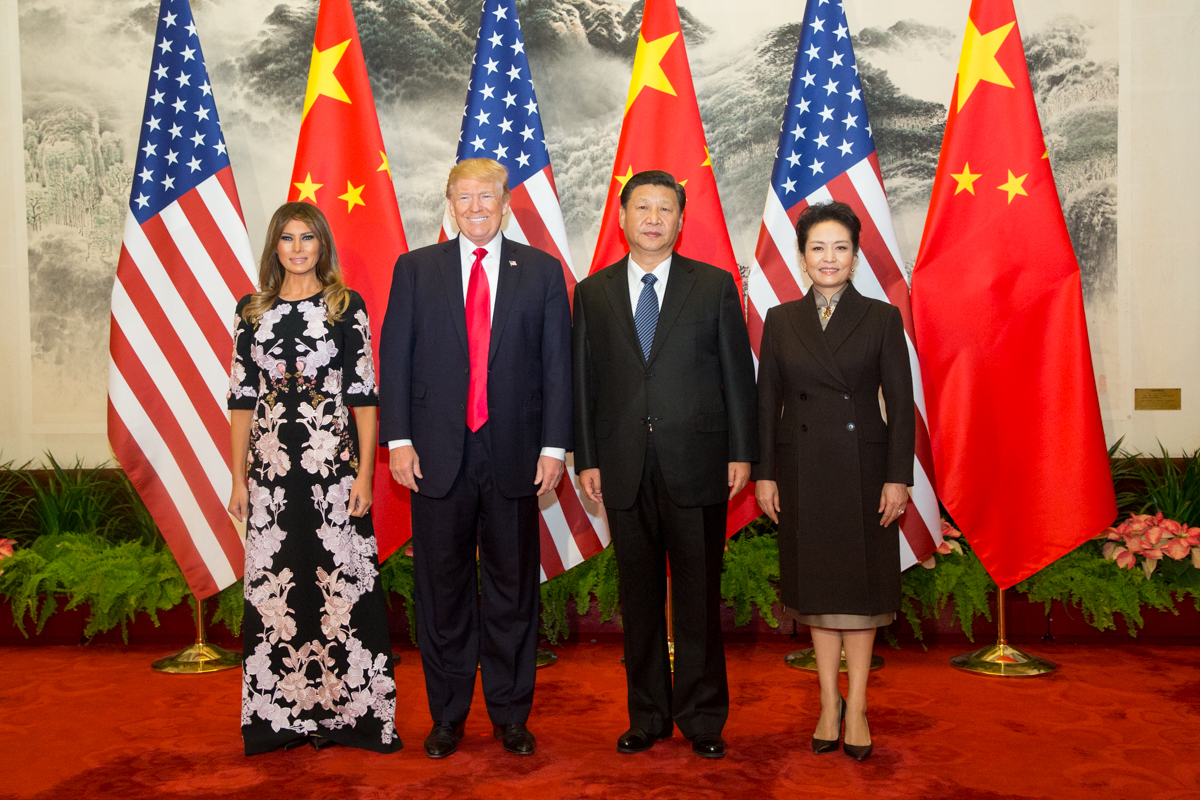
The unprecedented rise of China has been one of the most notable geopolitical phenomena of the last century. China’s decision to open up to the global economy in the 1980s sparked an economic miracle that has fueled growth for the past three decades, making it the world’s second-largest economy. But the country today harbors greater […]

If Hong Kong wanted to stay a democracy, it should have built an army
10.31.19
Imagine: China has just mobilized its army from Guangzhou and has invaded Hong Kong. Communications are down, and the China People’s Liberation Army has filled the streets. China has reannexed the Hong Kong Special Administrative Region and declared it a regular province. Expats are hurriedly leaving Hong Kong, foreign investments are on sharp decline, and […]

Abandoning Syria
10.28.19
In an attempt to create a “humanitarian” zone, another humanitarian tragedy is being carried out.

“Erdoğan the Good” or “Erdoğan the Bad?” A conversation with Soner Çağaptay on US-Turkey relations following US withdrawal from Syria
10.25.19
Editor-in-Chief Reilly Barry sits down with US-Turkey relations expert Soner Çağaptay to discuss what is important to keep in mind in the bilateral context following major changing events in Syria and renewed US dialogue on the path ahead for the alliance, Turkey’s role in NATO, and the lasting persona of Erdoğan affecting the relationship.

A Historical Perspective on Singapore-China Relations: 1965-1975
10.24.19
In this research paper, Katherine Enright argues that Singapore-China relations from 1965-1975 can best be understood not merely as a bilateral relationship, but as one situated in a complex web of international political dynamics, both in relation to Cold War powers (the US and the USSR) and Southeast Asia. Singapore’s pragmatic foreign policy outlook – one that prioritised economic security and the balancing of international and regional powers – in turn influenced Singapore’s engagement with China and its reaction to broader Cold War dynamics. Ultimately, the confluence of these factors contributed to a dramatic warming in Singapore-China relations during this period.
What challenges come with a more interdependent world?
What happens at the intersection of business and government?

How is technology changing the public sphere?

Social Innovation and Philanthropy
Can social innovation help solve public challenges?