
International Relations and Security
How do we create a more secure world? From cyber breaches to nuclear threats, how can policymakers mitigate the security challenges of our times?
Latest Article

The Transatlantic Alliance Isn’t Dead. Treating It That Way Could Make It So.
The transatlantic alliance is increasingly described today in terms of decline, rupture, and even collapse.[1] Political leaders and commentators on both sides of the Atlantic have openly questioned whether the relationship can endure in its current form. From warnings that it is “broken” to claims that it is effectively “over,” the narrative of a fading […]Explore all Articles
filter by–Region
filter by–Country
search by–Keyword
What Lies Behind Our Lies? Self-Deception and the Israeli-Palestinian Conflict
04.17.13
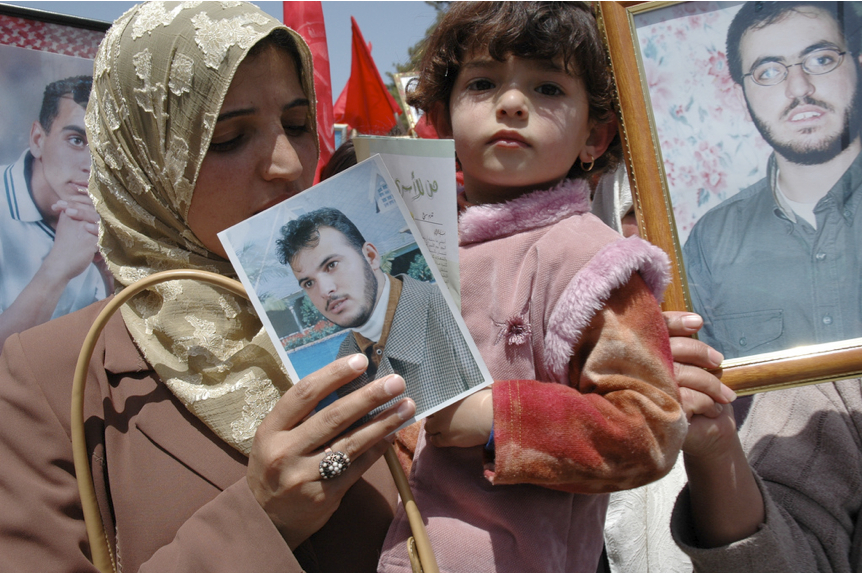
Though people tend to see themselves as objective interpreters of the world, they are often active self-deceivers. Self-deception is a psychological process whereby one selectively chooses knowledge that confirms a positive self bias. Affecting people on an individual and group level, self-deception can have destructive consequences. It is thus important to understand self-deception’s role in […]
A Conversation with Esraa Abdelfattah and Bassel Adel
04.15.13
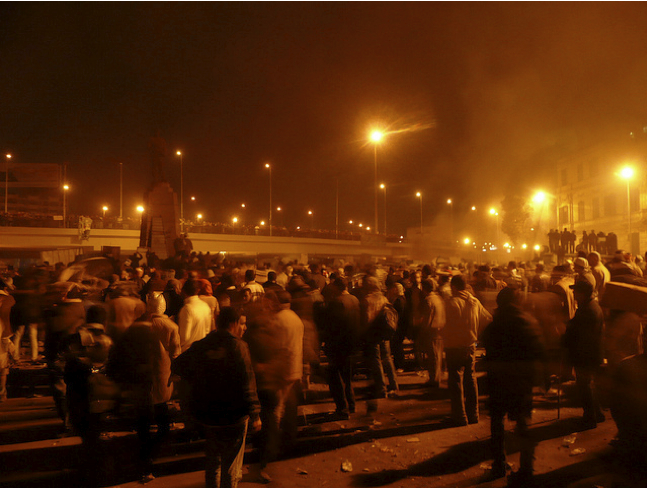
Esraa Abdelfattah, already a leading activist prior to 2011, played a major role in the January 2011 Egyptian revolution. She has been a political activist since 2008, when she created the April 6 Strike Group on Facebook, which grew to 70,000 members and resulted in her arrest. She is currently vice-chairman of the Egyptian Democratic […]

The Arab Awakening “Cascade” of Failing States: Dealing with Post-Revolutionary Stabilization Challenges
04.12.13
Yoel Guzansky, the former Iran coordinator at Israel’s NationalSecurity Council, is a research fellow at the Institute for NationalSecurity Studies at Tel Aviv University and a doctoral candidate ininternational relations at Haifa University. Benedetta Berti is a fellow at the Institute for National Security Studies, a lecturer at Tel Aviv University, a member […]
Symptoms of an Enduring Crisis: Prospects for Addressing Mali’s Conflict Catalysts
04.2.13
Abstract Despite the peace agreements and disarmament processes implemented since the 1990s, conflict in Mali has proven to be resilient. Conflict symptoms pertaining to deficient governance and sustained societal discontent have recurrently generated armed violence. This paper will explore the multifarious factors that have continually undermined the political stability and integrity of the Malian state. […]
At What Cost? Aid-Security Relations in East and West Africa
03.4.13
Meet America’s new ally in Africa. With 16 million people, a per capita income of $360 (PPP),52,875 refugees, and dysfunctional neighbors, Niger seems less than the ideal partner in the growing U.S. strategic footprint in Africa, but its geographic location places it at the frontlines.Landlocked between the hotbed of Mali and the oil basin in […]
South Sudan’s Entry into the East African Community: Prospects and Challenges
02.28.13
On July 09, 2012, the Republic of South Sudan celebrated its first year anniversary. The previous year, on November 11, 2011, it submitted an application to formally join the East African Community (EAC), a regional organization consisting of Burundi, Kenya, Rwanda, Uganda, and Tanzania. South Sudan, a landlocked country in East Africa, emerged from four […]
Libya’s Compromise
12.10.12
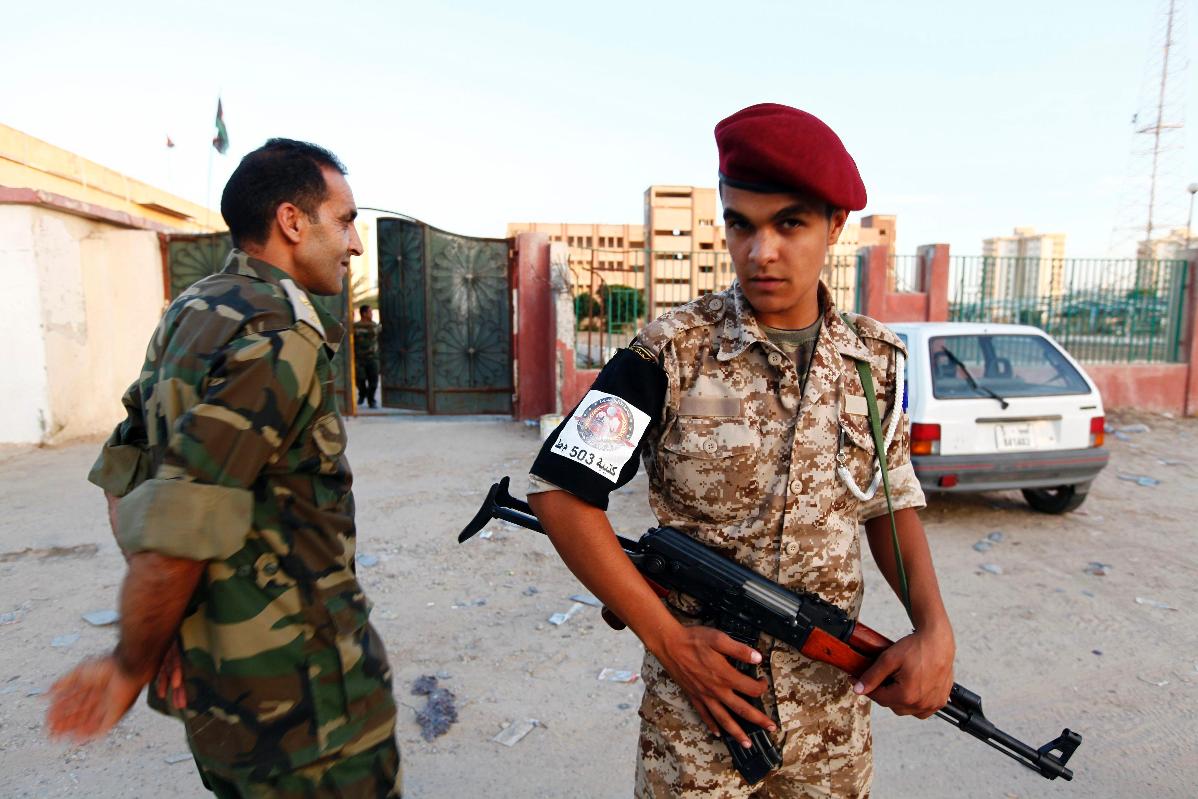
BY ALISON LAPORTE-OSHIRO How the Obama Administration handled the Bengazi attack in September—and whether it provided sufficient security—were fiercely debated issues during the Presidential election. Three months later, the election is over but the controversy smolders on. The current target is U.S. Ambassador to the United Nations Susan Rice, who is believed to be one […]

Greek Drama: Behind the Scenes of EU Integration
04.1.12
BY MARKUS SCHIMMER AND SVEN KUNISCH The primordial gods—along with the world economy—must be sitting at the edge of their seats right now as they watch a very Greek drama unfold in the European Union (EU). As public debt in the EU’s most vulnerable countries has reached higher and higher levels, several now face a […]

Counting What Counts: GDP Redefined
04.1.12
BY BEN BEACHY AND JUSTIN ZORN What did the BP oil spill in 2010 mean for the U.S. economy? Progress. At least that’s the conclusion of the economy’s de facto benchmark—gross domestic product (GDP). As the massive oil slick seeped into the Gulf Shore, J.P. Morgan representatives noted that economic activity generated by cleanup efforts […]

School for Revolutionaries
04.1.12
BY SIMON ROWELL On the night of 10 February 2011, Tahrir Square in central Cairo was seething with people inspired by the prospect of unprecedented political change. Transformed from a busy, dirty transport hub, the square had become an oasis of calm and cleanliness, organized by voluntary systems for recycling, compost, lost-and-found items, and even […]
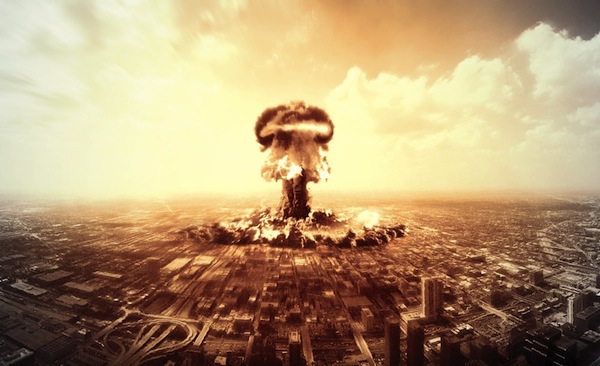
Nuclear Terrorism: Are You Prepared?
04.10.11
BY KATIE FROST A 10-kiloton nuclear blast in New York City’s Times Square would instantly annihilate everything within half a mile. The shockwave would crumble buildings from Union Square to Central Park, breaking windows up to ten miles away from ground zero. Fires would rage for at least a mile in all directions, indiscriminately destroying […]
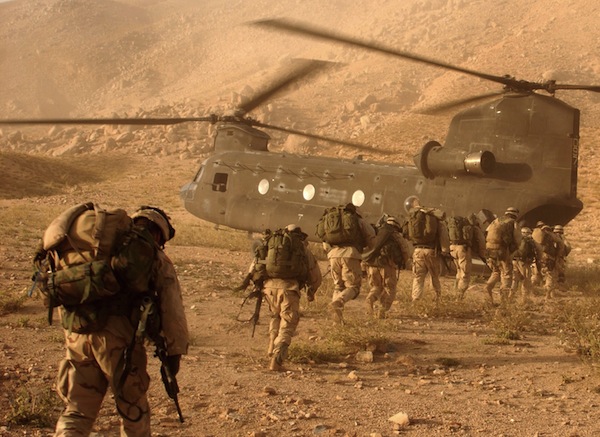
Rehabilitating Peace in Afghanistan
04.10.11
BY NATALIE BLACK “Tell me this,” Mohammad says. “Why, when NATO has the best technology in the world, does it allow its bombs to kill innocent Afghan civilians?” I do not get the chance to answer. He continues, “Why does NATO go into people’s houses at night? Why does it kill people when they are […]
What challenges come with a more interdependent world?
What happens at the intersection of business and government?

How is technology changing the public sphere?
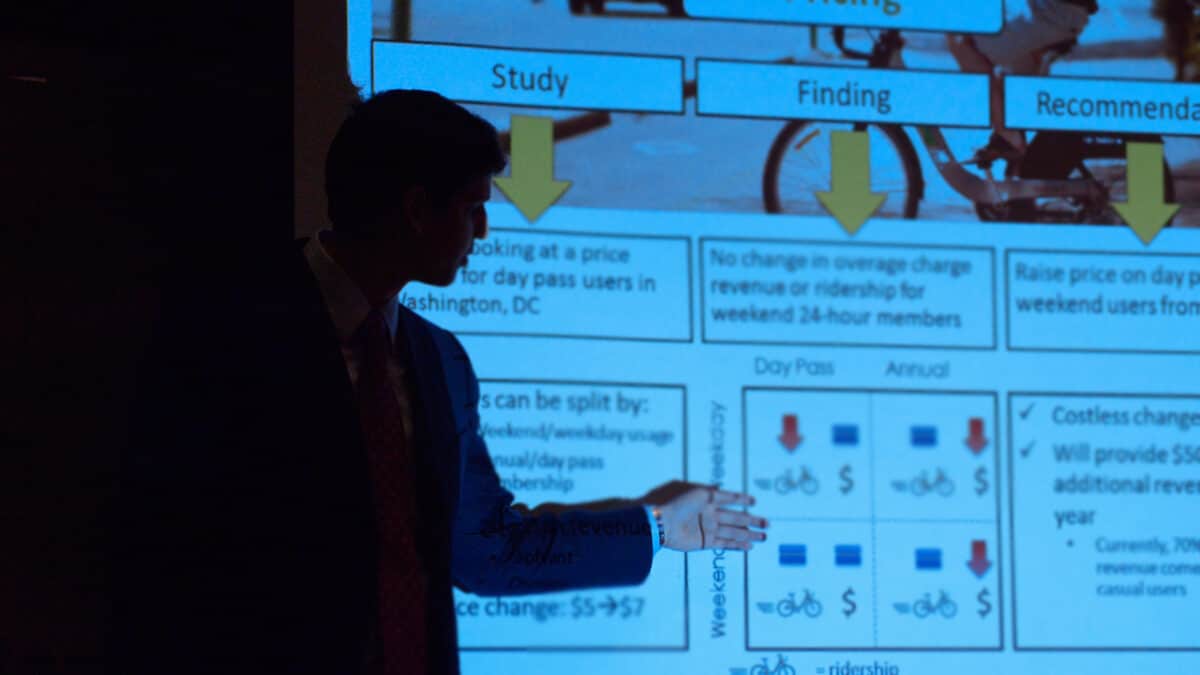
Social Innovation and Philanthropy
Can social innovation help solve public challenges?