
Democracy and Institutions
Latest Article

Modernizing Greece: Turning Digital Reform into Democratic Renewal
The far-reaching corruption scandal engulfing Greece’s agricultural subsidy system (OPEKEPE) has once again exposed deep institutional failures, but it also opens a crucial question: what can recent digital reforms tell us about the possibility of democratic renewal?Explore all Articles
filter by–Region
filter by–Country
search by–Keyword
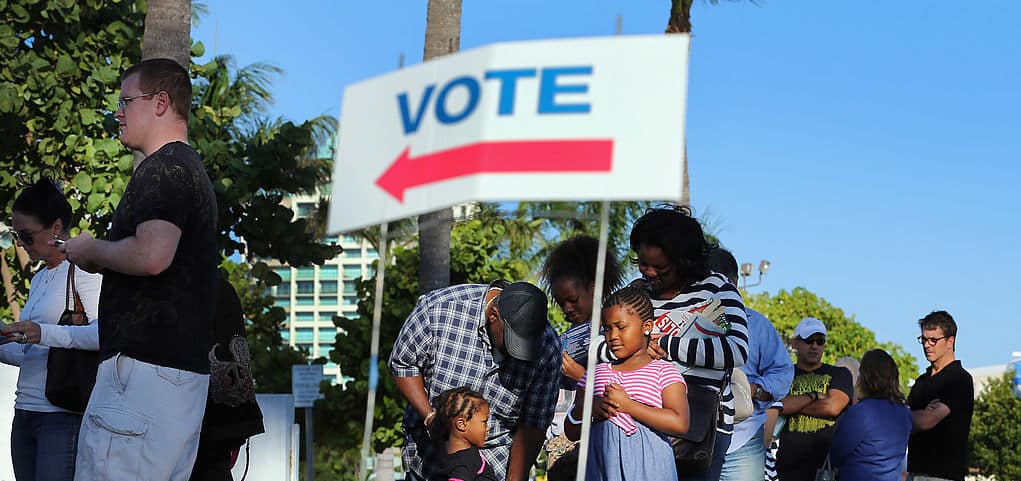
Is It Becoming Harder to Vote? A Closer Look at Voting Rights In the South Over 50 Years
10.10.13
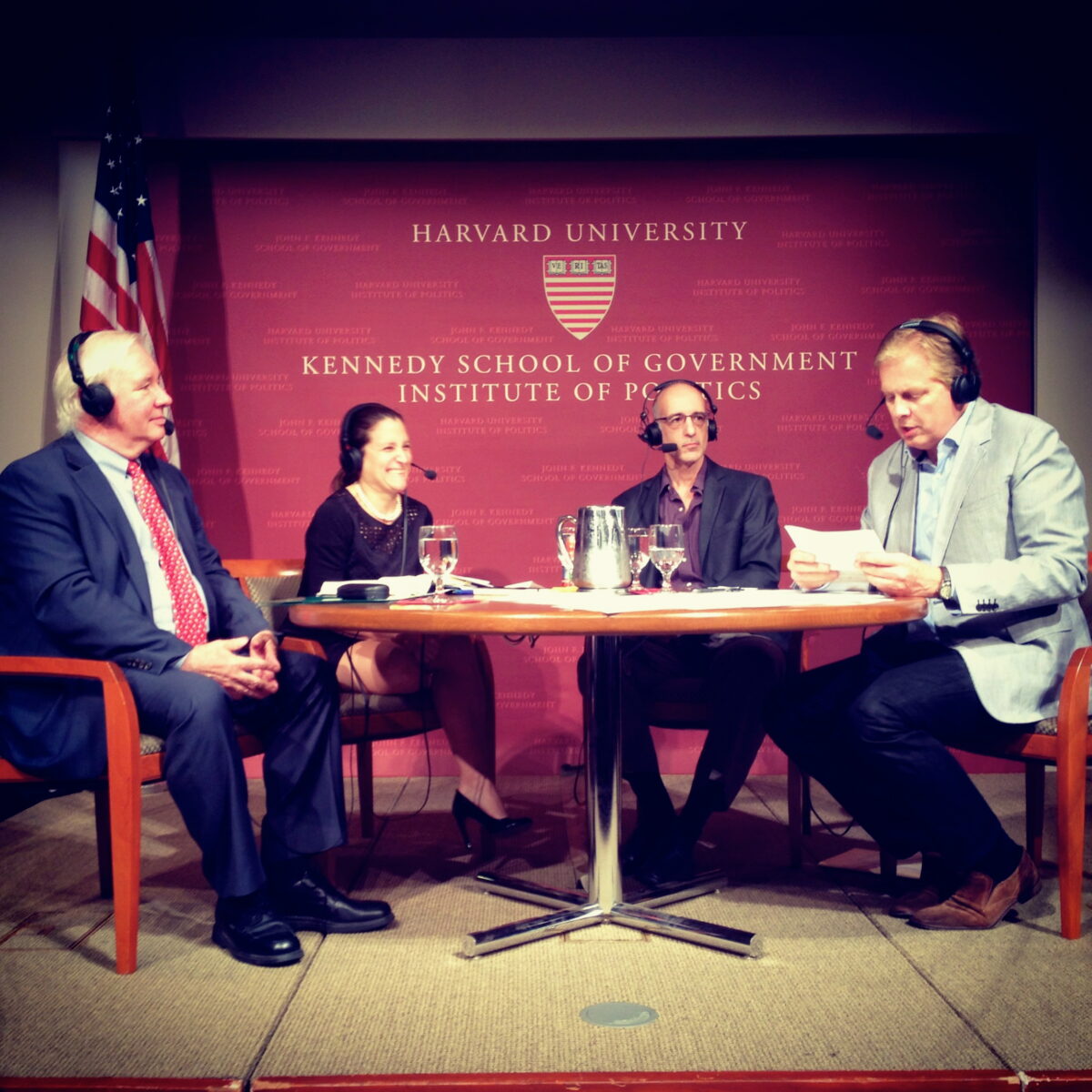
BY SARAH ALLIN The nation’s political system was designed as a counterweight to economic inequality, but what happens when inequality enters the democratic sphere that we perceived to be immune? Alex Keyssar, professor of history and social policy at the Harvard Kennedy School, posed this question last week during the taping of WBUR’s On Point. […]
Who is Medicaid Missing? What I learned in “Introduction to U.S. Health Care Policy” shocked me
10.9.13
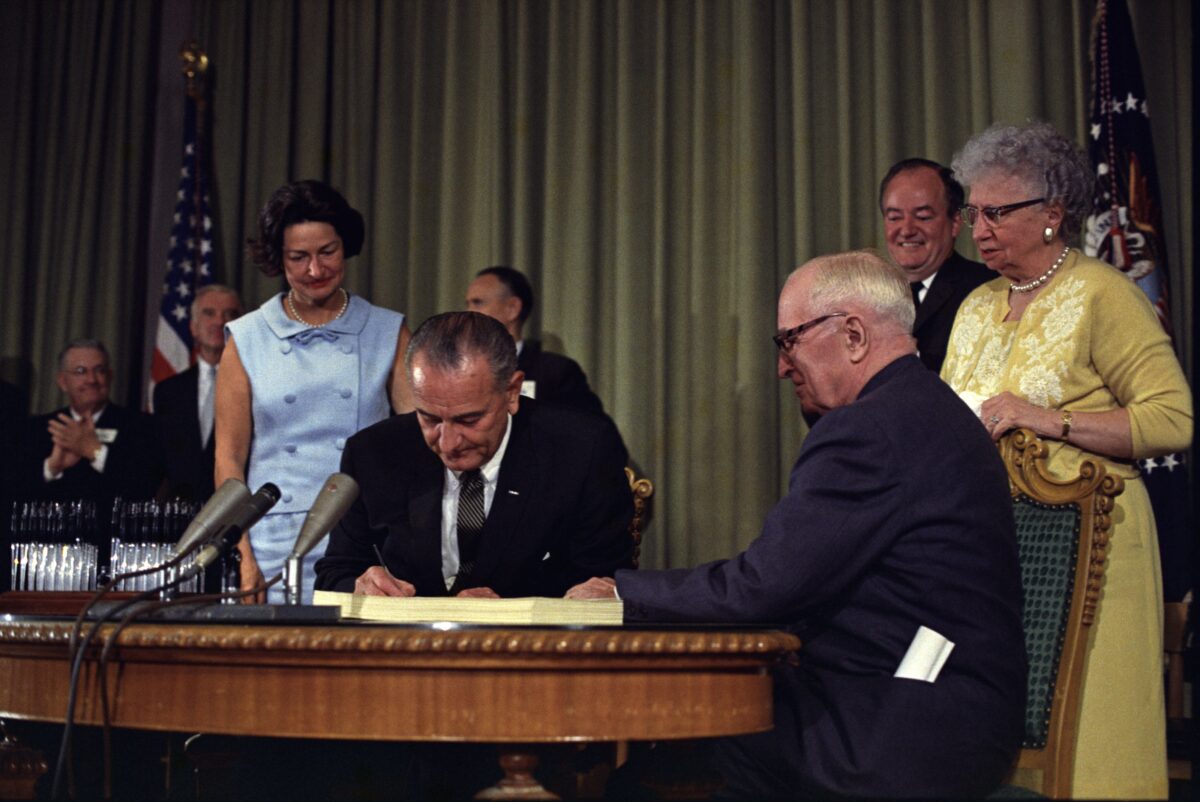
BY KARLY SCHLEDWITZ With a historic overhaul of our health care system underway, I felt like a good public policy student should understand the basics of American health policy. Dutifully, I enrolled in “Introduction to U.S. Health Policy,” a semester-long course co-taught by Sheila Burke and Richard Frank. I knew there would be new vocabulary […]

Borderlands: U.S.-Mexico Border Policy in Pictures
10.9.13
In May 2012, eleven students of the John F. Kennedy School of Government at Harvard University visited El Paso, Texas, and Ciudad Juárez, Mexico, as part of a Leadership Service Seminar (LSS) program sponsored by the Center for Public Leadership and the offices of the Academic Dean and the Dean of Students.
Will the Supreme Court Abolish Common Sense Limits on Campaign Spending?
10.8.13
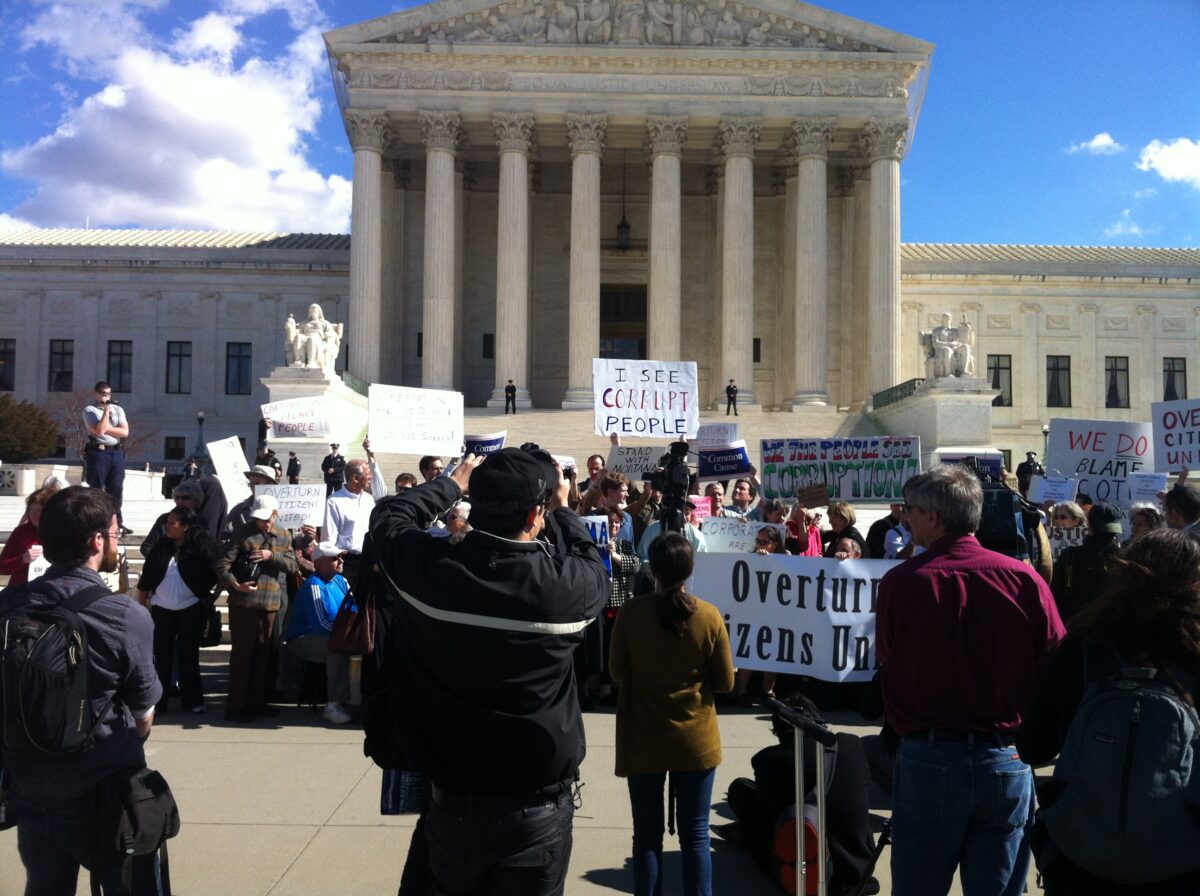
BY PATRICK KIBBE Today, the Supreme Court will hear oral arguments for a case that could be worse for the American public than Citizens United v. FEC, and unleash countless millions of special interest dollars into political campaigns. In this case – McCutcheon and the Republican National Committee v. FEC – Shaun McCutcheon, an Alabama […]

When English Is Not Enough: Cabrera v. Escamilla
10.1.13
Shifting global demographics continue to produce political discourses on immigration. In the United States, history continues to repeat itself through the forged rhetorical relationship between individuals who speak English and individuals who are considered “American.” As the debate over immigration reform intensifies, so do efforts to regulate/restrict all languages deemed “foreign.” In Arizona, both officeholders and seekers who do not read, write, speak and understand English “sufficiently well” risk having their candidacy revoked. This was the case with former city-council candidate in the southern Arizona border city of San Luis, Alejandrina Cabrera. This essay argues that the political history of Arizona, as it pertains to matters of an English-only society, has historically operated within the restricted parameters of a paranoid style whereby the Cabrera case illustrates its modern metamorphosis.

Interview: Sarah Kliff on Covering Health Reform
09.11.13
BY BRIAN CHIGLINSKY On the bright, sunny morning of Thursday, July 28, 2012, a group of reporters and interns could be seen in their best work outfits and most comfortable running shoes sprinting out of the regal, marble halls of the Supreme Court to the legions of cameras situated just beyond the front steps. In […]

Toward an Empirical Analysis of Hate Speech on Commercial Talk Radio
09.10.13
Abstract: This pilot study uses qualitative content analysis to examine hate speech that targets vulnerable groups, including ethnic, racial, religious, and/or sexual minorities, in commercial broadcasting. The study quantifies a recurring rhetorical pattern for targeting specific vulnerable groups through the systematic use of unsubstantiated claims, divisive language, and nativist code words. For example, Latino immigrants […]
La Gente Unida Jamás Será Vencida: The Power of Changing Demographics in the 2012 Elections and Beyond
09.5.13
Adequately summarizing the impact of the Latino vote in the United States’ November 2012 elections is a difficult task because, at least as of the time of this writing, the existing data is preliminary. But the postelection news headlines and all available exit polls illustrate the increasingly influential power of Latino voters in American politics […]
Exclusive Interview on the Zimbabwe Election with Education Minister, David Coltart
08.6.13
After presiding over economic decline marked by hyperinflation which brought Zimbabwe to its knees, president Mugabe and his Zimbabwe African National Union – Patriotic Front (ZANU-PF) party have emerged as victors in the recent harmonized elections in Zimbabwe. Mugabe got 61% of the vote and his ZANU-PF party won 158 of the 210 parliament seats, giving […]

Winning the War on Corruption: The Six-Step Solution
05.2.13
BY ABIGAIL BELLOWS If you are a child in India under the age of five, there is a 42 percent chance you are suffering from malnutrition. According to Reuters, every day across India, three-thousand children your age will die as a result. The government of India runs the world’s largest food distribution system for the […]

Calling for More Hanin Zoabis: Why Israeli Arab Political Parties Should Prioritize Recruiting and Promoting Women
05.2.13
BY CATHERINE LELAND She’s the “most hated woman in Israel,” according to Foreign Policy magazine, and it doesn’t bother her at all.[i] Hanin Zoabi—a member of the Knesset, the legislative branch of the Israeli government—is, undeniably, a force. Elected in 2009, Zoabi is the first Palestinian Arab female elected to the Israeli parliament through an […]

Time for a Bull Moose: The Risk of Generational Realignment and a Path Toward a “New Republican” Party
05.2.13
BY JOSH RUDOLPH Republican President Theodore Roosevelt was once shot in the chest as he stood up to give a speech. After the assailant was immediately apprehended, the bleeding but unshaken president shuffled back over to the podium and said, “It takes more than that to kill a Bull Moose.” He then proceeded to deliver […]