

Business and Government
Latest Article

Toward More Science, Less “Art” in Medicine
For years we’ve comforted ourselves with the idea that medicine is part art, part science. But what if most of what we call “the art of medicine” is simply the shadow cast by the limits of science, and the rest where our knowledge is still incomplete?Explore all Articles
filter by–Region
filter by–Country
search by–Keyword
Perspective: How Nuclear Negotiations Could Change U.S.-Iranian Relations, an Interview with Harvard’s Iran Project Director Payam Mohseni
11.20.14
After years of tensions over Iran’s nuclear program, the United States and Iran have held the highest-level talks since the 1979 Revolution to negotiate the status of Iran’s nuclear program and have set a November 24 deadline to come to a deal. The Harvard Journal of Middle Eastern Politics and Policy’s Lauren Leatherby asks Dr. […]

Social Finance: Sorting Hope from Hype
08.9.14
BY JULIA FETHERSTON ADAM SMITH WOULD HAVE BEEN mystified by the bankers, government officials, analysts, and activists assembled in the City of London for the inaugural G8 Meeting on Social Impact Investment, a meeting convened at the behest of U.K. Conservative Party Prime Minister David Cameron. Smith, the pioneer of free market political economy, wrote […]

The Rise of a Narrative: Thomas Piketty at the Kennedy School
04.25.14
BY JOSH RUDOLPH The ideas of economists and political philosophers, both when they are right and when they are wrong are more powerful than is commonly understood. Indeed, the world is ruled by little else. – John Maynard Keynes Friday afternoons tend to be subdued affairs at the Harvard Kennedy School. But the afternoon […]

Inside the Middle East: Interview with Raed Charafeddine on Lebanon’s Economy
04.14.14
In this installment of “Inside the Middle East: Q&A,” Raed Charafeddine, First Vice-Governor, Central Bank of Lebanon, discusses the job market in Lebanon and the Middle East and the role of financial institutions in the region. Mr. Charafeddine also gave a public lecture at the Middle East Initiative on April 14, 2014. The paper from […]

Why We Need Corporate Tax Reform
02.15.14
BY ELLIOTT LONG In 1943, corporate income tax collections accounted for 40 percent of total tax collections. By 2012, they accounted for just 9.7 percent—a 76 percent decrease in less than a century. An examination into the factors contributing to this decline reveals several alarming trends that, if left unchecked, will only lead to further […]
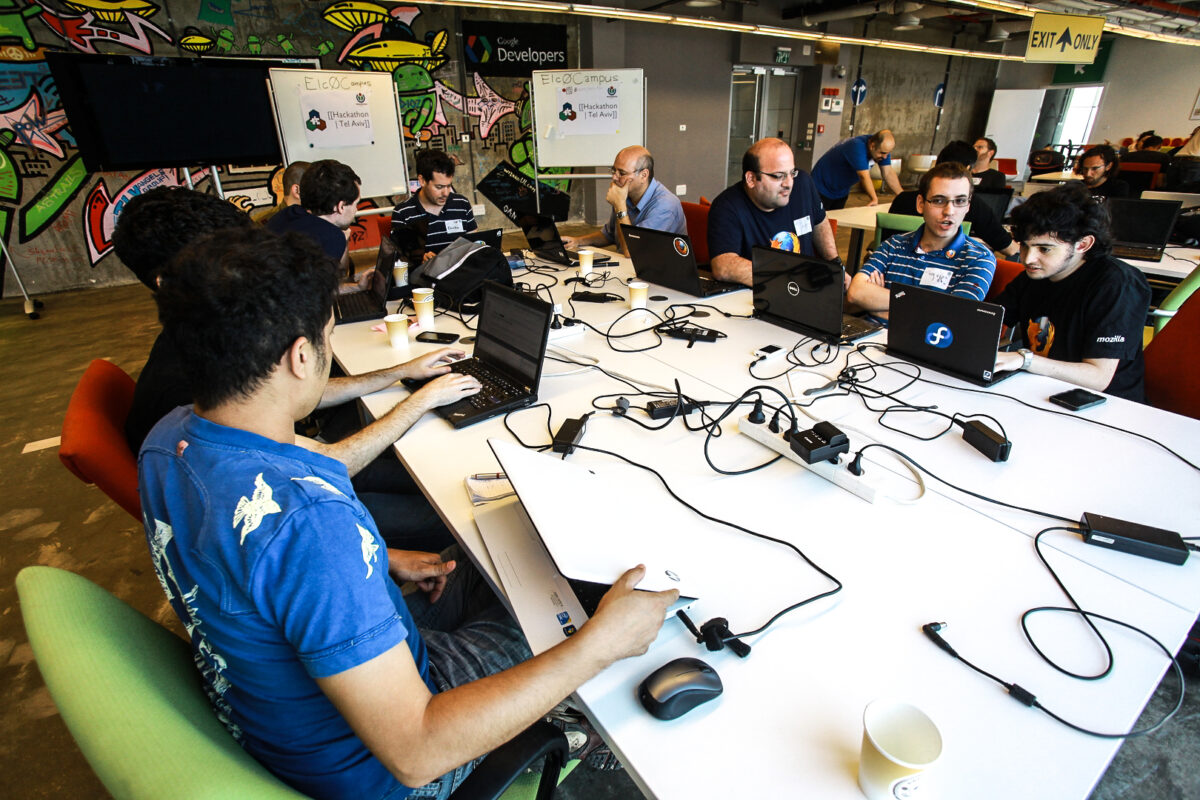
Should Cities Use Hackathons to Solve Social Problems? Lessons from America’s Datafest at Harvard
02.11.14
BY ALISON FLINT I first learned about hackathons when I saw an ad for an event called Datafest hosted at Stanford University three years ago. Like most people, I primarily associated ‘hacking’ with computer programming. However, this Datafest looked different. It turned out that Teresa Bouza, a Knight Fellow at Stanford, had organized the hackathon […]

Morocco: A New Financial Capital?
02.3.14
It would be sad if the Arab Spring cemented more turmoil than it sought to end. But the current state of politics in post-Arab Spring, specifically Tunisia and Egypt, suggests things could worsen before they improve. Ongoing security concerns in Libya and the not-so-forgotten hostage situation in Algeria has further caused chaos in the North […]
Ethiopia: Ripe and Open for Business
01.16.14
Individuals readily queue at the door to the visa office at the arrival terminal in the Bole International Airport in Addis Ababa. One individual presses the Ethiopian border guard about the timeliness of the process and the absence of concern for travelers’ time. The guard simply responds: “How do we plan for this [inflow]?” The […]
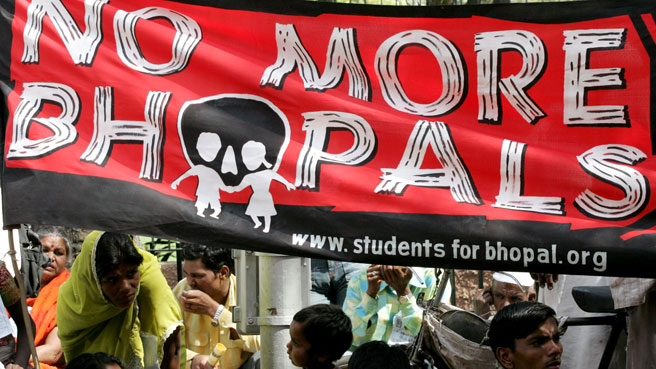
We all live in Bhopal: Global Protest Against Corporate Impunity
12.18.13
BY SHASHANK SHEKHAR SHUKLA As the city slept, the killer silently crept in. From the windows, doors, ledges and crevices, it came in silently, slaughtering not just hundreds but hundreds of thousands of innocent victims. The killer’s name was methyl isocyanate, and in 4 hours it instantly killed 8,000 people and maimed another 200,000. At […]
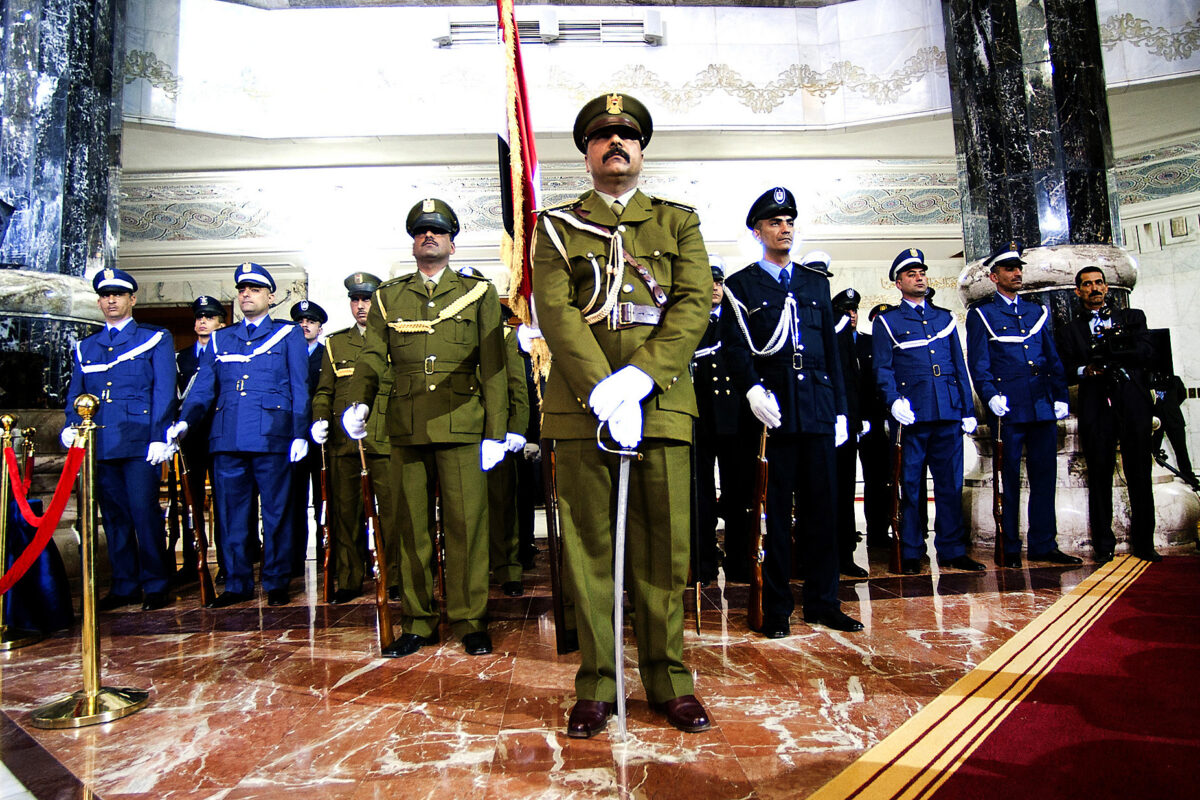
Purifying Transitional Governments of Authoritarian Bureaucracies: Lessons from Eastern Europe for the Arab World
12.13.13
The follow article is a review of the book, Lustration and Transitional Justice: Personnel Systems in the Czech Republic, Hungary, and Poland, by Roman David (Philadelphia, University of Pennsylvania Press, 2011), pp.312, $62.96

Business and Education in the Arab World
12.9.13
This post is part of a series of reviews summarizing presentations and discussions that took place at the 2013 Harvard Arab Weekend. For more information about this event, the largest pan-Arab conference in North America, please visit http://harvardarabweekend.org/ Panel Speakers: On November 11 a panel of three regional experts came together during Harvard Arab […]

Rethinking the Use of Sovereign Wealth Funds in a Knowledge Economy
11.19.13
By Will Hickey The time has come for sovereign wealth funds to produce some meaningful value. Now conservatively valued at around 6 trillion dollars, sovereign wealth funds, or SWFs, are massive state-owned investment vehicles of stocks, bonds, property, precious metals and other financial instruments, including private equity. They are overwhelmingly funded through oil and gas […]