

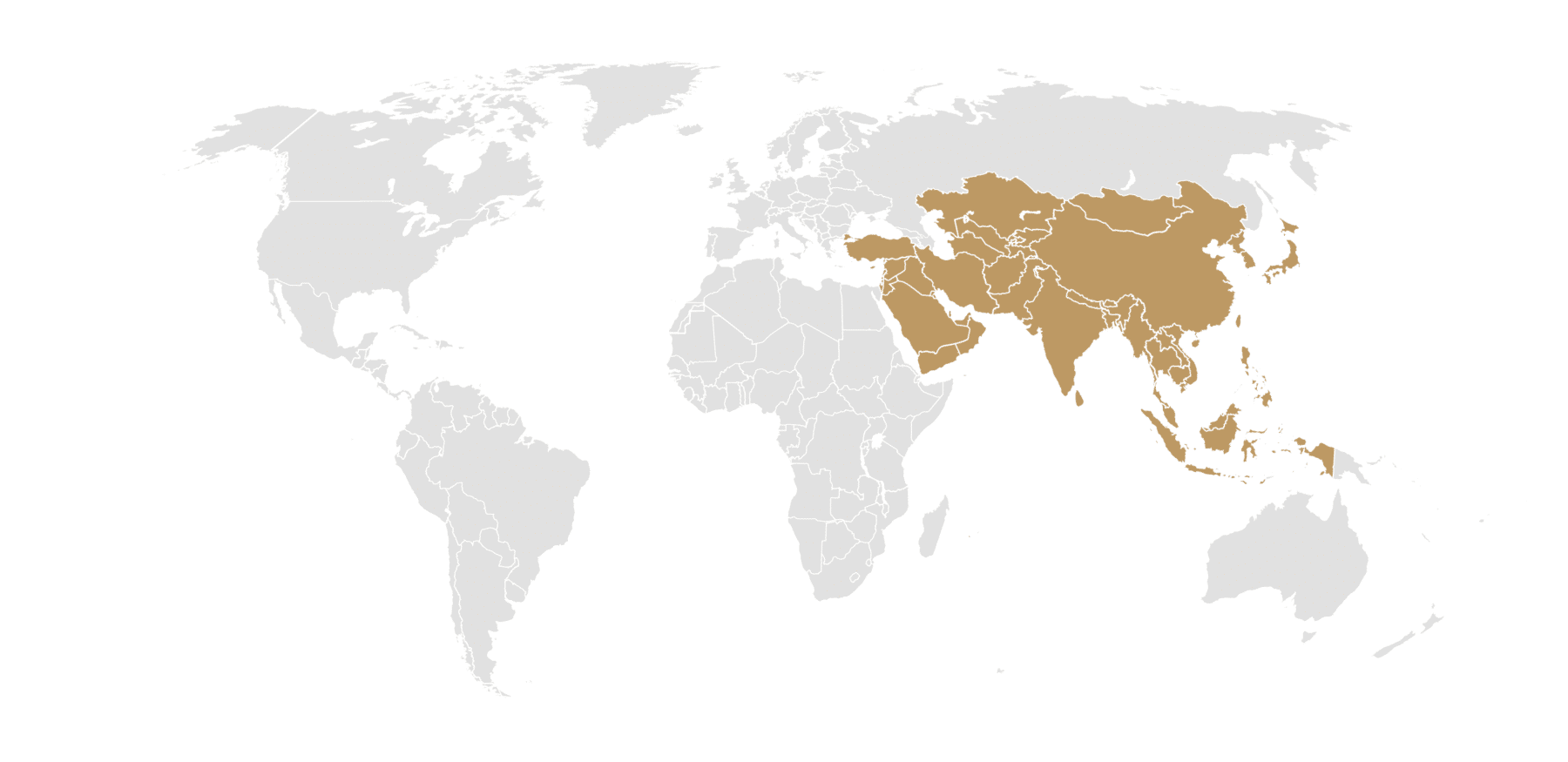
Asia
The UN-defined Asia region is the second largest regional group. Its territory is composed of much of the continent of Asia and the Middle East with few exceptions.
Explore all Articles
filter by–Topic
filter by–Country
search by–Keyword

[Reading Group] Collective Summary #1: Do Citizens Dream of Smart Cities?
03.22.21
As the prevalence of digital technology looks set to become a mainstay in Singapore’s smart nation ambitions, what benefits and costs can we expect? What kind of future will that create, and what are some societal issues that must first be recognized and resolved before accepting such a future?
In the first of four collective summaries following SPJ’s reading group, Jonathan Cheng reviews the topics discussed in the inaugural session. The summary details the takeaways from the group, which comprises student participants from a range of academic backgrounds.
[Discussion Event] From Brown to Green: Environmental Policy and the Economy
03.19.21
On March 13th, SPJ hosted its first virtual discussion of the Spring semester. It was motivated by the announcement of Singapore’s Green Plan 2030, a cross-ministry initiative promoting ‘sustainable development’ in the city-state. In light of this, the discussion centered around the tensions and tradeoffs between the environment and the economy.

What We Ignore, We Empower: Five Decades of Despair Under the Assad Regime
03.12.21
JMEPP’s 21st edition, Middle East Beyond Borders: Empire, Diaspora, and Global Transitions for spring 2021 offers its first preview of the edition with an article by Harvard alum Oula A. Alrifai, of Harvard’s Center for Middle Eastern Studies, herself a Syrian and scholar of regional developments regarding Syria. Here she commemorates a decade of dictatorship and terror in Syria […]
[Sustainability Series] An Interview with Melissa Low: Part One
03.12.21
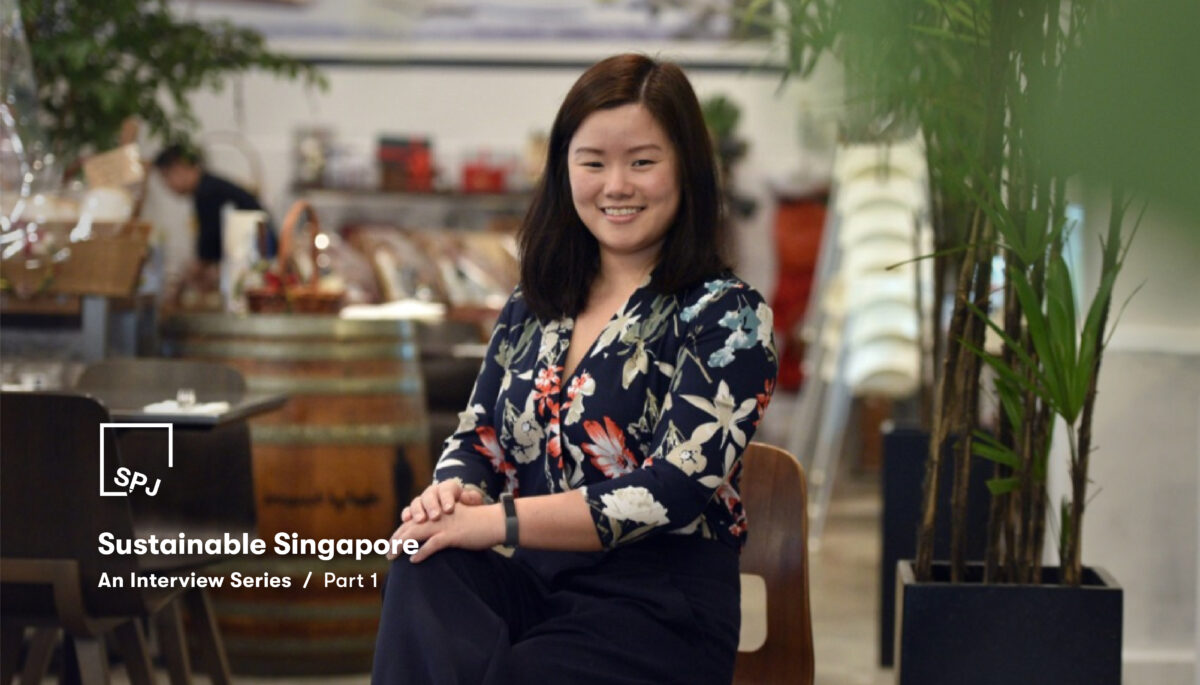
In SPJ’s very first interview series, we speak with Melissa Low, a research fellow at the Energy Studies Institute (NUS). As momentum builds up for a more comprehensive climate policy in Singapore, Melissa shares with us her views on sustainability in Singapore. This article is the first of a two-part series and focuses on domestic issues including existing challenges and the rebranded Ministry of Sustainability and the Environment (MSE).
While China’s CT Policy in Xinjiang Lacks Humanity, It Also Lacks Long-term Effectiveness
02.3.21
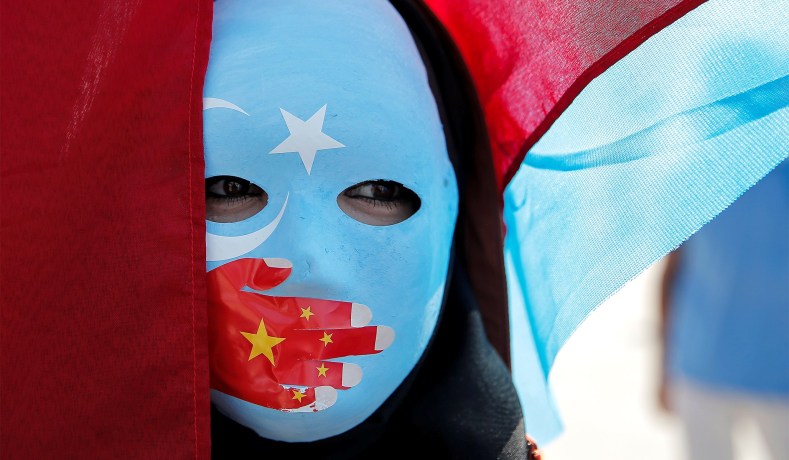
China’s policy of interning more than one million Uyghurs in Xinjiang is both inhumane and unlikely to yield the results that Xi Jinping and the CCP claim they want.
Bill Kristol Can’t Teach Us Anything
02.2.21
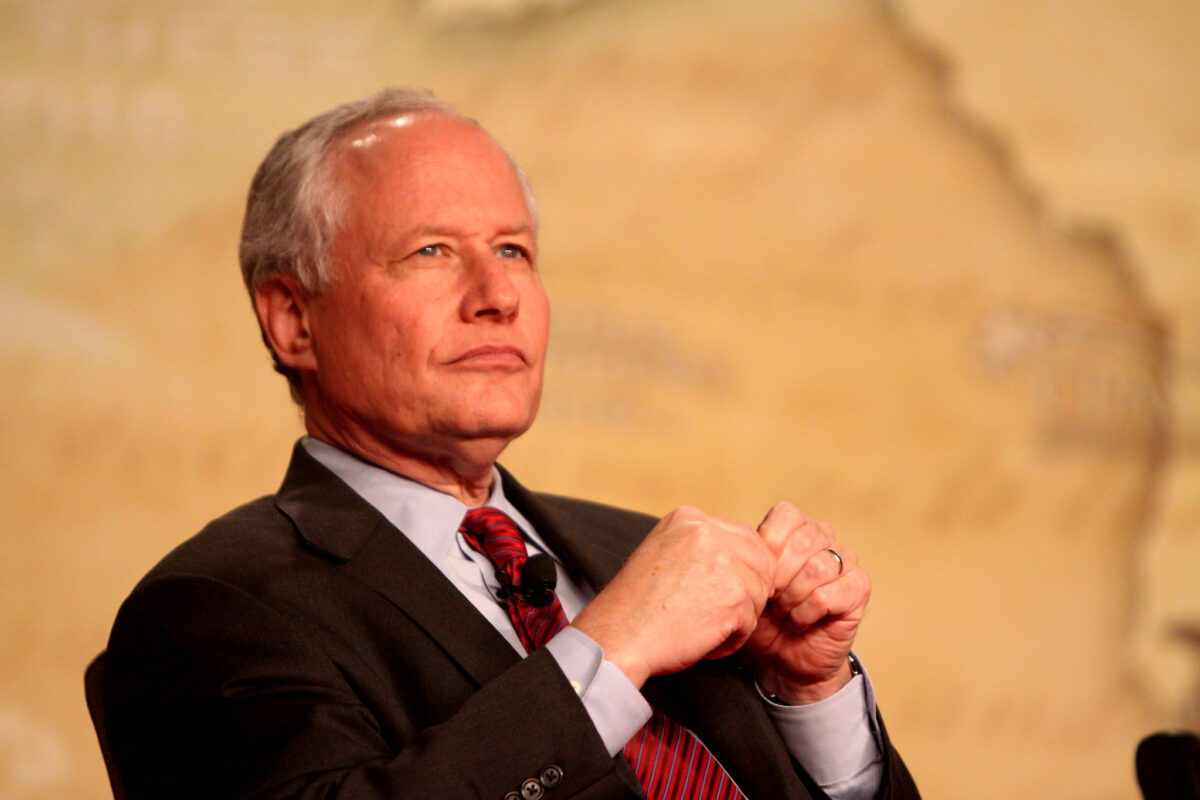
Kristol’s unapologetic role as a driving force behind the Iraq War, as an advocate of violence throughout the Middle East, and as a promoter of hateful discrimination make him unfit to teach in our community and serve as an IOP Fellow.
The Bifurcation of International Cyber Norms: Navigating the Space In-Between
01.26.21
In this article, Lionel Oh discusses the concerning trend of bifurcation in the development of international norms governing the cyber domain, driven by tensions between major powers and competing visions of cyberspace. He outlines the diplomatic challenges that Singapore faces in light of such divergence, and explores how Singapore might continue to further her foreign policy interests amidst this splintering global landscape.
A Tale of Two Sections: Lessons for Singapore From India’s Section 377 Repeal
12.8.20
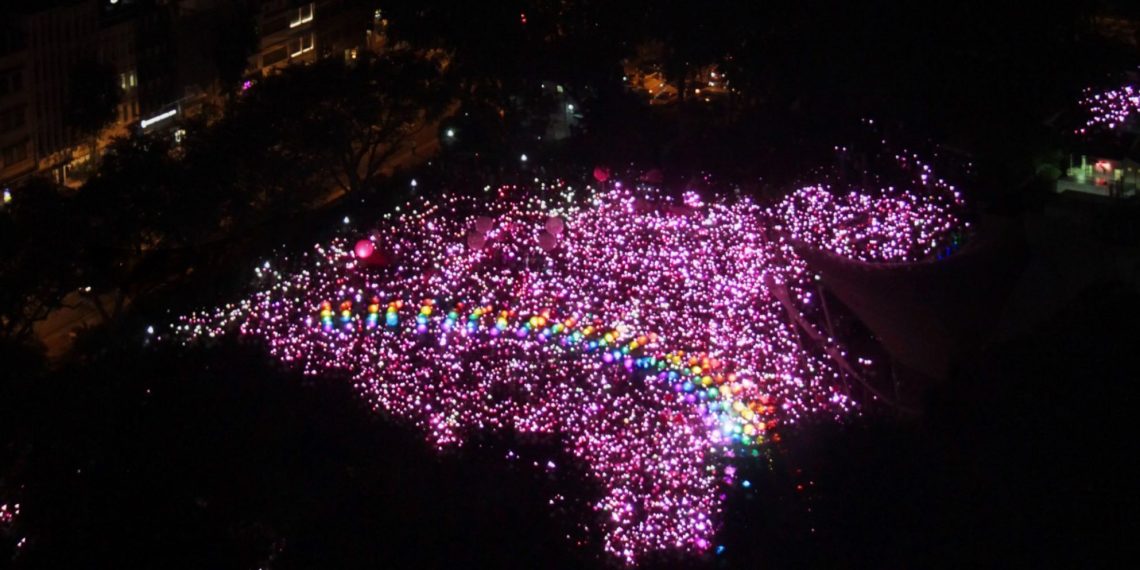
In September 2018, the Indian Supreme Court made history by unanimously voting to repeal Section 377, which explicitly forbade “unnatural offences of carnal intercourse” and was often used against the country’s LGBT+ community. As the ruling was being celebrated in India, three separate challenges were made in Singapore’s courts against the country’s similar Section 377A. […]
The Biden Administration and the Middle East: A conversation with Dr. Daniel Pipes
12.1.20
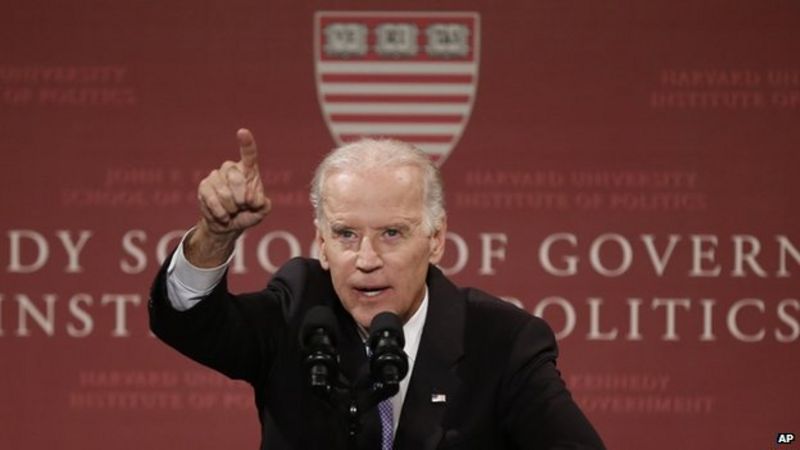
Photo: President-elect Joe Biden speaking at Harvard Kennedy School in 2014. Photo credit: AP Michael Johns was joined by Dr. Daniel Pipes to discuss the future of United States foreign policy in the Middle East under the Biden administration. Dr. Pipes holds both an A.B. and a Ph.D. from Harvard University, and taught at the […]

Letter to the Editor: Response to The Shangri-La Dialogue
11.23.20
Shaun Seah responds to our previous article by Jina Lim, The Shangri-La Dialogue: Ensuring Singapore’s Relevance in Defence Diplomacy. In his letter, he highlights the value of a virtualised format in increasing capacity, accessibility, and diversity of participation, with a view towards leveling the diplomatic playing field for smaller and developing states. He also points out the added benefit of such platforms in lending clarity to strategic clashes amidst the current volatile global environment.
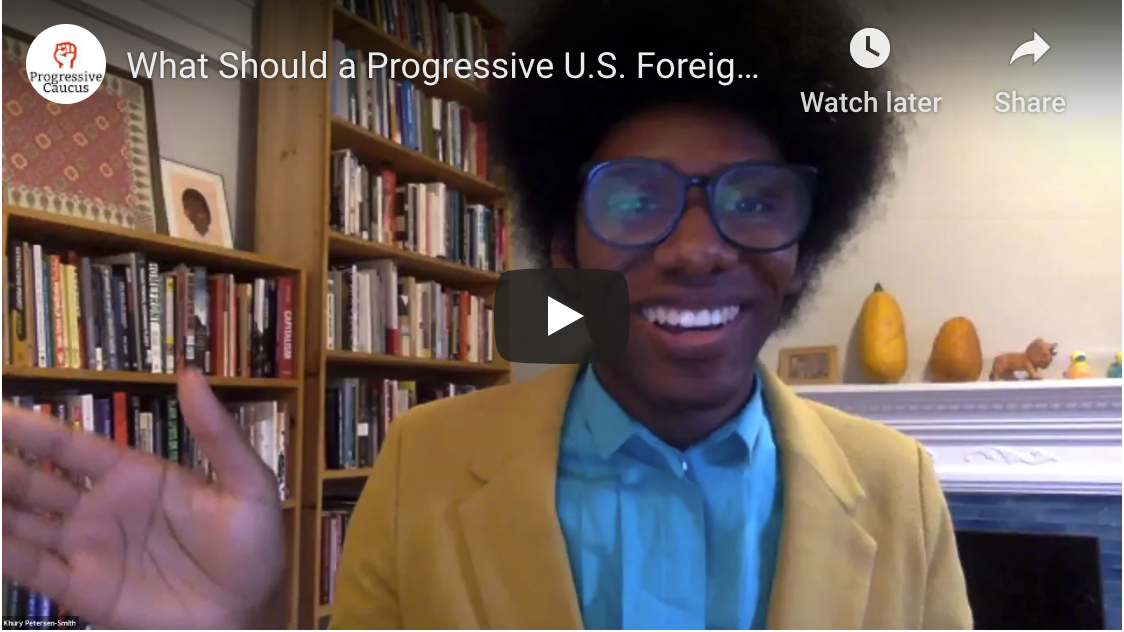
What Should a Progressive U.S. Foreign Policy Look Like?
11.19.20
The HKS Progressive Caucus hosted Khury Petersen-Smith, Shireen al-Adeimi and Tobita Chow for a conversation on progressive U.S. foreign policy, moderated by caucus co-chair Joey Leone. To hear about future events, follow the Progressive Caucus on Twitter @Progressive_HKS. Khury Petersen-Smith is the Michael Ratner Middle East Fellow at the Institute for Policy Studies. He researches, writes, and speaks about US […]
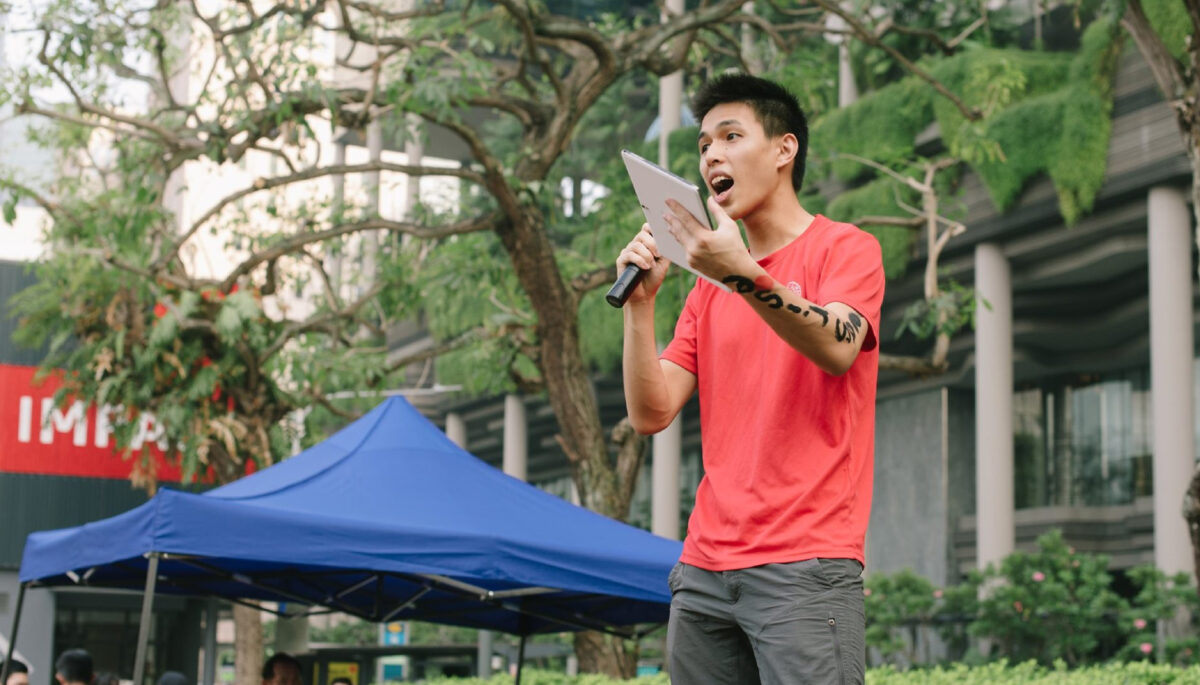
A Growing Government-Ground Divide
11.13.20
Kwan Jin Yao analyzes the perceived deficiencies in the government’s engagement with youth. In this piece, he provides an overview of the trends that have facilitated youth civic and political engagement in Singapore, and the ideological bases that underlie this government-ground divide. He ends off on a hopeful note — with concrete ways that this divide can be bridged.