

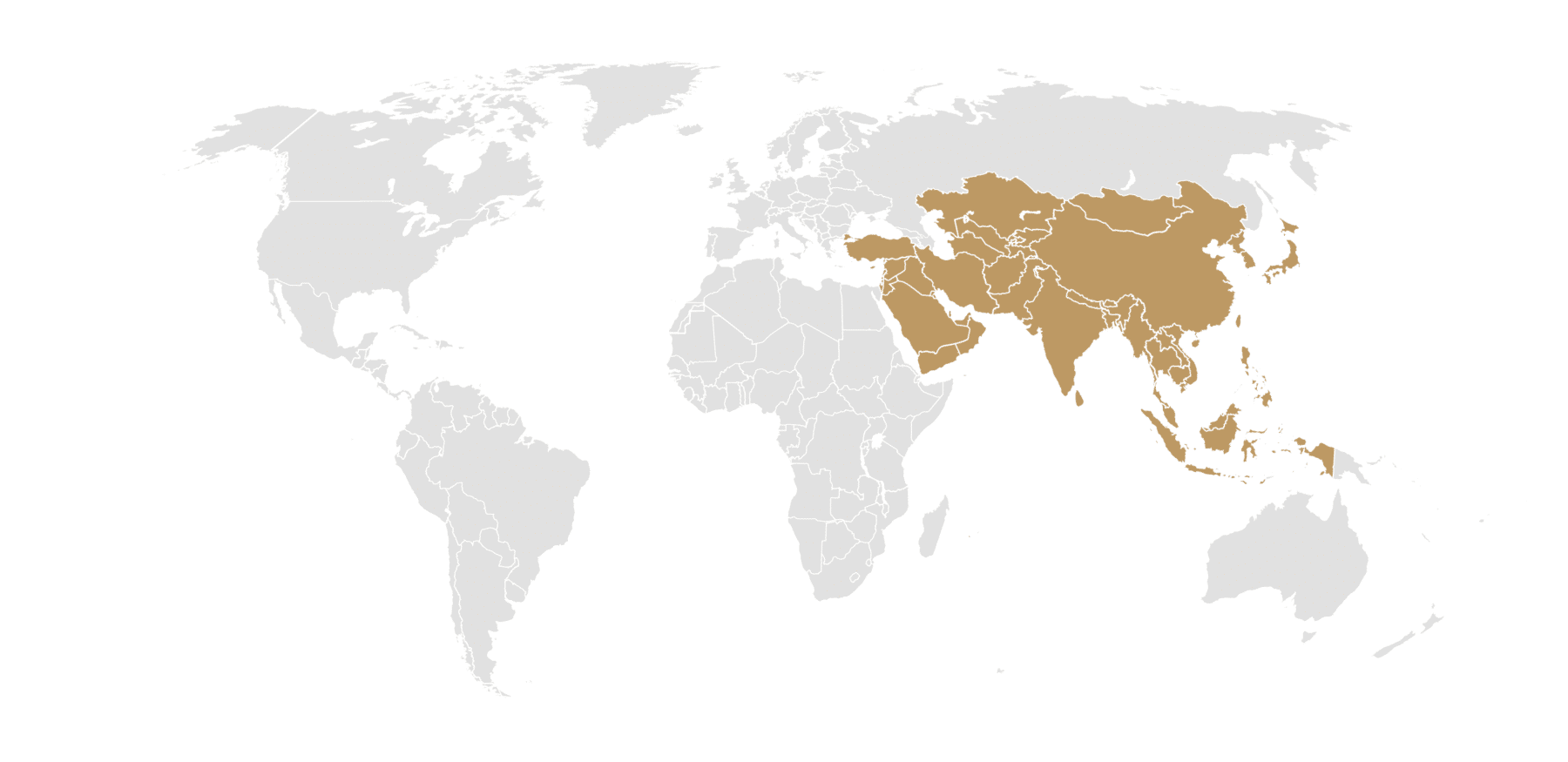
Asia
The UN-defined Asia region is the second largest regional group. Its territory is composed of much of the continent of Asia and the Middle East with few exceptions.
Explore all Articles
filter by–Topic
filter by–Country
search by–Keyword
The Management of Threats in Singapore: Civil-Military Integration
01.3.20
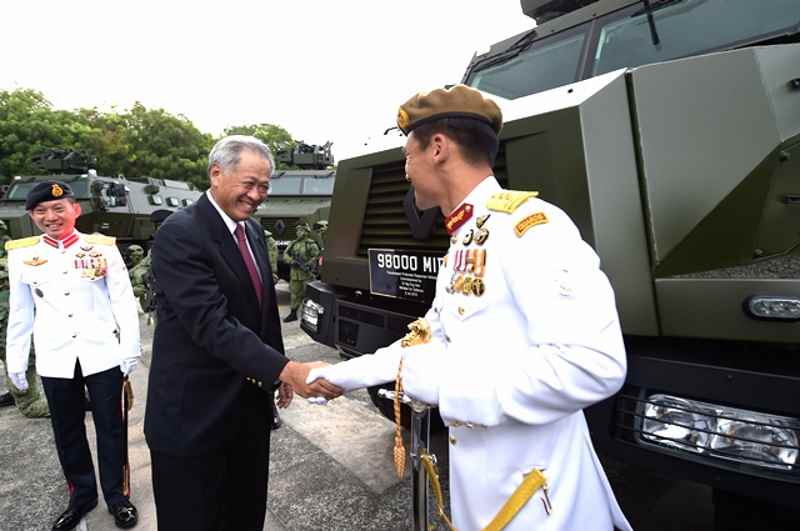
In this paper, Isaac Neo explores why Singapore’s historical experience with high levels of internal and external threat have not resulted in degraded civilian control over the military, despite existing Civil-Military Relations models predicting such an outcome. He argues this is due to the effective demarcation of responsibility between civilian institutions and the Singapore Armed Forces, along the lines of internal and external threat management. This is reinforced by the subordination of the military to a broader notion of security through the Total Defence framework. Lastly, there is a sustained effort to civilianise the military sphere, through National Service and other administrative structures.

The Limits of Power-Sharing in Lebanon: Can Protests End 200 Years of Sectarian Politics?
12.12.19
This moment offers a rare opportunity for foreign powers to help break Lebanon’s historical cycles of violence and support demands for a shift to a more robust and representative democracy.
The Legitimization of Inequality
12.5.19
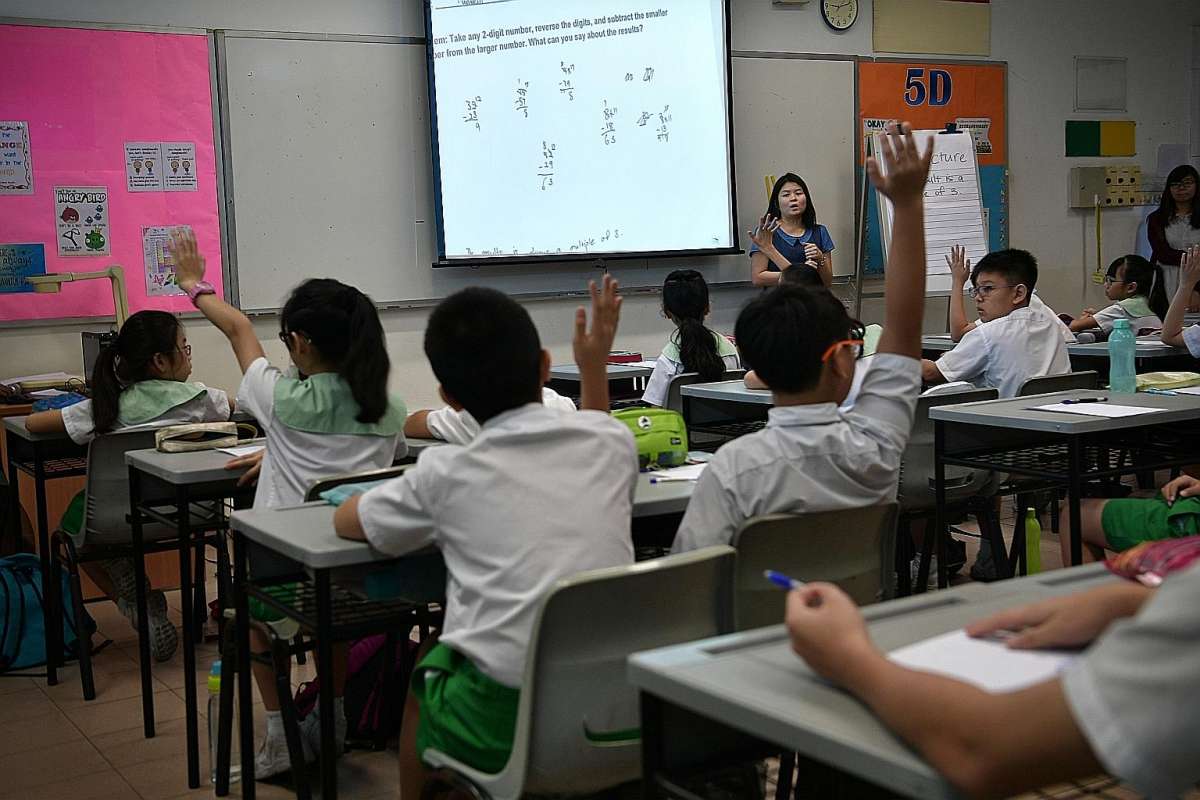
Meritocracy is generally celebrated as an ideology that promotes equality of opportunity, and hence, seen as just. Xuan Yee interrogates this view by exploring the moral, psychological, and intellectual ramifications of meritocracy when taken to its extreme. He argues that an unquestioned belief in meritocracy is dangerous, for it encourages the successful to justify their own moral deservingness of their position in society, and thus, legitimizes inequality.
Africa-East Asia Relations: Any Opportunities for Japan-China Cooperation?
12.3.19
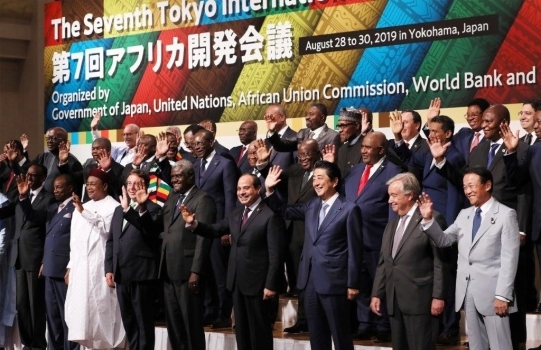
East Asia’s footprints in Africa over the past few decades have significantly evolved from mere diplomatic presence to encompass steadfast multilateral engagements. The growing engagements have been enabled by the two major East Asian countries – Japan and China. Both countries have supported Africa with investments and development aid. Japan, for example, through the Tokyo […]
Separation of Religion and Politics: Pragmatic Policy or Utopic Ideal?
11.26.19
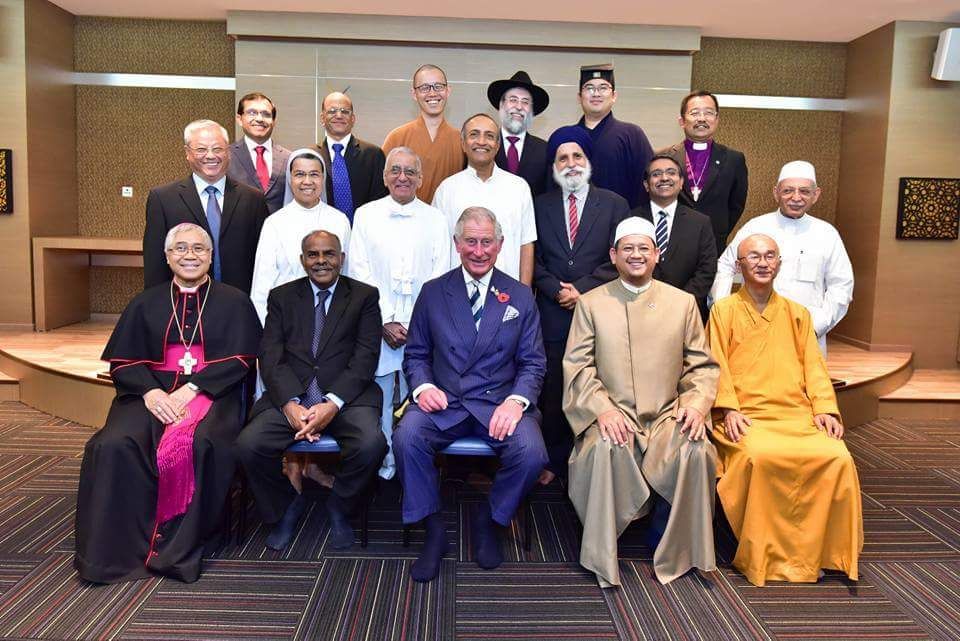
Singapore practices a brand of “accommodationist secularism” that is premised on the assumption that a separation between religion and politics is possible. Yong Han Poh argues that this assumption is flawed, and unpacks its implications on policy, political representation and religious harmony.

For Good Food, Head South
11.22.19
This is the first piece in our series, “The Food Project”, a collection of stories, essays, and opinion pieces on the food cultures from our diverse student body. Students submit pieces expressing broadly their relationship with food and cuisine from their families and countries. These writings can range from a personal connection to a dish, […]

A stronger and more distinct Singaporean-Chinese identity necessary for addressing China’s misperceptions of Singapore
11.19.19
Drawing on her undergraduate research on mainland Chinese students’ perception of the Singaporean-Chinese identity, Shu Min Chong finds that misperceptions result in mainland Chinese having unrealistic expectations of Singaporeans and Singapore. While it is easy to put blame on China, Shu Min argues that Singapore needs to do more to articulate what a unique Singaporean-Chinese identity looks like.

同为华人?论新加坡人与中国人对“新加坡华人”的认知差异
11.19.19
“中国人和新加坡华人都是华人”,这种看法成立吗?基于她本科论文有关新中两国人民对“新加坡华人”认知差异的研究,张树敏发现当中国人对新加坡华人身份和文化的认知与现实有偏差。她认为新加坡应该加强本土华人身份认同,并对此提出一些政策意见。
How the US should respond to Xi’s assertive China
11.7.19
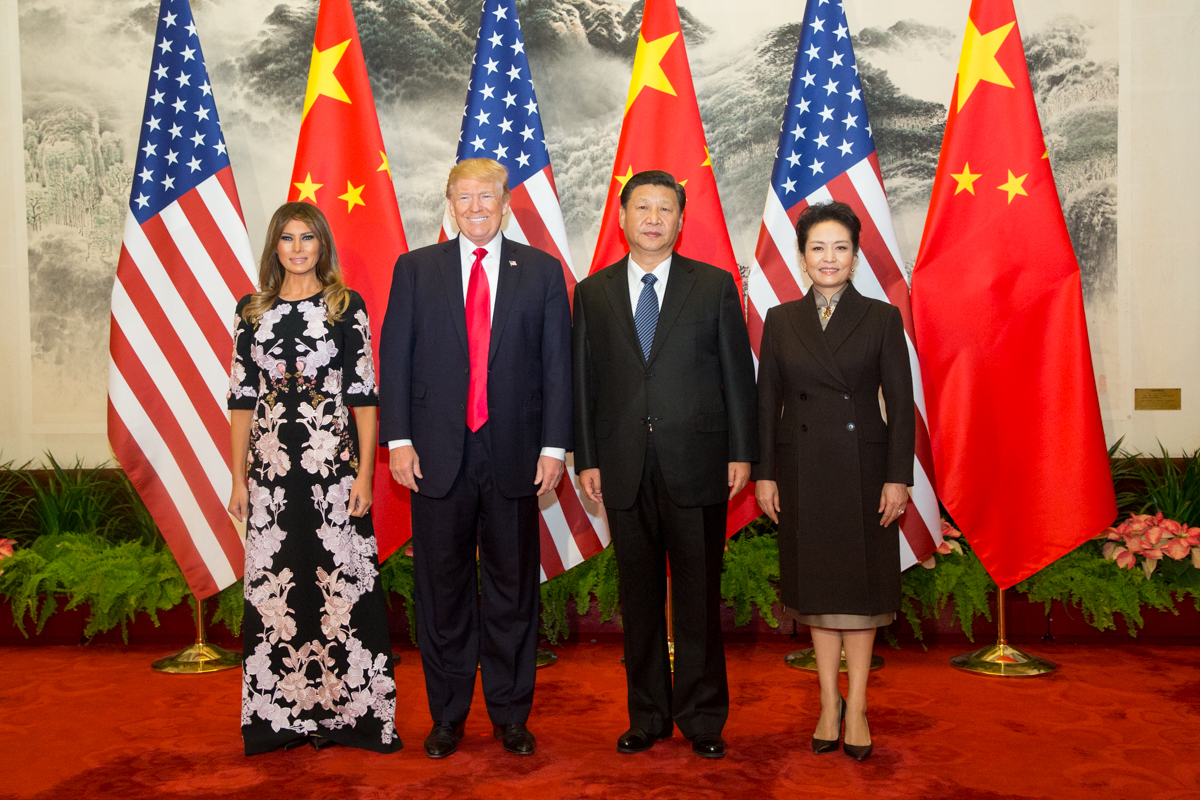
The unprecedented rise of China has been one of the most notable geopolitical phenomena of the last century. China’s decision to open up to the global economy in the 1980s sparked an economic miracle that has fueled growth for the past three decades, making it the world’s second-largest economy. But the country today harbors greater […]
The Effects of the Travel Ban on Refugee Resettlement in Jordan
11.5.19
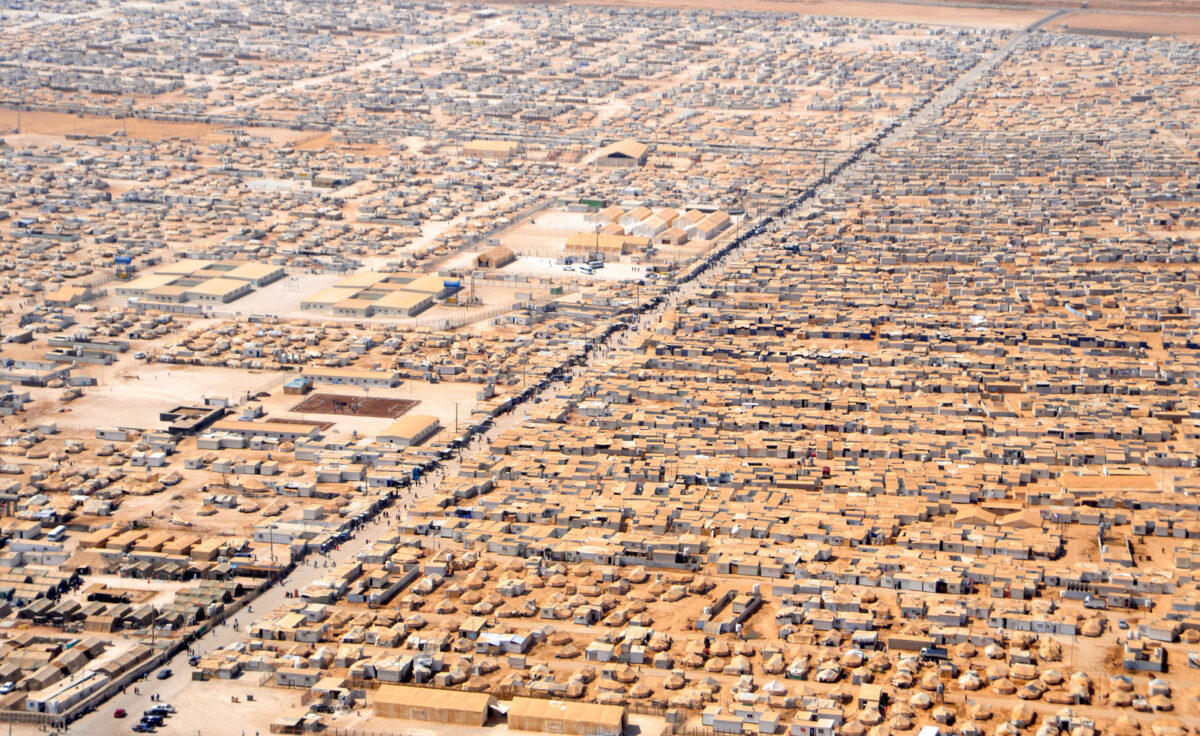
With the decreased opportunity for resettlement, refugees often take risks—either returning to unsafe conditions in their country of origin or even rejecting resettlement to the United States because of concerns about Islamophobia.
The Loving Critics Have Votes, What They Want Is Voice
11.4.19
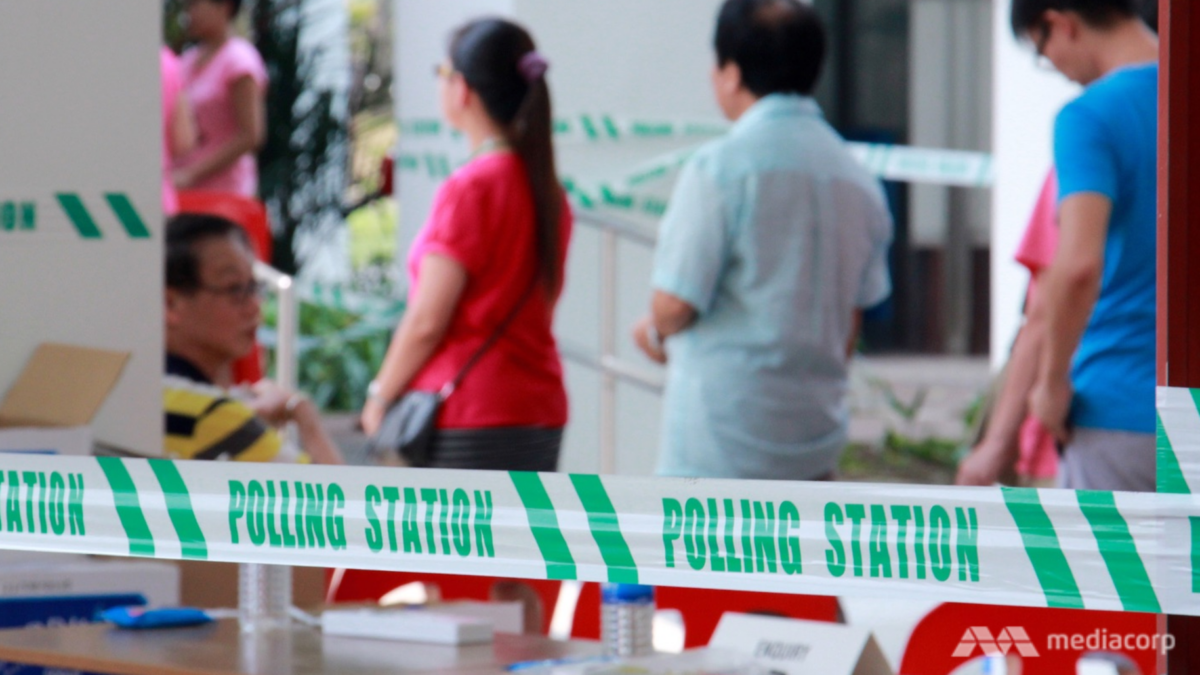
While recent events have triggered concerns over democracy and fundamental freedoms in Singapore, Seow Yongzhi argues that these debates conflate the terms “democracy” and “liberalism”. Democracies, as Yongzhi points out, can be highly illiberal. Instead, what Singaporeans want is not necessarily democracy, but liberty – the right to voice their disagreements.
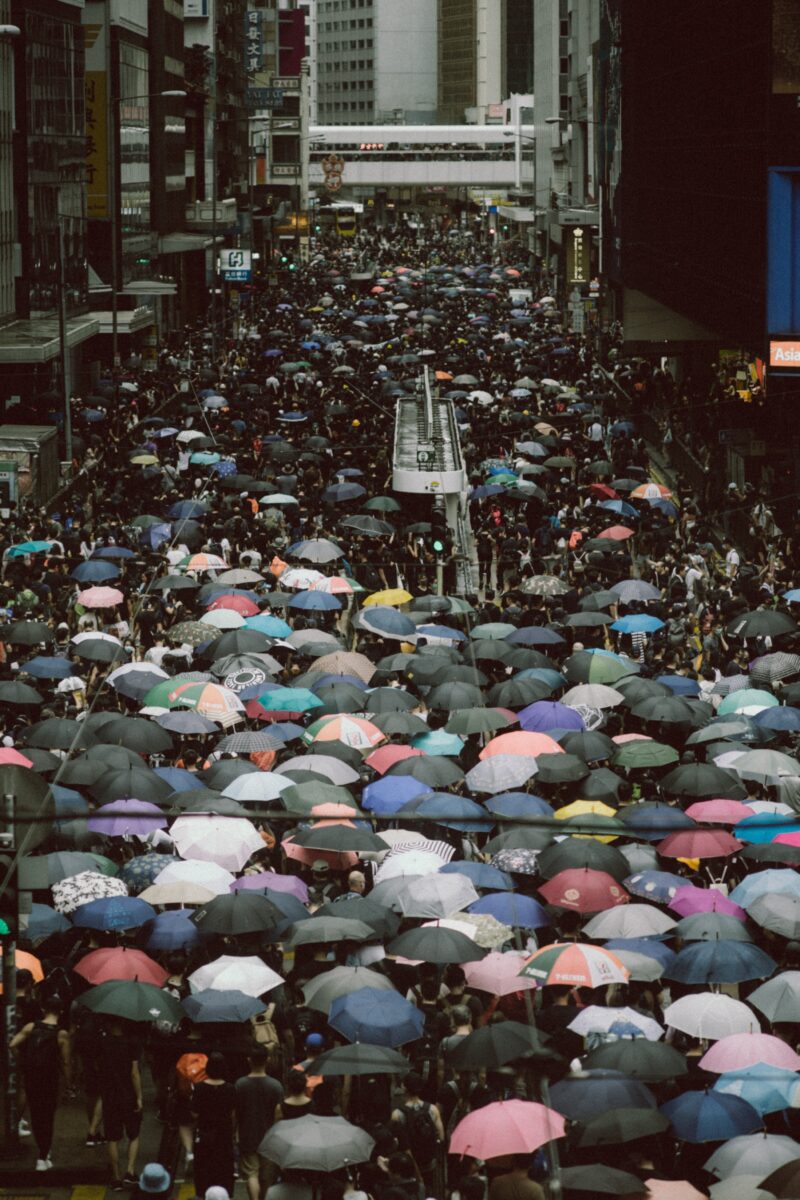
If Hong Kong wanted to stay a democracy, it should have built an army
10.31.19
Imagine: China has just mobilized its army from Guangzhou and has invaded Hong Kong. Communications are down, and the China People’s Liberation Army has filled the streets. China has reannexed the Hong Kong Special Administrative Region and declared it a regular province. Expats are hurriedly leaving Hong Kong, foreign investments are on sharp decline, and […]