

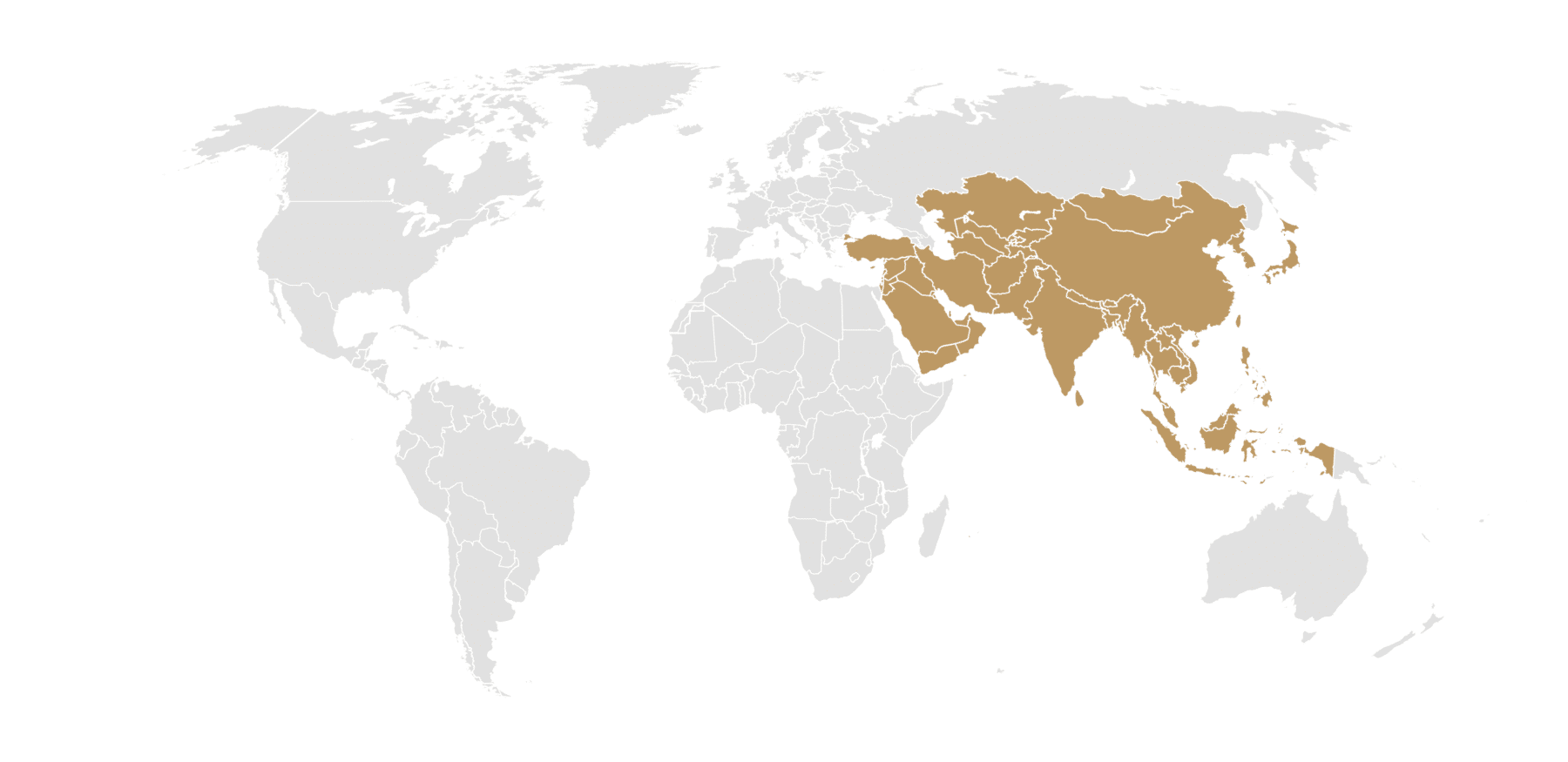
Asia
The UN-defined Asia region is the second largest regional group. Its territory is composed of much of the continent of Asia and the Middle East with few exceptions.
Explore all Articles
filter by–Topic
filter by–Country
search by–Keyword

COVID-19 Could Force China to Accelerate the Reform of Its State-Owned Enterprises
06.12.20
The current COVID-19 pandemic has placed a stranglehold on the world economy, and China has been no exception. Significantly, these effects have rippled across many countries that have benefitted from China’s lending spree over the past two decades, and whose economies have now taken a plunge. Many, if not all, are now in desperate need […]

The Wheat Fields Still Whisper: Forgotten Human Rights Stories from Punjab, 1984-2020
06.4.20
As I was completing my MPP, a faculty member at Harvard Kennedy School had written to the chair of a prominent North American foundation, confident they would be interested in my work. The chair, a man of South Asian descent whom I shall call Mr. X, sent back a pat response: The proposal focusing on […]

Latin America’s Challenges and International Cooperation, an Interview with Isabel Guerrero
05.21.20
How do you think the common challenges of Latin America have changed in the past twenty years? In the early 2000s we were discussing the middle-income trap and how to deal with the dependency of commodities of Latin America. One of the aspects that has changed in the last twenty years has been the perception […]
Public Opinion & Political Choices in Singapore: A Survey by Quad Research
05.19.20
Quad Research conducted a survey from 1-4 April 2020 on Singaporeans’ perceptions on a range of societal issues and how their views impact their political choices. This executive summary details some of their research findings.
What could a fairer migrant worker policy look like?
05.4.20
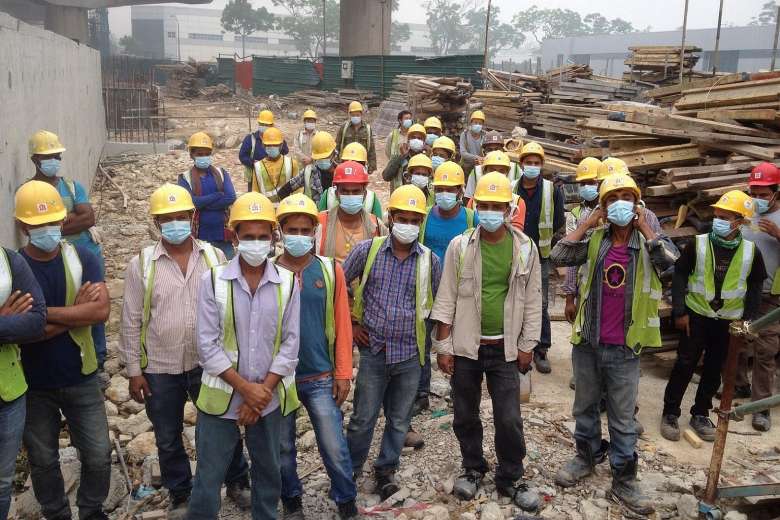
Poh Yong Han argues that while addressing poor dormitory and food standards for migrant workers are important, they merely represent the tip of the iceberg. Unless we tackle the underlying structural issues that explain why migrant workers “consent” to such poor standards (low wages, high agency fees) in the first place, we are not addressing the root cause of the problem. To address them, she proposes setting a Minimum Income Threshold, and enforcing fair recruitment practices. She further suggests reconsidering whether the Work Permit scheme as it stands is even ethical, and asks if current restrictions (such as tying workers to specific employers) need to be loosened, and whether a fairer migrant worker policy would entail providing them with pathways to citizenship or residency.

Citizenship-Stripping as a Political Tool: A Comparative Perspective
04.27.20
Since the attempted coup on 15 July 2016, Turkish state authorities have engaged in what they characterize as a counterterrorism campaign against the political enemy they blame for the attacks: the expatriate cleric and government critic Fethullah Gülen, as well as hundreds of his followers who fled the country. The Turkish government still maintains that […]
Violations of Medical Neutrality in Syria: The Need for Accountability
04.25.20
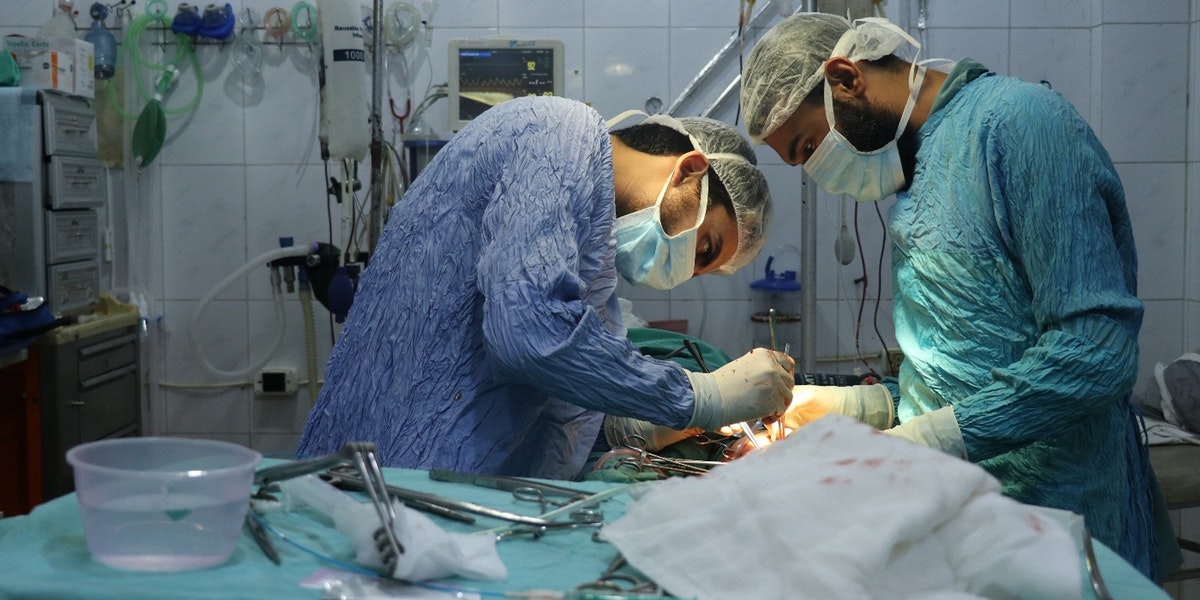
Violations of Medical Neutrality in Syria: The Need for Accountability During a time where the strength of healthcare systems is as crucial as ever, we must remember the state of healthcare in Syria. Syria reported its first covid-19 cases a week ago– and has now reported its first coronavirus deaths. However, many analysts noted […]
Syria, the Gulf, and Reconstruction – What Possible Future?
04.25.20
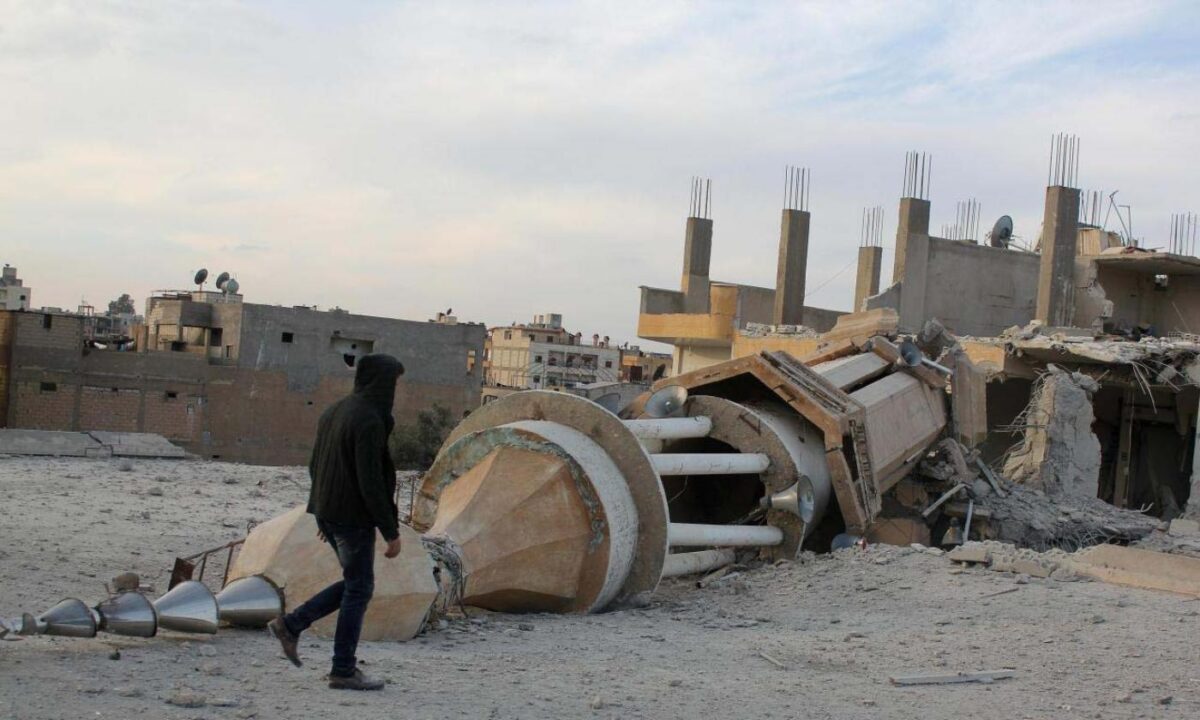
Saudi Arabia, UAE and Qatar have increased their geopolitical influence in the Middle East in the last decade. In the case of Syria, the foreign policy of Gulf monarchies the past years has been on of rapprochement towards the regime of Damascus after initially opposing it firmly and funding some armed opposition groups. This article analyzes the potential economic and political implications of the return of Gulf investments in Syria. It argues that Gulf investments would have consequences on the political economy of Syria by deepening its reliance on projects in short-term profit-seeking sectors, mostly in trade, real estate and services. At the same time, significant obstacles to Gulf investments in Syria will persist.

Deposits Made “Sacred”: The Dangerous Red Line of Lebanon’s Elites
04.25.20
Facing the ashes of an economic model based on sectarianism and cronyism, Lebanon currently endures a perfect storm of overlapping financial, economic, and political crises. Since its inauguration on January 31, 2020, the technocratic government of Prime Minister Hassan Diab, aided by international advisors, elaborated an “economic rescue plan” to explore options for recovery. Leaked […]
The Need to Partner Humanitarian Aid and Academic Research in the Middle East
04.18.20
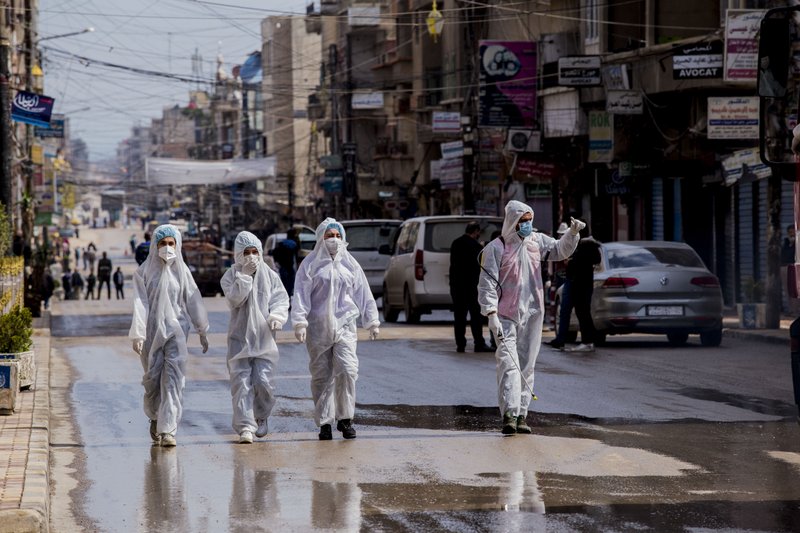
In 2016, I was working at a UNHCR clinic in a refugee camp in South Beirut, Lebanon as a medical assistant. I remember throwing out suitcases full of donated medications, which were all outdated, or otherwise uselessbecause they were not addressing the health problems that we were seeing in the population. What good is a […]
Elevating Trash Talk: Addressing Jakarta’s Organic Waste Problem
04.15.20
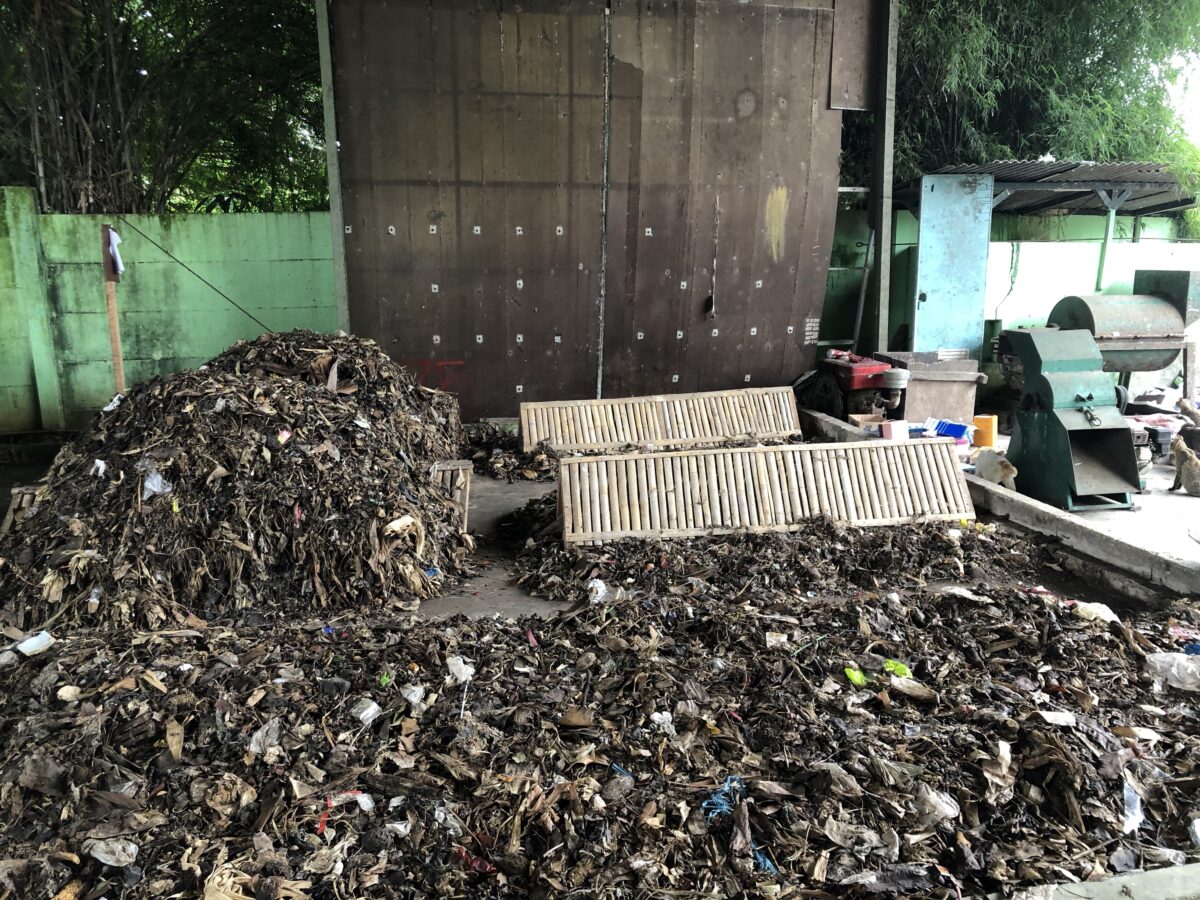
Every year, we throw away about one-third of the world’s food. This is the equivalent of USD 936 billion, more than the Netherlands’ entire GDP.1 Most of this food is dumped in landfills where it decomposes and produces greenhouse gases (GHG). In 2010, the Intergovernmental Panel on Climate Change (IPCC) estimated that about 3 percent […]
Will There be a Nouveau Poor?
04.5.20
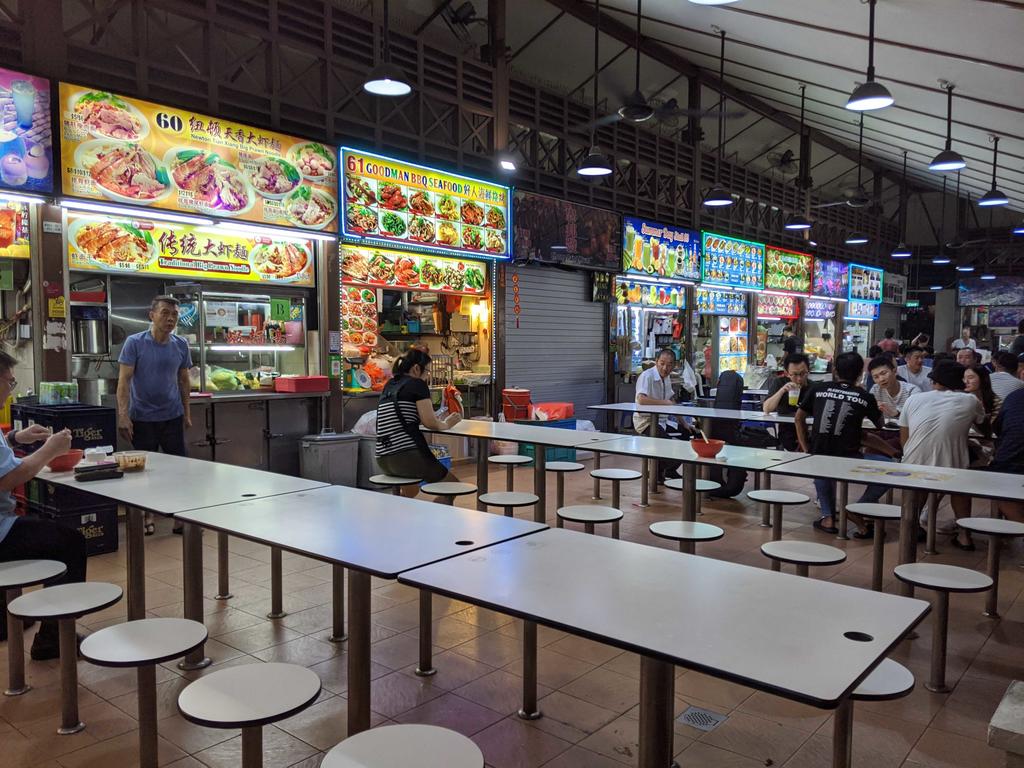
Al Lim looks at how COVID-19 exacerbates existing vulnerabilities that small business owners already struggle with and considers how government support mechanisms can – and should – be deployed to help them cope with both the ongoing effects and aftermath of the pandemic.