

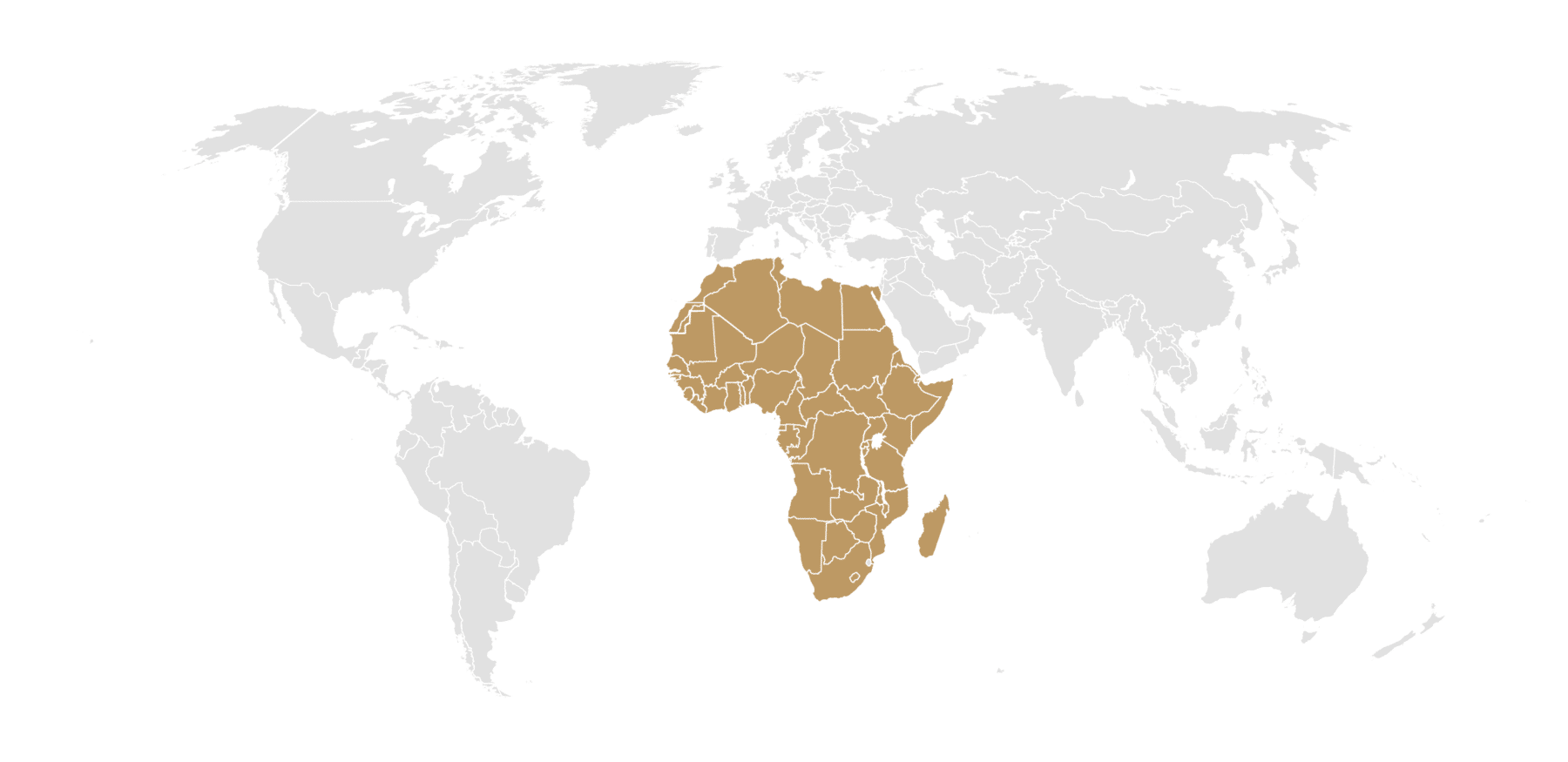
Africa
The UN-defined African region is the largest regional group by number of member states. Its territory is composed entirely of land from Africa.
Explore all Articles
filter by–Topic
filter by–Country
search by–Keyword

Exclusive Interview on the Zimbabwe Election with Education Minister, David Coltart
08.6.13
After presiding over economic decline marked by hyperinflation which brought Zimbabwe to its knees, president Mugabe and his Zimbabwe African National Union – Patriotic Front (ZANU-PF) party have emerged as victors in the recent harmonized elections in Zimbabwe. Mugabe got 61% of the vote and his ZANU-PF party won 158 of the 210 parliament seats, giving […]
Boko Haram and the Ongoing Campaign of Terror in Northern Nigeria: The End in Sight?
07.4.13
There is an ongoing campaign of terror in Nigeria. Since July 2009, Boko Haram, an extremist jihadist group from northern Nigeria, has killed over 3,500 people in the wake of an Islamic insurgency, with the death toll rising almost on a daily basis. The group has carried out frequent gun attacks and bombings, in some […]
Book Review: “Winner Take All” By Dambisa Moyo
07.3.13
I recently read Dambisa Moyo’s Winner Take All: China’s Race for Resources and What it Means for the World. The book is a thorough review of the resource landscape – from water to land to energy, and what China’s drive to acquire these means for the West and the developing world including Africa. Moyo conducts due diligence on […]
Telecommunications Surveillance and Cryptography Regulatory Policy in Africa
05.16.13
Abstract This article examines regulatory policy of cryptography in Africa. Some consider public availability of strong cryptography to be a civil right. Whether used to protect sensitive information or verify identities, individuals and corporations alike benefit from cryptographic software in a world that is becoming increasingly networked. By the same token, users of cryptography might commit […]
Vulnerability Analysis and Policy Development in Democratic African States
04.18.13
The development challenges for contemporary democratic states of Africa are enormous. This somewhat sweeping phrase takes for granted the question of whether those countries claiming to be democratic are so in organisation and practice. For instance, only Mauritius was categorised as full democracy out of 44 sub-Saharan African countries evaluated in Democracy Index, 2010; 8 […]
Oil, Ideology, and Regime Adaptation in the Rentier Republics: A Comparison of Libya and Algeria
04.17.13
Abstract: The Arab Spring provides a rare opportunity to examine the roles of natural resources and state structure in the face of popular discontent. While the Gulf monarchies have all weathered the events of 2011, the diverging fates of the two oil-producing republics in North Africa—Algeria and Libya—suggest that neither factor alone can account for […]
Symptoms of an Enduring Crisis: Prospects for Addressing Mali’s Conflict Catalysts
04.2.13
Abstract Despite the peace agreements and disarmament processes implemented since the 1990s, conflict in Mali has proven to be resilient. Conflict symptoms pertaining to deficient governance and sustained societal discontent have recurrently generated armed violence. This paper will explore the multifarious factors that have continually undermined the political stability and integrity of the Malian state. […]
Desertec: A Fata Morgana?
03.4.13
In 2009, a group of academics, policy makers, and industry professionals came together and created the Desertec Industrial Initiative (DII) and the DESERTEC Foundation with the goal of meeting 15% of Europe’s electricity needs and two thirds of the Middle East and North Africa’s electricity needs with renewable power generated in the deserts of northern […]
At What Cost? Aid-Security Relations in East and West Africa
03.4.13
Meet America’s new ally in Africa. With 16 million people, a per capita income of $360 (PPP),52,875 refugees, and dysfunctional neighbors, Niger seems less than the ideal partner in the growing U.S. strategic footprint in Africa, but its geographic location places it at the frontlines.Landlocked between the hotbed of Mali and the oil basin in […]
Supporting & Strengthening Maternal, Neonatal, and Child Health Services Using Mobile Phones In Sierra Leone: A Research Protocol
03.1.13
Introduction Sierra Leone is consistently ranked among the countries with the highest maternal mortality ratio (970 per 100,000) and women in Sierra Leone have a 1 in 21 lifetime risk of dying as a result of pregnancy. Despite some progress, Sierra Leone still ranks 5th in the world for countries with the highest under-five mortality […]
South Sudan’s Entry into the East African Community: Prospects and Challenges
02.28.13
On July 09, 2012, the Republic of South Sudan celebrated its first year anniversary. The previous year, on November 11, 2011, it submitted an application to formally join the East African Community (EAC), a regional organization consisting of Burundi, Kenya, Rwanda, Uganda, and Tanzania. South Sudan, a landlocked country in East Africa, emerged from four […]
The Hierarchy of Poor: The Tension Between Favoring Smallholder Farmers or Domestic Consumers in Ethiopian Agricultural Development
02.28.13
Overview: illustrating the challenge in supporting producers and consumers through agricultural policies A pressing challenge facing Ethiopia today is one that has long been a dilemma facing many African governments. This paper discusses the challenge of supporting smallholder farmers while ensuring benefits for consumers. Attaining a balance often involves a tradeoff when policy and economic […]