

Africa
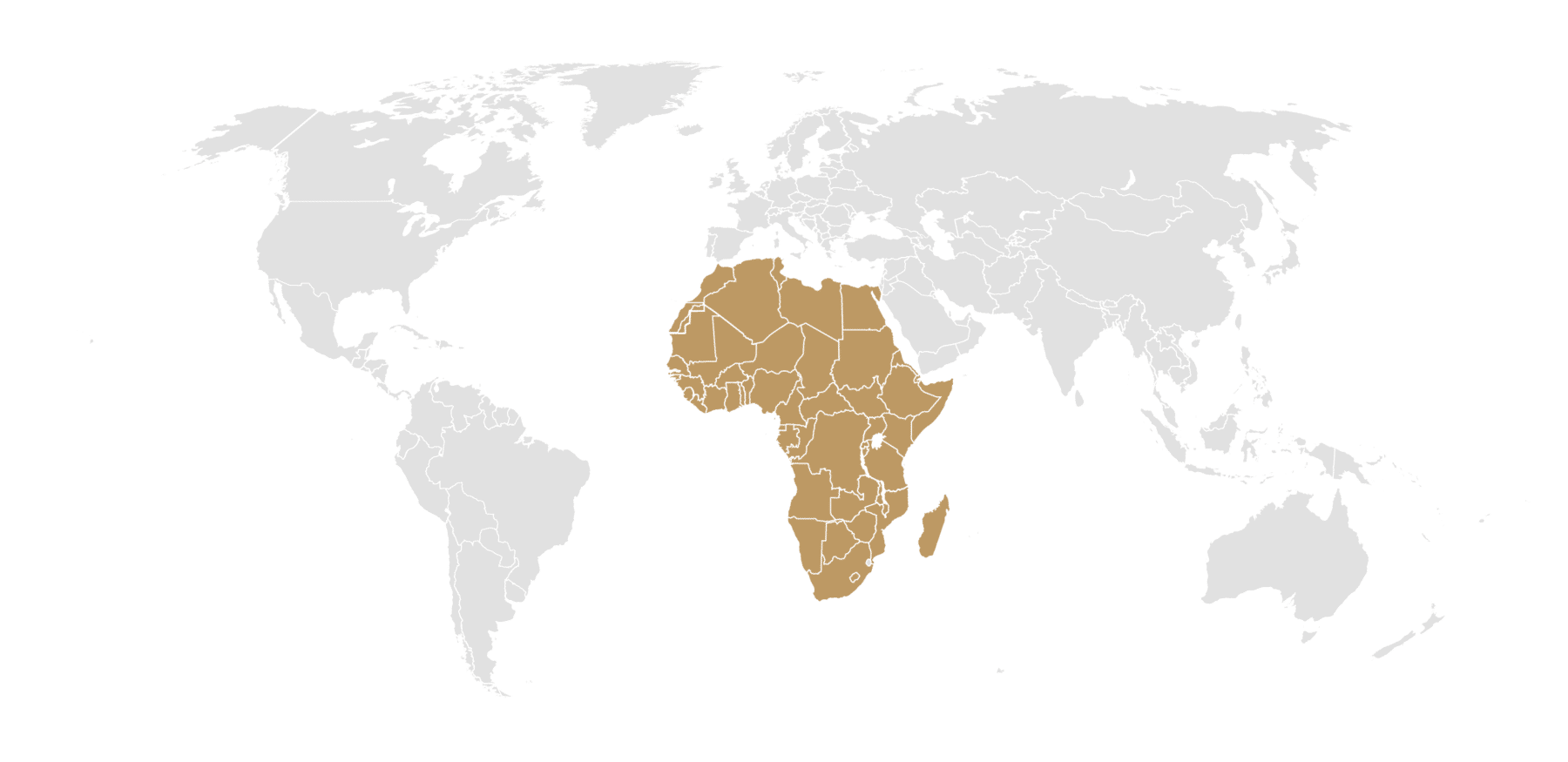
The UN-defined African region is the largest regional group by number of member states. Its territory is composed entirely of land from Africa.
Explore all Articles
filter by–Topic
filter by–Country
search by–Keyword
How Technology Is Shaping Thought Leadership In Africa
01.27.16
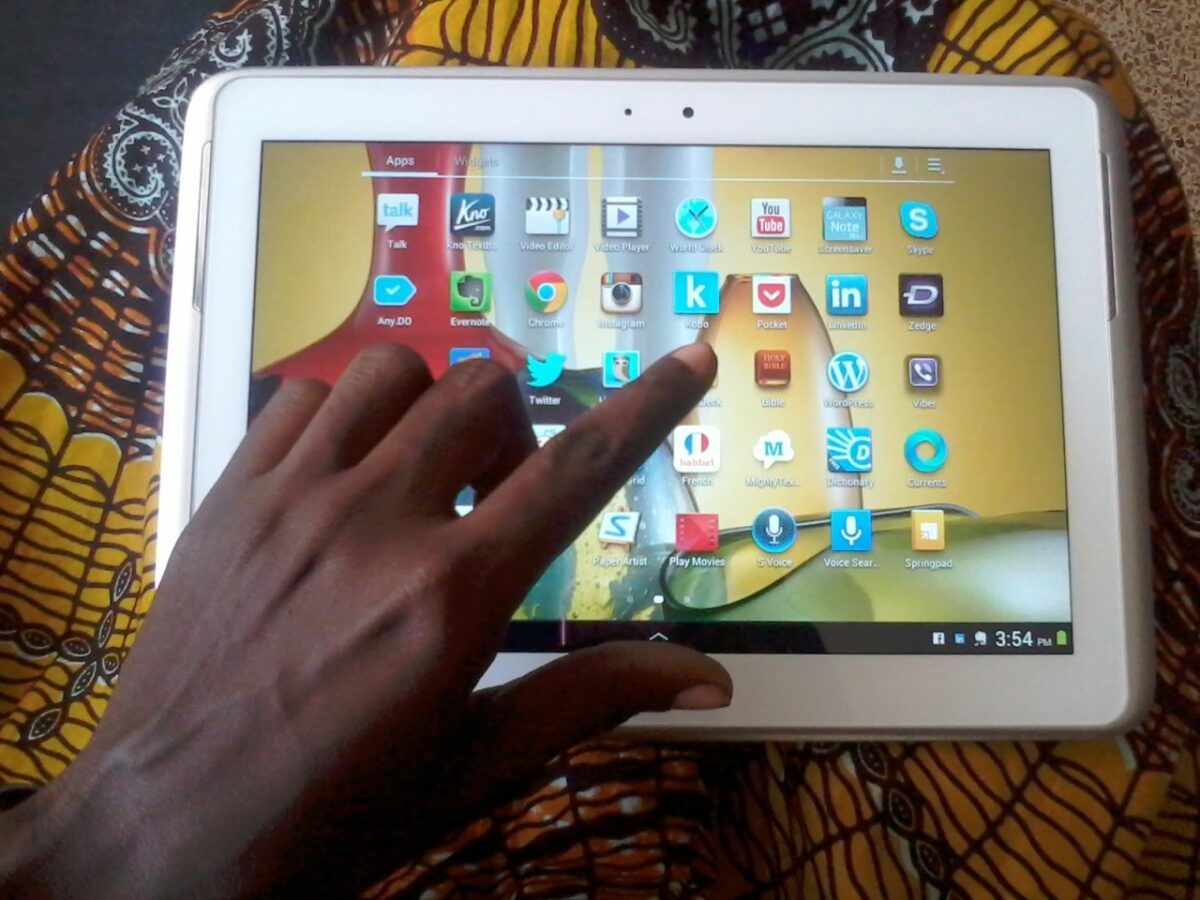
Leadership is replacing Africa rising as the new meme for Africa. Fellowships, conferences and think tanks are all geared at building a new generation of African leaders armed with smartphones and tablets. By simple definition, a leader directs or guides a group of people for a certain purpose. However, the contemporary leader is the thought […]
The Myth of Entrepreneurship: We Are Not All Created Entrepreneurs
01.25.16
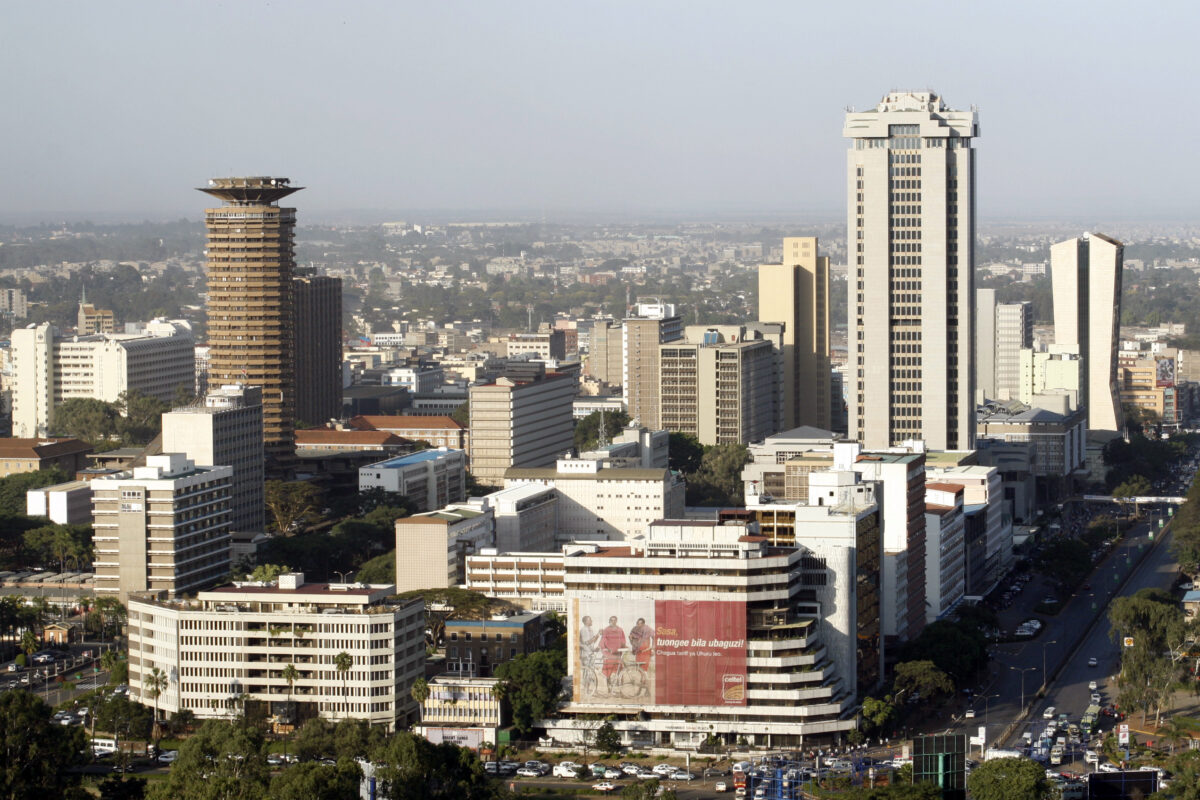
As I write this from Nairobi, Kenya, we are still basking in the warm and rosy glow of something approaching love as we remember with fondness President Obama’s recent visit. One of the big-ticket items during the President’s visit was his attendance of the seventh edition of the annual Global Entrepreneurship Summit. Of course, most […]
Interview with Minister Hedi Larbi: International Monetary Institutions and Reform in Tunisia
01.8.16
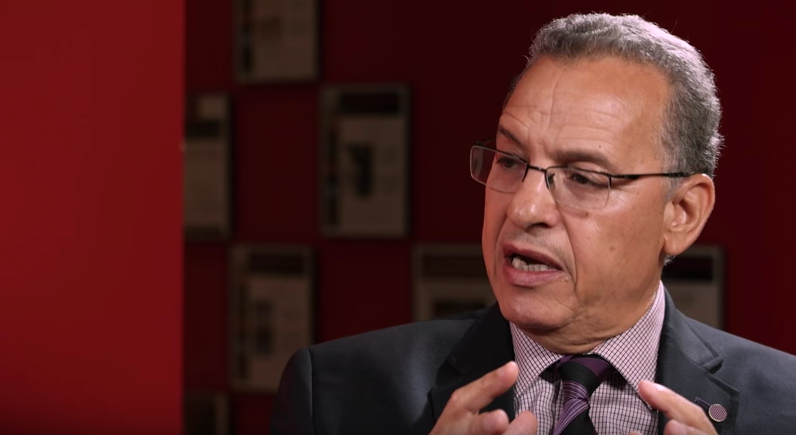
In Fall 2015, JMEPP Co-Editor-in-Chief Kristin Wagner interviewed Hedi Larbi, Former Minister of Economic Infrastructure and Sustainable Development and a visiting scholar at the Middle East Initiative at Harvard’s Belfer Center. Below is an excerpt from the interview on the role of international monetary institutions in contributing to Tunisia’s future prospects. Other topics covered include measuring Tunisia’s success […]
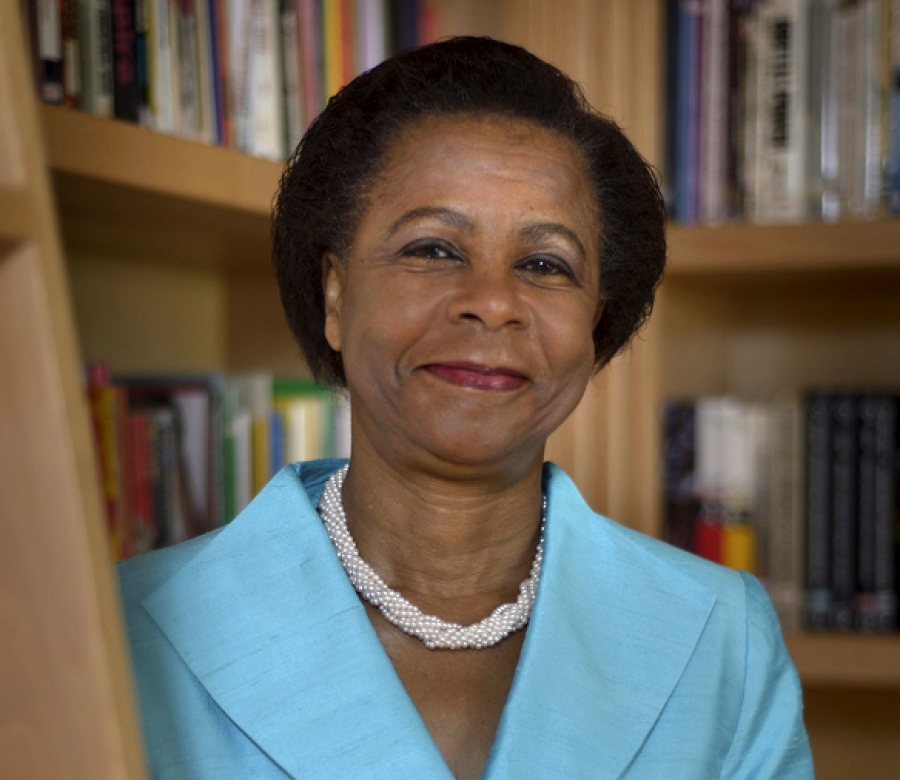
Interview with Mamphela Ramphele: Can African Women Redefine Liberation for All?
11.14.15
Dr. Mamphela Ramphele gave a lecture in September this year at the Radcliffe Institute for Advanced Study at Harvard University titled “Can African Women Redefine Liberation for All?” The video of her lecture can be viewed here. Dr. Ramphele, a former World Bank managing director and political party leader in South Africa, sat down with the […]
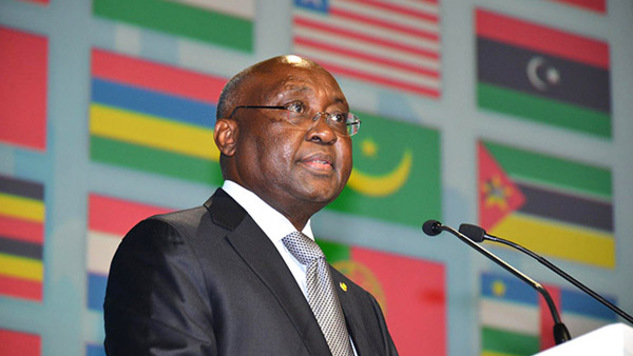
Former AfDB President Donald Kaberuka on Tackling the Roots of the Refugee Crisis
11.14.15
There are more refugees in the world today than ever before, according to the Office of the U.N. High Commissioner for Refugees. The UN figures show that roughly 60 million people were forcibly displaced in 2014. The UN report says the number of individuals forced to leave their homes due to conflict and persecution increased […]
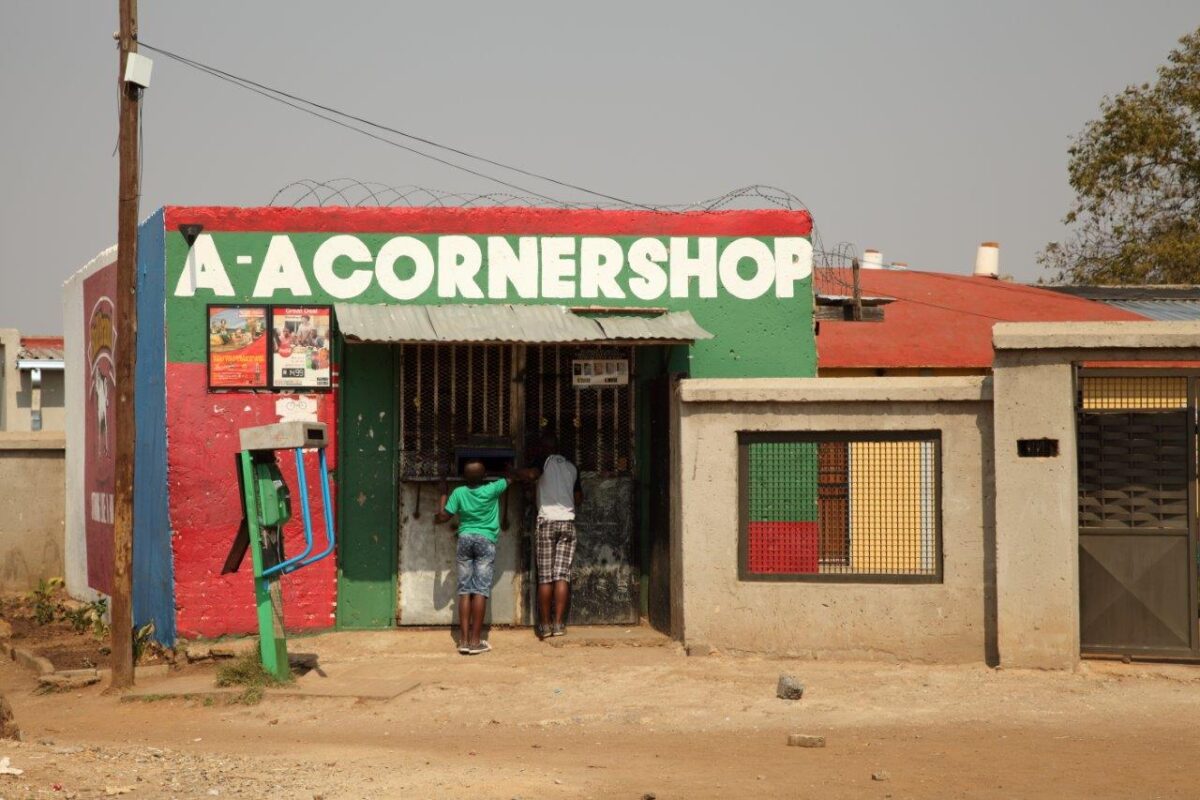
Pathways to Inclusive Growth: Corner Store 2.0
11.14.15
Growing up in the 80’s, it was common for low-income households to visit the city once a month to buy their supply of groceries. The corner stores catered for their grocery needs throughout the month. For the business owner, your typical customer was not the most sophisticated. You knew your customers by name and you […]
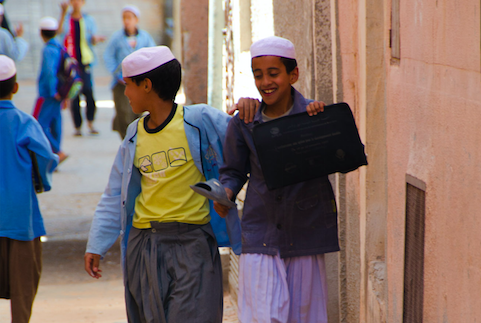
The Hijacking of Algerian Identity
10.25.15
Introduction Both French and post-independence Algerian rulers imposed a simplistic, narrow definition of identity on Algeria. These choices were dictated by ideologies associated with colonization and Pan-Arabism, marginalizing other key components of Algerian identity. In doing so, both the colonizer and the dictator were able to effectively maintain power in pitting cultural, linguistic, and ethnic […]
It’s Not Over: The Significance of the Tunisian Nobel Peace Prize to the Arab Spring Generation
10.18.15
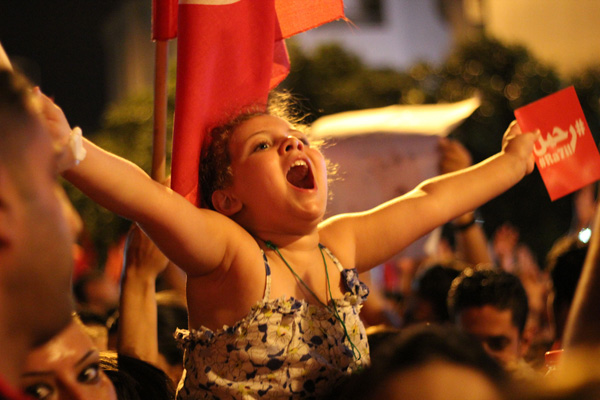
On the morning of October 9th 2015, I woke up to the news that the Tunisian National Dialogue Quartet won the Nobel Peace Prize. In a time when terrorism, political bickering and popular discontent were threatening the legacy of the Tunisian revolution, the Quartet stepped in and engineered a nationwide dialogue. It worked. Tunisia […]
Inside the Middle East: Interview on Libya’s Past, Present and Future with Mahmoud Jibril
10.10.15
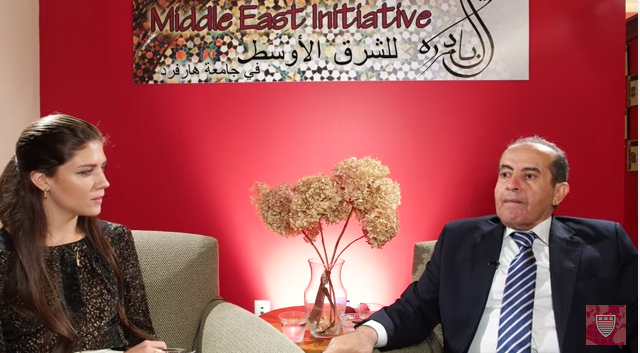
In mid-September, 2015, JMEPP Co-Editor-in-Chief Kristin Wagner interviewed Mahmoud Jibril, Former Prime Minister of Libya and president of the National Forces Alliance (تحالف القوى الوطنية) political party. Watch the discussion of Libya’s post-Gaddafi transition, reflections on leadership, and the role of external actors and foreign assistance in Libya during and since the revolution, below:
Leveraging Technology in the Nigerian Elections
05.14.15
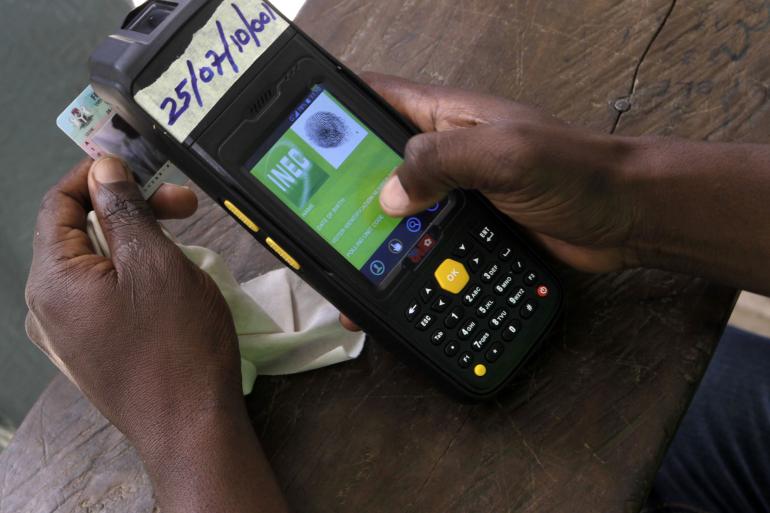
A lot of things have evolved since the 2011 elections when Nigerian youth celebrated social media as a tool for successful elections. Technology has continued to foster government accountability, as well as active citizen participation in the country. During the 2015 elections, young Nigerians, who make up 70 percent of the country’s 177 million population, […]

Interview with Olalekan Akinyanmi, CEO of LEKOIL Limited
05.14.15
Harvard Africa Policy Journal (APJ): Hi Lekan. Thank you very much for your availability for this interview. You are the CEO of Lekoil, a young Nigerian international oil exploration and production company. Where does the company have its offices? Lekan Akinyanmi (L.A.): Hi William. My pleasure! Thanks for inviting me! So, Lagos is the head […]
Ghana in Crisis: How Emerging Africa’s Posterchild Ended up in the Arms of the IMF
04.11.15
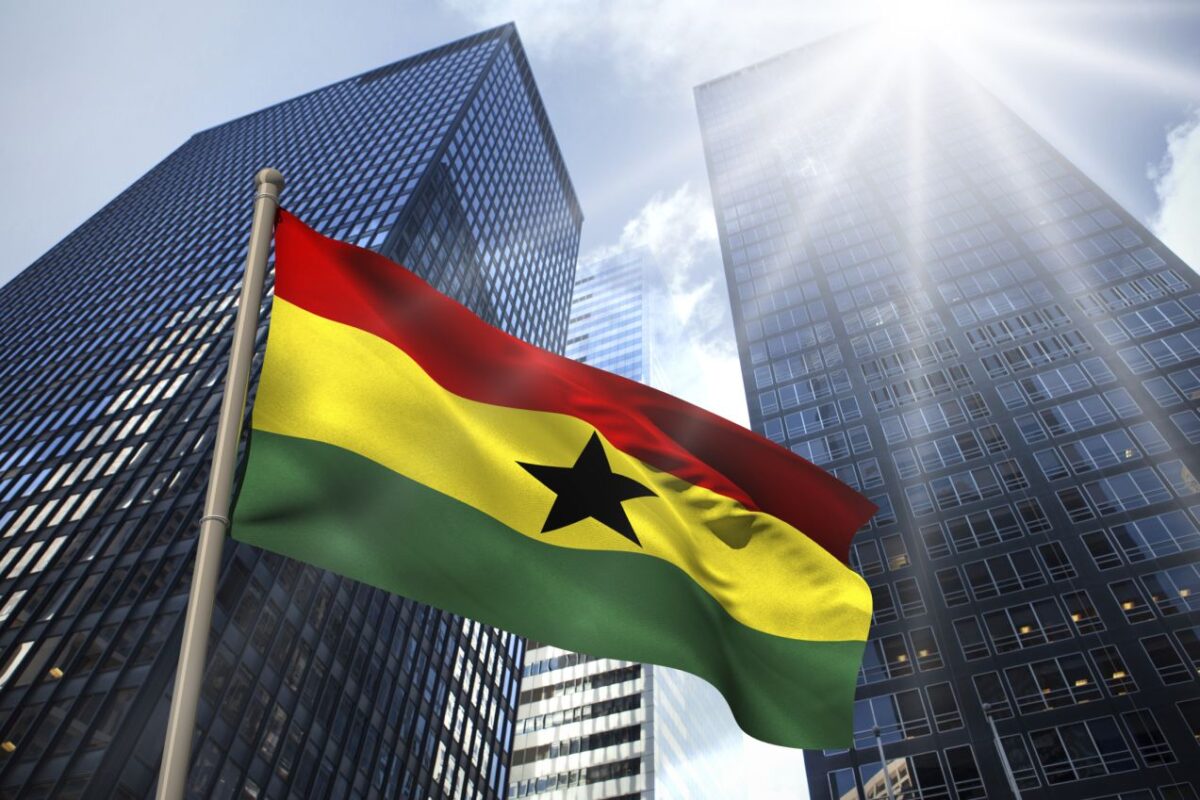
Ghana Rising Among the emerging Africa narratives, Ghana has often been touted as something of a model: over a decade of consolidated democratic institutions, economic expansion, and poverty reduction. With economic growth of over 6% for the past seven years, buoyed by high commodity prices, Ghana appeared to have avoided many of the pitfalls in […]