


Journal of Middle Eastern Politics & Policy
The Journal of Middle Eastern Politics and Policy (JMEPP) presented cutting-edge analysis on the contemporary Middle East and North Africa. JMEPP was committed to presenting new perspectives on pressing problems, addressing complex issues with insightful analysis, and exploring emerging trends shaping the region in an empirically grounded and accessible way.
Explore all Articles
filter by–Topic
filter by–Region
filter by–Country
search by–Keyword

Queen Rania Calls for Optimism at Harvard Arab Weekend
12.2.13
Her Majesty Queen Rania Al Abdullah of Jordan gave a keynote address on November 7th at the Harvard Arab Weekend stating she felt optimistic about the future of the Arab world and unveiled an new digital education platform for the region. HM Queen Rania opened her remarks by quoting Charles Dickens A Tale of Two […]
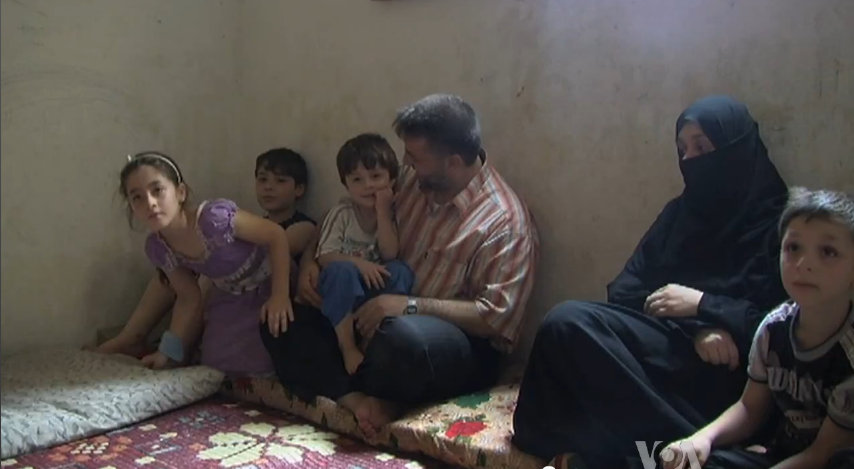
Syria’s Refugee Crisis
11.29.13
This post is the first in a series of posts summarizing events that took place at the 2013 Harvard Arab Weekend, the largest pan-Arab conference in North America. For more information about this event, please visit http://harvardarabweekend.org/ On November 9, three practitioners and academics came together at the Harvard Arab Weekend to discuss Syria’s daunting […]
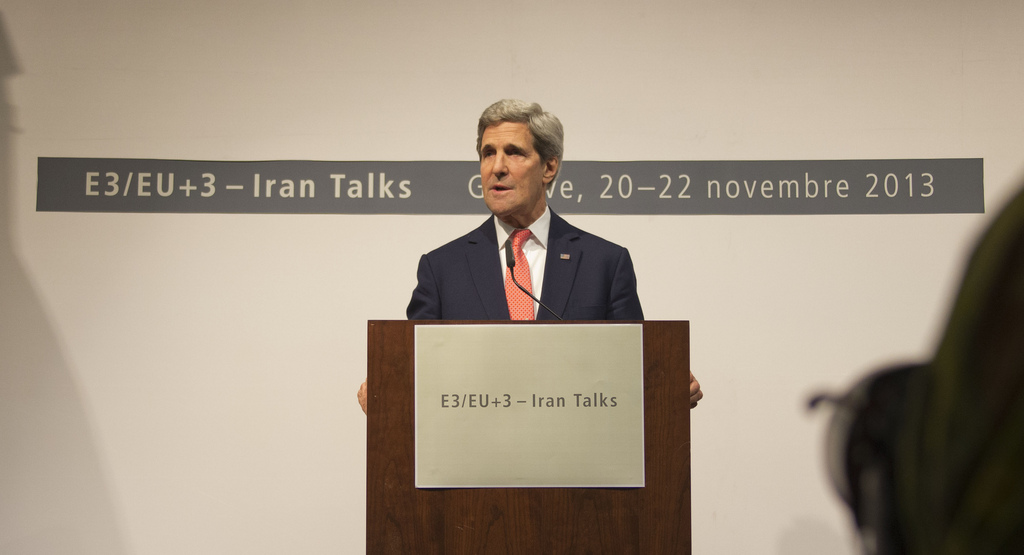
The U.S., Iran, and the Logic of Enmity
11.25.13
On Sunday, November 23, the Obama administration announced that they had reached a preliminary deal with Iran over that country’s nuclear program. The tentative deal is being hailed in the media as a sign of rapprochement between the two historical enemies, but Banai warned during his talk that the rift runs deeper than many observers […]
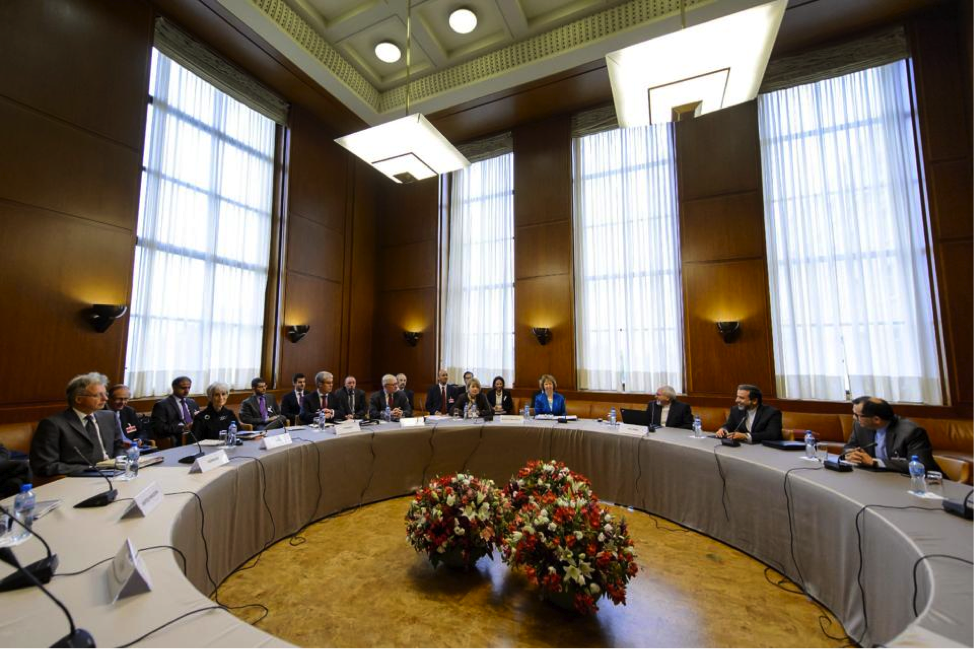
The Other Negotiations
11.13.13
The negotiations in Geneva are exciting, but miss much of the action. As US and Iranian diplomats sit down for the much-anticipated nuclear negotiations in Geneva, attention has focused on the drama unfolding in Europe. From Secretary Kerry’s premature departure from Israel on Friday, to French indignation over weak concessions on Saturday, there has been […]

The Crux of the Gulf Energy Challenge Development and Industrialization in the Arabian Gulf Region
04.20.13
Abstract: The Arabian Gulf region has the most prodigious energy reserves in the world. However, the region’s massive industrialization and expanding demography are also increasing energy consumption at unsustainable rates, leading to natural gas deficits across the region. This article argues that the pressures of economic development and industrial diversification are steadily eroding the comparative […]
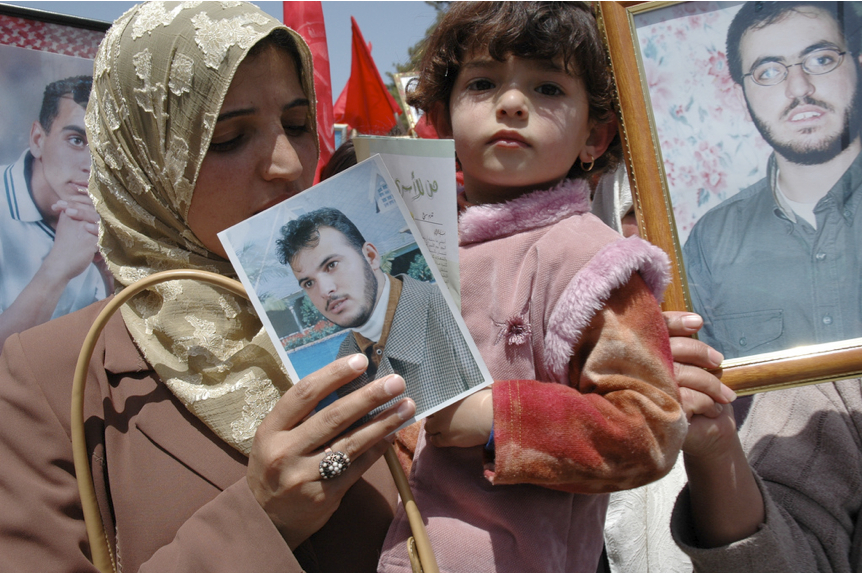
What Lies Behind Our Lies? Self-Deception and the Israeli-Palestinian Conflict
04.17.13
Though people tend to see themselves as objective interpreters of the world, they are often active self-deceivers. Self-deception is a psychological process whereby one selectively chooses knowledge that confirms a positive self bias. Affecting people on an individual and group level, self-deception can have destructive consequences. It is thus important to understand self-deception’s role in […]
Oil, Ideology, and Regime Adaptation in the Rentier Republics: A Comparison of Libya and Algeria
04.17.13
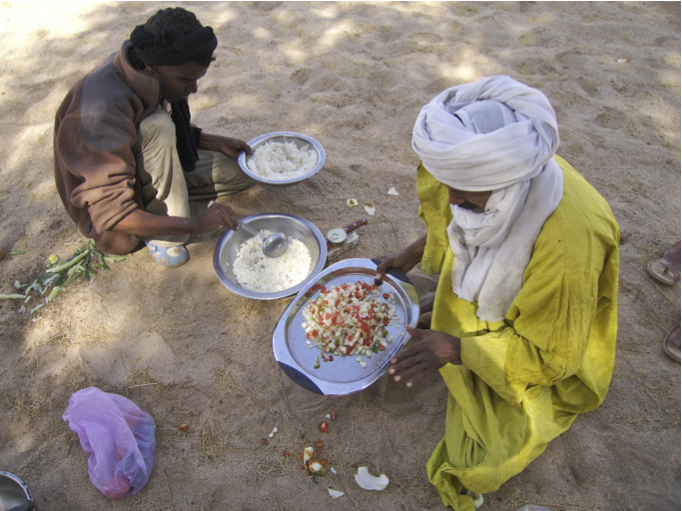
Abstract: The Arab Spring provides a rare opportunity to examine the roles of natural resources and state structure in the face of popular discontent. While the Gulf monarchies have all weathered the events of 2011, the diverging fates of the two oil-producing republics in North Africa—Algeria and Libya—suggest that neither factor alone can account for […]
A Conversation with Esraa Abdelfattah and Bassel Adel
04.15.13
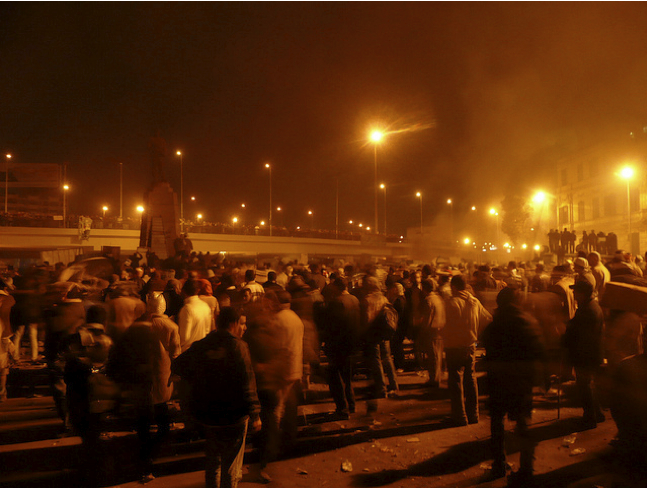
Esraa Abdelfattah, already a leading activist prior to 2011, played a major role in the January 2011 Egyptian revolution. She has been a political activist since 2008, when she created the April 6 Strike Group on Facebook, which grew to 70,000 members and resulted in her arrest. She is currently vice-chairman of the Egyptian Democratic […]
Surveying the MENA Region: An Interview with Jon B. Alterman
04.11.13
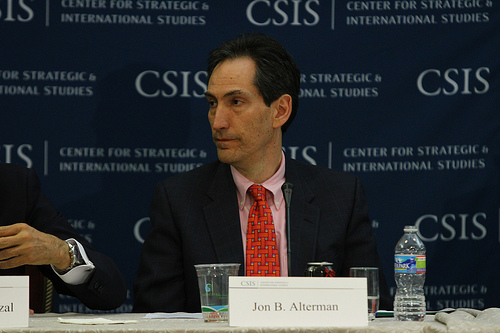
Jon B. Alterman is director of the Middle East Program at the Center for Strategic and International Studies (CSIS). Prior to joining CSIS in 2002, he served as a member of the policy planning staff at the U.S. Department of State and as a special assistant to the assistant secretary of state for Near […]