

Journal of Middle Eastern Politics & Policy
The Journal of Middle Eastern Politics and Policy (JMEPP) presented cutting-edge analysis on the contemporary Middle East and North Africa. JMEPP was committed to presenting new perspectives on pressing problems, addressing complex issues with insightful analysis, and exploring emerging trends shaping the region in an empirically grounded and accessible way.
Explore all Articles
filter by–Topic
filter by–Region
filter by–Country
search by–Keyword

Inside the Middle East: Interview with Dr. Khalil al-Anani on Egypt
03.19.14
In this installment of “Inside the Middle East: Q&A,” Dr. Khalil Al-Anani, Adjunct Professor at the School of Advanced International Studies at Johns Hopkins University, discusses the Muslim Brotherhood in Egypt, democratization in the Middle East and the hope for political stability in Egypt. You can watch the interview, conducted by Nada Zohdy, senior editor […]

Inside the Middle East: Interview with Dr. Adnan Shihab-Eldin on Energy in the Gulf
03.8.14
In this installment of “Inside the Middle East: Q&A,” Dr. Adnan Shihab-Eldin, Director General of the Kuwait Foundation for the Advancement of Sciences, discusses changes in the global energy market, security in the Gulf countries, and the advancement of science and technology efforts in Kuwait. You can watch the interview, conducted by Sarath Ganji, senior […]
Inside the Middle East: Interview with Maria Fantappie on Iraq Conflict
03.7.14
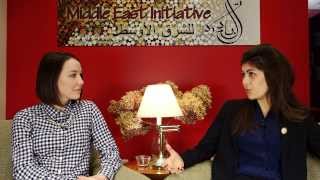
In this installment of “Inside the Middle East: Q&A,” Maria Fantappie, Iraq analyst at the International Crisis Group, discusses the current situation in Iraq, ongoing sectarian conflict in the country, and prospects for Iraq’s future. You can watch the interview, conducted by Jennifer Rowland, senior editor at the Harvard Journal of Middle Eastern Politics and […]
Inside the Middle East: Interview with Prof. Mohamad Al-Ississ
03.4.14
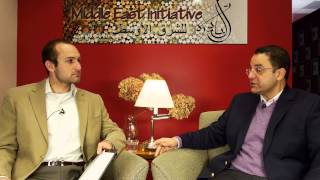
In our first installment of “Inside the Middle East: Q&A,” Professor Mohamad Al-Ississ, Spring 2014 Kuwait Foundation Visiting Scholar at the Middle East Initiative, discusses his current research at Harvard Kennedy School, the constraints on economic development in the Middle East and attempts at education reform in the region. You can watch the interview, conducted […]
What About the Palestinian Double Refugees?
02.25.14
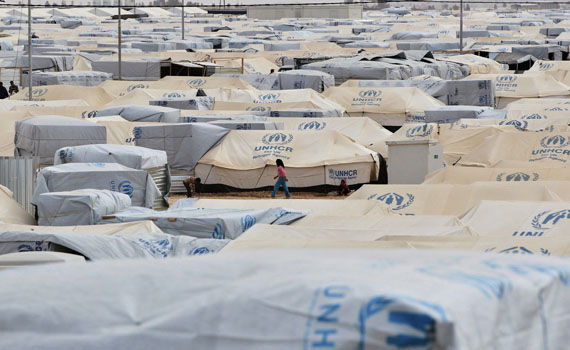
In Ayn al-Hilwe, Lebanon’s largest Palestinian refugee camp, you frequently hear a new term: “Death Convoys” (Qawafel al-Mawt). It refers to the extremely dangerous voyages across the Mediterranean that Palestinian refugees are resorting to after fleeing Syria and failing to find refuge in neighboring countries. In the Lampedusa tragedy in October 2013, dozens if not […]
Syria’s Polio Outbreak: What, If Anything, Can We Learn?
02.10.14
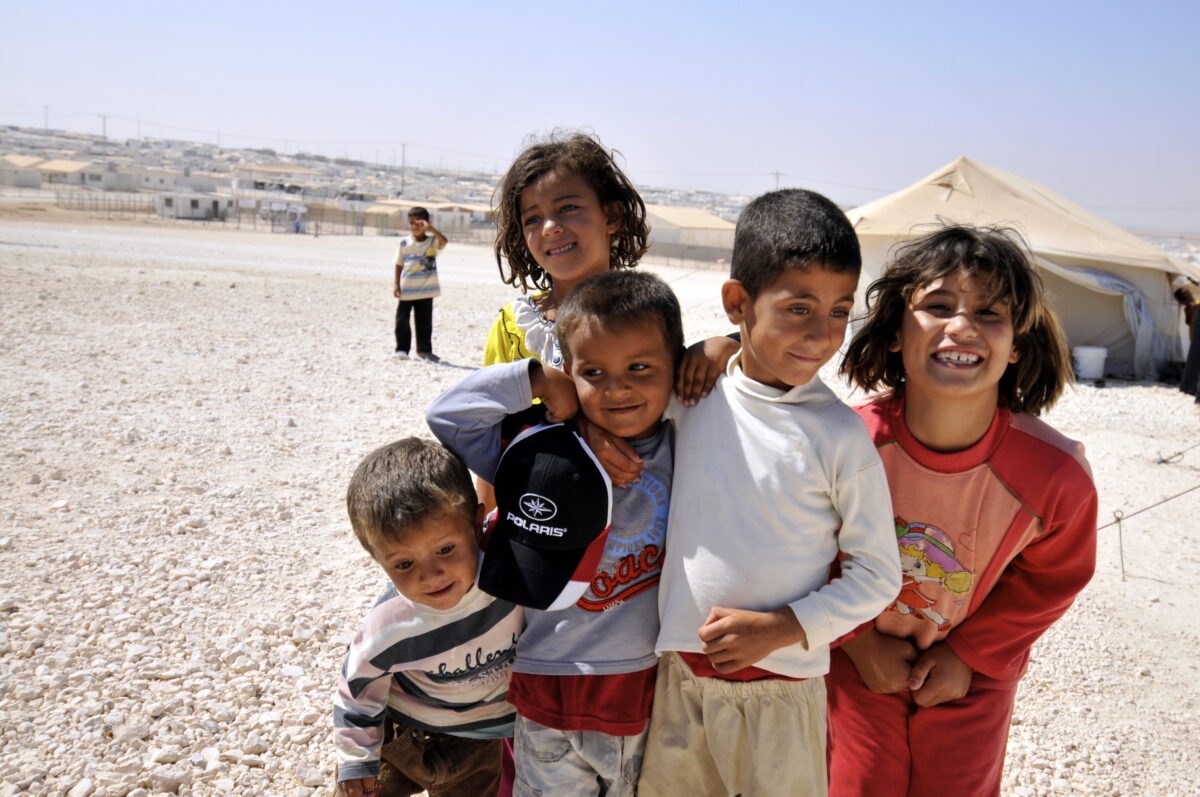
Before the escalation of the Syrian conflict, general immunization rates for Syrian children were more than 90% [1]. Today, less than 70% of Syrian children are immunized [2]. This deterioration has manifested itself in at least 13 cases of polio as of November 2013 [3], a striking number for a debilitating disease eradicated in Syria more than a […]
Review of the Oscar-Nominated Documentary, “The Square”
02.2.14
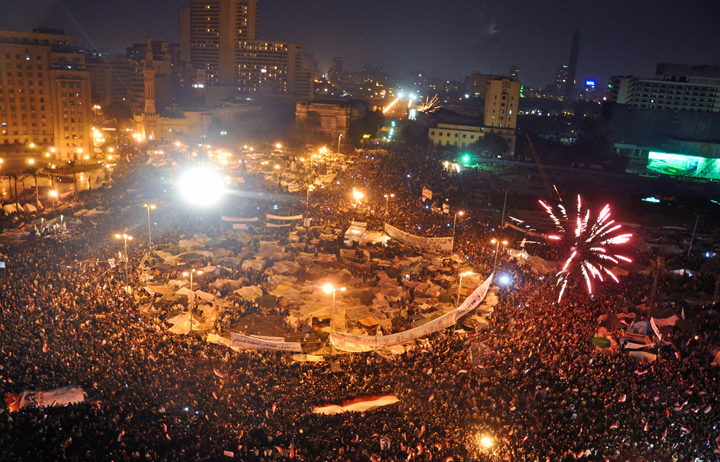
Just as Egyptians were preparing themselves for the third anniversary of the 2011 “Lotus” Revolution, a sold-out theater on the other side of the globe eagerly waited for the Oscar nominated documentary, “The Square,” to begin. Ironically, the documentary that beautifully captures the struggles of those who demanded freedom, transparency and social justice, has been […]

Saudi Arabia’s Fossil Fuel Subsidies: Understanding the Problem
01.24.14
This is part one of a two-part series on Saudi Arabia’s fossil fuel subsidies. This post discusses existing problems with Saudi Arabia’s subsidies program. The governments of developing, oil-exporting countries tend to maintain domestic fossil fuel prices at levels significantly lower than the free-market prices. Selling fossil fuels at domestic prices below the market leads […]
Purifying Transitional Governments of Authoritarian Bureaucracies: Lessons from Eastern Europe for the Arab World
12.13.13
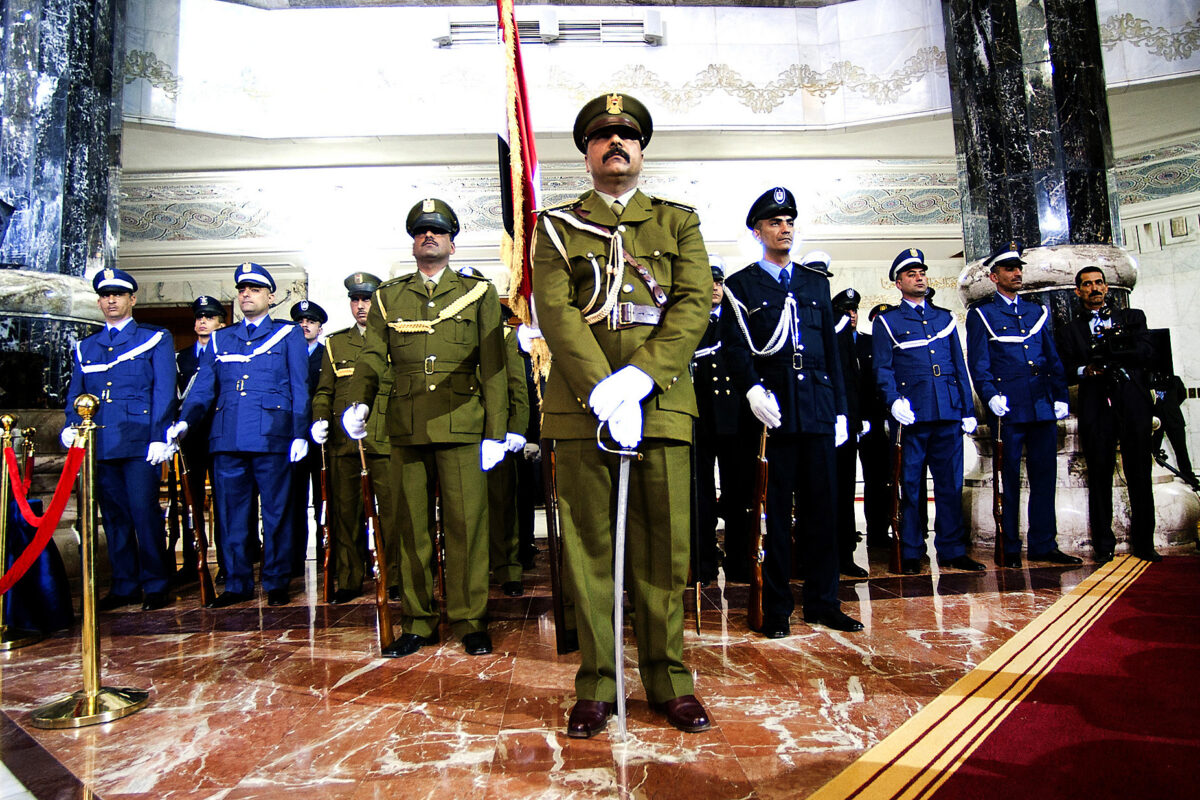
The follow article is a review of the book, Lustration and Transitional Justice: Personnel Systems in the Czech Republic, Hungary, and Poland, by Roman David (Philadelphia, University of Pennsylvania Press, 2011), pp.312, $62.96
Education and Employment in the Arab World
12.10.13
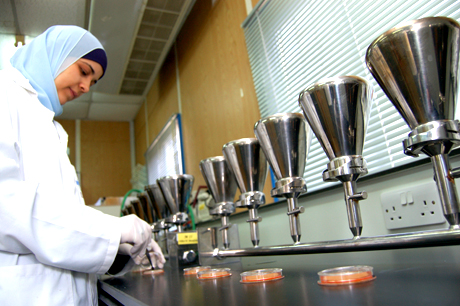
This post is part of a series of reviews summarizing discussions that took place at the 2013 Harvard Arab Weekend. For more information about this event, the largest pan-Arab conference in North America, please visit http://harvardarabweekend.org/ Panel Speakers: Nafez Dakkak, Manager, Online Education Initiative, Queen Rania Foundation Adel bin Mohammad Fakeih, Minister of Labor, Saudi Arabia […]

Business and Education in the Arab World
12.9.13
This post is part of a series of reviews summarizing presentations and discussions that took place at the 2013 Harvard Arab Weekend. For more information about this event, the largest pan-Arab conference in North America, please visit http://harvardarabweekend.org/ Panel Speakers: On November 11 a panel of three regional experts came together during Harvard Arab […]
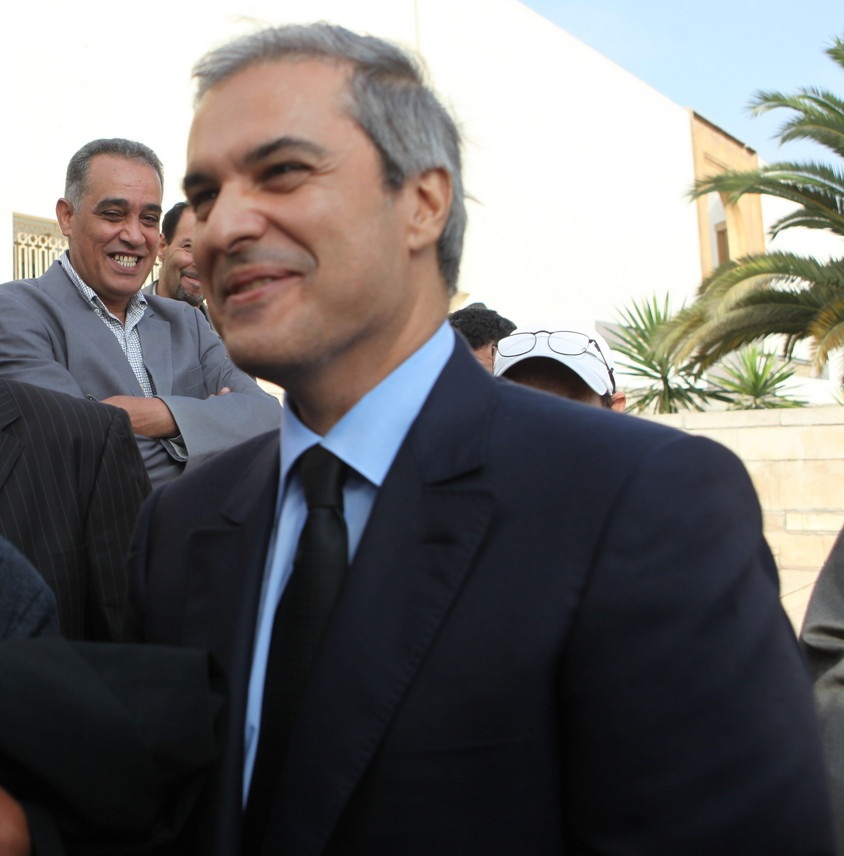
HMH Prince Moulay Hicham Examines the Arab Spring
12.2.13
His Majesty Prince Moulay Hicham of Morocco took the stage at Harvard’s Arab Weekend following Her Majesty Queen Rania of Jordan, switching the topic from education to the Arab Spring. “For decades we have internalized this feeling of defeat. It has literally kept us from doing anything…the Arab spring has shattered all that,” he said, […]