


Journal of Middle Eastern Politics & Policy
The Journal of Middle Eastern Politics and Policy (JMEPP) presented cutting-edge analysis on the contemporary Middle East and North Africa. JMEPP was committed to presenting new perspectives on pressing problems, addressing complex issues with insightful analysis, and exploring emerging trends shaping the region in an empirically grounded and accessible way.
Explore all Articles
filter by–Topic
filter by–Region
filter by–Country
search by–Keyword
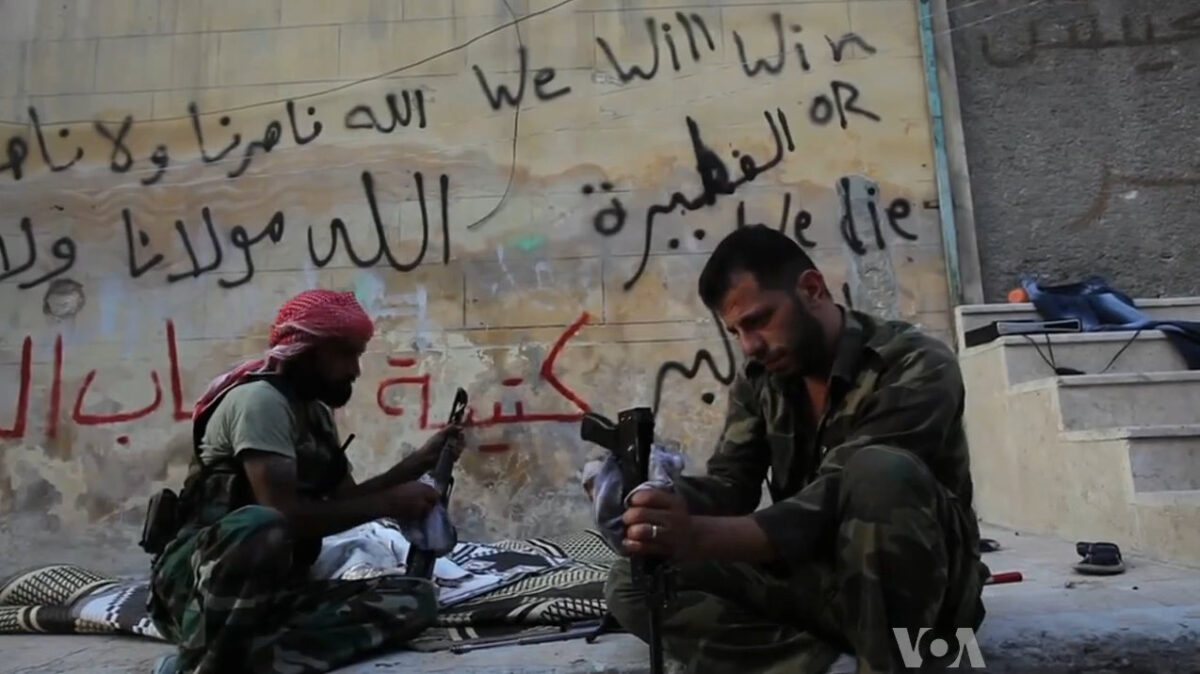
Little Green Boots on the Ground: Russia in Syria
11.17.15
Chapter 1: Why are Russian troops in Syria? Putin has always been in Syria’s civil war. Long before Bashar al-Assad’s troops fired the first shots that set off the Syrian rebellion, Russia was stocking the armories that assured the Assad family’s minority Alawite sect’s grip on power. When Syrian blood flowed through the streets of […]
Utilizing National Accreditation as a Tool for Building Sustainable Quality Healthcare Structures: Lessons Learned from the Saudi Arabian Experience
11.15.15
Introduction The Middle East healthcare sector is experiencing dynamic growth. Saudi Arabia, UAE, and Qatar are at the forefront integrating quality tools directed towards the development and implementation of policies related to healthcare reform in the region. Saudi Arabia is the first to establish a national hospital accreditation program setting itself as a leader and […]

Kurdistan: A New Player in the Middle East?
11.13.15
The Fletcher School’s Fares Center for Eastern Mediterranean Studies had the pleasure of hosting Bayan Sami Abdul Rahman, the Kurdistan Regional Government’s (KRG) Representative to the United States, this past week. Her father, Sami Abdul Rahman, was a former deputy prime minister of the KRG and a leader in the Kurdish struggle against Saddam Hussein. Ms. […]
Democracy Prevention: The Politics of the US-Egyptian Alliance
11.9.15
On October 21st, 2015, the first round of the first parliamentary elections held in Egypt since 2011 came to a close. A majority of available seats were won by loyalists to President Abdel Fatah Al-Sisi, in an election in which approximately one-fifth of the electorate voted. The election has been hailed by Al-Sisi as the […]
2015: The Year of al-Qaeda in the Arabian Peninsula
11.9.15
Al-Qaeda in the Arabian Peninsula has operated in Yemen since 2006, when it was called al-Qaeda in Yemen (AQY). While al-Qaeda in the Arabian Peninsula (AQAP) has been dubbed “al-Qaeda’s greatest direct threat to the United States” and is responsible for numerous attempted attacks on the U.S., the al-Qaeda branch has only expanded in the […]
Perspectives: Israel Looks North for Natural Gas Export
11.1.15
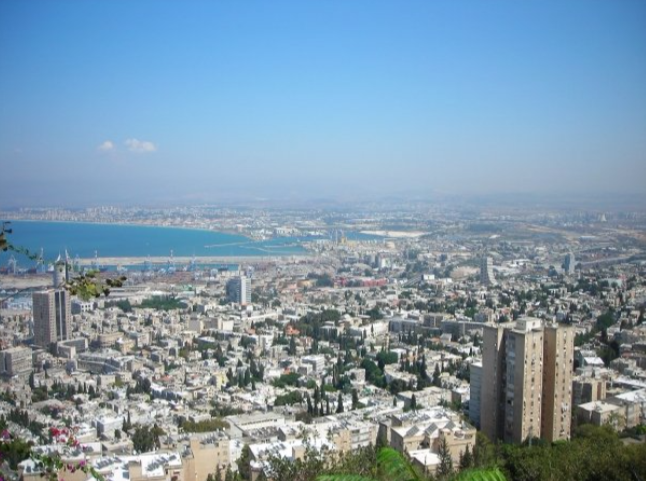
Israel has experienced tremendous natural gas findings over the past 6 years, and there is currently debate over its future as an exporter, with an expressed desire by the government to export 40% of its offshore finds. While contracts have been signed with Jordan and the Palestinian Authority, Israel has begun a campaign to encourage […]
Ashes of Hama: The Muslim Brotherhood in Syria
10.31.15
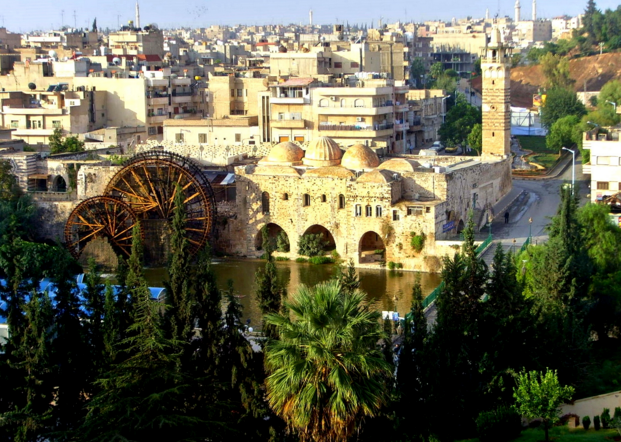
Ashes of Hama by Raphael Lefevre provides a chronological description of the progression of the Syrian Ikhwan (Muslim Brotherhood). The book discusses the establishment of the Brotherhood and its evolution in Syrian politics. Lefevre does a fascinating job analyzing the Muslim Brotherhood institutionally and organizationally, provoking the reader to move beyond stereotypes about the Syrian […]
The Hijacking of Algerian Identity
10.25.15
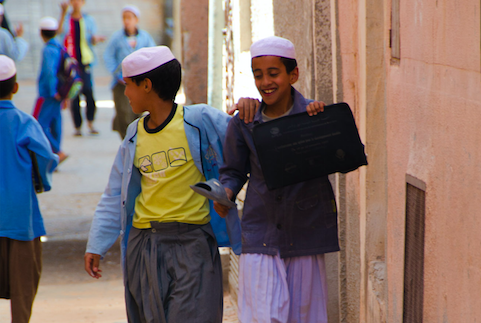
Introduction Both French and post-independence Algerian rulers imposed a simplistic, narrow definition of identity on Algeria. These choices were dictated by ideologies associated with colonization and Pan-Arabism, marginalizing other key components of Algerian identity. In doing so, both the colonizer and the dictator were able to effectively maintain power in pitting cultural, linguistic, and ethnic […]
It’s Not Over: The Significance of the Tunisian Nobel Peace Prize to the Arab Spring Generation
10.18.15
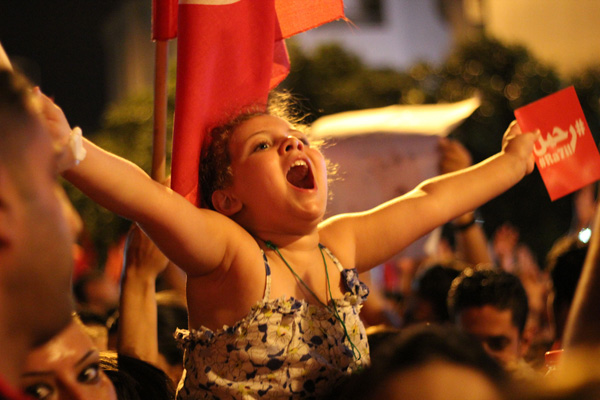
On the morning of October 9th 2015, I woke up to the news that the Tunisian National Dialogue Quartet won the Nobel Peace Prize. In a time when terrorism, political bickering and popular discontent were threatening the legacy of the Tunisian revolution, the Quartet stepped in and engineered a nationwide dialogue. It worked. Tunisia […]
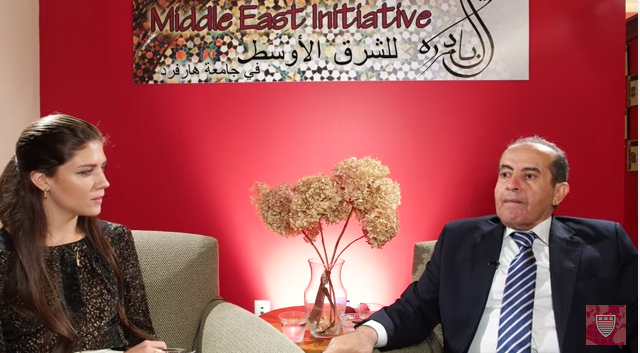
Inside the Middle East: Interview on Libya’s Past, Present and Future with Mahmoud Jibril
10.10.15
In mid-September, 2015, JMEPP Co-Editor-in-Chief Kristin Wagner interviewed Mahmoud Jibril, Former Prime Minister of Libya and president of the National Forces Alliance (تحالف القوى الوطنية) political party. Watch the discussion of Libya’s post-Gaddafi transition, reflections on leadership, and the role of external actors and foreign assistance in Libya during and since the revolution, below:
Diversifying for a Green Future: The Case of the United Arab Emirates
08.28.15
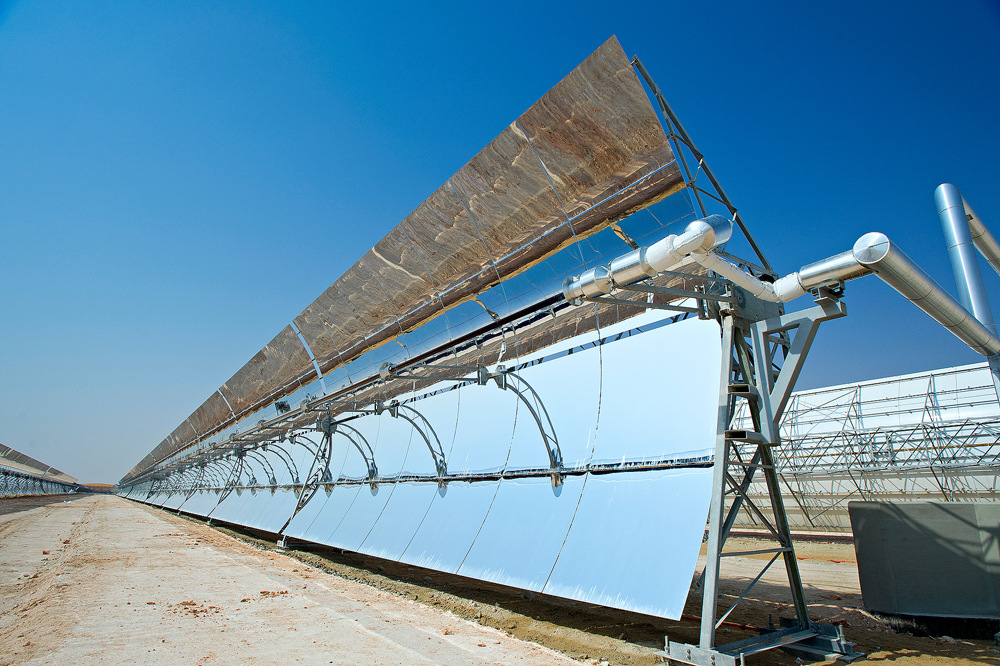
Introduction The United Arab Emirates (UAE) is unlike any other Middle Eastern country in its vision for a clean energy future. Its status as a top oil producer has not enticed the UAE to rest on its resource-rich laurels. Instead, its creative public/private partnerships for power generation, attractive regulations for foreign investment, and ambitious renewable […]

The Prospects and Perils of the Coalition’s War on ISIS
08.28.15
Introduction The Islamic State of Iraq and Sham (ISIS) is a product of Iraq’s and Syria’s sectarian polarization, political dysfunction, and the alienation of the local Sunni population from the Iraqi and Syrian regimes. The US-led anti-ISIS coalition was triggered by the jihadists’ capture of Mosul, Iraq’s second largest city, in June 2014.[i] While dramatic, […]