
Introduction
Climate change has emerged as a defining global security threat, reshaping migration patterns, straining international alliances, and fueling geopolitical instability. Once viewed as a purely environmental concern, climate change now intersects with national security, great-power competition, and foreign policy decisions. As major powers respond to increasing displacement, through border securitization, strategic investments in climate resilience, or diplomatic agreements, climate migration has become a crucial factor in shaping international relations. Institutions such as the United Nations (UN), North Atlantic Treaty Organization (NATO), and various regional organizations are confronting new conflicts driven by environmental stress, exacerbating existing social and political tensions.
Through analysis of climate-induced migration from Central America toward the U.S. border and comparative cases including Syria and Bangladesh, this article examines shortcomings in current international security policies and recommends strategic adaptations for addressing emerging climate-induced social fractures and transnational security risks. Today, climate change drives conflict and migration, and I argue institutions like NATO and the UN ought to treat climate displacement as a core security threat and adopt binding, coordinated strategies to mitigate it, instead of pursuing reactive humanitarian responses.
Climate-Induced Social Fractures: Central America Case Study
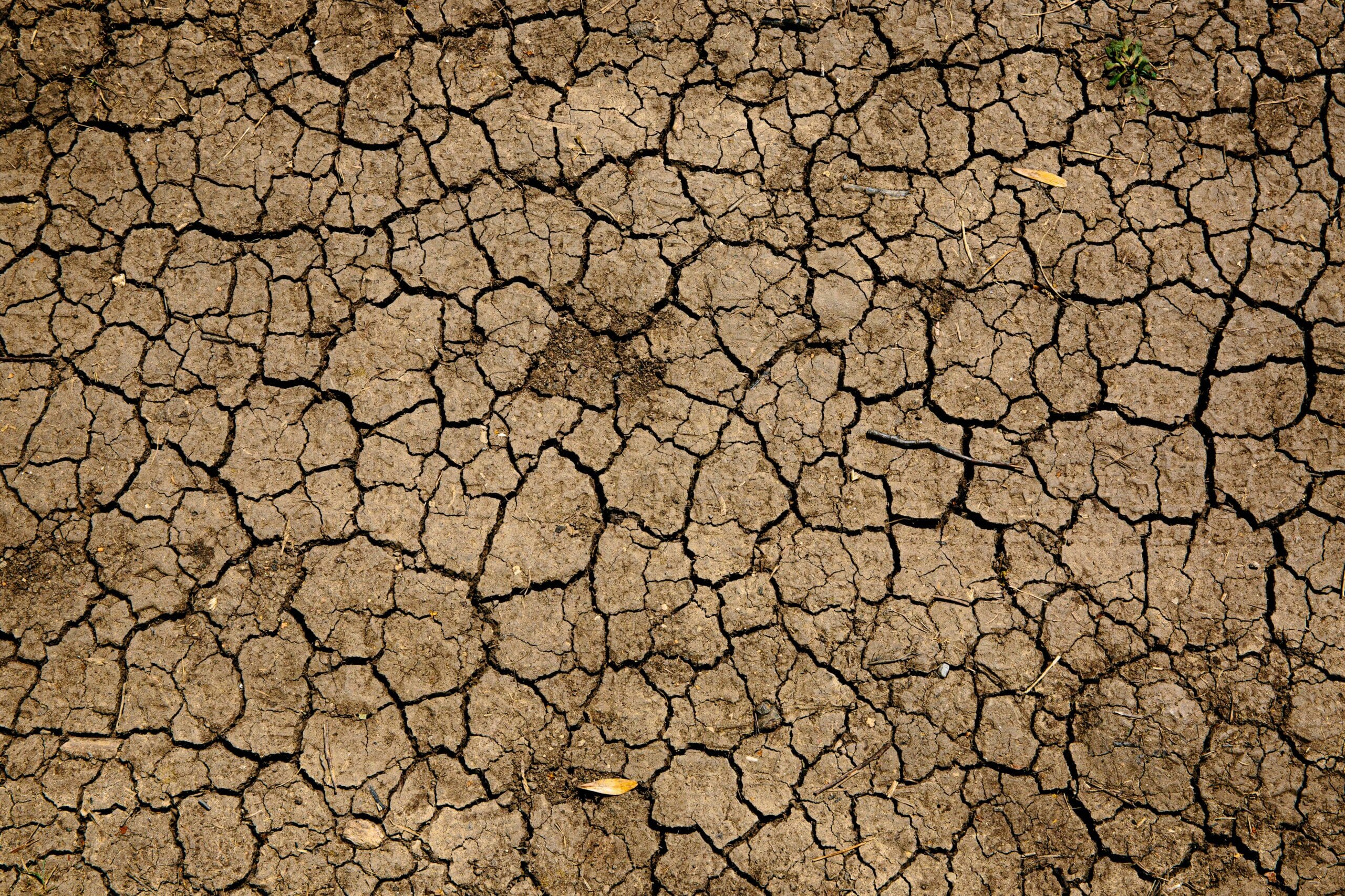
The so-called Dry Corridor of Central America—a strip of land running through Guatemala, El Salvador, Honduras, and Nicaragua—faces severe droughts and crop failures, exacerbated by climate change. According to the World Food Programme, since 2018, over 2.2 million people in this region experienced acute food shortages, directly increasing migration flows toward the U.S. border.[i] The resulting displacement has complicated U.S. border policy, intensified regional tensions, and challenged international capacities to manage simultaneous humanitarian and security crises.
During my tenure with the American Red Cross, serving as a Disaster Assessment Lead in the National Capital & Greater Chesapeake Region and collaborating closely with the Federal Emergency Management Agency (FEMA), I observed firsthand the human toll of such crises during disaster assessment missions across the United States, particularly in Texas and Arizona border communities. One case involved Maria, a mother from Honduras, whose family farm was destroyed by prolonged drought. I recall Maria describing how she left behind her parched fields to head north with her children, her voice cracking as she detailed a journey through Mexico to the United States marked by exhaustion, extortion, and uncertainty. Her story exemplifies how climate-induced migration escalates humanitarian needs and personal safety issues.
Similarly, after Hurricane Ida struck Louisiana in 2021, I met Chris—a retired Navy veteran who had lived in his home for over 30 years before the storm’s devastating surge destroyed his neighborhood. Chris and his wife were forced to relocate hundreds of miles away. Though Red Cross sheltering efforts provided temporary accommodation, the uncertainty of when—if ever—they could return home weighed heavily on them. His story is one of thousands, highlighting how climate-induced disasters displace not only vulnerable migrants from abroad, but also American citizens—people who suddenly become climate refugees in their own country.
Despite efforts by humanitarian organizations to spotlight these cases, international security institutions still tend to view migration primarily as a border-control issue, rather than a broader geopolitical and environmental challenge. Climate-induced displacement from Central America has directly influenced U.S. foreign policy, from diplomatic pressures on Mexico to curb migration flows[ii] to economic aid programs aimed at stabilizing fragile governments. However, these efforts remain reactive rather than strategic without an explicit climate-security framework.
Lessons from Syria and Bangladesh: Global Parallels and Local Insights
The experience of Central America mirrors global patterns. In countries like Syria and Bangladesh, climate stressors have played a significant role in fueling social unrest and large-scale displacement. In Syria, a severe drought from 2006 to 2010 led to widespread crop failures and displaced roughly 1.5 million rural Syrians into urban areas.[iii] This internal migration strained infrastructure, increased competition for scarce resources, and deepened existing grievances. When civil war erupted in 2011, these pressures amplified instability. The resulting refugee crisis, with millions of people fleeing toward Europe, not only destabilized European politics and fueled nationalist movements and border securitization, but also provided Russia an opportunity to wield refugee flows as geopolitical leverage against the EU.[iv] These dynamics demonstrate how climate-induced displacement is not merely a humanitarian concern, but a geopolitical force reshaping international security.
Bangladesh offers a parallel case. Repeated cyclones and flooding displace millions of people each year.[v] During a 2021 cyclone response mission to Bangladesh, I witnessed how displacement intensified social tensions and insecurity, exposing institutional inadequacies. The absence of coordinated international mechanisms left affected communities without adequate shelter, food, or medical assistance for weeks. Bangladesh’s vulnerability to climate displacement has wider geopolitical implications. As rising sea levels endanger coastal communities, mounting migration pressures along India’s northeastern border are fueling security tensions and inflaming nationalistic rhetoric.[vi] Meanwhile, China’s growing economic presence in Bangladesh underscores the geopolitical stakes of climate adaptation.[vii] Without an effective global framework, climate-driven migration risks fueling both humanitarian crises and regional power rivalries.[viii]
Taken together, these cases point to a wider global escalation: from 2014 to 2023, disasters affected an average of 124 million people annually, roughly a 75 percent increase over the prior decade, underscoring the accelerating link between climate stress and population displacement[ix].
Policy Analysis and Recommendations
Addressing climate-induced migration as a security challenge requires a multi-tiered approach prioritizing immediate action, mid-term institutional changes, and long-term reforms.
1. Immediate Action: Recognizing Climate Migration as a Security Threat
International security institutions must formally acknowledge climate-induced migration as a security challenge. NATO’s 2021 Climate Change and Security Action Plan, which outlines measures to assess and mitigate the security risks posed by climate change, represents progress but does not address the strategic implications of climate migration on regional stability.[x] Integrating climate migration into NATO’s defense planning, regional diplomatic engagements, and security partnerships would strengthen preparedness.[xi] Similarly, the UN Global Compact for Migration (2018) lacks enforceable security provisions. Establishing a UN Security Council task force on climate migration would ensure climate-induced displacement is integrated into conflict prevention strategies.
2. Mid-Term Strategy: Strengthening International Coordination and Funding
Once recognized as a security issue, international coordination and funding mechanisms must be expanded and streamlined. The Loss and Damage Fund, established at COP27 in 2022, was a positive step toward ensuring financial and other support for countries disproportionately affected by climate change. However, current funding levels remain insufficient to meet the scale of need, with initial pledges covering only a fraction of the estimated annual losses faced by vulnerable nations, and key questions about access, governance, and long-term financing still unresolved.[xii] A more structured financing framework should integrate the World Bank, UNHCR, NATO, and regional security alliances.[xiii] NATO’s Partnership for Peace program could allocate funding to climate migration stabilization efforts, while mandatory contributions from major emitters could ensure sustained financial support.
3. Long-Term Reform: Establishing Binding International Frameworks
A legally binding Climate Migration Security Pact, modeled after the 1951 Refugee Convention, should be developed to define mandates for cross-border climate displacement, funding responsibilities, and security cooperation. This framework should be integrated within existing agreements to prevent political resistance, ensuring greater enforcement and global accountability.
Addressing Roadblocks and Implementation Challenges
Despite the urgency, several institutional and political barriers may hinder progress. NATO’s traditional focus on military threats often relegates climate migration to a secondary priority. However, integrating displacement risks into existing counterterrorism and regional security assessments can provide a viable path forward.[xiv] Recent analyses indicate that integrating climate considerations into NATO’s defense and deterrence posture is vital for maintaining operational effectiveness and responding to emerging security threats.[xv]
Developed nations may resist increased financial commitments, but tying funding mechanisms to carbon offset policies for instance, could make contributions more politically feasible.[xvi] Sovereignty concerns over migration frameworks can be mitigated by regional agreements within trade blocs, such as the European Union (EU), the Association of Southeast Asian Nations (ASEAN), and the United States-Mexico-Canada Agreement (USMCA).[xvii] These agreements can ensure compliance without overriding national policies. For instance, the EU has been negotiating migration deals with countries like Jordan and Morocco to enhance cooperation in reducing migration to Europe, illustrating how trade agreements can encompass migration management while respecting national sovereignty.[xviii]
Conclusion
The escalating climate-induced migration crises in regions such as Central America, Syria, and Bangladesh underscore the urgent need for a paradigm shift in international security policy. Environmental stress is no longer a peripheral concern, but a core driver of displacement, instability, and geopolitical tension. My professional experience with the American Red Cross, in coordination with FEMA, underscored the need for security institutions to shift from reactive responses to proactive strategies that embed climate resilience within migration and security frameworks.
Policymakers must take decisive action by institutionalizing climate-induced displacement as a security priority, strengthening multilateral coordination, and establishing dedicated financial mechanisms that sustain long-term resilience rather than short-term crisis response. This requires embedding climate-migration policies into defense and foreign affairs strategies, expanding cooperation between humanitarian agencies and security bodies, and leveraging global financial institutions to support at-risk regions before displacement escalates into full-blown crises.
Only through proactive, integrated governance—rooted in policy foresight, international cooperation, and sustained investment—can security institutions effectively address the growing complexities of climate-driven displacement. Without such strategic realignment, climate-induced migration will continue to destabilize vulnerable regions, exacerbate humanitarian crises, and pose an increasing threat to global security. Security institutions can no longer afford to relegate climate-induced migration to the periphery of strategic considerations. It must be recognized as a central pillar of 21st-century security doctrine.
[i] World Food Programme, “Erratic Weather Patterns in the Central American Dry Corridor Leave 1.4 Million People in Urgent Need of Food Assistance,” April 25, 2019, https://www.wfp.org/news/erratic-weather-patterns-central-american-dry-corridor-leave-14-million-people-urgent-need.
[ii] United States Institute of Peace, “How Climate Change Catalyzes More Migration in Central America,” September 2022, https://www.usip.org/publications/2022/09/how-climate-change-catalyzes-more-migration-central-america.
[iii] Climate Signals, “Syrian Drought 2007–2010,” Accessed March 20, 2025, https://www.climatesignals.org/events/syrian-drought-2007-2010.
[iv] J.G. Schoemaker MA, “Allegations of Russian Weaponized Migration Against the EU,” Militaire Spectator, Accessed March 20, 2025, https://militairespectator.nl/artikelen/allegations-russian-weaponized-migration-against-eu.
[v] Michael Kugelman, “Climate-Induced Displacement: South Asia’s Clear and Present Danger,” Wilson Center, Accessed March 20, 2025. https://www.wilsoncenter.org/article/climate-induced-displacement-south-asias-clear-and-present-danger.
[vi] Sohini Bose, “Dragon’s Descent: Potential Surge of Chinese Investments in Southern Bangladesh,” Observer Research Foundation, Accessed March 20, 2025. https://www.orfonline.org/expert-speak/dragon-s-descent-potential-surge-of-chinese-investments-in-southern-bangladesh.
[vii] Ibid.
[viii] NATO, “Implementing NATO’s Climate Security Agenda: Challenges Ahead,” Accessed March 20, 2025. https://www.nato.int/docu/review/articles/2023/08/10/implementing-natos-climate-security-agenda-challenges-ahead/index.html.
[ix] United Nations, “UN Report Details Record Global Temperatures and Surge in Climate Disaster Victims,” COP30 News, 2024, https://cop30.br/en/news-about-cop30/un-report-details-record-global-temperatures-and-surge-in-climate-disaster-victims.
[x] NATO. “Implementing NATO’s Climate Security Agenda: Challenges Ahead.”
[xi] Ibid.
[xii] United Nations Framework Convention on Climate Change (UNFCCC), “COP27 Reaches Breakthrough Agreement on New ‘Loss and Damage’ Fund for Vulnerable Countries,” Accessed March 20, 2025, https://unfccc.int/news/cop27-reaches-breakthrough-agreement-on-new-loss-and-damage-fund-for-vulnerable-countries.
[xiii] Ibid.
[xiv] Anum Farhan et al, “Preparing NATO for Climate-Related Security Challenges,” Chatham House, July 2023, https://www.chathamhouse.org/2023/07/preparing-nato-climate-related-security-challenges.
[xv] Ibid.
[xvi] Ibid.
[xvii] Ibid.
[xviii] Laura Dubois and Henry Foy, “EU Nears Migration Deals with Jordan and Morocco,” Financial Times, December 2024, https://www.ft.com/content/46a250a0-fc28-4c53-a8a7-d4b70cfe3944.