

Explore all Articles
filter by–Topic
filter by–Region
filter by–Country
search by–Keyword

Solidarity Is The Lifeline
01.26.22
At the time of this writing over 400,000 people in Brazil have died of COVID-19. This trend does not seem to be slowing down. As time passes, I am increasingly fearful for friends and acquaintances, as Afro-descendants and indigenous Brazilians are 38 percent more likely to die of COVID-19 than white Brazilians and 32 percent higher than the general population. Negationist attitudes among our current political leadership means that these deaths are being trivialized. On top of this, restrictions do not allow funerals, do not allow humane farewells, the sharing of tears, the necessary rituals of passage.
Using mobile money to increase enterprises’ sectorial turnover
01.21.22
Improving the performance of enterprises is crucial for developing countries in general and African countries in particular. African countries are characterized by a large number of enterprises that contribute to their achievement of sustainable development goals by creating jobs, accelerating industrialization, increasing economic growth, and improving the well-being of populations. However, enterprise performance is generally […]

Reimagining Policing In America
01.20.22
Reimagining Community Policing In America
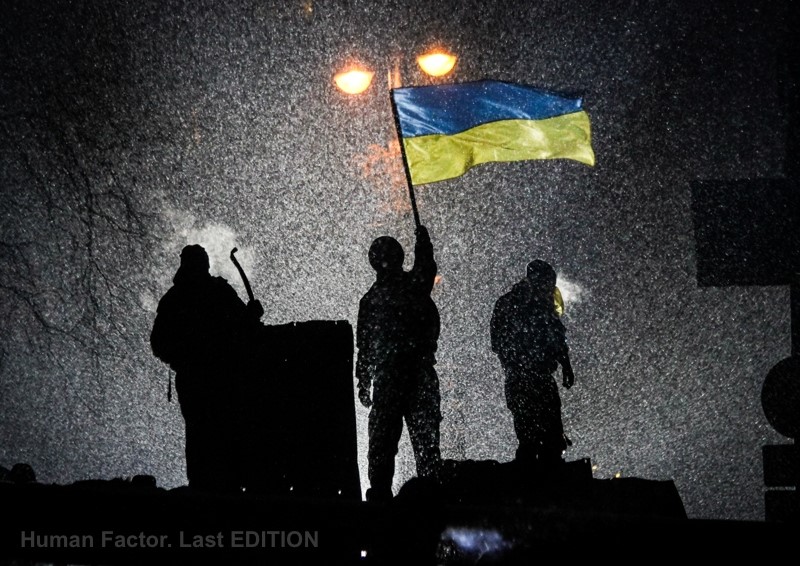
Building Shared Resilience in the EU and Ukraine as a Path to Counter Russia
01.20.22
The best strategy for the EU and NATO to contain Putin’s regime is by focusing on strengthening Ukraine’s resilience and making Ukraine a successful state. In creating more economic opportunities and prosperity in Ukraine, the West will stimulate the Russian people to demand better living conditions for themselves.

Reclaiming Our Identity Is Reclaiming Our Dignity
01.10.22
People of Afro-Japanese heritage like me (I am Ghanaian-Japanese) are not considered “true” Japanese due to our darker complexion. People like me are often bullied at school or made to feel like foreigners in our own country. However, we represent Japan too; we are becoming more visible and growing in number. From Naomi Osaka, the […]
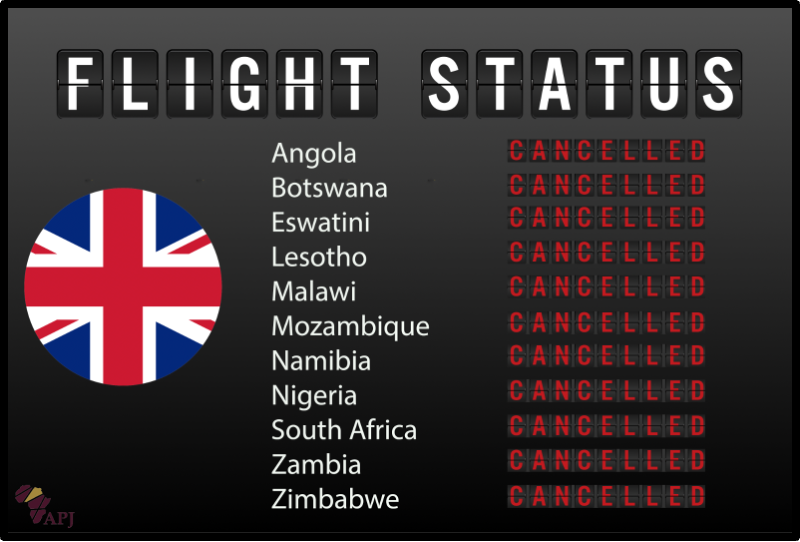
Red Lists, Black Lists & Travel Bans: Solidarity and not Stigmatization can Combat COVID-19
01.6.22
The UK Government recently abandoned its controversial red list, which had only allowed UK citizens or residents traveling into the UK from Angola, Botswana, Eswatini, Lesotho, Malawi, Mozambique, Namibia, Nigeria, South Africa, Zambia, and Zimbabwe, but not residents of those countries. The UK Government has now deemed the policy “no longer effective or proportionate” as […]

I Love who I Have Become
01.3.22
The pandemic has been emotionally overwhelming and transformative – both for personal and professional reasons. There was so much uncertainty about the future and our agency in how we could lead our lives that it was really important to deal with the situation head on. COVID-19 has claimed the lives of many family members and […]
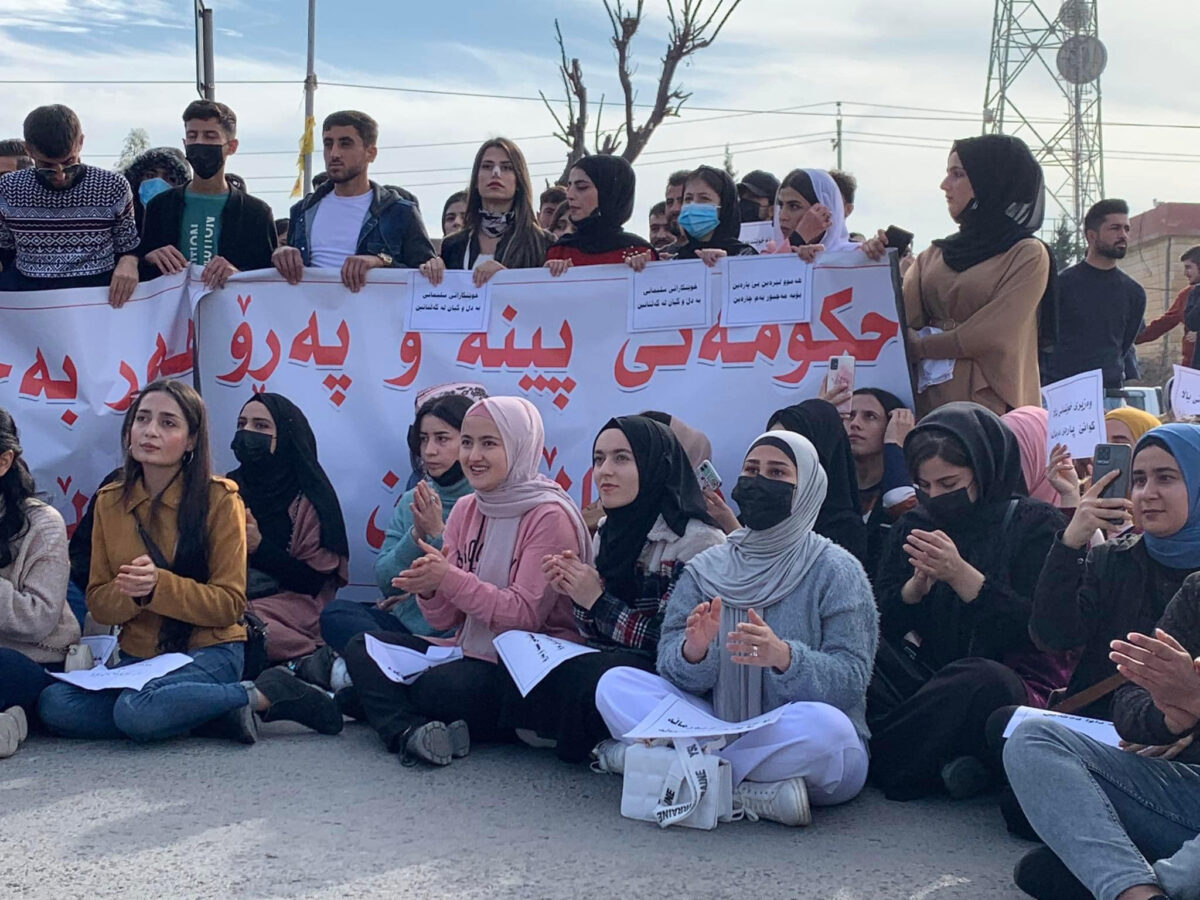
Understanding the Kurdish Student Protests
12.30.21
Sarkawt Shamsulddin provides his insights on the recent student protests in Kurdistan, what led to them, and what they mean for the region.

Harvard Kennedy School 2021 Diversity Report
12.29.21
Harvard Kennedy School 2021 Diversity Report

Claiming My Identity’s Journey
12.27.21
This piece is a continuation of the Anti-Racism Policy Journal’s collaboration with Collateral Benefits.
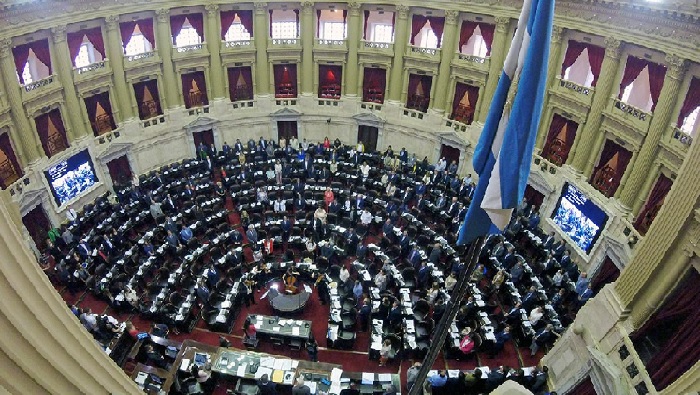
Argentina 2022: Its challenges for next year
12.26.21
In November, the Frente de Todos coalition was defeated by the opposition Juntos por el Cambio in Argentina’s midterm, rocking the boat for the ruling party, thus their internal tensions. Despite this -not new- news, the current administration faces a very-much-complicated 2022, where the fragile economic indicators turn against them: the inflation reached almost 50% […]
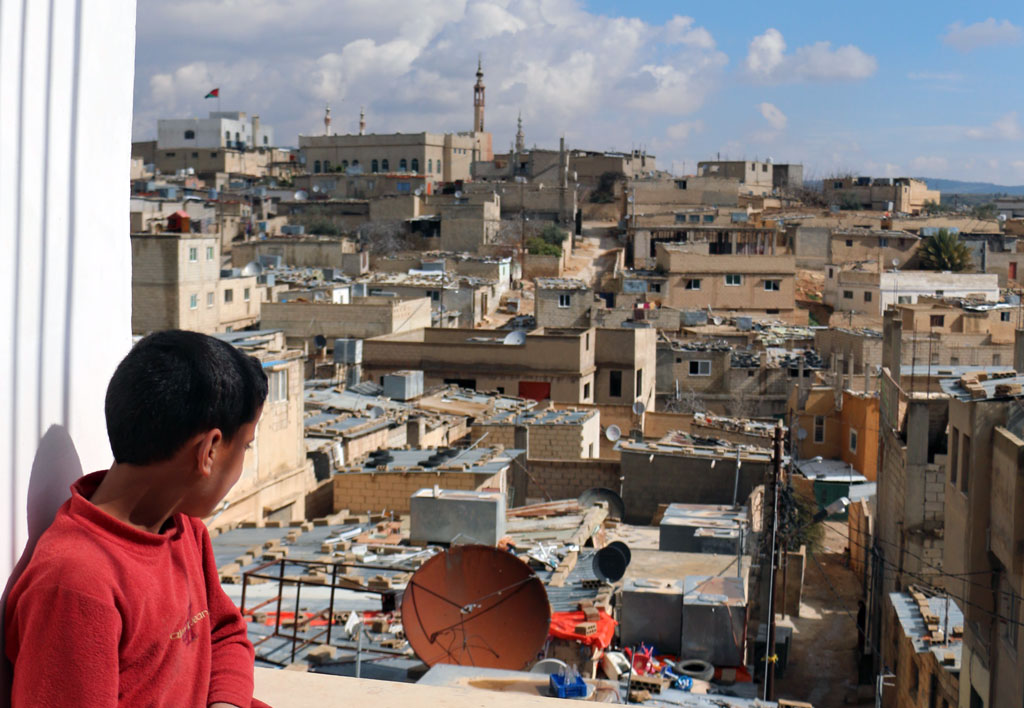
Law and Policy Used to Address & Aggravate Palestinian Isolation: A Focus on Case Studies from Lebanon, Jordan, Israel
12.22.21
Jordan Cope, Esq. explores how the role of law and policy has been used in three countries—Lebanon, Jordan, and Israel, respectively—to both accelerate and to frustrate Palestinian integration. In doing so, the essay also explores the necessary history to contextualize the Israeli-Palestinian conflict and the status of the Palestinian diaspora.