
Singapore
U.N-defined country
Explore all Articles
filter by–Region
filter by–Country
search by–Keyword
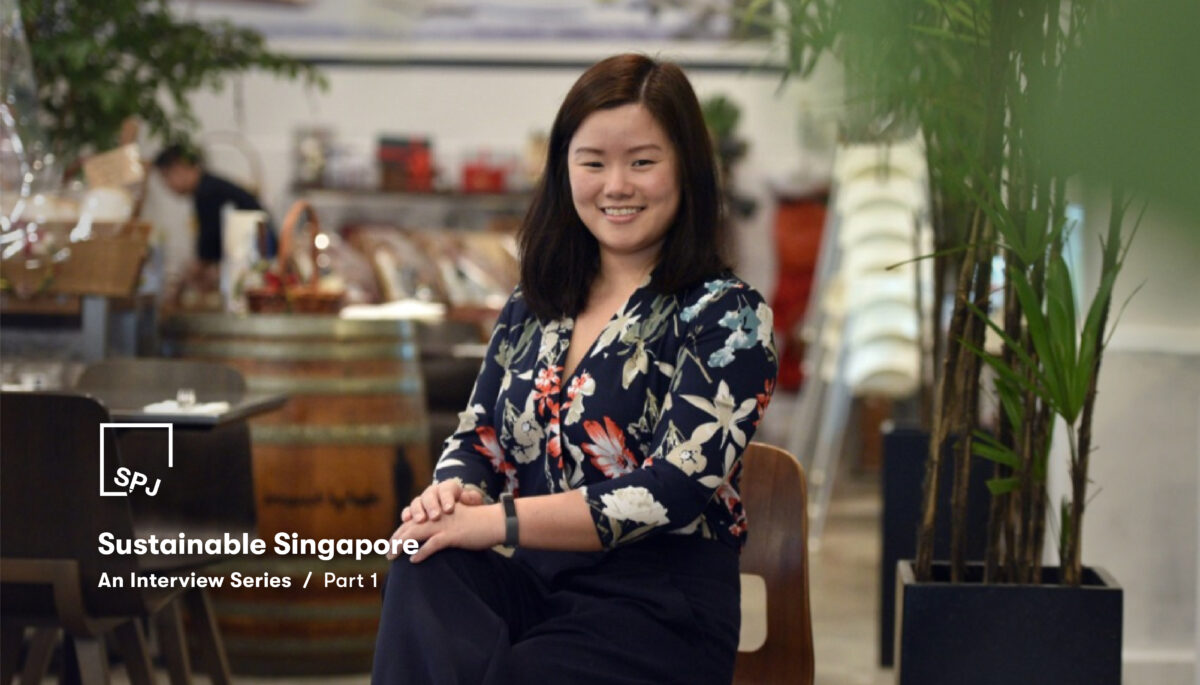
[Sustainability Series] An Interview with Melissa Low: Part One
03.12.21
In SPJ’s very first interview series, we speak with Melissa Low, a research fellow at the Energy Studies Institute (NUS). As momentum builds up for a more comprehensive climate policy in Singapore, Melissa shares with us her views on sustainability in Singapore. This article is the first of a two-part series and focuses on domestic issues including existing challenges and the rebranded Ministry of Sustainability and the Environment (MSE).

The Bifurcation of International Cyber Norms: Navigating the Space In-Between
01.26.21
In this article, Lionel Oh discusses the concerning trend of bifurcation in the development of international norms governing the cyber domain, driven by tensions between major powers and competing visions of cyberspace. He outlines the diplomatic challenges that Singapore faces in light of such divergence, and explores how Singapore might continue to further her foreign policy interests amidst this splintering global landscape.

A Tale of Two Sections: Lessons for Singapore From India’s Section 377 Repeal
12.8.20
In September 2018, the Indian Supreme Court made history by unanimously voting to repeal Section 377, which explicitly forbade “unnatural offences of carnal intercourse” and was often used against the country’s LGBT+ community. As the ruling was being celebrated in India, three separate challenges were made in Singapore’s courts against the country’s similar Section 377A. […]

Letter to the Editor: Response to The Shangri-La Dialogue
11.23.20
Shaun Seah responds to our previous article by Jina Lim, The Shangri-La Dialogue: Ensuring Singapore’s Relevance in Defence Diplomacy. In his letter, he highlights the value of a virtualised format in increasing capacity, accessibility, and diversity of participation, with a view towards leveling the diplomatic playing field for smaller and developing states. He also points out the added benefit of such platforms in lending clarity to strategic clashes amidst the current volatile global environment.
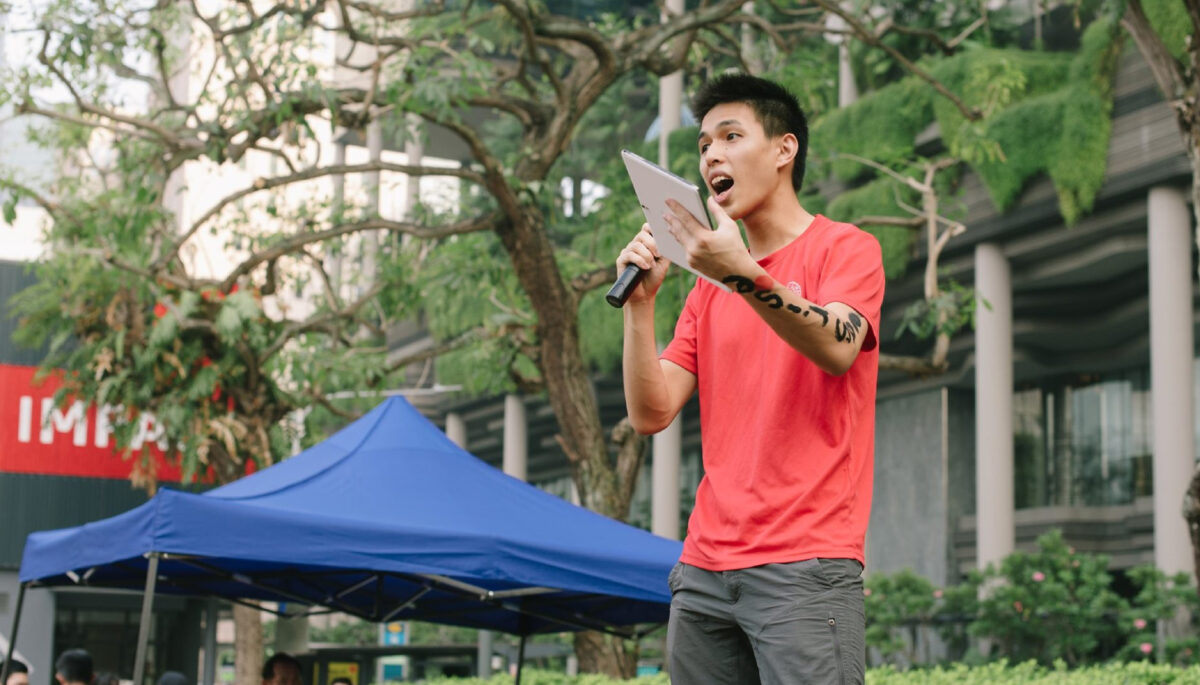
A Growing Government-Ground Divide
11.13.20
Kwan Jin Yao analyzes the perceived deficiencies in the government’s engagement with youth. In this piece, he provides an overview of the trends that have facilitated youth civic and political engagement in Singapore, and the ideological bases that underlie this government-ground divide. He ends off on a hopeful note — with concrete ways that this divide can be bridged.
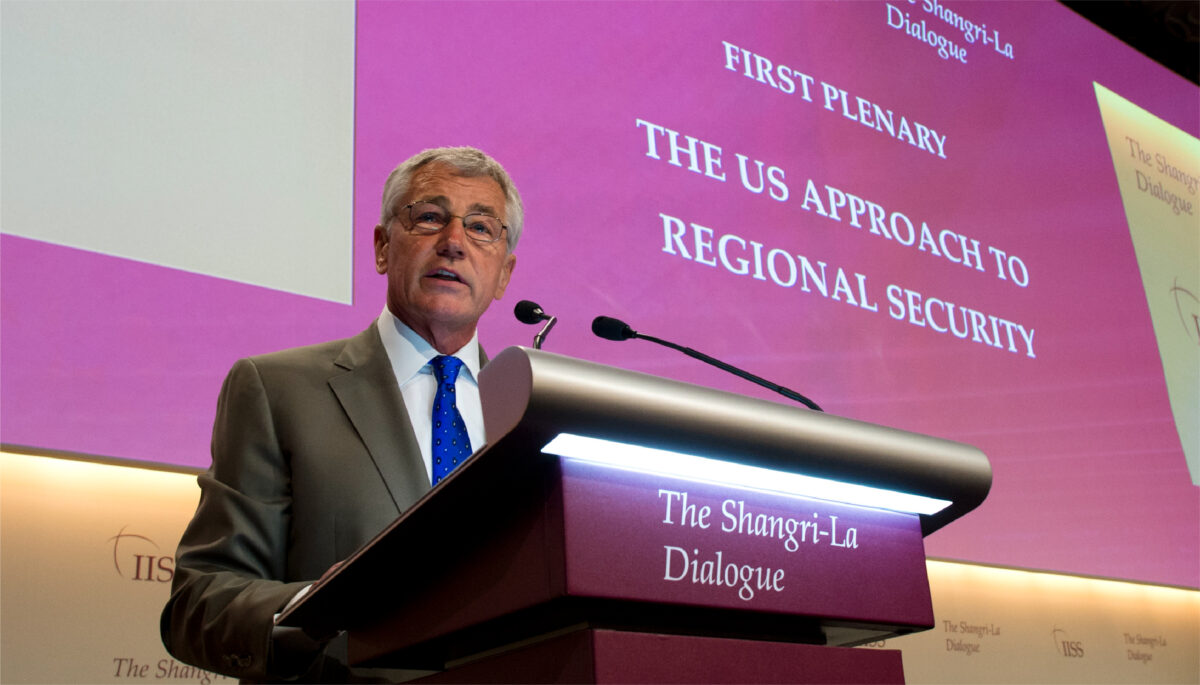
The Shangri-La Dialogue: Ensuring Singapore’s Relevance in Defence Diplomacy
11.8.20
COVID-19 has brought challenges to organizing large-scale events, not least diplomatic ones. In this article, Jina Lim explores the consequences of one such cancelled event through the ‘why’s and ‘how’s of organizing an alternative, and what it means for Singapore’s role in regional defence diplomacy.
Letter to the Editor: Response to Rethinking Scholarship Diversity
09.21.20
Aloysius Foo responds to our previous article by Andrew Chia, Rethinking Scholarship Diversity: The Pre-U Education of PSC Scholars. In his letter, he highlights the need to go beyond diversity, and explore the deeper issues surrounding Singapore’s social class reproduction, which has created an “Aristocracy of Merit”.
Rethinking Scholarship Diversity: The Pre-U Education of PSC Scholars
09.13.20
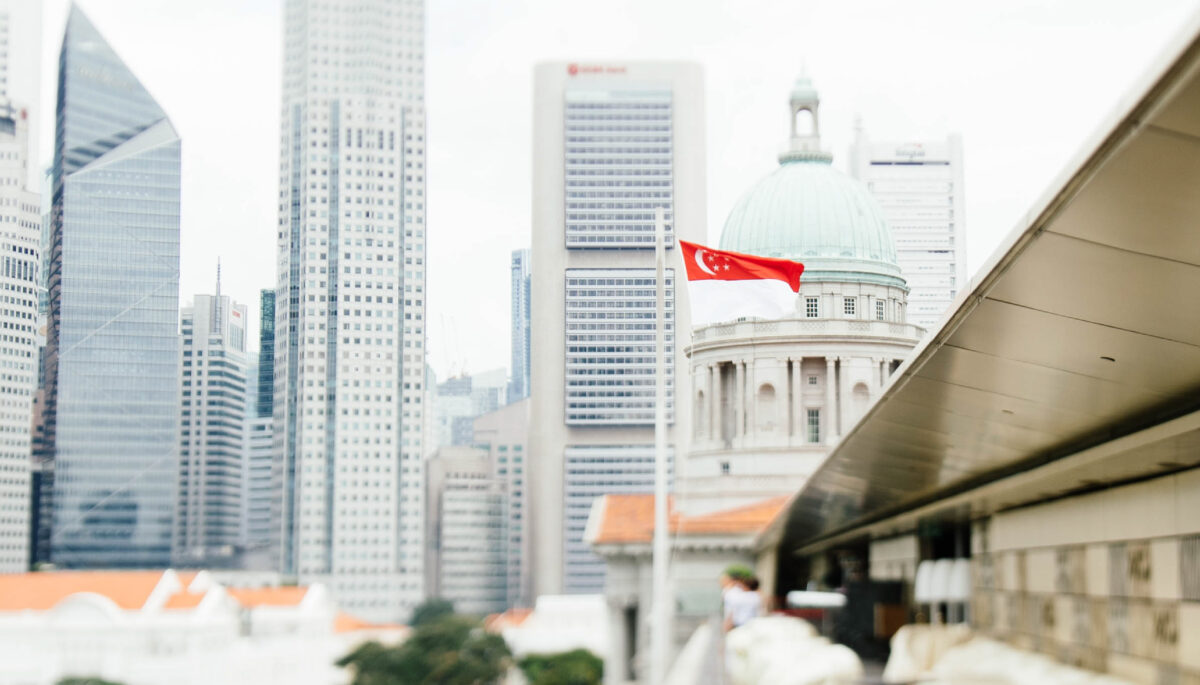
Minister-in-Charge of the Public Service Chan Chun Sing recently remarked that the diversity of Public Service Commission Scholarship recipients goes beyond race, language, and religion. This raises questions about how diverse recipients have been in socio-economic terms, of which pre-university education provides a good proxy for assessment. In this piece, Andrew Chia looks at why diversity in background matters, and explores the diversity of PSC scholars using compiled data on PSC Scholarships from 2007 to 2018.

Beyond Plastic Recycling: A look at Extended Producer Responsibility in Singapore
09.7.20
Singapore’s current efforts in managing plastic waste are mostly focused on downstream measures, but the broader issue of plastic consumption continues to require action upstream. Ensuring responsible production processes, through policy regulation, can help to promote general reduction of plastic waste and environmental impact. To that end, Woo Qiyun spotlights the role of an Extended Producer Responsibility scheme in Singapore, to increase the accountability of corporations and government.
The politics of language: How can we mainstream social justice vocabularies?
06.22.20
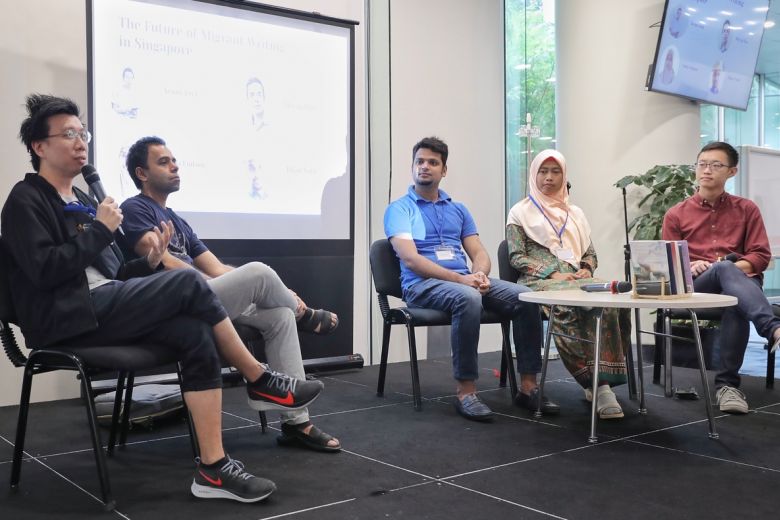
How might we mainstream social justice ideas and language, beginning a national conversation that extends beyond more recognised civil society actors? Reflecting on the discourse surrounding migrant rights, Quah Say Jye draws upon philosopher Miranda Fricker’s concept of “epistemic injustice” to propose a shared vocabulary that might allow migrant workers into our linguistic community. He suggests that our semantic choices need to accurately represent the lived experiences of migrant workers, be accessible to them and the general public, and have the potential to pivot towards broader structural critiques.

Public Opinion & Political Choices in Singapore: A Survey by Quad Research
05.19.20
Quad Research conducted a survey from 1-4 April 2020 on Singaporeans’ perceptions on a range of societal issues and how their views impact their political choices. This executive summary details some of their research findings.
What could a fairer migrant worker policy look like?
05.4.20
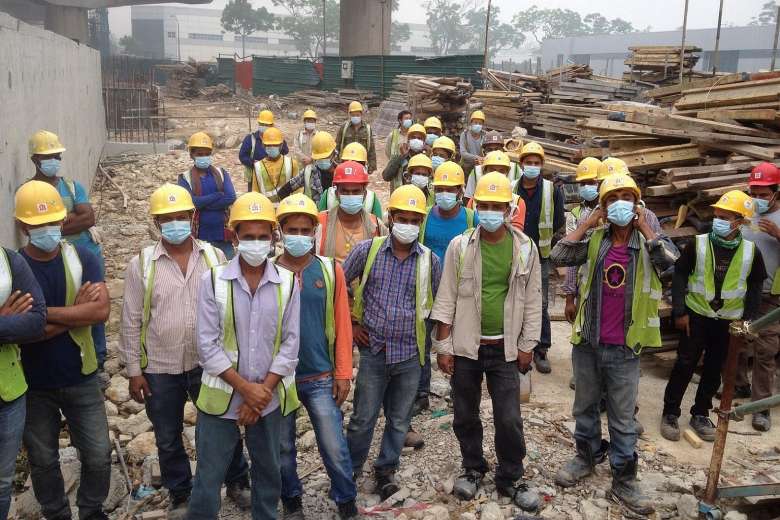
Poh Yong Han argues that while addressing poor dormitory and food standards for migrant workers are important, they merely represent the tip of the iceberg. Unless we tackle the underlying structural issues that explain why migrant workers “consent” to such poor standards (low wages, high agency fees) in the first place, we are not addressing the root cause of the problem. To address them, she proposes setting a Minimum Income Threshold, and enforcing fair recruitment practices. She further suggests reconsidering whether the Work Permit scheme as it stands is even ethical, and asks if current restrictions (such as tying workers to specific employers) need to be loosened, and whether a fairer migrant worker policy would entail providing them with pathways to citizenship or residency.