

Social Innovation and Philanthropy
Will public/private partnerships and social innovation play an increasing role in how governments approach public problems? What is the right role of philanthropy in addressing public challenges?
Latest Article

The “Yes In God’s Backyard” Movement and the Preservation of Religious Spaces
Interest in “faith-based development” to repurpose underutilized land and buildings for the creation of affordable housing, is growing among congregations and policymakers. This movement, also known as “Yes in God’s Backyard” or YIGBY, offers many benefits for religious groups, including a compelling alignment with a moral imperative to serve the unhoused and financially distressed.Explore all Articles
filter by–Region
filter by–Country
search by–Keyword

Key Questions About Our Future Are Hidden in Congressional Budget Debates
12.8.15
BY JASON PEUQUET With all the rancor in the past few years about government shutdowns, debt ceilings, special budget commissions or committees, and fiscal cliffs, it is easy to think that U.S. budget policy is more about theatrical clashes of personality, and kicking the can down the road than about actual public policymaking. And it […]

Diversifying for a Green Future: The Case of the United Arab Emirates
08.28.15
Introduction The United Arab Emirates (UAE) is unlike any other Middle Eastern country in its vision for a clean energy future. Its status as a top oil producer has not enticed the UAE to rest on its resource-rich laurels. Instead, its creative public/private partnerships for power generation, attractive regulations for foreign investment, and ambitious renewable […]

Public Education: A Prestige Problem
07.9.15
How the politicization of the debate over public education hurts the teaching profession. BY ALEX MEADOW Like many young adults, my twenties have featured family and friends asking me, “Alex, what are you up to now?” When I said that I was teaching, specifically at a school in a low-income neighborhood of Brooklyn, they would […]

South Korea’s Young Social Entrepreneurs: A Solution to a Broken Education System?
07.1.15
BY RUFINA PARK This piece appeared in our 2015 print journal. You can order your copy here. On the surface, South Korea’s education system has notable merits. In the OECD’s (Organisation for Economic Co-operation and Development) 2012 Programme for International Student Assessment (PISA) test, which measures the cognitive skills of fifteen-year-olds from sixty-five participating economies […]

How Technology and Innovation could Save Africa From the Malthusian Trap
03.6.15
With recent reports from the FAO that the Ebola outbreak could threaten West Africa’s food supply, it is easy to understand why Sub-Saharan Africa’s agricultural sector would be in urgent need of reform. If Ebola has proven to be such a threat to West African harvests, it is mainly due to the establishment of quarantine […]
A Democratization of Development Aid
12.1.14
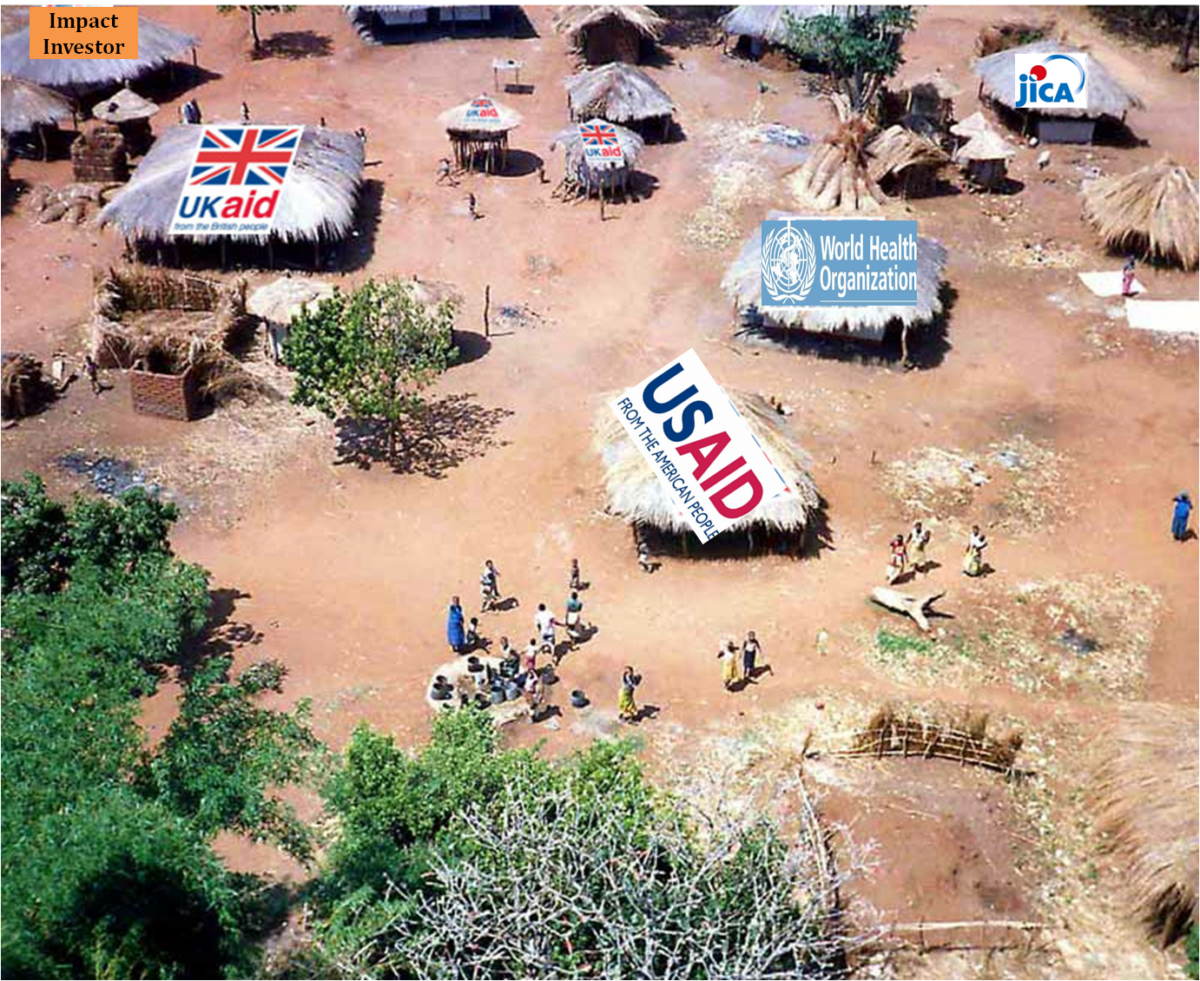
Developing countries need a democratization of development aid. Not the democratization of giving that Bill Clinton or Jeffery Sachs called for, but a democratization that is realized through a real and balanced collaboration between international aid disbursing organizations, local organizations and local communities that receive aid; a collaboration that moves receiving organizations, communities, and countries […]

Reflections on Eric Schmidt’s May 2014 Address to HKS
10.7.14
By Patrick Daniel As the Austrian-born American management consultant Peter Drucker once said, “What gets measured gets managed.” When Eric Schmidt visited the Harvard Kennedy School last spring, everyone listened. Insights from the Executive Chairman of Google were in such high demand that students filled all three levels of the auditorium. The talk hosted by […]

Social Finance: Sorting Hope from Hype
08.9.14
BY JULIA FETHERSTON ADAM SMITH WOULD HAVE BEEN mystified by the bankers, government officials, analysts, and activists assembled in the City of London for the inaugural G8 Meeting on Social Impact Investment, a meeting convened at the behest of U.K. Conservative Party Prime Minister David Cameron. Smith, the pioneer of free market political economy, wrote […]

Making the Financial Sector Whole: Steve Lydenberg on Responsible Investment
07.15.14
Steve Lydenberg began his career in responsible investment in 1975, as he says, before “careers in responsible investment even existed.” He joined the now-dormant Council on Economic Priorities, one of the first organizations to investigate and publicize corporate misbehavior, to support his passion for writing off-Broadway plays. But in the 1980s, divestment from the apartheid […]
Advancing the Asian American and Pacific Islander Data Quality Campaign: Data Disaggregation Practice and Policy
06.4.14
Abstract This study examines the impact of disaggregated data on shaping programs, services, and improving student outcomes for Asian American and Pacific Islander (AAPI) student populations at Coastline Community College (CCC). Using a mixed methods approach, including institutional data analysis and semi-structured staff interviews to examine the Asian American Native American Pacific Islander–Serving Institutions (AANAPISI) […]
Impact Investing for the Average American
03.18.14
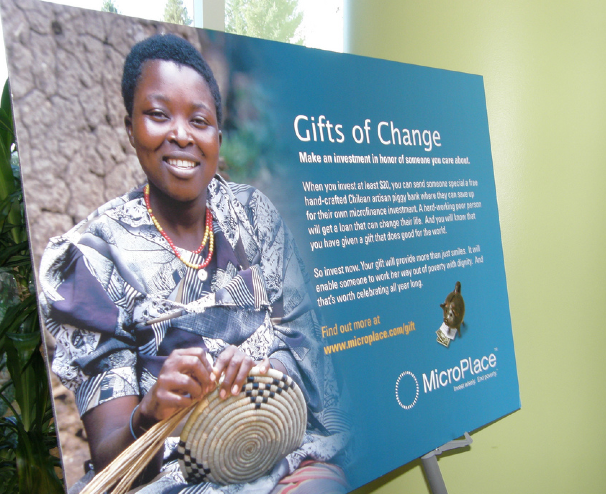
Impact investing has become a buzz word in social enterprise circles but, even today, opportunities to invest are hardly accessible to the average American. Barriers include protective federal regulations as well as the inability to reach scale. BY CHRISSIE LONG On January 14, eBay ended its brief flirtation with impact investing. The internet giant had […]

2014 State of the Union: Issue by Issue
01.27.14
A Note of Explanation: For the first time, the Kennedy School Review has tapped into the policy expertise of students across the Harvard Kennedy School of Government to collect their perspectives on President Obama’s 2014 State of the Union Address. Over the next two days we will share student analysis on a broad range of […]