
Latest Article
The Transatlantic Alliance Isn’t Dead. Treating It That Way Could Make It So.
The transatlantic alliance is increasingly described today in terms of decline, rupture, and even collapse.[1] Political leaders and commentators on both sides of the Atlantic have openly questioned whether the relationship can endure in its current form. From warnings that it is “broken” to claims that it is effectively “over,” the narrative of a fading […]Explore all Articles
filter by–Region
filter by–Country
search by–Keyword
Ashes of Hama: The Muslim Brotherhood in Syria
10.31.15
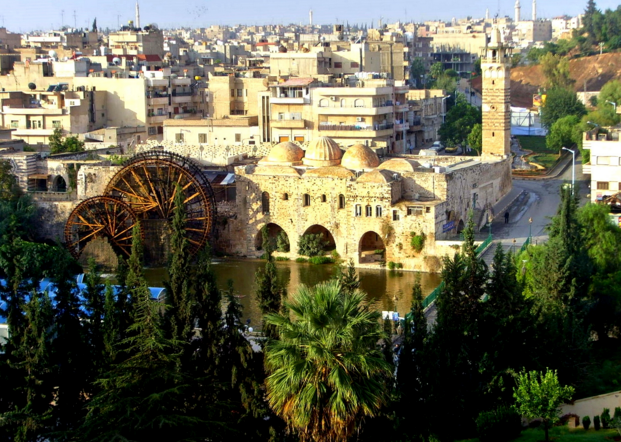
Ashes of Hama by Raphael Lefevre provides a chronological description of the progression of the Syrian Ikhwan (Muslim Brotherhood). The book discusses the establishment of the Brotherhood and its evolution in Syrian politics. Lefevre does a fascinating job analyzing the Muslim Brotherhood institutionally and organizationally, provoking the reader to move beyond stereotypes about the Syrian […]

Everybody Loves Space But Nobody Wants to Pay for it
10.30.15
BY DAVID PAYNE Packed seats, people standing wherever they could find space, and a rush towards the stage at the end to meet the event’s stars. That scene, characteristic of a pop star’s reception, unfolded on October 27th when NASA Administrator Charles Bolden and 100-Year Starship Principal Dr. Mae Jemison spoke at Harvard’s JFK Jr. […]
It’s Not Over: The Significance of the Tunisian Nobel Peace Prize to the Arab Spring Generation
10.18.15
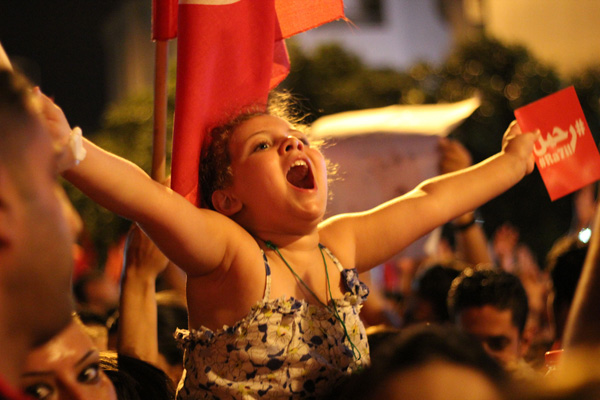
On the morning of October 9th 2015, I woke up to the news that the Tunisian National Dialogue Quartet won the Nobel Peace Prize. In a time when terrorism, political bickering and popular discontent were threatening the legacy of the Tunisian revolution, the Quartet stepped in and engineered a nationwide dialogue. It worked. Tunisia […]
Inside the Middle East: Interview on Libya’s Past, Present and Future with Mahmoud Jibril
10.10.15
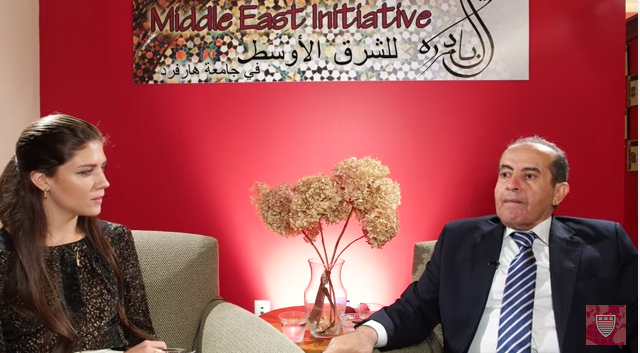
In mid-September, 2015, JMEPP Co-Editor-in-Chief Kristin Wagner interviewed Mahmoud Jibril, Former Prime Minister of Libya and president of the National Forces Alliance (تحالف القوى الوطنية) political party. Watch the discussion of Libya’s post-Gaddafi transition, reflections on leadership, and the role of external actors and foreign assistance in Libya during and since the revolution, below:

US and China Reach Historic “Cyber Arms Control Agreement” – But Will Anything Come of It?
10.2.15
BY JESSICA ZUCKER Standing side-by-side in the White House rose garden on September 25, U.S. President Barack Obama and Chinese President Xi Jinping announced that they had reached a “common understanding” to combat “cyber-enabled theft of intellectual property.” In a widely anticipated announcement, the two leaders also agreed to respond to requests for law enforcement […]

What Flag Will Fly on Mars?
09.29.15
BY DAVID PAYNE Within 50 years, human beings will go on one-way journeys to permanent settlements on Mars. That claim is audacious but is being increasingly echoed by the likes of Elon Musk and supported by the plans of various companies, governments, and non-profit organizations. With the premiere of The Martian this week and as […]
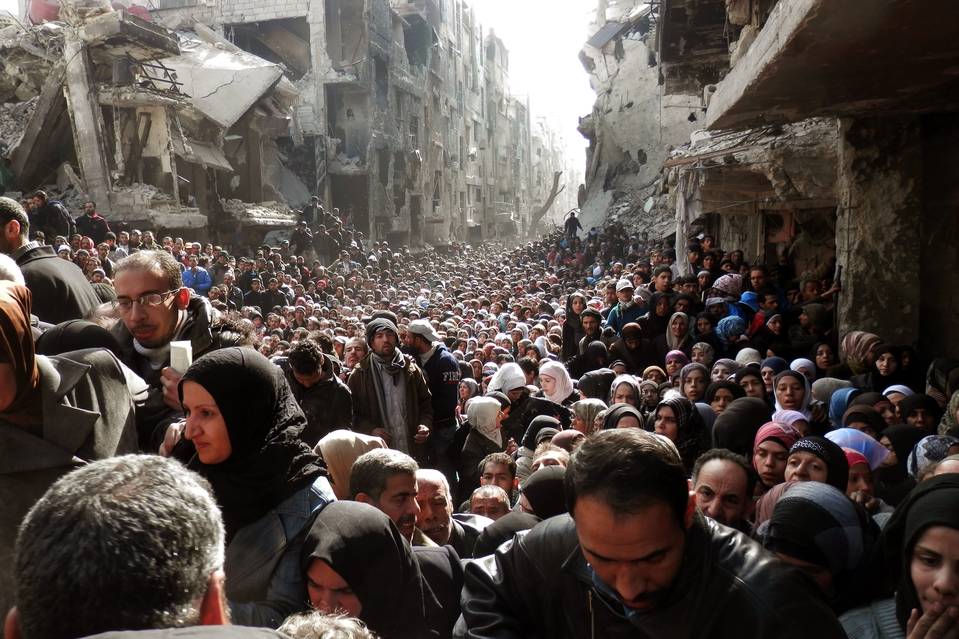
The 70th Anniversary of the United Nations: Lessons for Responding to the Neglected Syrian Civil War
09.28.15
BY ORGA CADET This week, more than 150 heads of state will convene at the UN’s headquarters in New York for the 70th session of the General Assembly. The theme? “The United Nations at 70: the road ahead for peace, security and human rights.” One of the session’s objectives is to “draw lessons from the […]
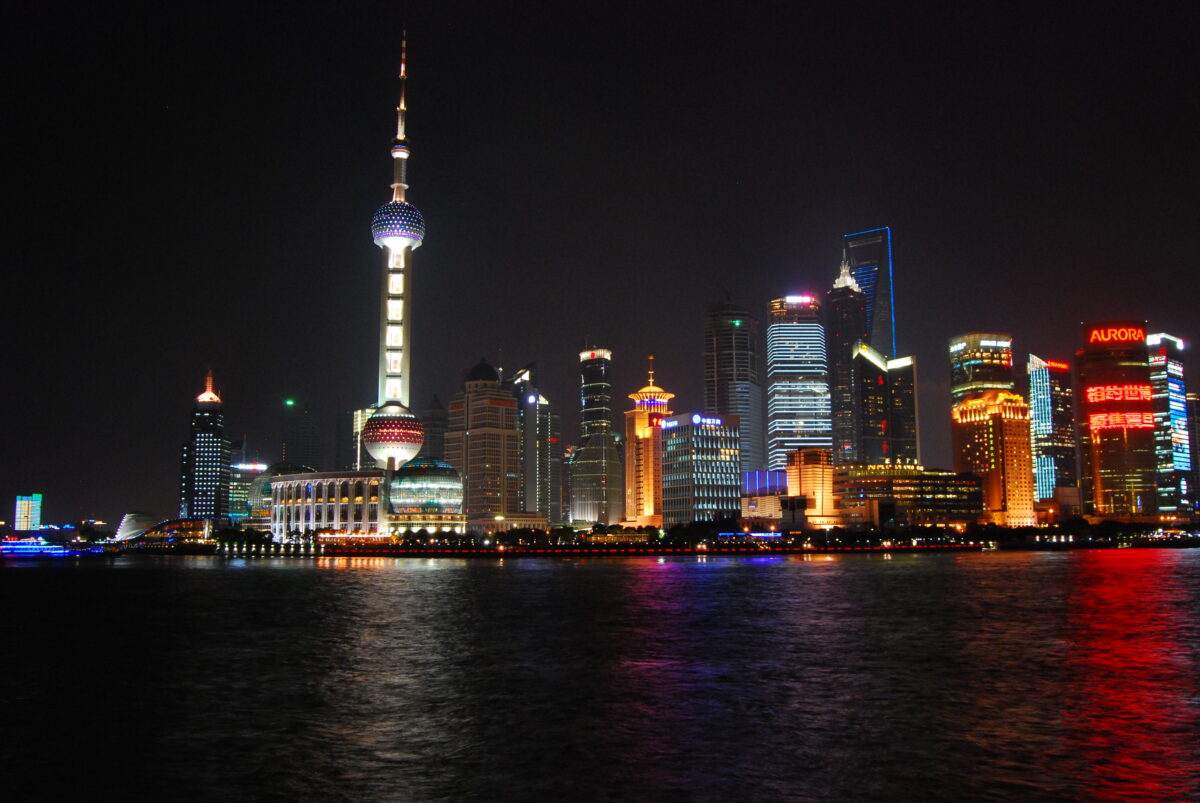
Free to Create: China’s Quest for an Innovative Economy
09.23.15
BY PAUL CHEN This piece appeared in our 2015 print journal. You can order your copy here. Seven-hundred million Chinese have grown out of poverty since the Chinese Communist Party (CCP) launched economic reform programs in 1979. Harvard’s Tony Saich summarizes the reform efforts as introducing economic liberalization while retaining political control, a governance model that […]
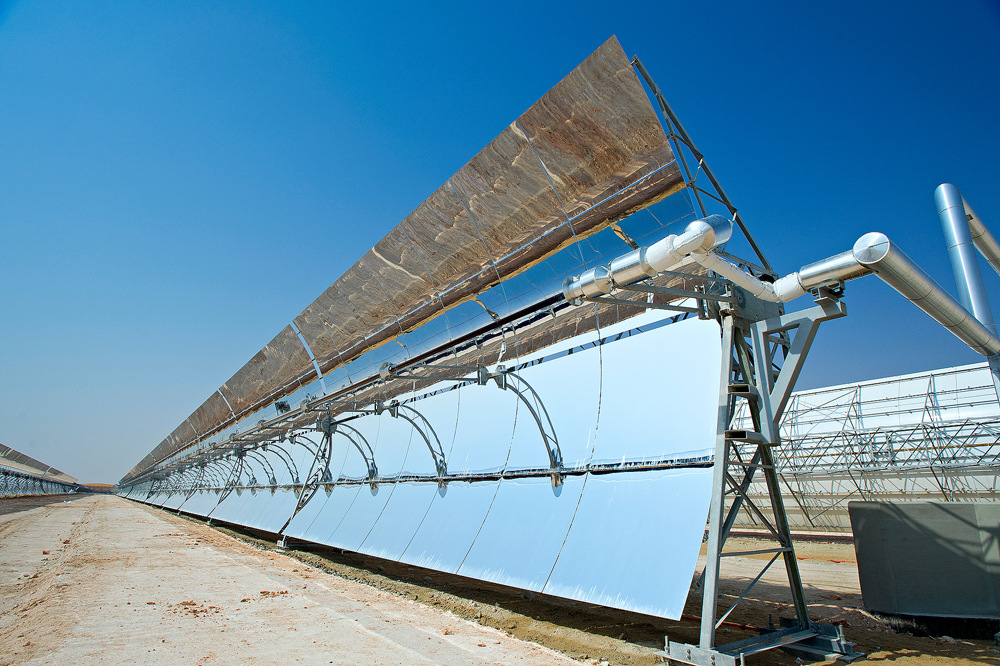
Diversifying for a Green Future: The Case of the United Arab Emirates
08.28.15
Introduction The United Arab Emirates (UAE) is unlike any other Middle Eastern country in its vision for a clean energy future. Its status as a top oil producer has not enticed the UAE to rest on its resource-rich laurels. Instead, its creative public/private partnerships for power generation, attractive regulations for foreign investment, and ambitious renewable […]

The Prospects and Perils of the Coalition’s War on ISIS
08.28.15
Introduction The Islamic State of Iraq and Sham (ISIS) is a product of Iraq’s and Syria’s sectarian polarization, political dysfunction, and the alienation of the local Sunni population from the Iraqi and Syrian regimes. The US-led anti-ISIS coalition was triggered by the jihadists’ capture of Mosul, Iraq’s second largest city, in June 2014.[i] While dramatic, […]
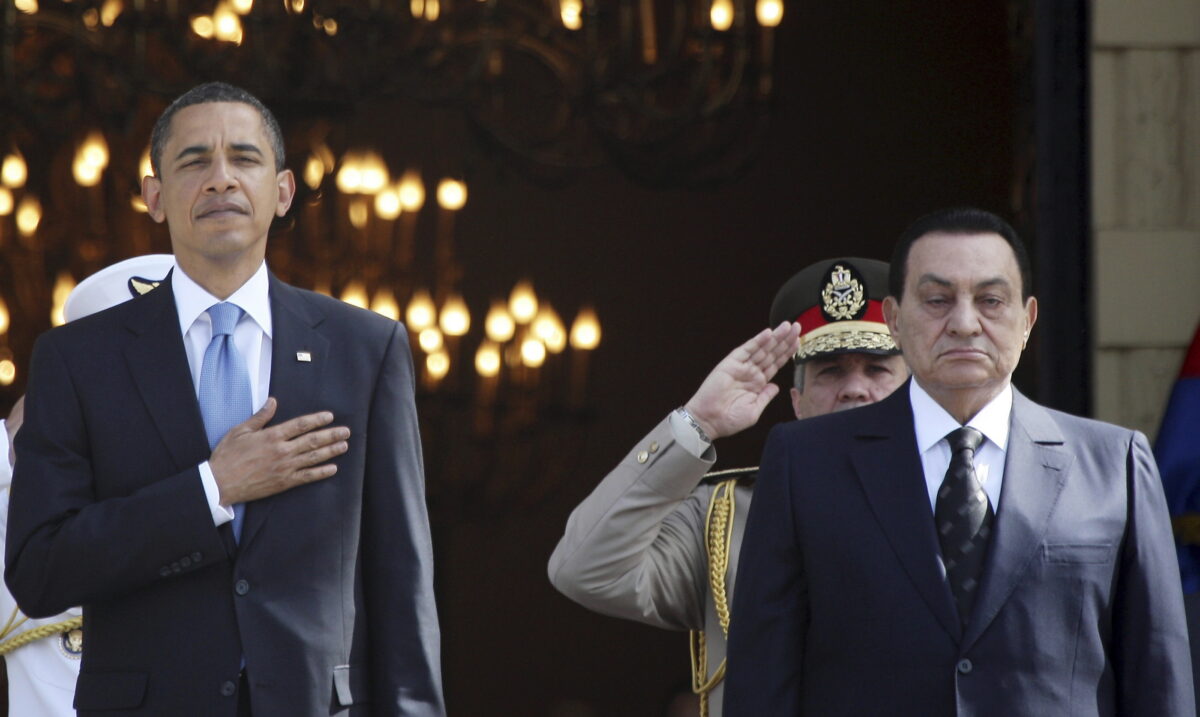
Obama’s Middle East Foreign Policy Report Card
08.28.15
President Obama’s Middle East policy record in his first six years in office was mixed and lacked significant achievements. Overall, Obama’s approach was cautious, as the United States reacted to fast-moving events. U.S. strategy predominantly focused on degrading terrorist networks such as Al Qaeda in the Arabia Peninsula (AQAP) to prevent a major attack on […]
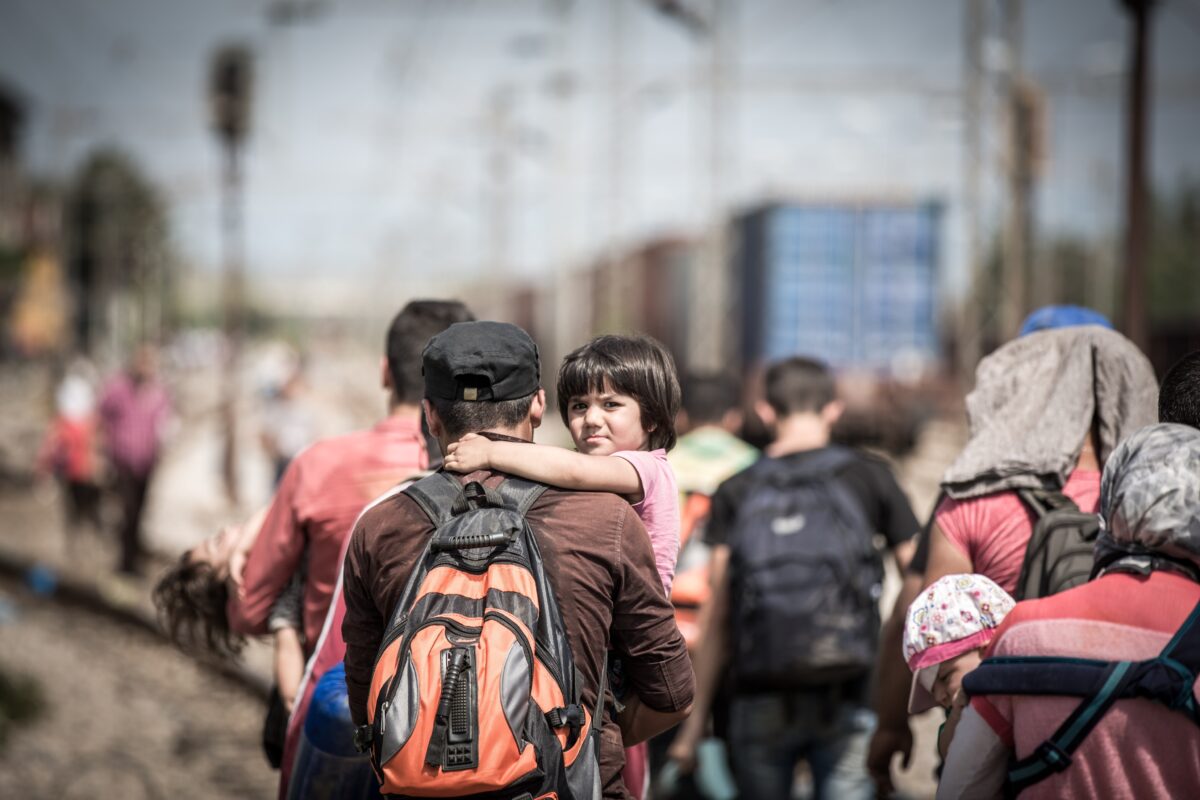
The Arab Uprisings and Their External Dimensions: Bringing Migration In
08.26.15
Growing Prevalence and Influence of Arab Migration Trends In recent years, Arab emigration has been growing. Arab expatriates constitute approximately 6 percent of the local population in the countries across North Africa and the Levant, a percentage that is twice as high as the world average.[i] Notwithstanding such significant patterns of out-migration, the impact of […]