Latest Article
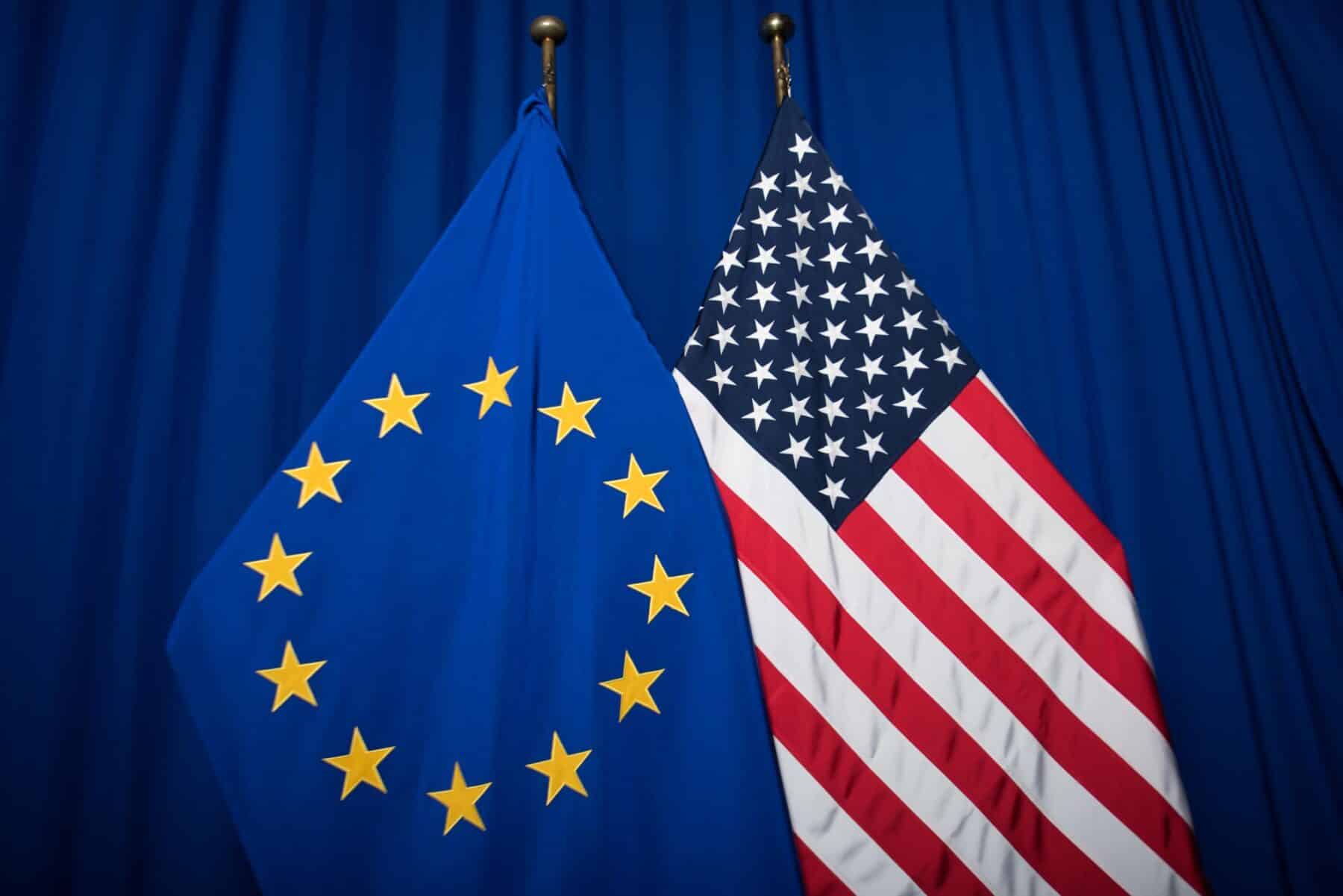
The Transatlantic Alliance Isn’t Dead. Treating It That Way Could Make It So.
The transatlantic alliance is increasingly described today in terms of decline, rupture, and even collapse.[1] Political leaders and commentators on both sides of the Atlantic have openly questioned whether the relationship can endure in its current form. From warnings that it is “broken” to claims that it is effectively “over,” the narrative of a fading […]Explore all Articles
filter by–Region
filter by–Country
search by–Keyword
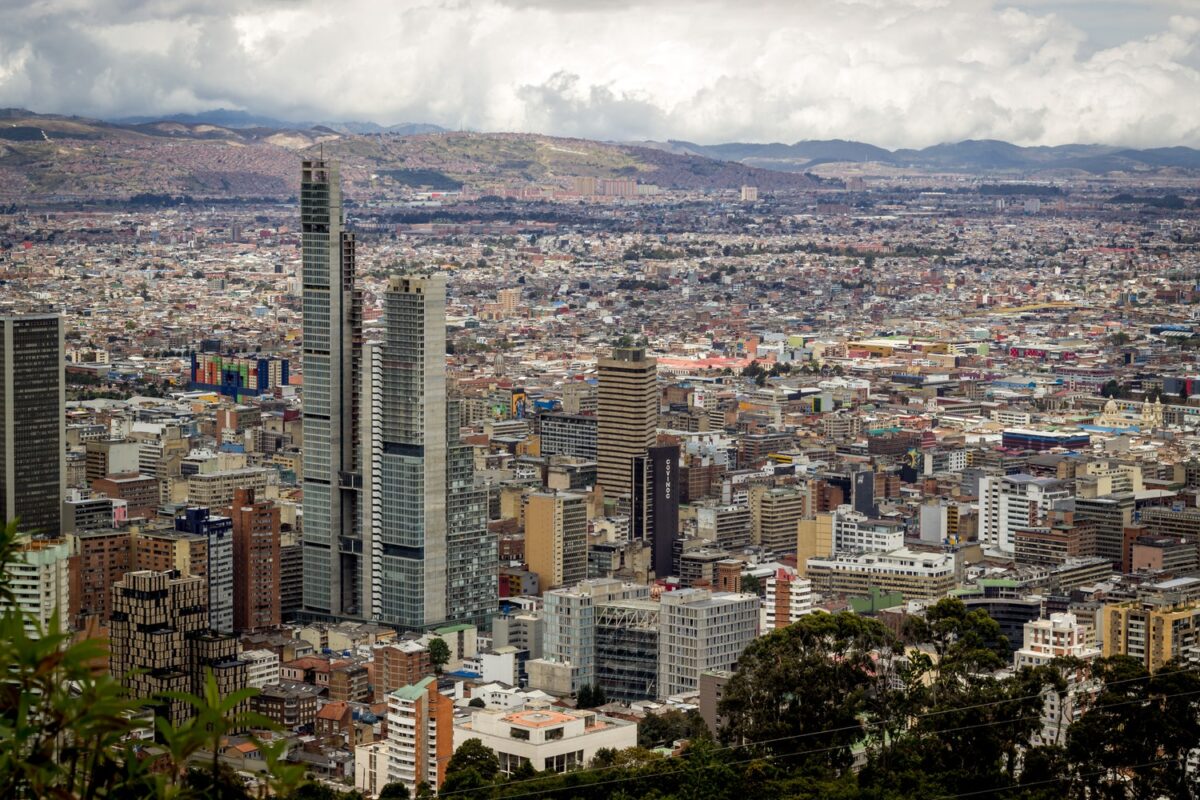
Latin American Cities in the Fourth Industrial Revolution: The Potential and Social Risks of Smart-Cities Technologies
04.17.19
Abstract In the wake of the implementation of smart-city technologies in Latin American cities, this article reviews both their potential for making municipal administration and local service delivery more efficient and the risk they pose, particularly to vulnerable communities. Based on the literature and the international experience on the social and policy effects of algorithmic […]

Why the digital divide could affect the accuracy of the 2020 census
04.16.19
The U.S. Census is entering the digital age. If you can order groceries online and find the love of your life, why not fill out an online survey that promotes the health of our democracy? Foregoing the traditional paper and pencil mode of data collection makes sense, as it is no longer a sustainable method. […]
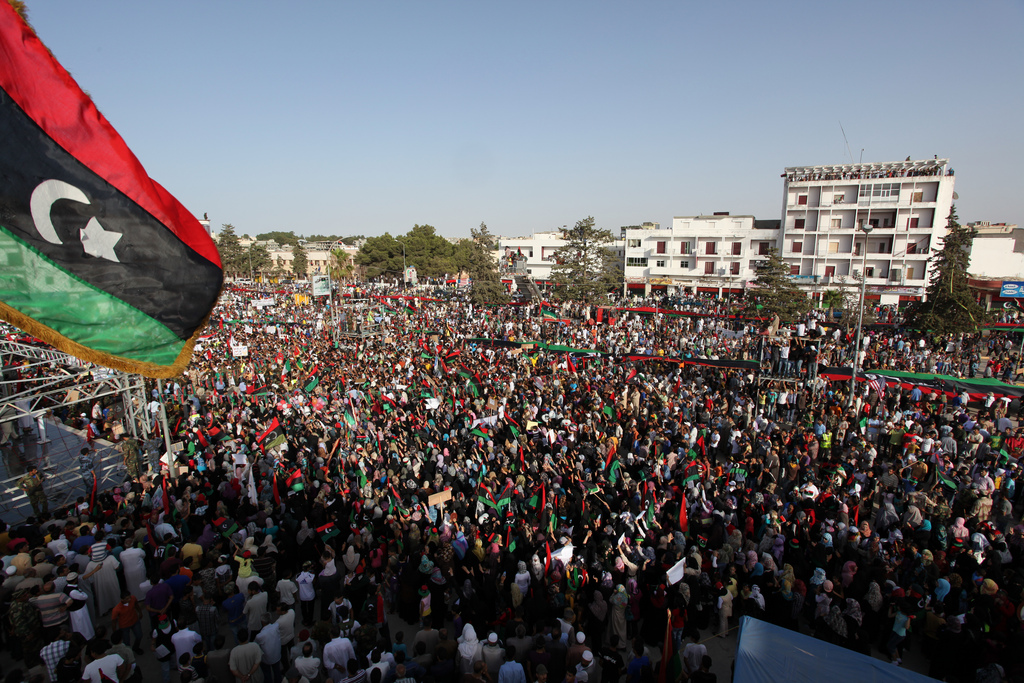
The fate of Tripoli and the democratic dream for Libya
04.14.19
The deadly conflict in Tripoli will make it more difficult to find areas of compromise between hardened Libyan factions. However, the alternatives are continued chaos, or weak authoritarian rule under Haftar.
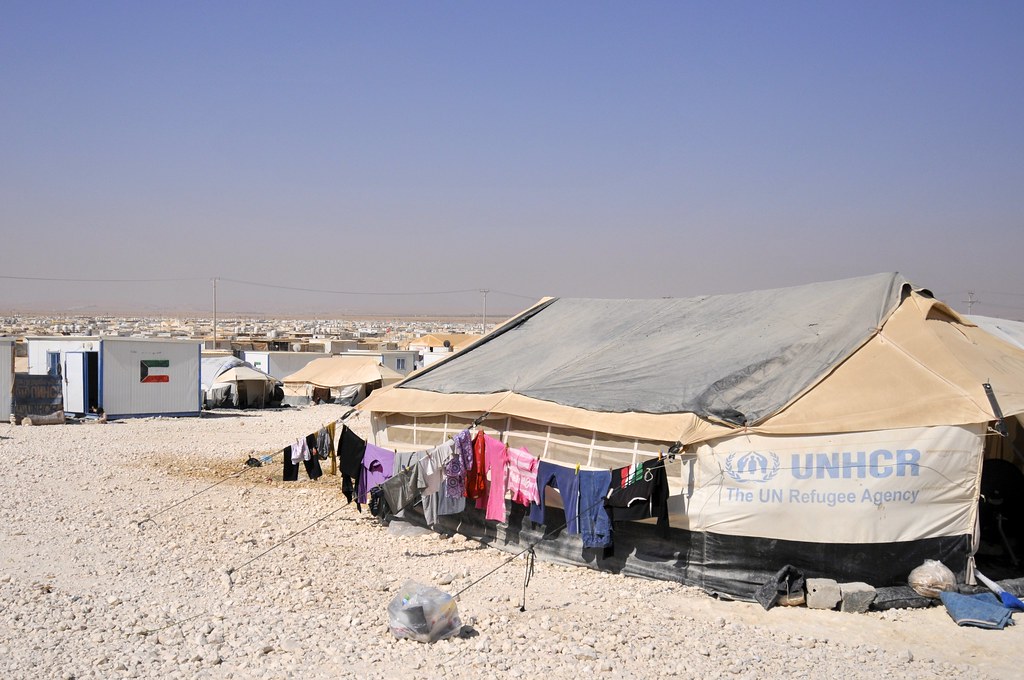
Empowerment and compassion in refugee crisis response: A conversation with UNHCR MENA Director Amin Awad
04.11.19
“Having worked all over the world on a range of emergencies over the last 30 years, community resilience is something that I have witnessed in every situation, without fail. The strength of the human spirit to triumph over adversity never ceases to amaze me.”
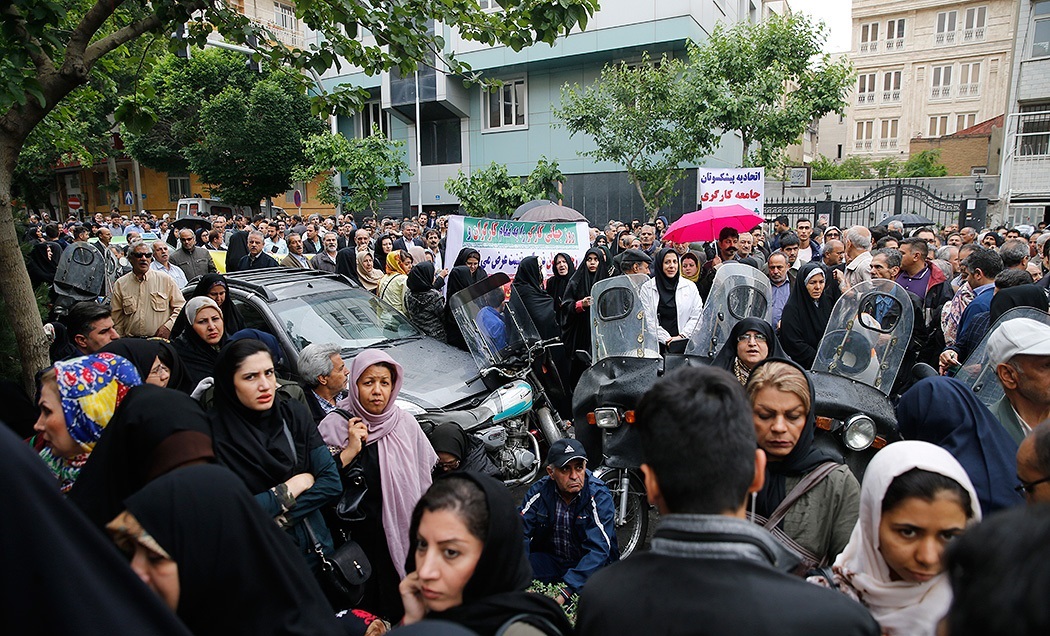
The politics of hope: a nation’s patience tested
03.27.19
Iran’s citizens, who have clung to hope and the possibility for change through decades of domestic repression and isolation from the global economy, struggle to remain hopeful. By further undermining Iran’s civil society through a damaging, sanctions-forward policy, the U.S. risks weakening the aspirations of Iranians for a peaceful future where equality and human rights are respected.
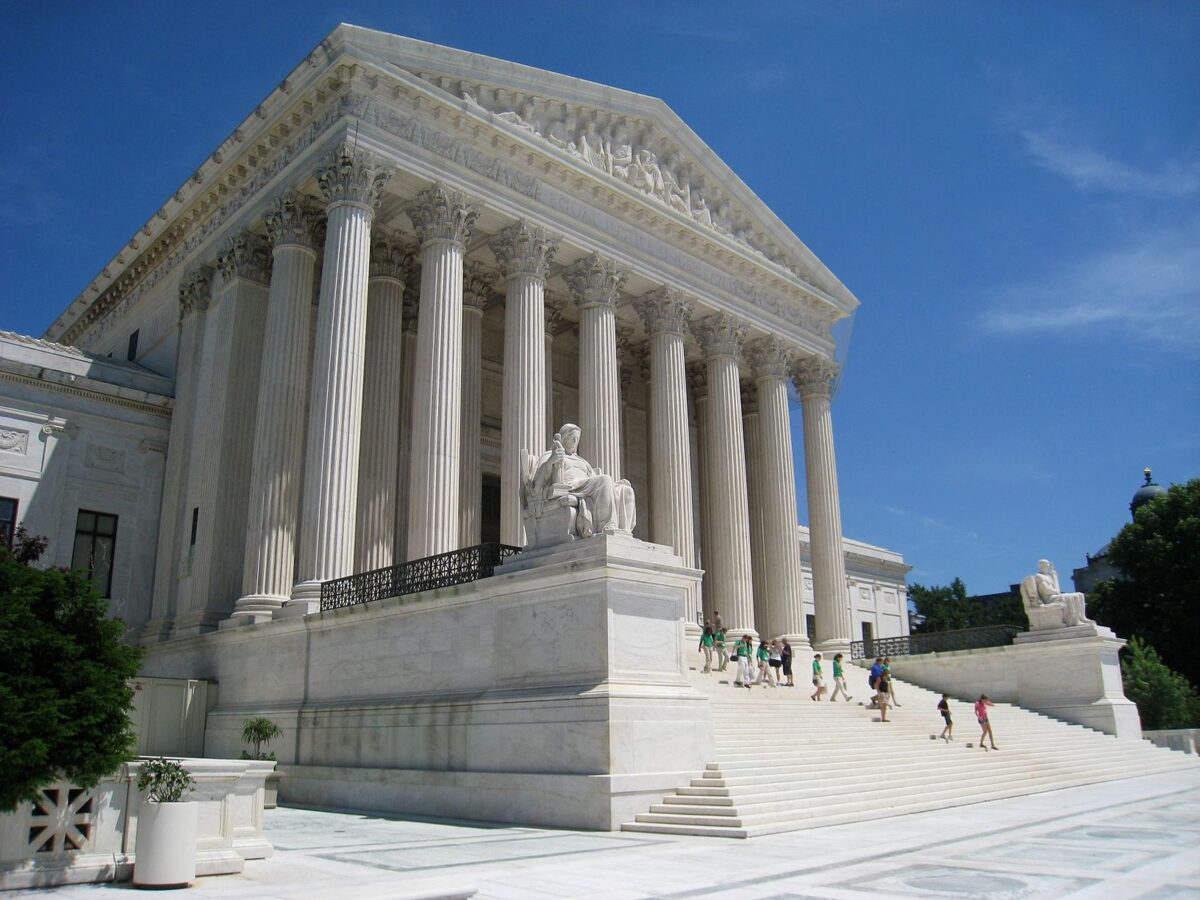
Constraining U.S. foreign policy by enforcing current law: a series on Congress’s options to limit arms sales and aid to Saudi Arabia, part 3
03.21.19
To secure a court order, Congress must show that the executive’s refusal to follow the FAA and the Leahy laws uniquely injures the legislative branch in a way that only the courts can remedy.
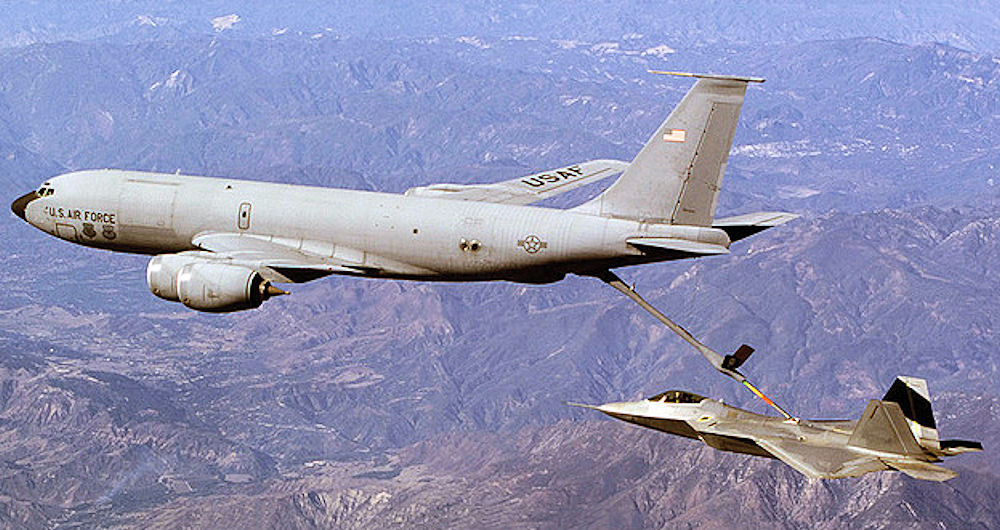
Current law constraining the President: a series on Congress’s options to limit arms sales and aid to Saudi Arabia, part 2
03.21.19
The White House’s Saudi policy implicates at least four pieces of existing legislation. If the President refuses to obey them or cuts corners, Congress can bring him to heel directly via impeachment, or indirectly through court orders that force executive branch agencies to halt the restricted activity.
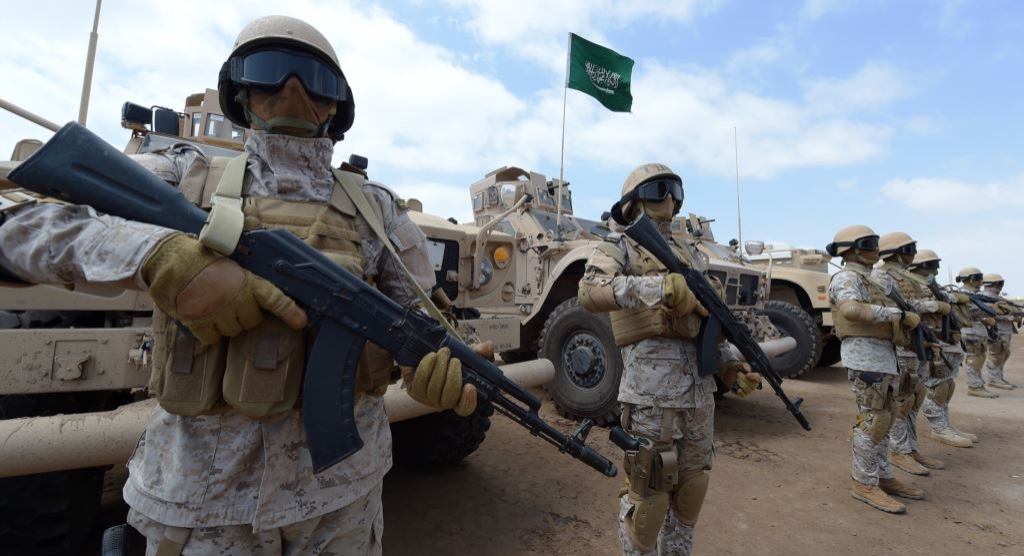
Facing a President’s veto: a series on Congress’s options to limit arms sales and aid to Saudi Arabia, part 1
03.21.19
Even without a two-thirds majority, Congressional representatives determined to hold Saudi Arabia accountable for its flagrant violations of international law could dodge the veto and limit the President’s actions by enforcing existing laws that nominally prevent the U.S. from supporting states that violate human rights.
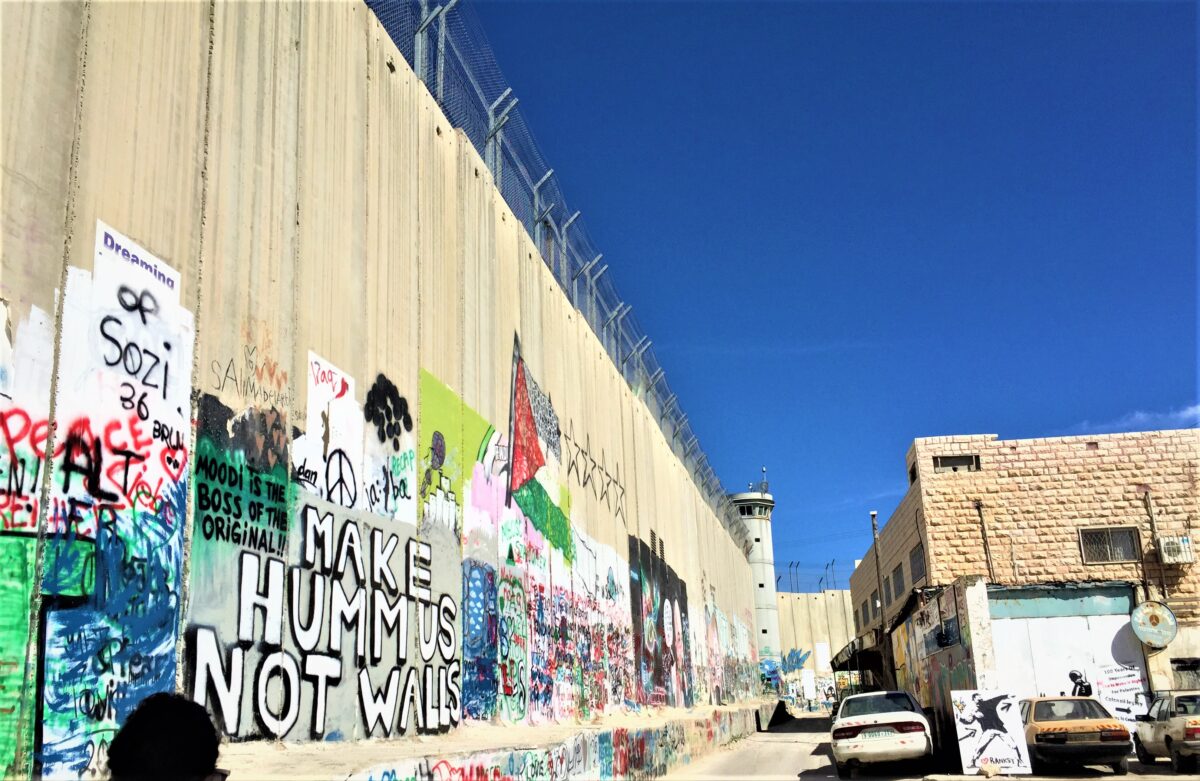
Is the Occupation of the West Bank Morally Justified?
03.19.19
The world recently marked fifty years since the end of the 1967 Arab-Israeli “Six Day” War and the beginning of the indefinite military occupation of Palestinian West Bank. It was one of the shortest wars; it has been one of the longest occupations. The international community continues to ask, how much longer should it go […]
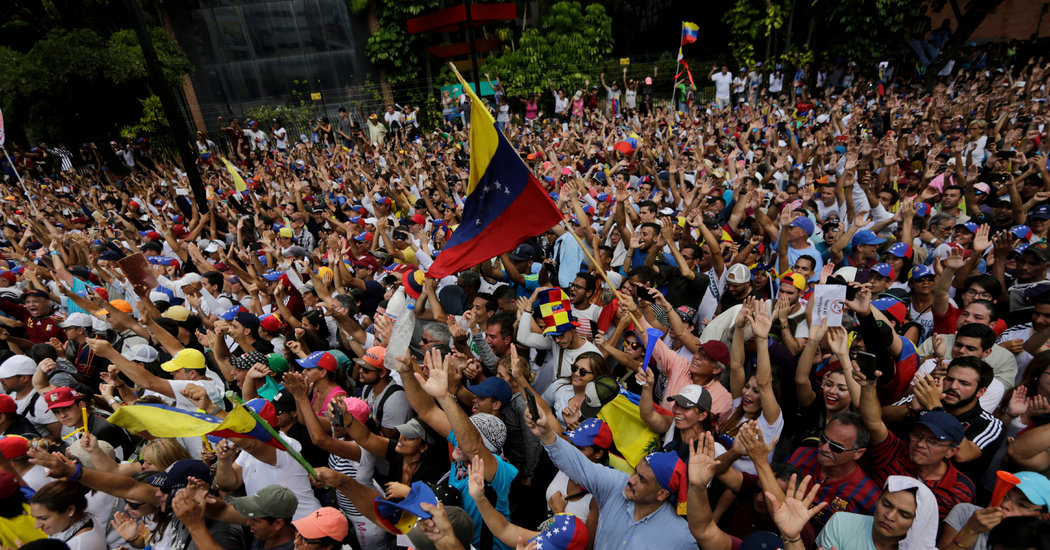
Plate Tectonics: Global Affairs and the Political Earthquake of January 2019 in Venezuela
03.18.19
The events that started in January 2019 in Venezuela are driven primarily by Venezuelans’ desire for change, but for many international observers and social media commentators natural resource wealth took the spotlight. Whether it was a critique of the United States’ involvement or a thesis to explain the interests of other neighbors and major powers, […]

Fintech Customers Deserve Greater Command Over Their Data and Value Commensurate with Relinquishing It
03.15.19
March 15th marks World Consumer Rights Day. For American consumers exploited by data-grabbing corporate giants, one wonders whether there is much to celebrate. The evidence shows that most companies “prefer to keep consumers in the dark, choose control over sharing, and ask for forgiveness rather than permission.” Target is a classic example of this behavior. […]
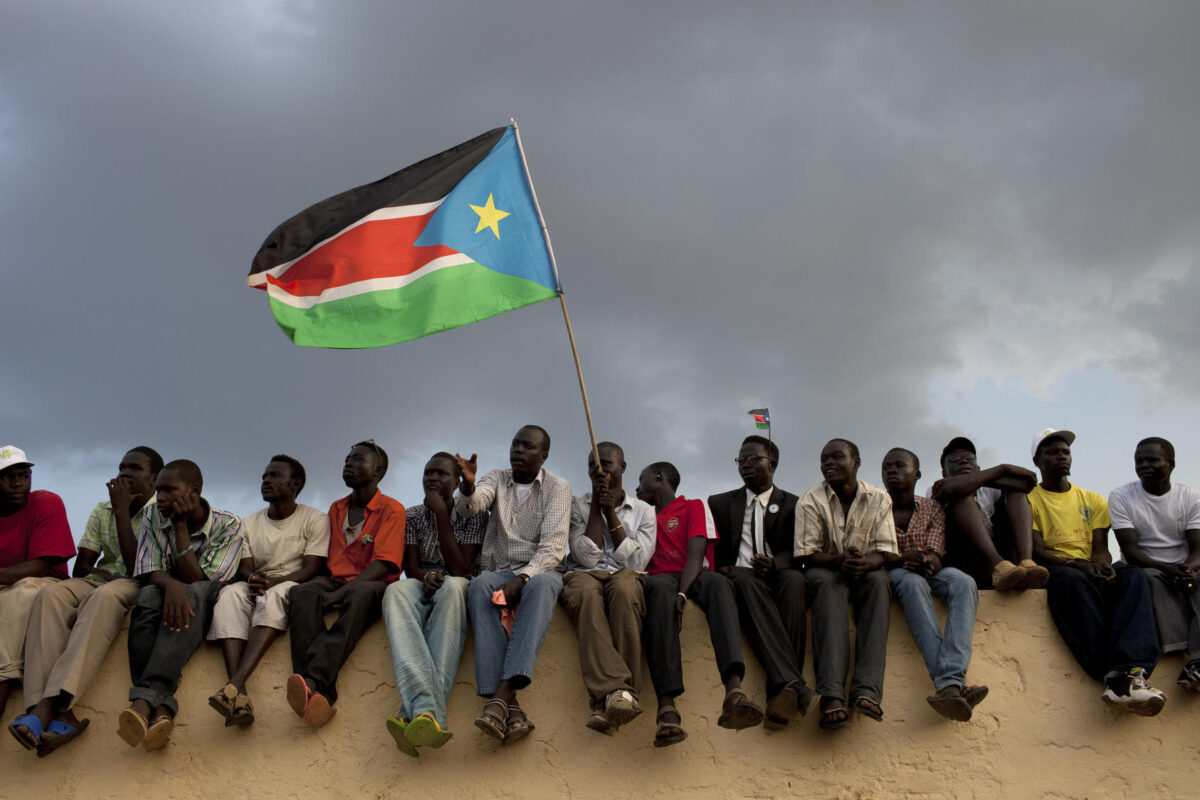
Enhancing South Sudan’s Prospects through Advancing an Ambitious Security – Development Agenda
03.14.19
Abstract This article focuses on the transitions which have taken place in the recent history of South Sudan and assesses their impacts on its future political and economic prospects. The paper argues that there are three broad areas in the security – development nexus which must be addressed before South Sudan’s national security can substantially […]