
Latest Article
The Transatlantic Alliance Isn’t Dead. Treating It That Way Could Make It So.
The transatlantic alliance is increasingly described today in terms of decline, rupture, and even collapse.[1] Political leaders and commentators on both sides of the Atlantic have openly questioned whether the relationship can endure in its current form. From warnings that it is “broken” to claims that it is effectively “over,” the narrative of a fading […]Explore all Articles
filter by–Region
filter by–Country
search by–Keyword
Building Shared Resilience in the EU and Ukraine as a Path to Counter Russia
01.20.22
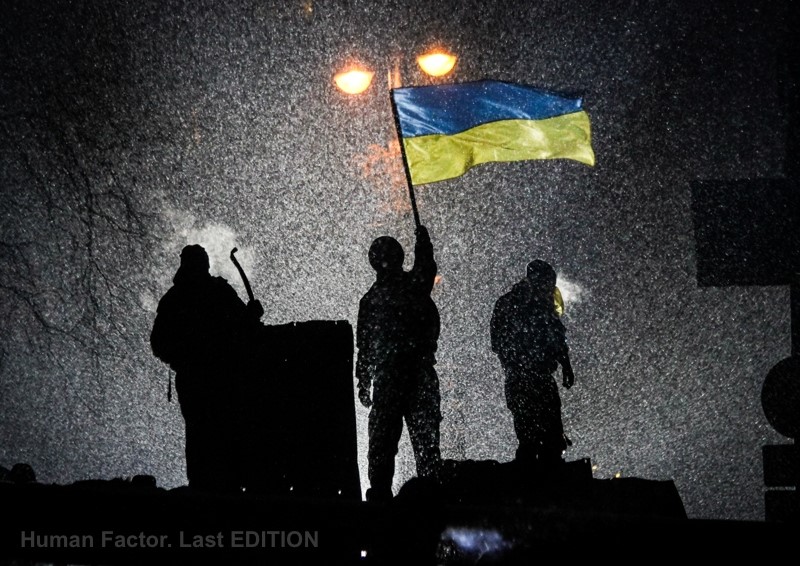
The best strategy for the EU and NATO to contain Putin’s regime is by focusing on strengthening Ukraine’s resilience and making Ukraine a successful state. In creating more economic opportunities and prosperity in Ukraine, the West will stimulate the Russian people to demand better living conditions for themselves.

Law and Policy Used to Address & Aggravate Palestinian Isolation: A Focus on Case Studies from Lebanon, Jordan, Israel
12.22.21
Jordan Cope, Esq. explores how the role of law and policy has been used in three countries—Lebanon, Jordan, and Israel, respectively—to both accelerate and to frustrate Palestinian integration. In doing so, the essay also explores the necessary history to contextualize the Israeli-Palestinian conflict and the status of the Palestinian diaspora.
The Peaceful Rising of the Silent Dragon in the Middle East
12.17.21
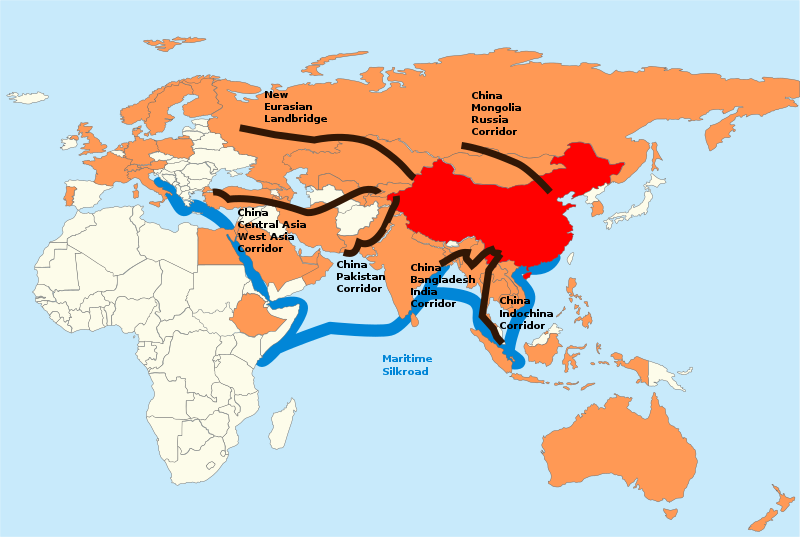
Arman Mahmoudian examines the return of great power competition in the Middle East and China’s role within the region.

Deepfakes: The Implications of this Emerging Technology on Society and Governance
12.11.21
Luke Seow argues that Singapore is currently not well positioned to deal with the emergence of deepfake technology, and that this poses significant risks for national security and social cohesion. He highlights gaps in the current legislative framework, as well as lessons that can be drawn from other countries’ approaches to combating this emerging challenge. He then makes policy recommendations for Singapore to mitigate the potential dangers of deepfake technology.

Kuwait’s Position in the Gulf-Lebanon Diplomatic Row
12.6.21
Giorgio Cafiero analyzes the diplomatic row between four Gulf Cooperation Council (GCC) members and Lebanon and how it represents new challenges and severe complications for Beirut.
Like Afghanistan, U.S. withdrawal from Somalia signals conflict fatigue, with potentially serious consequences for East Africa
12.3.21
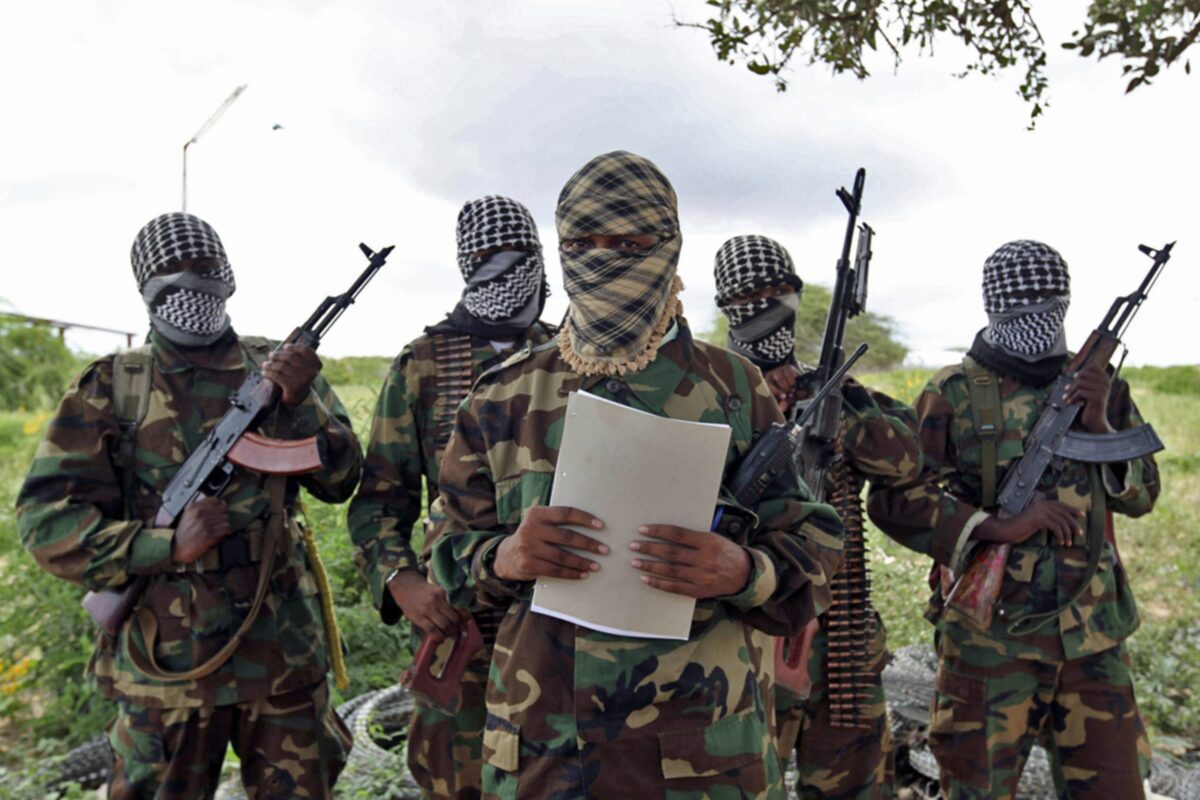
By Kevin Uniacke Former U.S. Ambassador Ryan Crocker recently led a Zoom speaking engagement at the Harvard Kennedy School. The Ambassador discussed the consequences of the 2021 U.S. withdrawal from Afghanistan, drawing on his extensive diplomatic experience as a Foreign Service Officer for over 37 years and an Ambassador to Afghanistan, Iraq, Kuwait, Lebanon, Pakistan, […]
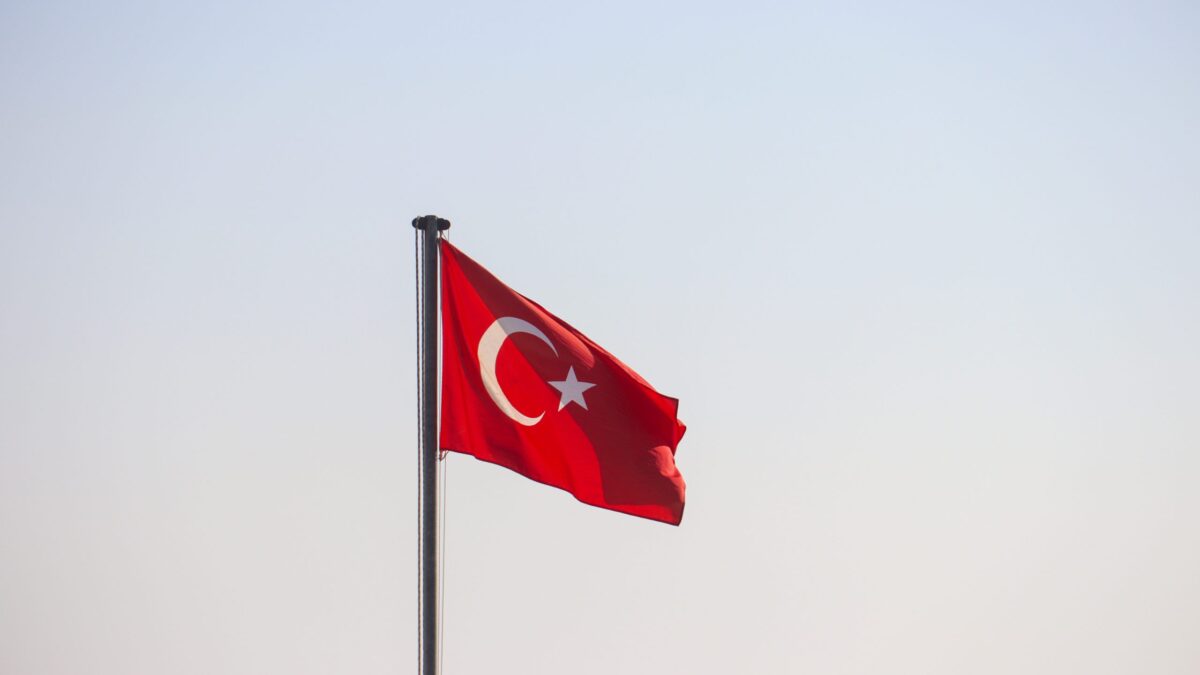
Turkey-West Relations: The Escalating Crisis of Trust and Path Dependency
11.23.21
Oya Dursun-Özkanca examines the post-2019 developments in Turkey-West relations and argues that there is increasing use of boundary-breaking intra-alliance opposition process, creating a dangerous path dependency.

Open Letter: Against the Sale of U.S. Arms to Saudi Arabia
11.22.21
As a candidate, Joe Biden promised a values-based U.S. foreign policy towards Saudi Arabia. Less than a year into his presidency, Biden’s administration has abandoned that promise by resuming arms sales to Saudi Arabia, justifying the decision by saying the weapons do not support Saudi “offensive operations.”
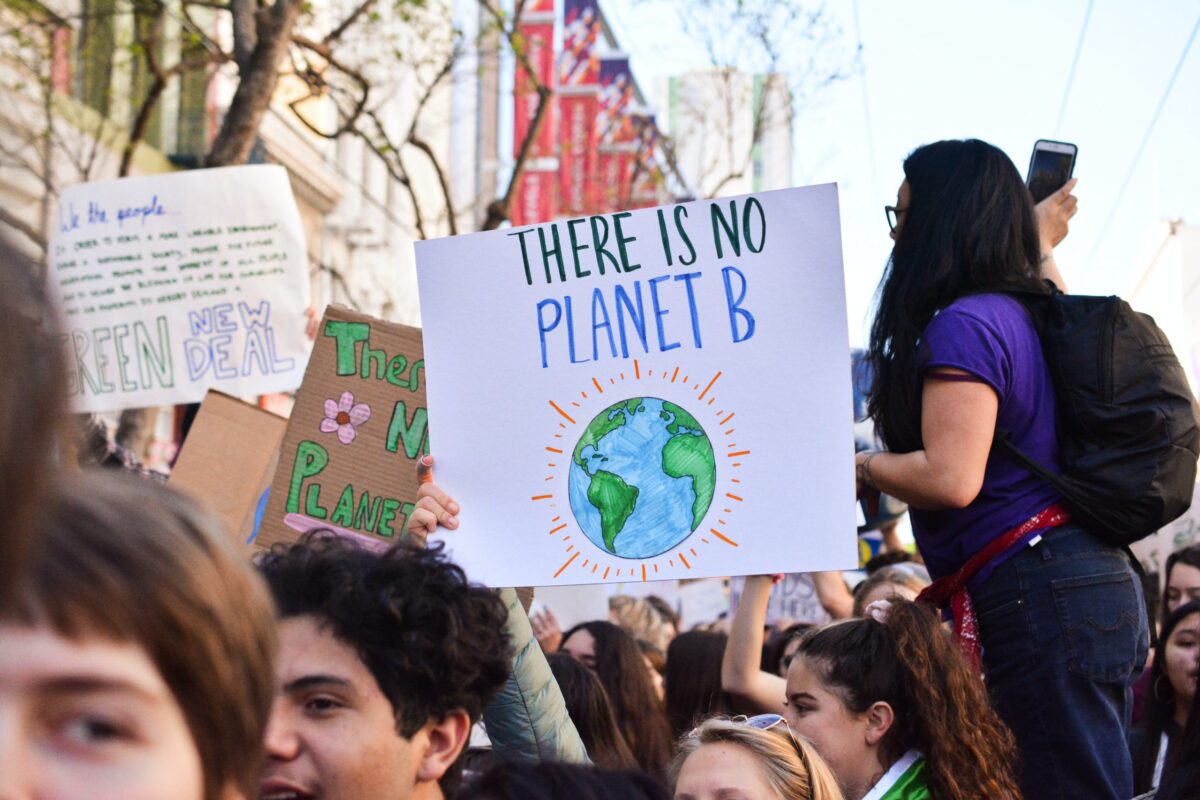
How to Save the Planet: Stop Economic Growth
11.19.21
After decades of inaction, humanity faces potential extinction through an ecological collapse of its own making.1 Climate change, ocean acidification, mass extinction, soil depletion, acid rain, rising seas, extreme weather, unstoppable wildfires, pollution, deforestation, and desertification would each be immense challenges for global governance individually—thecombination seems insurmountable, but because all share an underlying cause, there […]

COVID-19 Pandemic: Digital Financial Inclusion as Public Health Tool in Africa
10.11.21
Financial inclusion is a particularly serious issue in Africa. In 2018, only 43 percent of the population in Sub-Saharan Africa was financially included.1 The rate of financial exclusion is highest among the most marginalized communities: women, young people, and those with low levels of education, low-income and rural populations. The 2019 novel coronavirus disease (henceforth, Covid-19) […]
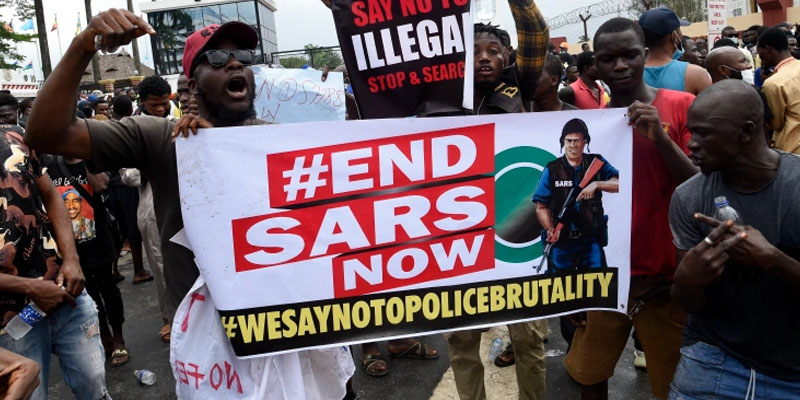
#EndSARS, #EndEverything and the Bitter-sweet Experience of Being a Young Nigerian in Nigeria
10.2.21
Background Nigerian youths have for too long been heartbroken, marginalized and ignored by the very system they elected to keep the peace, ensure progress, protect their lives, and promote their common interests. The #EndSARS movement which really began in 2017 took a dramatic turn in 2020, for several reasons, chief of which was the irresponsiveness […]

Narrowing the Divide: Addressing Inequities in California’s Electric Vehicle Infrastructure
08.28.21
Abstract: Electric Vehicles (EVs) provide environmental benefits to society while simultaneously providing direct health and financial benefits to drivers who adopt them. While California’s progressive state policies have accelerated EV adoption, historic bias continues to be embedded in California’s “CALGreen” building code — effectively delivering the most benefits of EV driving to already-affluent single-family homeowners, […]