
International Relations and Security
How do we create a more secure world? From cyber breaches to nuclear threats, how can policymakers mitigate the security challenges of our times?
Latest Article
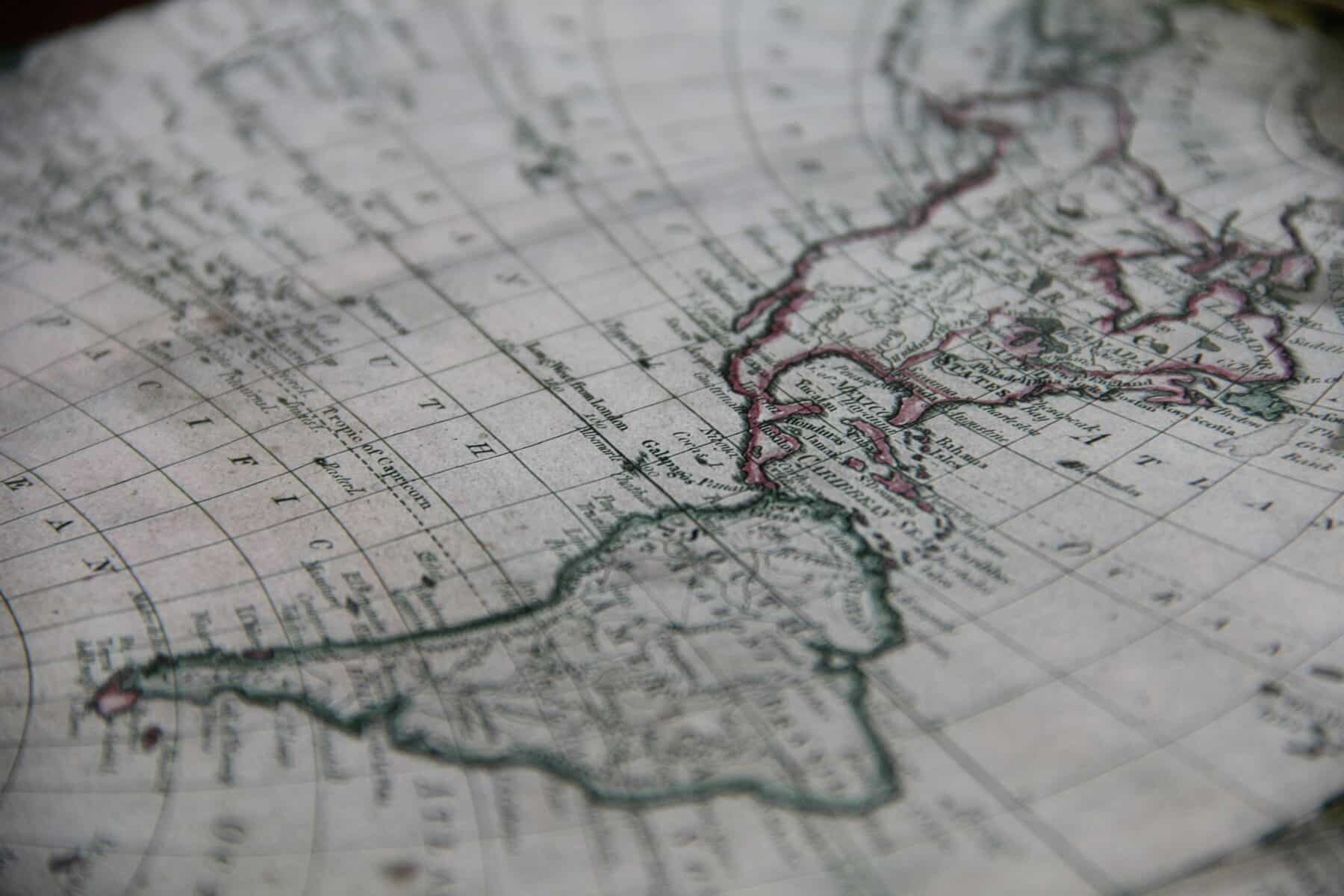
Why Marshall, Not Monroe, Best Serves U.S. Interests in Latin America
Power built through partnership, not dominance, is what will secure long-term leadership in the region.Explore all Articles
filter by–Region
filter by–Country
search by–Keyword
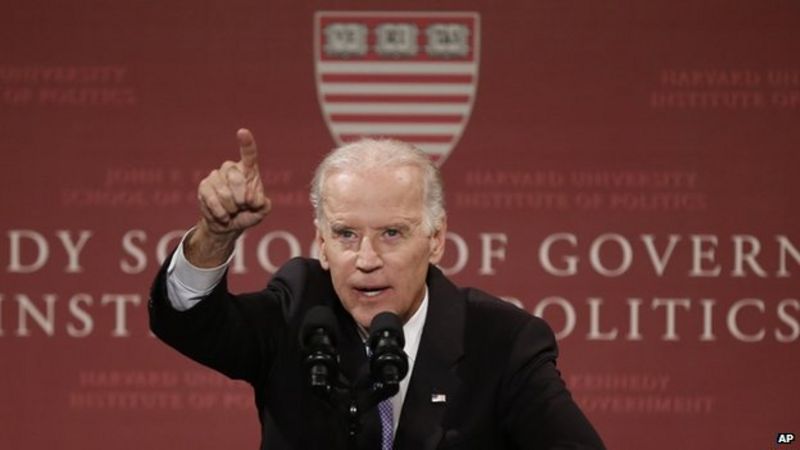
The Biden Administration and the Middle East: A conversation with Dr. Daniel Pipes
12.1.20
Photo: President-elect Joe Biden speaking at Harvard Kennedy School in 2014. Photo credit: AP Michael Johns was joined by Dr. Daniel Pipes to discuss the future of United States foreign policy in the Middle East under the Biden administration. Dr. Pipes holds both an A.B. and a Ph.D. from Harvard University, and taught at the […]

Letter to the Editor: Response to The Shangri-La Dialogue
11.23.20
Shaun Seah responds to our previous article by Jina Lim, The Shangri-La Dialogue: Ensuring Singapore’s Relevance in Defence Diplomacy. In his letter, he highlights the value of a virtualised format in increasing capacity, accessibility, and diversity of participation, with a view towards leveling the diplomatic playing field for smaller and developing states. He also points out the added benefit of such platforms in lending clarity to strategic clashes amidst the current volatile global environment.
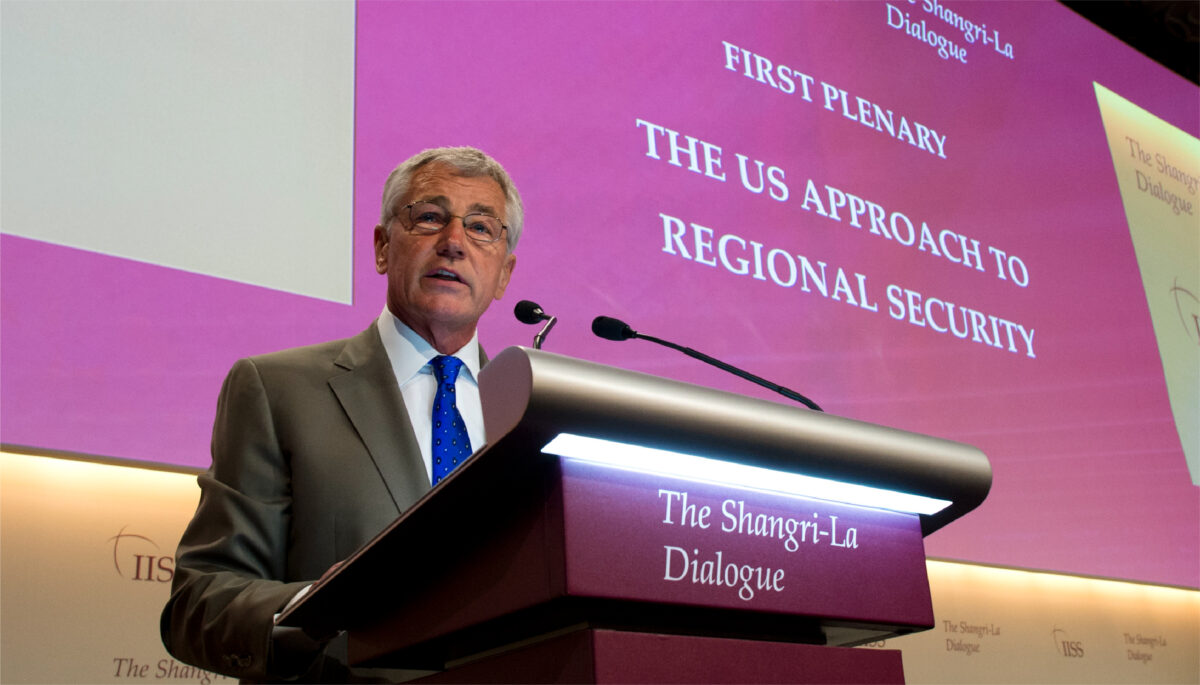
The Shangri-La Dialogue: Ensuring Singapore’s Relevance in Defence Diplomacy
11.8.20
COVID-19 has brought challenges to organizing large-scale events, not least diplomatic ones. In this article, Jina Lim explores the consequences of one such cancelled event through the ‘why’s and ‘how’s of organizing an alternative, and what it means for Singapore’s role in regional defence diplomacy.
The case of the United States Humanitarian Aid to Venezuela
10.22.20
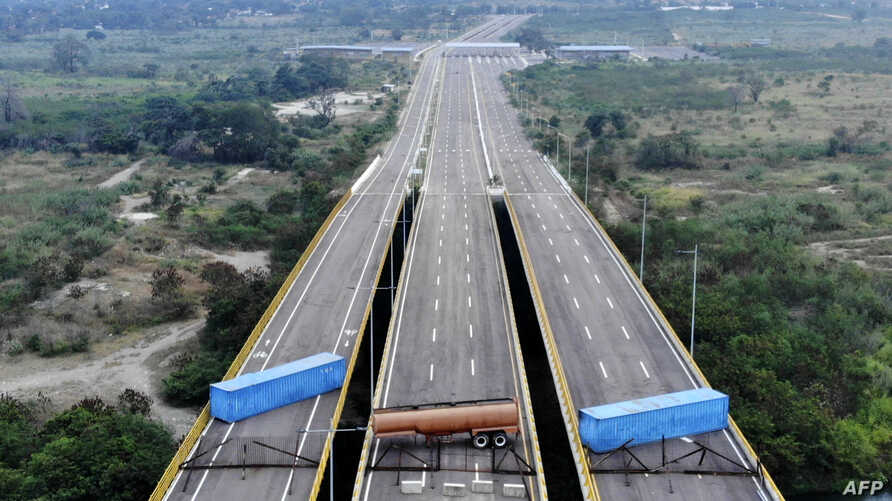
Declared as one of the worst humanitarian disaster in modern time[i], the global health crisis is further straining Venezuela. The country that lays on the world’s largest oil reserve, is unable to meet people’s basic needs of food, hygiene, and minimal protective equipment[ii] in times of a pandemic. To this end, on September 19, […]

Turkey’s Hagia Sophia Decision as Foreign Policy Signal
07.14.20
On July 10, 2020, Turkish President Recep Tayyip Erdogan signed an order which would allow the disintegration of Hagia Sophia’s museum status and turn it back into a mosque. Pro-government Turkish news outlet Yeni Şafak headlined the same day: “The West Goes Mad.” (Batı çıldırıyor) [1] With the signature of the Council of State’s memorandum […]

COVID-19 Could Force China to Accelerate the Reform of Its State-Owned Enterprises
06.12.20
The current COVID-19 pandemic has placed a stranglehold on the world economy, and China has been no exception. Significantly, these effects have rippled across many countries that have benefitted from China’s lending spree over the past two decades, and whose economies have now taken a plunge. Many, if not all, are now in desperate need […]

U.S. Immigration Policy Disproportionately Targeting Central Americans
05.26.20
What happens when a piece of a puzzle is lost? Can one still complete the puzzle? What about losing ten pieces? How many pieces can be lost until the puzzle can no longer be assembled? The U.S. immigration system is a complex puzzle that dictates the social, political, and economic integration of immigrants into American […]

Citizenship-Stripping as a Political Tool: A Comparative Perspective
04.27.20
Since the attempted coup on 15 July 2016, Turkish state authorities have engaged in what they characterize as a counterterrorism campaign against the political enemy they blame for the attacks: the expatriate cleric and government critic Fethullah Gülen, as well as hundreds of his followers who fled the country. The Turkish government still maintains that […]
From Prudence to Recklessness: Erdogan’s Risky Plays with International Law
02.28.20
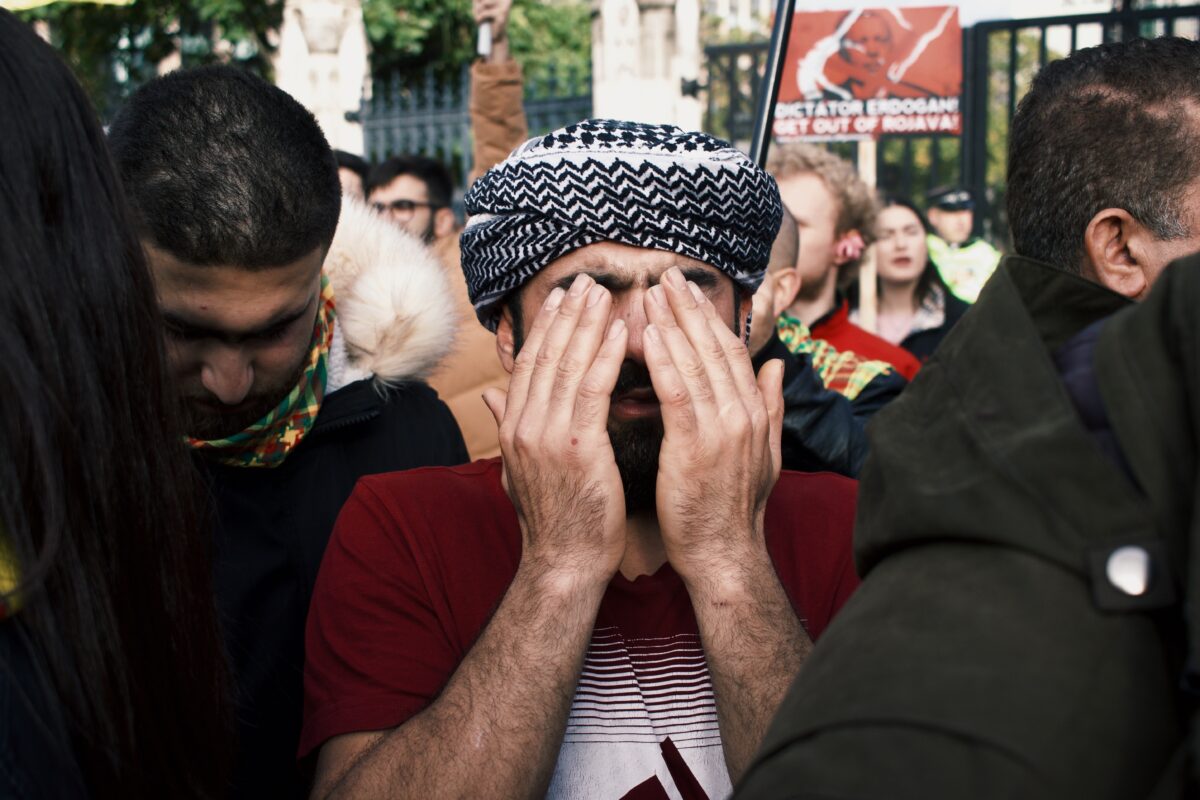
Amidst abundant signs of turmoil and challenges in Turkey’s seemingly rudderless foreign policy, the country apparently needs a more diplomatic approach and legal expertise in international law rather than aggressive military posture in its immediate vicinity. As Turkey lurches into one crisis after another in the Eastern Mediterranean and the Aegean Sea, the prudent invocation […]

F-35s Are Not A Magic Weapon: Why Taiwan Should Admit Conventional Military Defeat To Defend Its Sovereignty
02.25.20
Time is running out for Taiwan. Under the leadership of Chinese Communist Party (CCP) Chairman Xi Jinping, the People’s Republic of China (PRC) has been increasingly aggressive in both poaching Taiwan’s few remaining diplomatic allies and using the growing proficiency of the People’s Liberation Army (PLA) for messaging the inevitable: reunification with the mainland.[i] Xi […]
The Management of Threats in Singapore: Civil-Military Integration
01.3.20
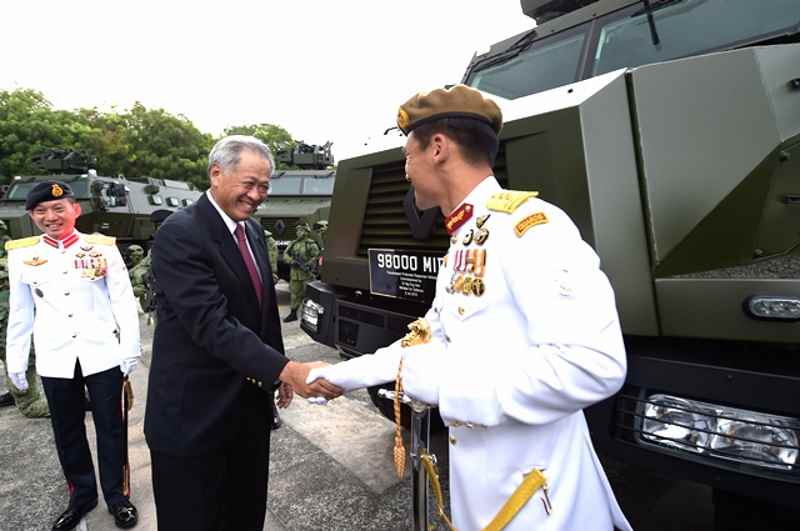
In this paper, Isaac Neo explores why Singapore’s historical experience with high levels of internal and external threat have not resulted in degraded civilian control over the military, despite existing Civil-Military Relations models predicting such an outcome. He argues this is due to the effective demarcation of responsibility between civilian institutions and the Singapore Armed Forces, along the lines of internal and external threat management. This is reinforced by the subordination of the military to a broader notion of security through the Total Defence framework. Lastly, there is a sustained effort to civilianise the military sphere, through National Service and other administrative structures.
Borrowing a Column from Thomas Jefferson: The Architecture of National Security Risks
12.27.19
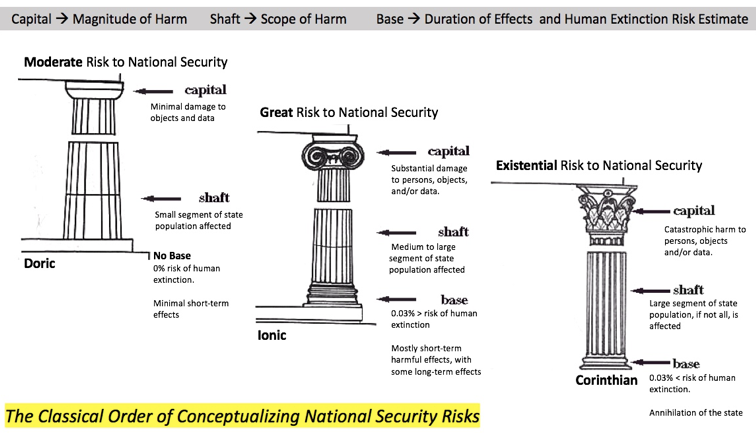
In exploring what constitutes an existential risk – something that threatens the extinction of intelligent life – we evaluate the significance of an electromagnetic pulse (EMP) threat both naturally occurring and manmade.
What challenges come with a more interdependent world?
What happens at the intersection of business and government?

How is technology changing the public sphere?
Social Innovation and Philanthropy
Can social innovation help solve public challenges?