
International Relations and Security
How do we create a more secure world? From cyber breaches to nuclear threats, how can policymakers mitigate the security challenges of our times?
Latest Article

Why Marshall, Not Monroe, Best Serves U.S. Interests in Latin America
Power built through partnership, not dominance, is what will secure long-term leadership in the region.Explore all Articles
filter by–Region
filter by–Country
search by–Keyword
Building Shared Resilience in the EU and Ukraine as a Path to Counter Russia
01.20.22
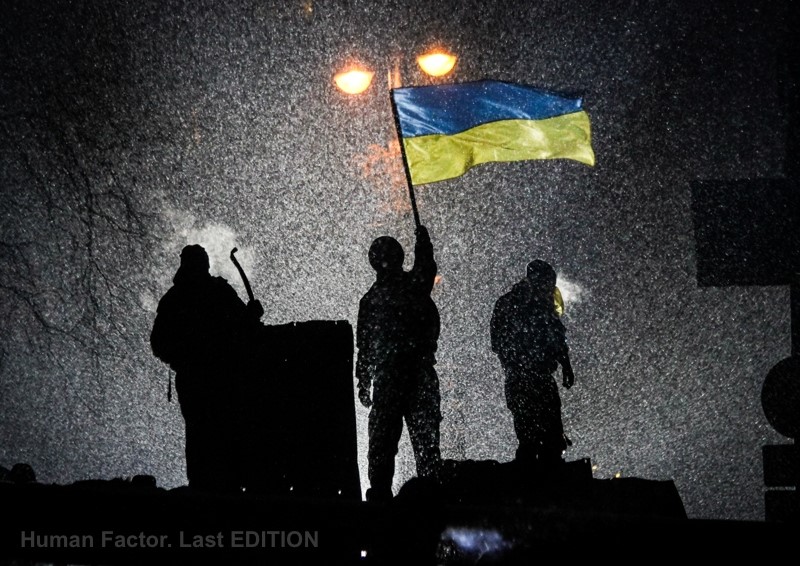
The best strategy for the EU and NATO to contain Putin’s regime is by focusing on strengthening Ukraine’s resilience and making Ukraine a successful state. In creating more economic opportunities and prosperity in Ukraine, the West will stimulate the Russian people to demand better living conditions for themselves.
The Peaceful Rising of the Silent Dragon in the Middle East
12.17.21
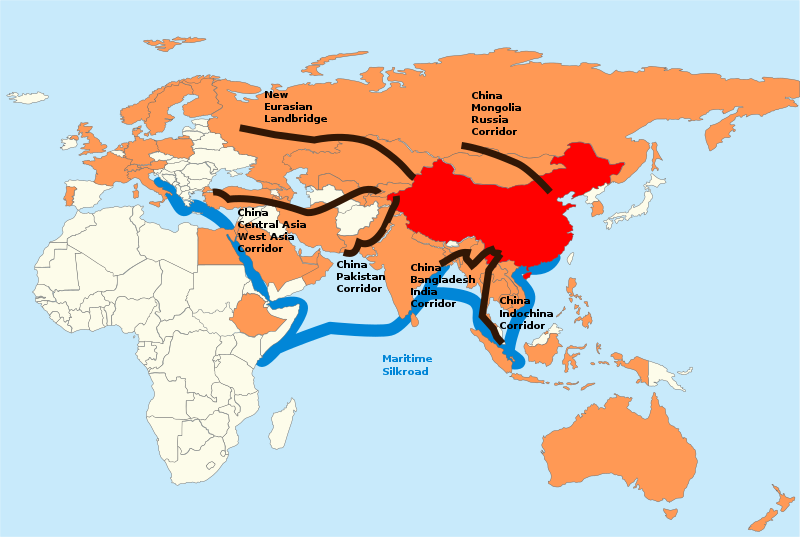
Arman Mahmoudian examines the return of great power competition in the Middle East and China’s role within the region.

Deepfakes: The Implications of this Emerging Technology on Society and Governance
12.11.21
Luke Seow argues that Singapore is currently not well positioned to deal with the emergence of deepfake technology, and that this poses significant risks for national security and social cohesion. He highlights gaps in the current legislative framework, as well as lessons that can be drawn from other countries’ approaches to combating this emerging challenge. He then makes policy recommendations for Singapore to mitigate the potential dangers of deepfake technology.

Kuwait’s Position in the Gulf-Lebanon Diplomatic Row
12.6.21
Giorgio Cafiero analyzes the diplomatic row between four Gulf Cooperation Council (GCC) members and Lebanon and how it represents new challenges and severe complications for Beirut.
Like Afghanistan, U.S. withdrawal from Somalia signals conflict fatigue, with potentially serious consequences for East Africa
12.3.21
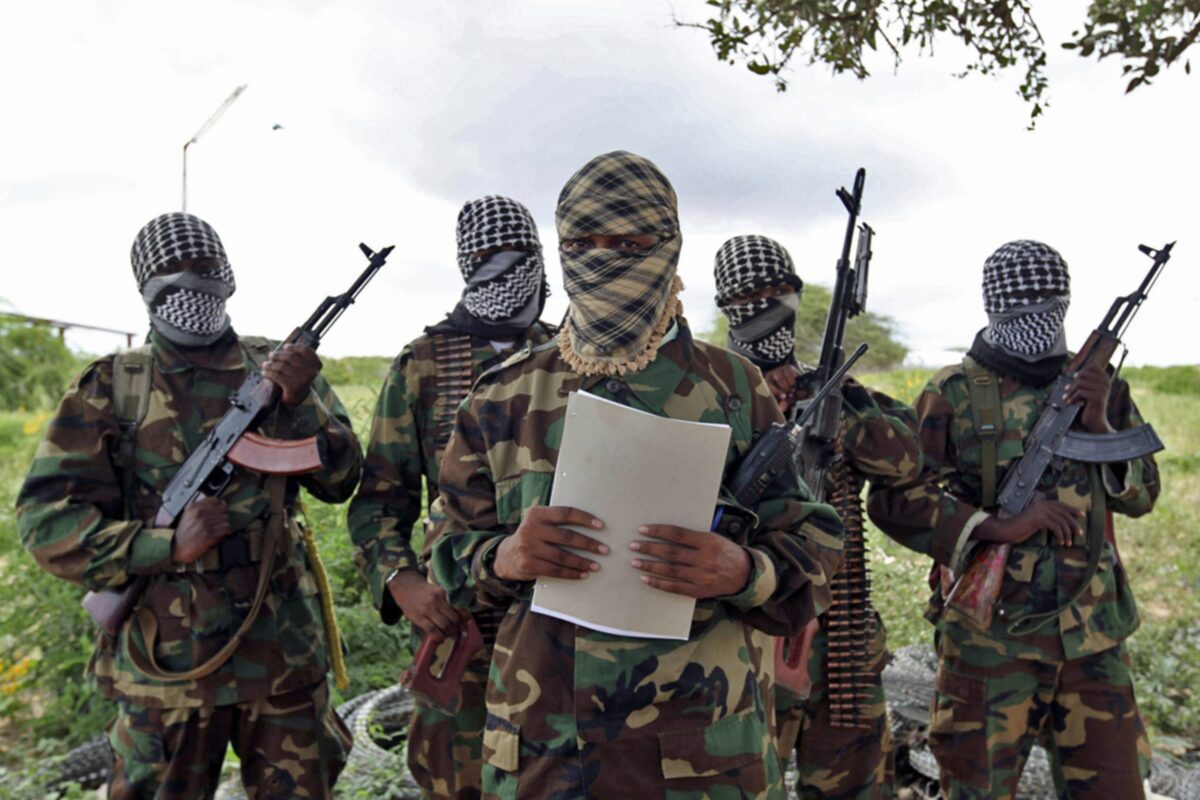
By Kevin Uniacke Former U.S. Ambassador Ryan Crocker recently led a Zoom speaking engagement at the Harvard Kennedy School. The Ambassador discussed the consequences of the 2021 U.S. withdrawal from Afghanistan, drawing on his extensive diplomatic experience as a Foreign Service Officer for over 37 years and an Ambassador to Afghanistan, Iraq, Kuwait, Lebanon, Pakistan, […]
Turkey-West Relations: The Escalating Crisis of Trust and Path Dependency
11.23.21
Oya Dursun-Özkanca examines the post-2019 developments in Turkey-West relations and argues that there is increasing use of boundary-breaking intra-alliance opposition process, creating a dangerous path dependency.
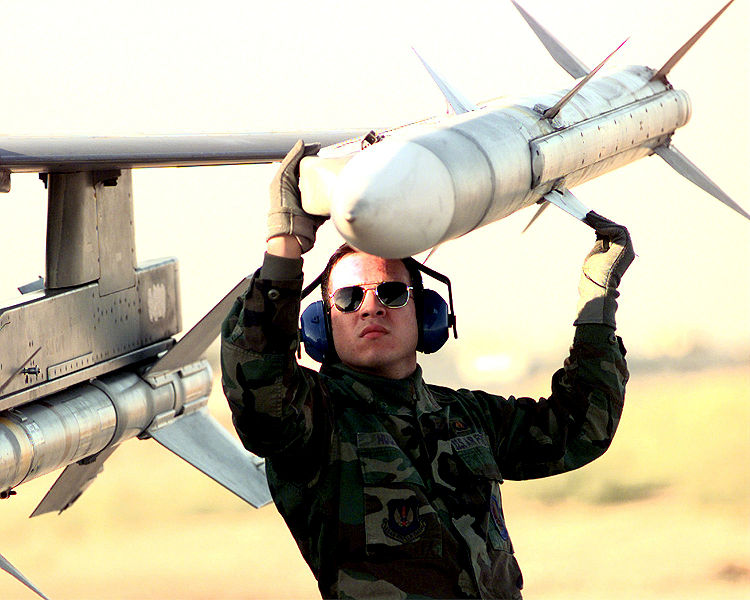
Open Letter: Against the Sale of U.S. Arms to Saudi Arabia
11.22.21
As a candidate, Joe Biden promised a values-based U.S. foreign policy towards Saudi Arabia. Less than a year into his presidency, Biden’s administration has abandoned that promise by resuming arms sales to Saudi Arabia, justifying the decision by saying the weapons do not support Saudi “offensive operations.”
What We Ignore, We Empower: Five Decades of Despair Under the Assad Regime
03.12.21
JMEPP’s 21st edition, Middle East Beyond Borders: Empire, Diaspora, and Global Transitions for spring 2021 offers its first preview of the edition with an article by Harvard alum Oula A. Alrifai, of Harvard’s Center for Middle Eastern Studies, herself a Syrian and scholar of regional developments regarding Syria. Here she commemorates a decade of dictatorship and terror in Syria […]

Ace in the Hole: Private Sector Innovations for Naval Reserve Talent Management
02.16.21
The United States Naval Reserve has always been a pool of talent supporting the active force; now, in an era of Great Power Competition, it must innovate its manning policies if it wants to stay that way.

Recommitting to America’s Alliances Means Remaining Committed to American Spacepower
02.11.21
Investment in space is the key to American prosperity, diplomacy and security. The Biden administration should continue support for the Space Force and the private space sector.
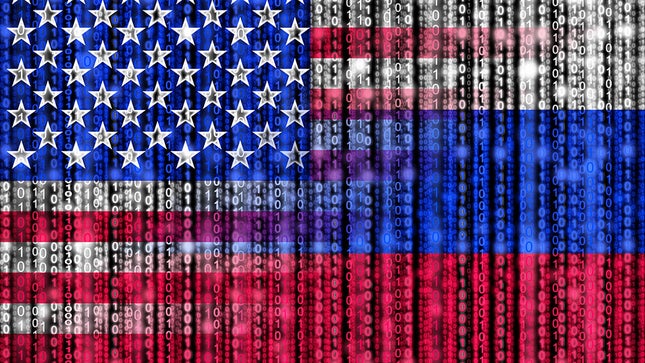
The Bifurcation of International Cyber Norms: Navigating the Space In-Between
01.26.21
In this article, Lionel Oh discusses the concerning trend of bifurcation in the development of international norms governing the cyber domain, driven by tensions between major powers and competing visions of cyberspace. He outlines the diplomatic challenges that Singapore faces in light of such divergence, and explores how Singapore might continue to further her foreign policy interests amidst this splintering global landscape.
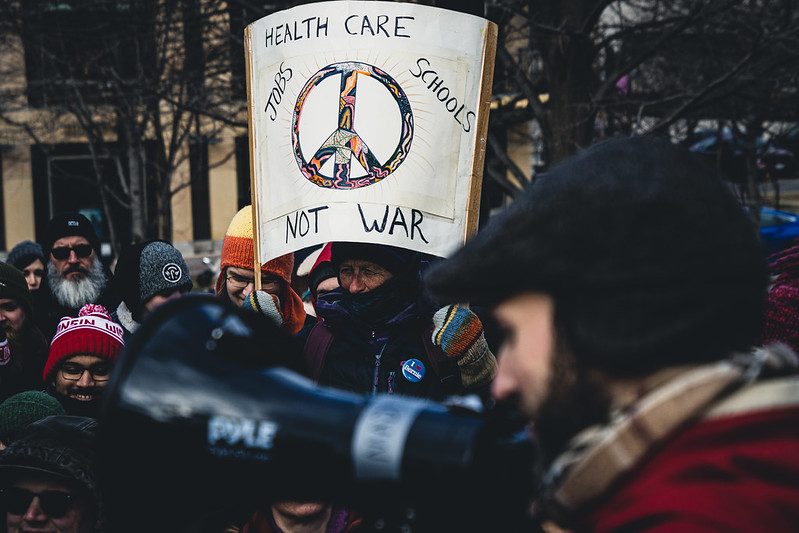
“Dignity, not Domination”: Imagining a Progressive U.S. Foreign Policy
12.18.20
What should a progressive U.S. foreign policy look like? Is such a thing even possible? Panelists sought to answer this and more in the first Progressive Caucus event of the Fall 2020 semester.
What challenges come with a more interdependent world?

What happens at the intersection of business and government?

How is technology changing the public sphere?
Social Innovation and Philanthropy
Can social innovation help solve public challenges?