Environment and Energy
How can governments create environmentally sustainable energy policies that are feasible technologically and politically? How can policymakers best navigate the tensions between science and politics?
Latest Article
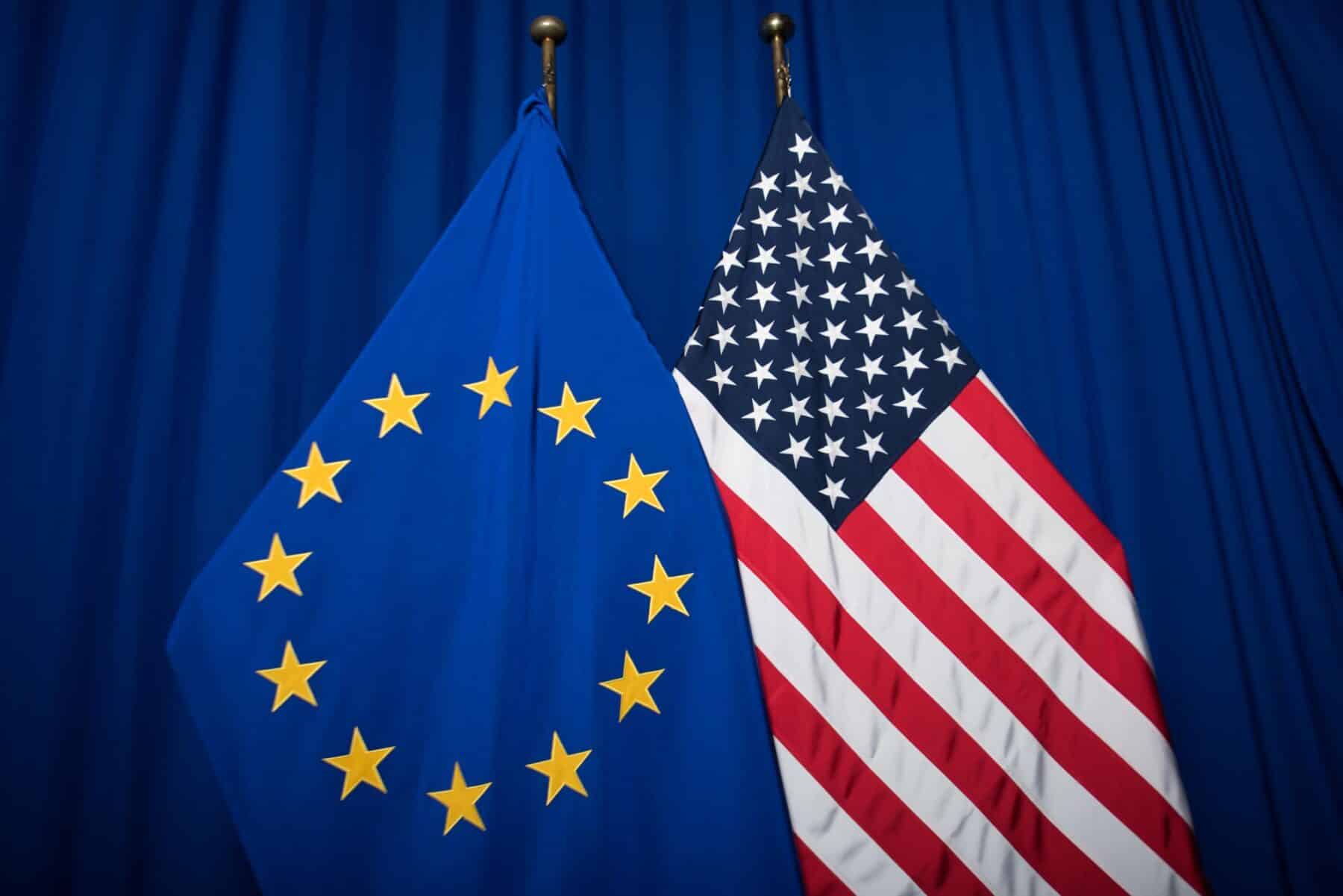
The Transatlantic Alliance Isn’t Dead. Treating It That Way Could Make It So.
The transatlantic alliance is increasingly described today in terms of decline, rupture, and even collapse.[1] Political leaders and commentators on both sides of the Atlantic have openly questioned whether the relationship can endure in its current form. From warnings that it is “broken” to claims that it is effectively “over,” the narrative of a fading […]Explore all Articles
filter by–Region
filter by–Country
search by–Keyword
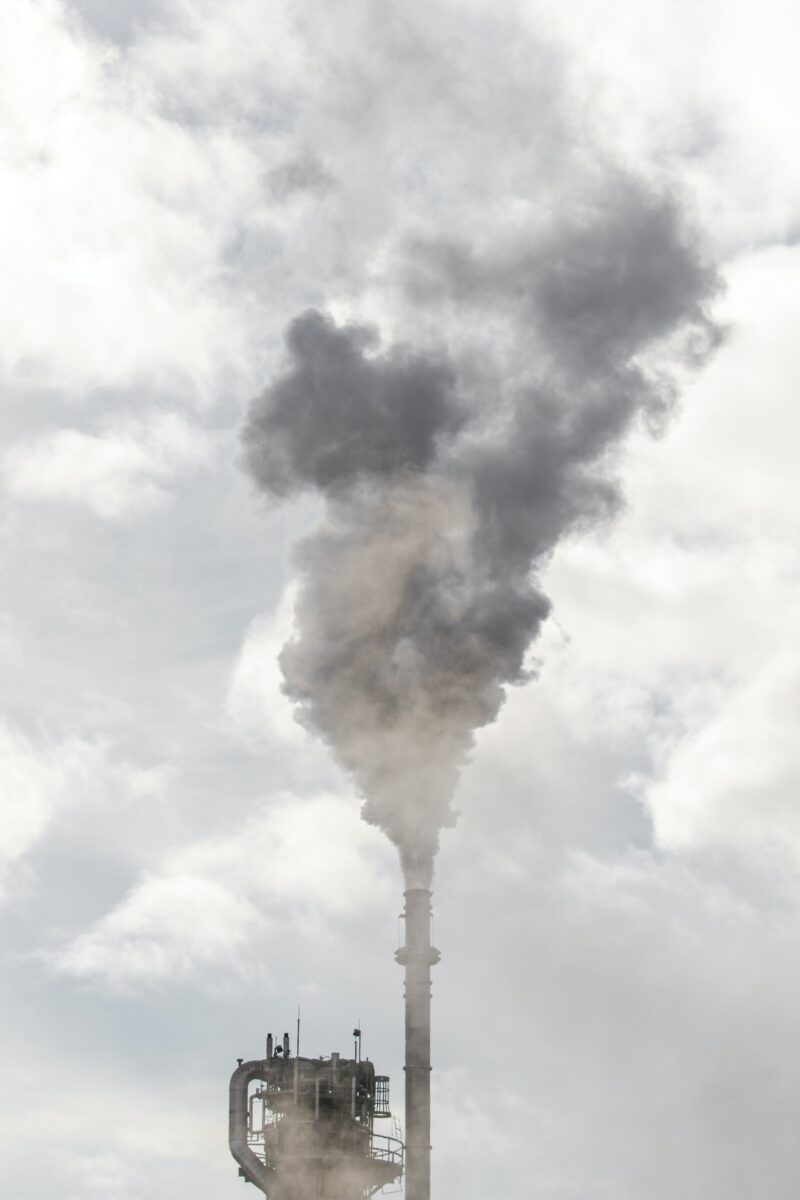
Why the Recent Proposals to Solve the Climate Crisis Fall Short
09.24.20
The accumulation of greenhouse gases (GHGs) has now made emission control obsolete as the framing idea for a climate change remedy, as the climate crisis is no longer primarily an emission problem — it is now a concentration problem.

Beyond Plastic Recycling: A look at Extended Producer Responsibility in Singapore
09.7.20
Singapore’s current efforts in managing plastic waste are mostly focused on downstream measures, but the broader issue of plastic consumption continues to require action upstream. Ensuring responsible production processes, through policy regulation, can help to promote general reduction of plastic waste and environmental impact. To that end, Woo Qiyun spotlights the role of an Extended Producer Responsibility scheme in Singapore, to increase the accountability of corporations and government.
Can Farmers Save Our Food System?
05.14.20
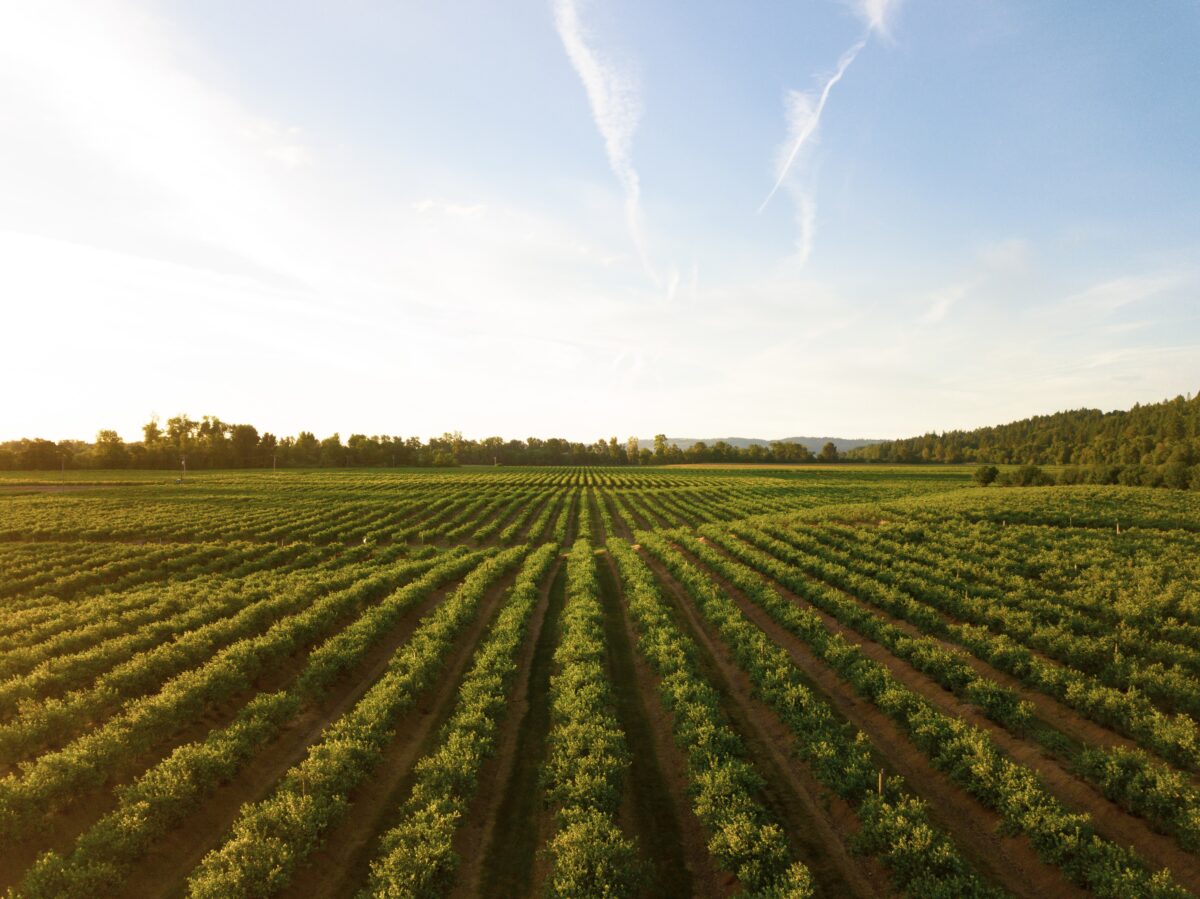
Diet-related diseases are the leading cause of death in the United States. Poor diet is associated with ailments such as heart disease, cancer, and Type 2 diabetes, which together kill nearly 678,000 Americans annually — a number that far exceeds current projected deaths from COVID-19 in the U.S.[i] Having worked in both the farming and […]

The Peace Corps and Climate Change
04.30.20
On March 15, 2020, the Peace Corps announced the global suspension of all programs and the evacuation of all Volunteers – for the first time since John F. Kennedy founded the organization in 1961, no Peace Corps Volunteers are currently serving abroad. The Peace Corps reassuringly stated, “We are not closing posts, and we will […]
Rising Seas, Sinking Infrastructure: Miami’s Climate Conundrum
04.29.20
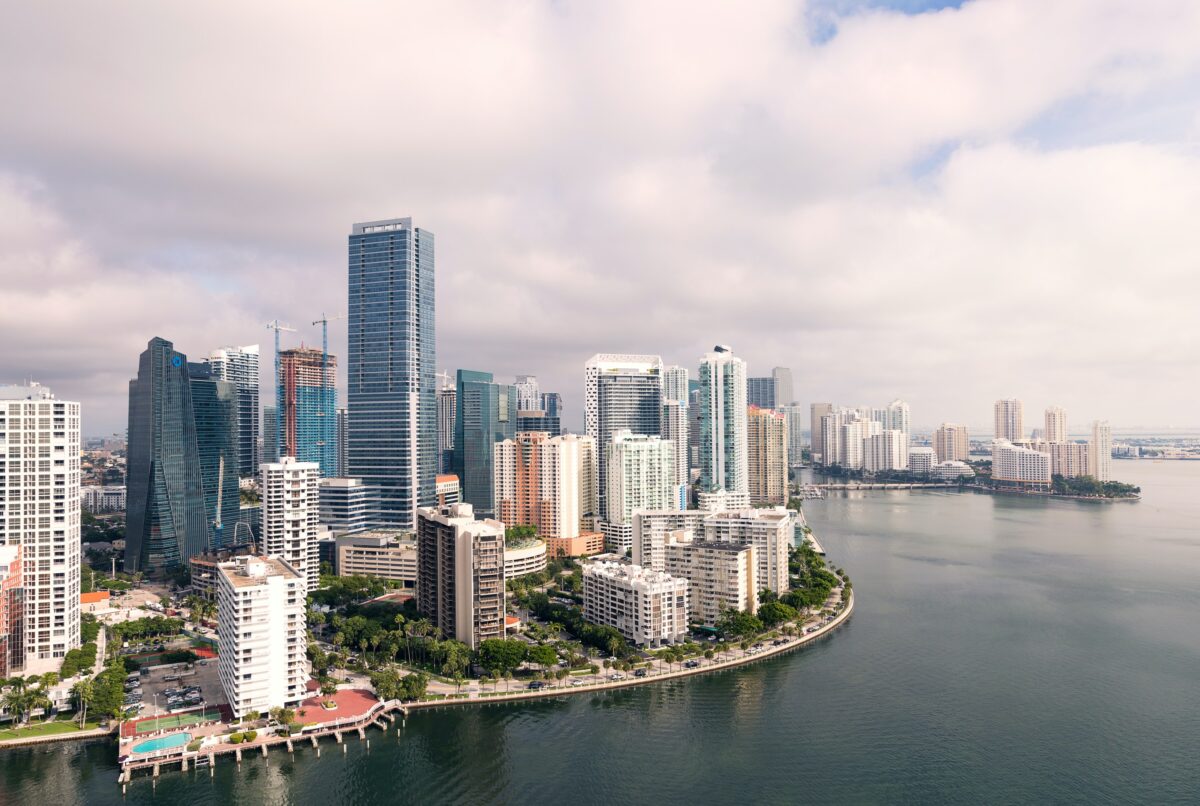
Two miles across the water from Miami’s glamorous beaches and luxury apartments lies what is perhaps the city’s most important but underappreciated waterfront property – the Central District Wastewater Treatment Plant. Donning hardhats and reflective vests, a team of Harvard Kennedy School environmental policy fellows toured this lesser-known side of Miami. The facility is operated […]

Strategic Environmental Assessment and the Sustainable Development of a Ghanaian Integrated Aluminum Industry
08.19.19
In Ghana, President Nana Akufo-Addo’s Integrated Aluminum Industry Plan (the “Plan”) has sparked a contentious debate about how to exploit bauxite – the primary ore used to make aluminum – in a manner that will not jeopardize the country’s sustainable development. The Plan calls for the construction of mines to triple bauxite output, facilities, such […]
Think Global, Act Local: European Cities on the Front Lines of Climate Action
08.13.19
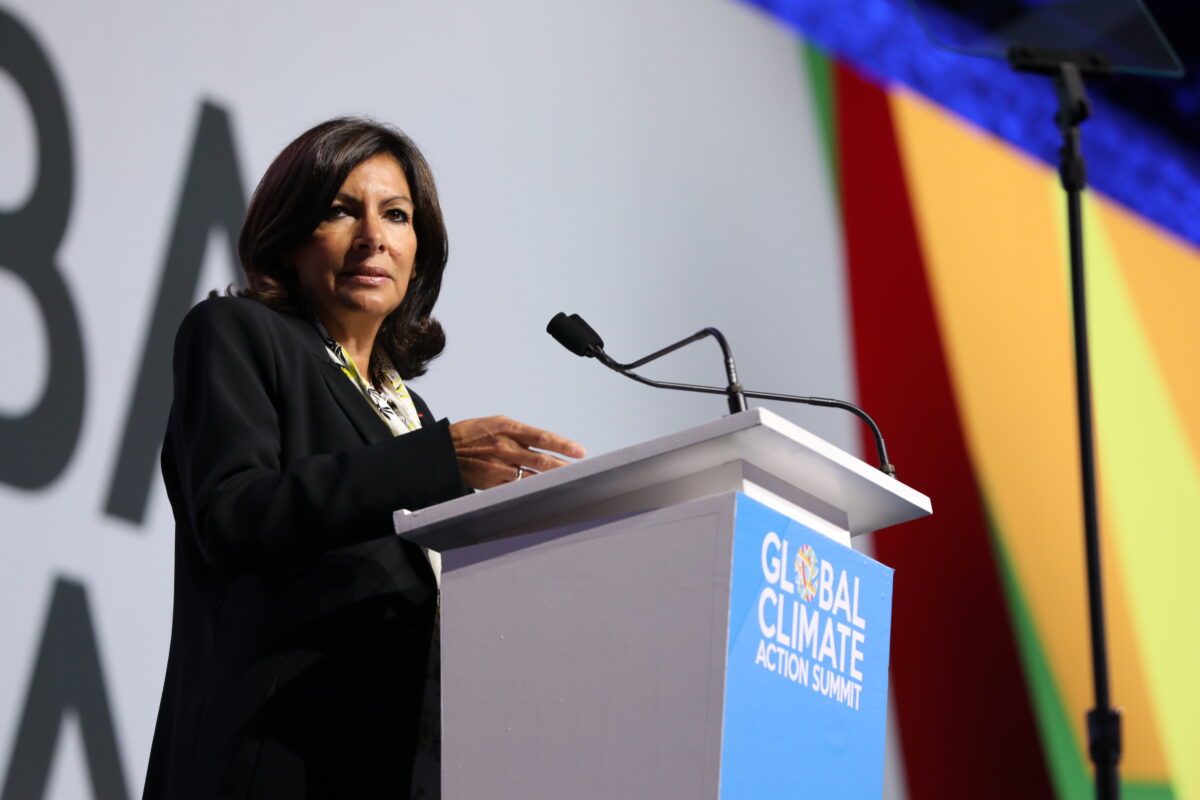
Upon her election as chair of the C40 Cities Climate Leadership Group in 2016, Paris Mayor Anne Hidalgo declared, “C40 member cities are determining the course of our planet’s future.”[1] (C40 is a group of more than 90 cities organized to combat climate change at the municipal level.[2]) Indeed, as societies become increasingly urbanized, the […]
The Sustainable Projects Management Office
05.3.19
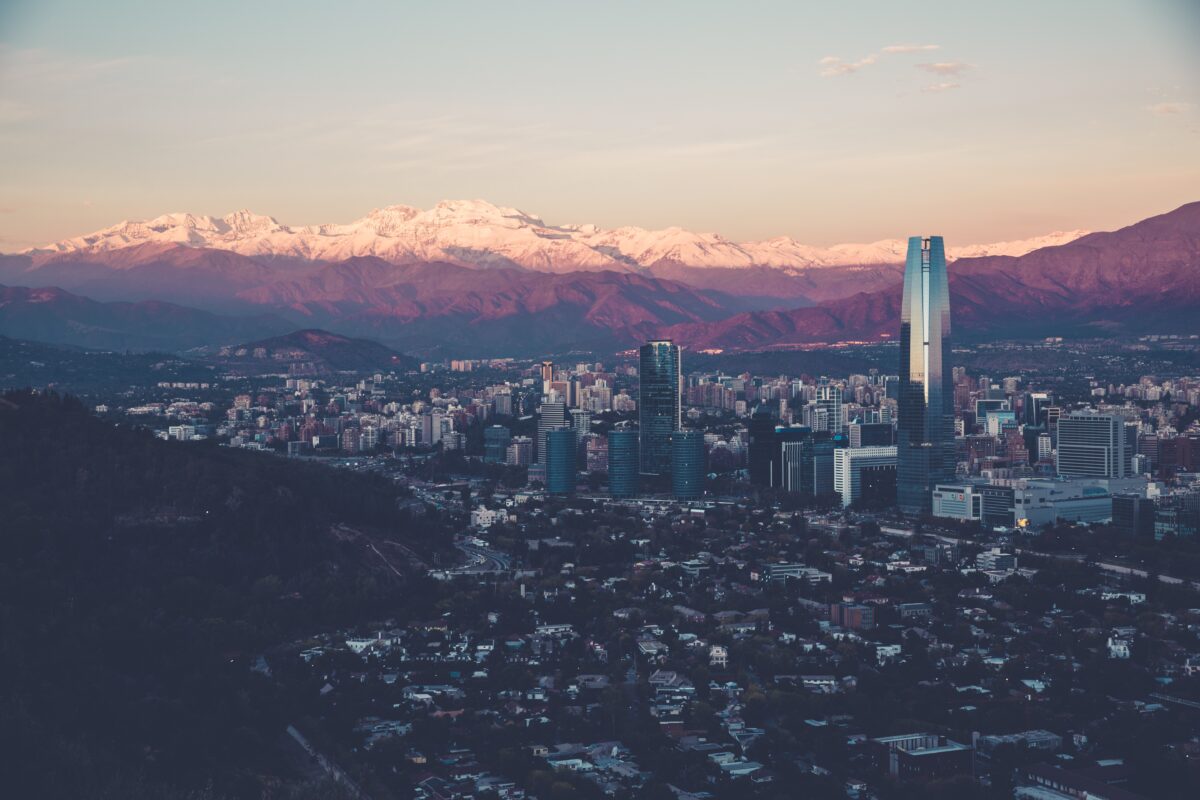
Large investment projects are a source of economic and social development for countries. They increase the national income, are a source of employment, stimulate the local economies where they are located, and generate tax revenues for government. However, investment projects can also generate negative impacts on the environment, in the local communities, or in patrimonial […]
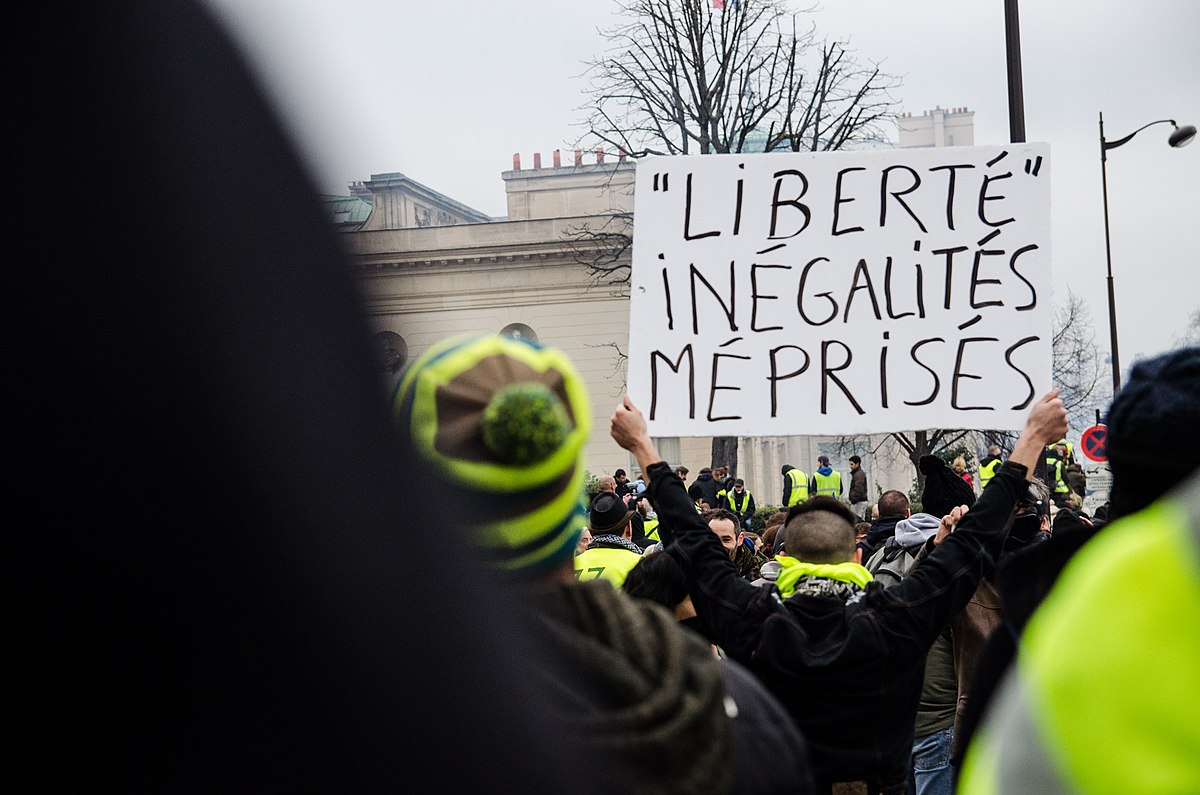
Underneath the “Yellow Vests” Movement in France: Great Confusion, a Cultural War, and Many Questions
02.7.19
BY HENRI BREBANT January 19th was the 10th consecutive Saturday that the “Yellow Vests” protested in France. The movement started in October 2018 with a viral video, a change.org petition and some Facebook events that pushed 290,000 people[i] into the streets and onto the roundabouts. Unstructured and distancing itself from political parties and unions, the […]
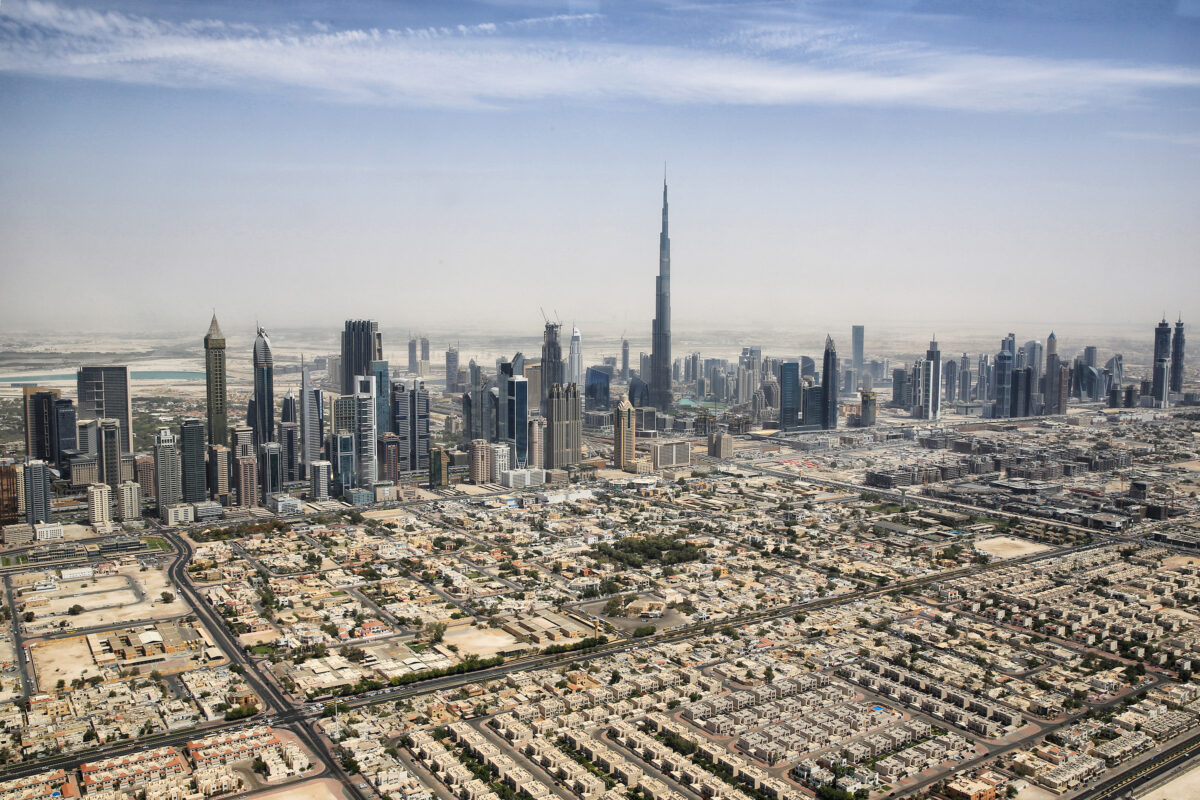
Event Review, 2018 Annual Harvard Arab Conference: Technology and innovation: Inseparable couple?
01.4.19
Technology and innovation have the potential to ameliorate an impending regional energy crisis while creating space for young people to flourish.
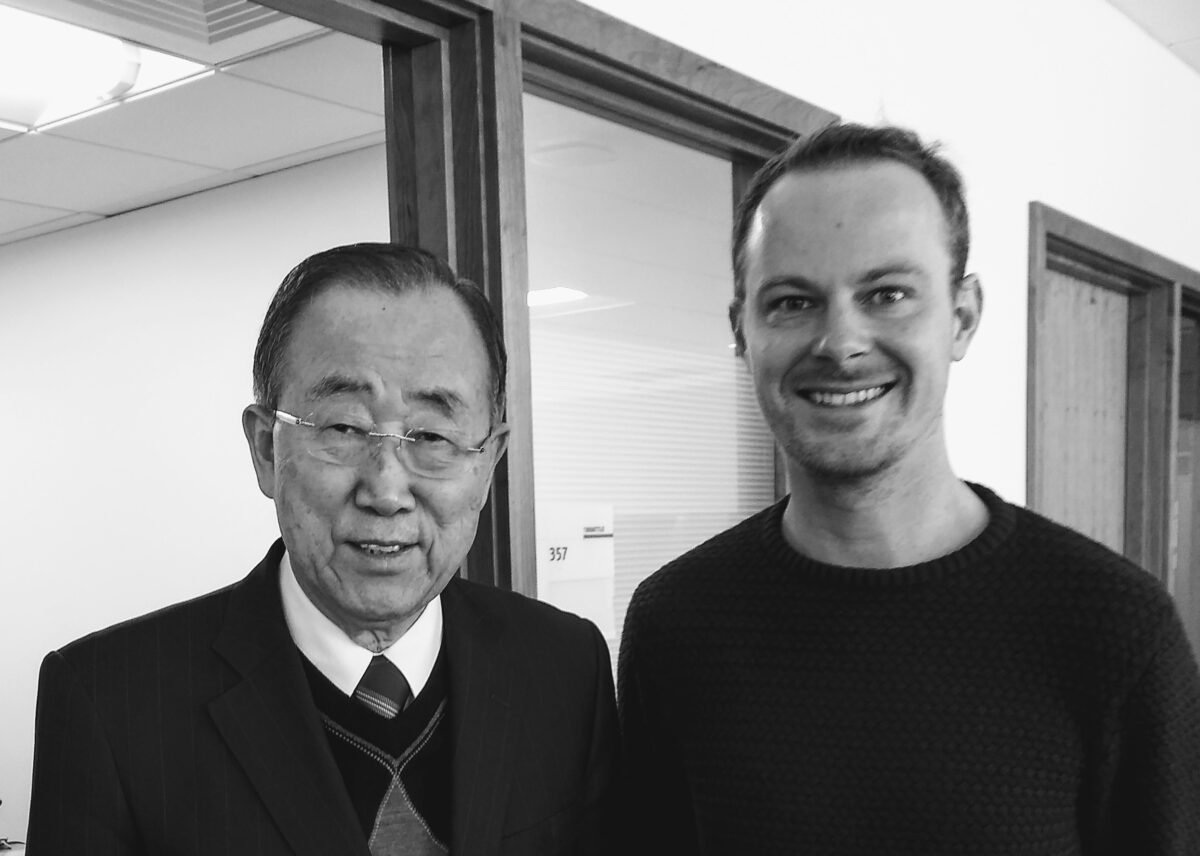
Ban Ki-moon: United States acted irresponsibly withdrawing from the Paris Agreement
11.9.18
This is the third episode of our audio interview series. In this episode, Kai speaks to former UN General Secretary Ban Ki-moon. Mr. Ban speaks on his take on climate adaptation, Paris Agreement, the plight of Myanmar, and the human right abuses in North Korea as well as his personal experience working as a civil servant during […]

Opposition to GMOs is Making the World Hotter and Hungrier
10.1.18
BY GRIFFIN SMITH The world in 2100 will look and feel like a different place than the one we know today. The global population is projected to rise by three billion people—the population of more than two new Chinas. At the same time, extreme global weather events, precipitation variability, and mean temperatures will also increase. […]
Can we build better cities?

What should government's role be in providing healthcare?

What are the most crucial human rights issues of our time?
How is technology changing the public sphere?