Public Finance
When should the government intervene in the economy, and to what extent? What factors influence policymaking around taxes, regulation, and trade?
Latest Article

How Can Nigeria Divert Remittance Flows to Formal Channels?
Remittances play an instrumental role in Nigeria’s economy, yet, an estimated 50% of remittances are channeled through informal networks. Newly proposed strategies can enhance Nigeria's remittance flows through formal channels.Explore all Articles
filter by–Region
filter by–Country
search by–Keyword
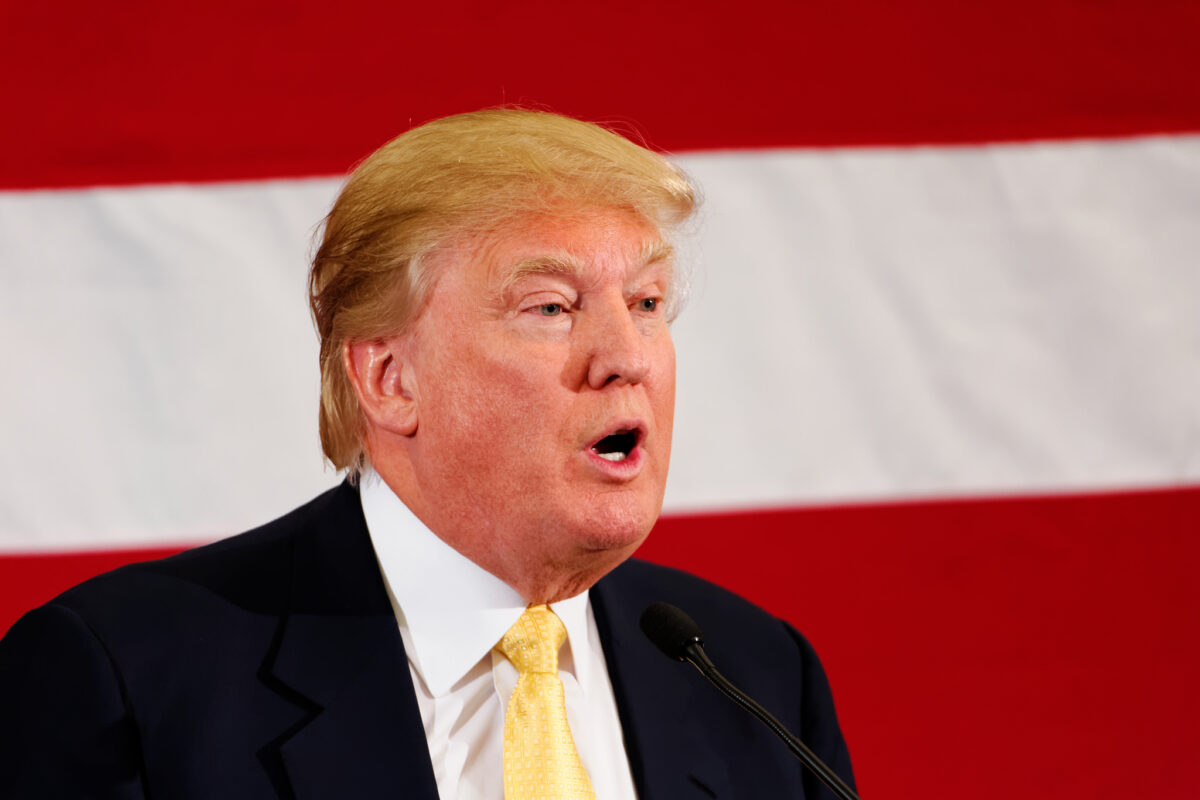
Make Deficits Great Again? Why Trump’s Fiscal Policy Would Hurt America
08.4.16
BY ANDREAS WESTGAARD For years, the Republican Party’s foundation has solidly rested on a three-legged stool of social conservatism, interventionist foreign policy, and fiscal moderation. Remarkably, the current Republican nominee for president, Donald J. Trump, does not espouse any of these values, deviating from what the Reagan Revolution set in stone more than three decades […]

Sweet Nothings: The History, Law, and Economics of American Sugar Subsidies
03.18.16
BY KARL T. MUTH AND KATHERYN R. DEVELVIS What sugar we see in candies and packets at restaurants pales in comparison to that which we do not see in processed foods and drinks. Likewise, the prices we pay for sugar at the grocer’s counter are only the tip of the iceberg compared to the camouflaged […]
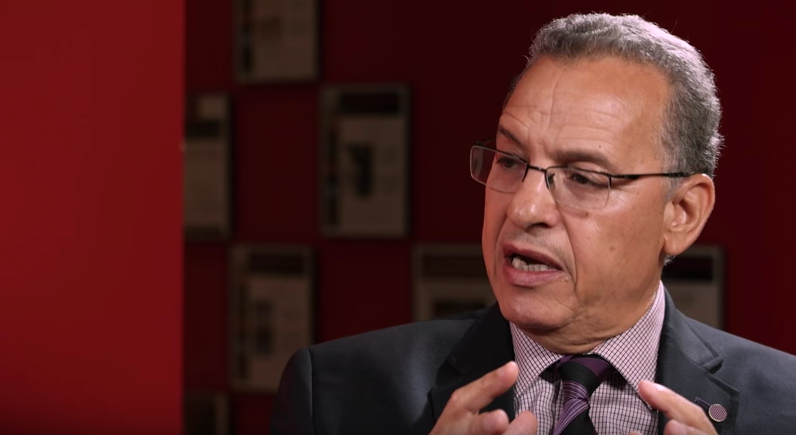
Interview with Minister Hedi Larbi: International Monetary Institutions and Reform in Tunisia
01.8.16
In Fall 2015, JMEPP Co-Editor-in-Chief Kristin Wagner interviewed Hedi Larbi, Former Minister of Economic Infrastructure and Sustainable Development and a visiting scholar at the Middle East Initiative at Harvard’s Belfer Center. Below is an excerpt from the interview on the role of international monetary institutions in contributing to Tunisia’s future prospects. Other topics covered include measuring Tunisia’s success […]

Social Finance: Sorting Hope from Hype
08.9.14
BY JULIA FETHERSTON ADAM SMITH WOULD HAVE BEEN mystified by the bankers, government officials, analysts, and activists assembled in the City of London for the inaugural G8 Meeting on Social Impact Investment, a meeting convened at the behest of U.K. Conservative Party Prime Minister David Cameron. Smith, the pioneer of free market political economy, wrote […]

Inside the Middle East: Interview with Raed Charafeddine on Lebanon’s Economy
04.14.14
In this installment of “Inside the Middle East: Q&A,” Raed Charafeddine, First Vice-Governor, Central Bank of Lebanon, discusses the job market in Lebanon and the Middle East and the role of financial institutions in the region. Mr. Charafeddine also gave a public lecture at the Middle East Initiative on April 14, 2014. The paper from […]

Morocco: A New Financial Capital?
02.3.14
It would be sad if the Arab Spring cemented more turmoil than it sought to end. But the current state of politics in post-Arab Spring, specifically Tunisia and Egypt, suggests things could worsen before they improve. Ongoing security concerns in Libya and the not-so-forgotten hostage situation in Algeria has further caused chaos in the North […]
Dodd-Frank, Bailout Reform, and Financial Crisis Ambiguities
05.2.13
BY PETER GRUSKIN The financial crisis of 2007-2008 forced U.S. President Barack Obama and his administration to reconcile with the need to “re-regulate” the financial markets. According to the president, the 2010 Dodd-Frank Wall Street Reform and Consumer Protection Act gave the administration much of what it was seeking, but the legislation has also left […]
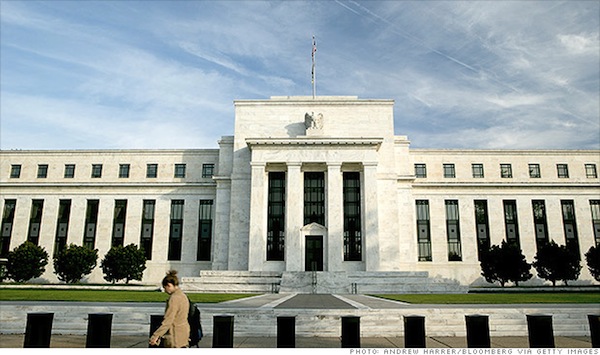
Misdiagnosis and Malaise: Why the Fed Has Failed to Aid the Job Market
05.2.13
BY LAUREN PAER In September 2012, the U.S. Federal Reserve announced the third round of quantitative easing (QE3) since the onset of the financial crisis. Quantitative easing refers to the Federal Reserve’s policy of digitally printing dollars to buy long-term bonds and mortgage-backed securities (MBS) to drive interest rates down. In contrast to previous rounds […]

Beyond Just Credit
12.10.12
BY SHLOKA NATH Driving from Rae Bareli to Amethi, two districts in the northern Indian state of Uttar Pradesh (UP), you will be hard pressed to find evidence of India’s strident economic progress. Everywhere you turn, roads are terrible, electricity is sparse and poverty and destitution run deep. With more than 200 million people, UP […]

View from Main Street: The Case for Financial Reform
04.1.12
BY MARK TRUMAN In early 2009, I attempted to secure a loan through a new federal program designed to help entrepreneurs improve their cash flow by consolidating outstanding debt. As a cash-poor but profitable enterprise, my tutoring business, Omniac Education, seemed to be a perfect candidate for the program. Although we sometimes had trouble making […]

Smart Stimulus Amid Deepening Debt: Future-Flow Tax Credits
04.1.12
By William Werkmeister This article was originally published in the 2012 edition of the Kennedy School Review. Entering 2012, the world finds itself in a precarious financial position. In January of this year, the World Bank released its new economic outlook, warning of a global, double-dip recession. “An escalation of the crisis would spare no […]
How can we strengthen democracies and civic engagement?
What happens at the intersection of politics and policy?

Public Leadership and Management
What will it take to restore public trust in leaders?

How is technology changing the public sphere?