Explore all Articles
filter by–Region
filter by–Country
search by–Keyword

Having a Baby as a Kennedy School Student
10.30.17
Photo credit: Suhyeon Choi on Unsplash By: May Chengnan Wu Memos, pitches, presentations, and speeches are deliverables we often confront at HKS. They challenge us, come with deadlines, require team efforts, and often need to be presented to an expecting audience. Last summer as a returning MPP student, I had my biggest deliverable which shared […]

Rich Country or Poor Country, Invest in Infrastructure
10.30.17
How can we pursue faster, more resilient growth when economies are weighed down by structural deficiencies across the board? Infrastructure investment.
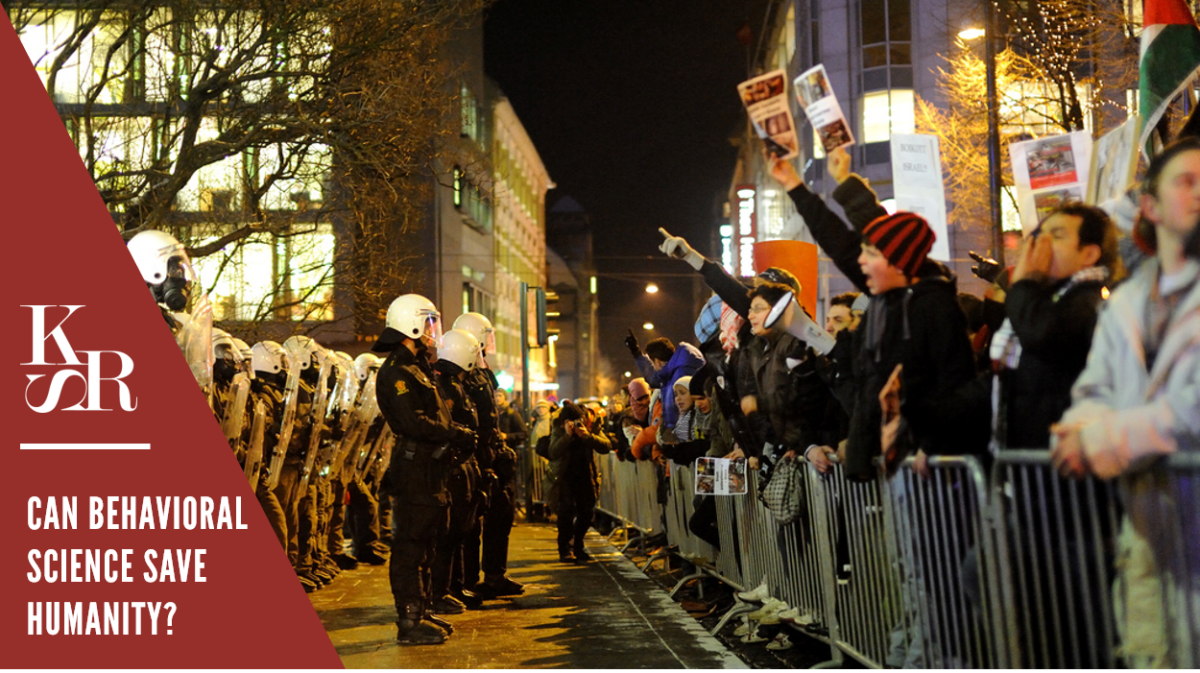
Undoing Tribalism: How Behavioral Science Can Sway Opinion and Reduce Conflict
10.27.17
BY SYLVIE STOLOFF AND ANNA GIANNUZZI What if we could deescalate some of the world’s deadliest conflicts by nudging people to think differently about their opponents? Contemporary international conflicts are increasingly shaped by identity politics, since religion, race, social background and other identity-based factors play a large role in determining political affiliations. This poses a […]
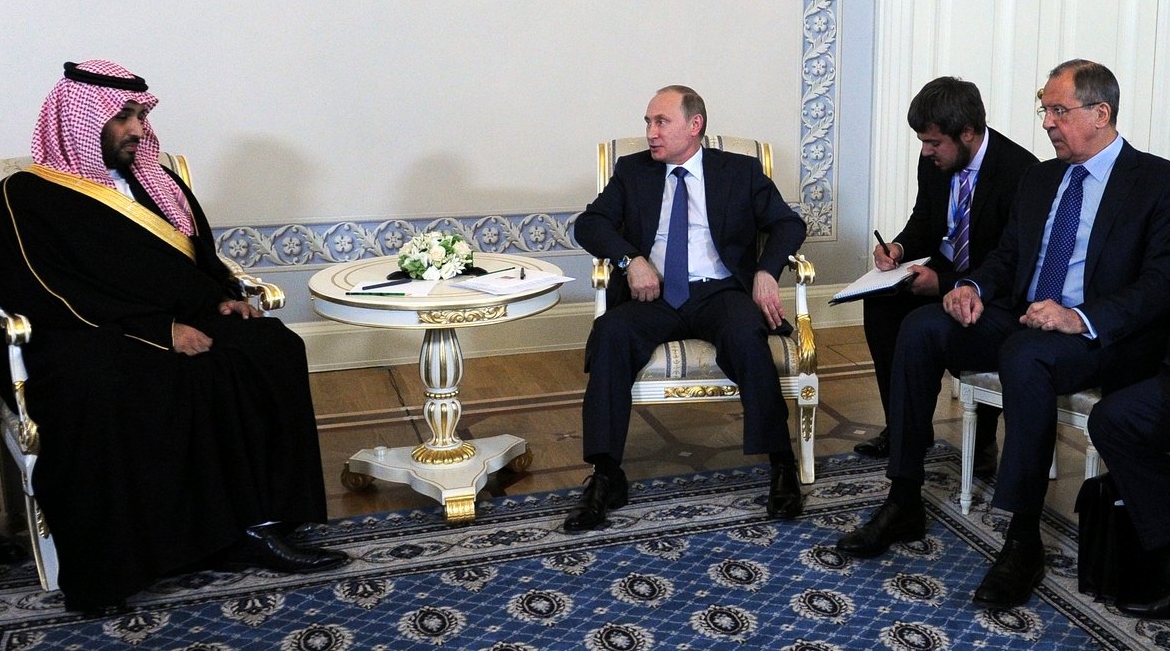
The opportunities of uncertainty: the politics of Saudi succession
10.26.17
The rise of Mohammad bin Salman raises the question of Saudi Arabia’s future relationships with the US and Russia.

The Life-Saving Science of Avoiding Temptation
10.26.17
Humans constantly over-indulge, and our long-term health suffers for it. Behavioral science tools called “commitment devices” could help us both stay on track and stay alive.
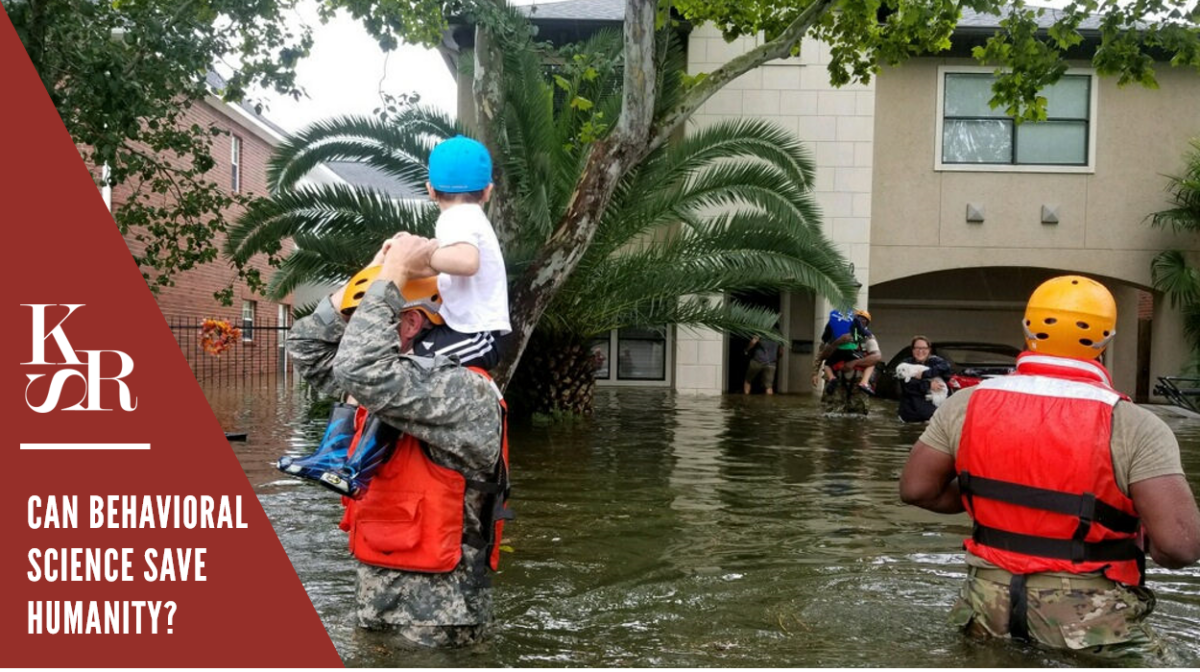
What Works to Increase Disaster Preparedness?
10.25.17
Despite recent disasters and major national efforts to promote disaster readiness, a full two-thirds of American households do not have adequate plans or have no plans at all for a disaster. What can behavioral science teach us about how to get people to prepare?
In the Face of Massive Social Challenge, Start Small
10.24.17
BY MARIE LAWRENCE The behavioral science revolution is officially underway. Nudge, one of the discipline’s most influential trade books, is now on more than 750,000 bookshelves worldwide, and its co-author Richard Thaler is a new Nobel laureate. The Behavioural Insight Team’s (BIT) successful effort to encourage Brits to pay £210 million in overdue taxes found […]

One Size Does Not Fit All: The Rise of Tailor-Made Economic Policies
10.20.17
BY HUBERT WU Many major shortcomings of economic policy making can be attributed to an over-reliance on “one-size-fits-all” policies that ignore differences in countries, industries, and individuals. Until the early 21st century, the accepted means to increase the wealth of developing countries centered on a set of largely standardized policy prescriptions. At the industry level, […]

Behind and beyond the Gulf crisis: The power struggle underlying the regional tensions
10.19.17
Head of the Middle East and North Africa Programme at Chatham House, Lina Khatib, addresses the power dynamics behind the crisis in the Gulf, its motivations, and implications for conflicts in the region.

Regulation and resilience: The protection of property rights in Palestinian refugee communities
10.16.17
While members of the Palestinian diaspora occupy a precarious social position and are often subject to successive removals from new homes, refugees have nonetheless put down roots and sought to secure their new homes in a number of ways.
Dr. Nadya Hajj, Assistant Professor of Political Science at Wellesley College, shows how this is the case.
Letter: Asylum Policies Must Consider Risk of Exploitation
10.15.17
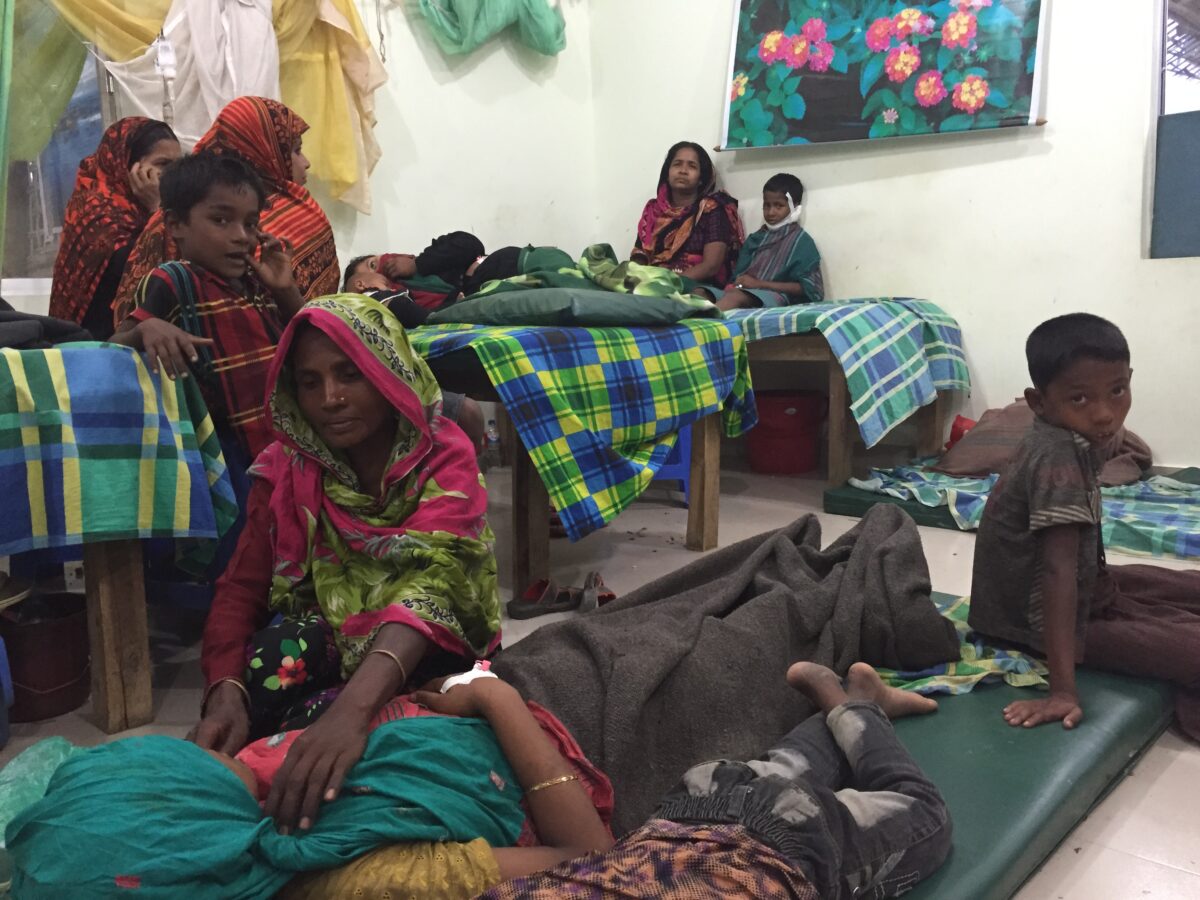
In response to our recent piece by Theophilus Kwek proposing what asylum policies in Singapore could look like, a reader argues that the experiences of migrant workers and long-term immigrants form a cautionary tale to be considered before we naively implement asylum policies for refugees.

How foreign aid undermines good rebellions in Syria
10.13.17
Despite the international community’s efforts to shape governance in Syria, moderate opposition groups have failed to gain a foothold in the country’s political sphere. This is largely related to the international community’s strategy in Syria, which has shifted from demanding the departure of Bashar al-Assad to providing humanitarian assistance and countering the Islamic State. As part of this shift, the international community has emphasized the promotion of a “good” rebellion and governance training for rebel groups in Syria.