

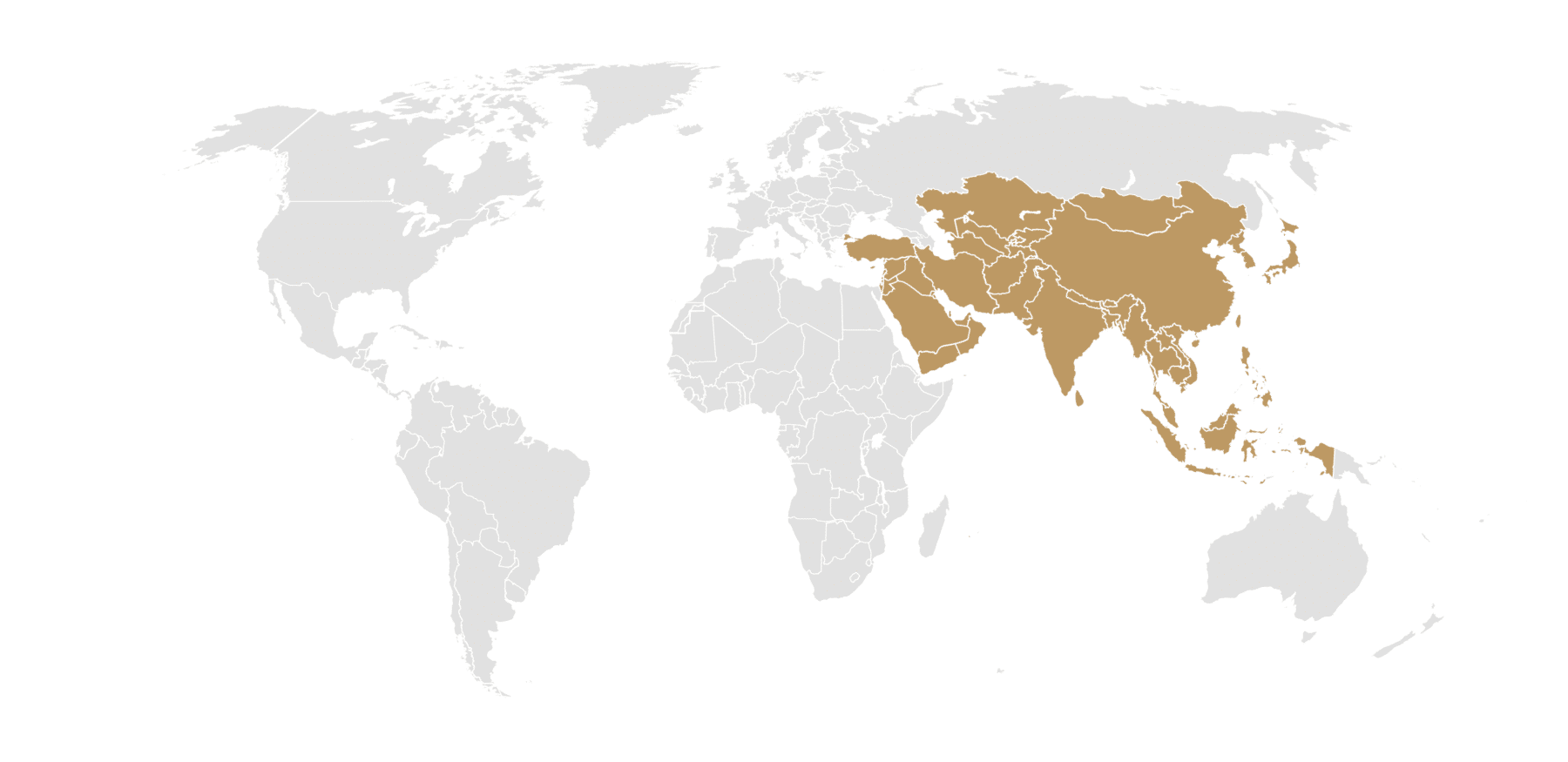
Asia
The UN-defined Asia region is the second largest regional group. Its territory is composed of much of the continent of Asia and the Middle East with few exceptions.
Explore all Articles
filter by–Topic
filter by–Country
search by–Keyword
Citizenship in Crisis
03.28.20
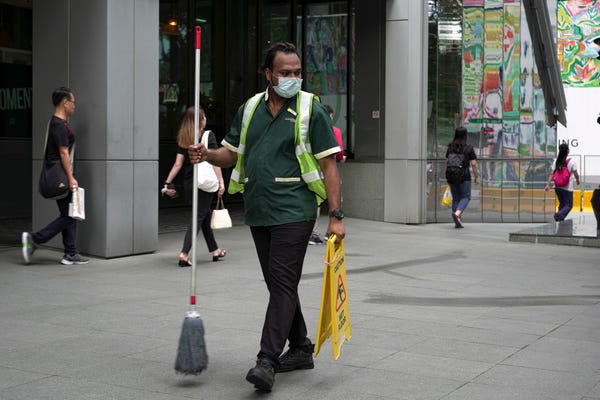
What happens to citizenship when crisis disrupts the state’s ability to fulfil its obligations to its citizens, or when citizens find themselves unable to depend on their states for a meaningful guarantee of protection in times of need? Using the emergent COVID-19 pandemic as a lens, Theophilus Kwek considers how states, including Singapore, can do better in caring equally for their citizens – and how citizens can also support each other.
Politicians Are Taking Advantage of Anti-Chinese Sentiments for Electoral Purposes
03.26.20
China’s entanglement in the domestic politics of other countries has resulted in rising anti-Chinese sentiments, especially during times when countries hold elections. Given its timeliness, politicians have used people’s frustration with China’s exploitation of their nation as a talking point to gain electoral support. Anti-Chinese sentiments can be attributed to several factors that include investment, […]

Il/licit Intimacies: Why The State Regulates FDW’s Intimate Lives
03.5.20
In Singapore, foreign domestic workers (FDWs) on Work Permits are subject to various bio-political restrictions: namely, restrictions that govern who they can marry and whether they can be pregnant.
What explains these restrictions, and why is the state so invested in policing the private intimacies of foreign domestic workers? Poh Yong Han traces through parliamentary debates and newspaper articles to show how these restrictions are informed by a neoliberal philosophy that informs how we view citizenship, and unpacks its consequences.

Teaching Liberal Arts with Illiberal Partners: Reflections on Education Collaboration with China
03.5.20
The rise of China has led to a surge in partnerships between American and Chinese universities. These partnerships offer significant opportunities for American institutions – a potential pool of new students and the possibility of demonstrating the value of free inquiry and the liberal arts to a new audience in China. But they also present […]
Made in Somewhere Else: How Premature Deindustrialization Undermines the Development of Indonesia and other Emerging Economies
03.2.20
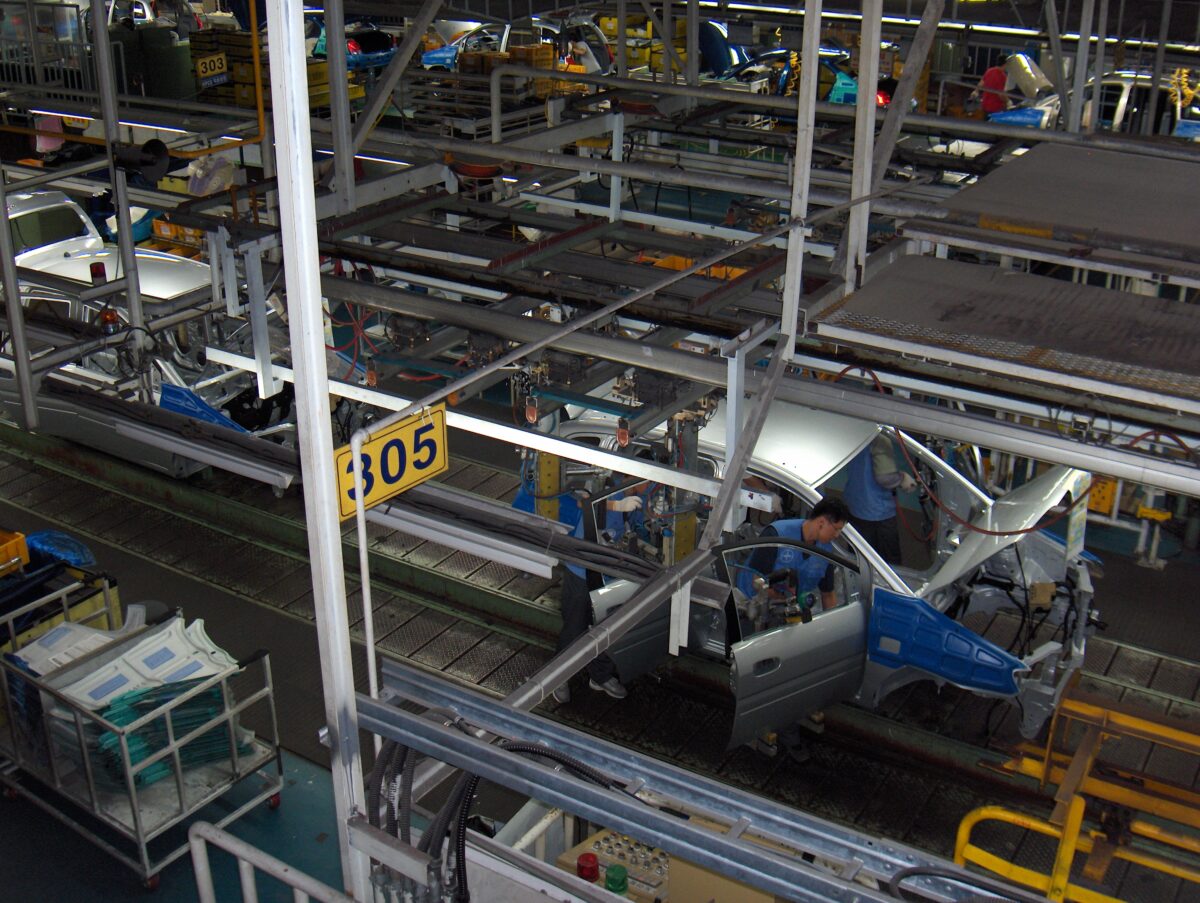
In its 1993 report, the World Bank classified Indonesia as one of the “Asian Miracles”[1]. Indonesia was on the track towards industrialization and development. It had begun to transition from agriculture and raw commodities to manufacturing. In 2000, Indonesia’s computer export was twice the value of its palm oil export[2]. Fast forward to today, and […]

From Prudence to Recklessness: Erdogan’s Risky Plays with International Law
02.28.20
Amidst abundant signs of turmoil and challenges in Turkey’s seemingly rudderless foreign policy, the country apparently needs a more diplomatic approach and legal expertise in international law rather than aggressive military posture in its immediate vicinity. As Turkey lurches into one crisis after another in the Eastern Mediterranean and the Aegean Sea, the prudent invocation […]

F-35s Are Not A Magic Weapon: Why Taiwan Should Admit Conventional Military Defeat To Defend Its Sovereignty
02.25.20
Time is running out for Taiwan. Under the leadership of Chinese Communist Party (CCP) Chairman Xi Jinping, the People’s Republic of China (PRC) has been increasingly aggressive in both poaching Taiwan’s few remaining diplomatic allies and using the growing proficiency of the People’s Liberation Army (PLA) for messaging the inevitable: reunification with the mainland.[i] Xi […]

The Case For Incorporating Social Analysis Into Policy Design
02.24.20
Paul argues that policymakers need to move beyond numbers-driven, utilitarian logics of decision-making and incorporate a human-centered approach to policy-making. Drawing from Teo You Yenn’s seminal work on the need to understand issues like inequality as lived experiences rather than just statistical data, Paul considers the benefits of a social analysis approach and examines the ways in which it can be implemented in Singapore.
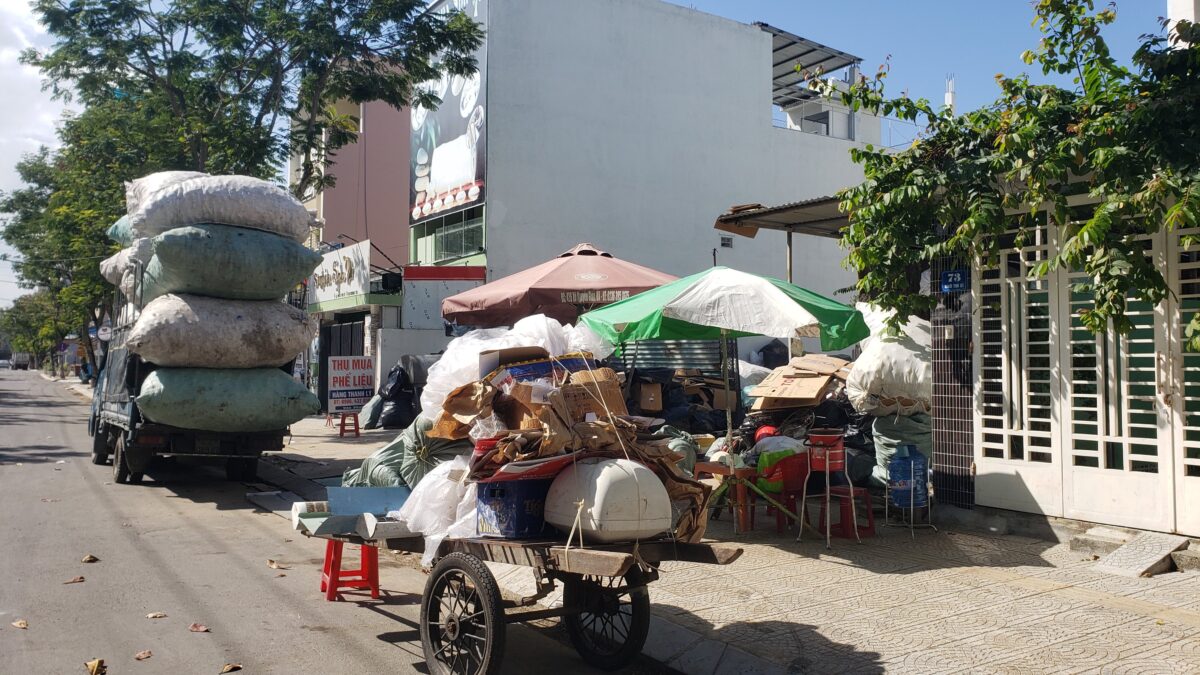
A circular economy for all: The case for integrating the informal waste sector in developing countries
02.17.20
To outsiders, Minh Khai Village in Vietnam is an assault to the senses; bales of plastic waste line its streets, waterways are deluged with litter, and toxic fumes permeate the air. Minh Khai is believed to be the largest plastic waste importer in the country[1]. It is made up of more than 1000 households, which […]

Coercion and Enticement: How the Indian Media Lost Its Soul to the BJP
02.6.20
Since the Bharatiya Janata Party (BJP) won the general elections in 2014, India’s media has precipitously fallen from grace. The media’s depreciation is intertwined with the rise of the BJP’s controversial Hindutva agenda. Hindutva, an ideology of the BJP and other right-wing groups in India, aims to establish Hindu hegemony in India. Under BJP rule, […]

Tibetan Strategies and Chinese Counter-Strategies, 1986-2012
02.2.20
This piece was published in the 29th print volume of the Asian American Policy Review. For the first time in decades, the movement had dealt a concrete, visible blow to China…The Tibet movement’s grassroots muscle and ability to generate negative publicity for its foes, posed a real threat to these companies’ brand, and influenced their decision-making. […]

Why a Traditional Austerity Plan Would Exacerbate Lebanon’s Woes – upcoming preview of JMEPP’s spring edition, Arab Uprisings: The Second Wave
01.22.20
“Why a Traditional Austerity Plan Would Exacerbate Lebanon’s Woes” is a piece from and first preview of JMEPP’s Spring 2020 Edition, Arab Uprisings: The Second Wave, written by our Managing Editor for Political Economy and Security, Mounir Mahmalat. ABSTRACT Following the eruption of mass protests in autumn 2019, Lebanon’s economy sled into a deep financial and economic […]