


Kennedy School Review
Established in 1999, the mission of the Harvard Kennedy School Review (KSR) was to publish articles that offer compelling analysis and insight and put forward pragmatic and innovative solutions for the major issues of our time. KSR sought to publish timely, provocative, important articles that influence policymakers and practitioners, stimulate public debate, and showcase the best work of Kennedy School students. KSR provided an opportunity for students to challenge, change, and influence the policy debate on crucial policy issues.
Explore all Articles
filter by–Topic
filter by–Region
filter by–Country
search by–Keyword

Cultivating Awareness: A Farm’s Role in Promoting a Healthier, More Equitable Food System
04.18.18
BY JOSEPH MANGANIELLO The first thing I noticed while talking with Andrew Rogers, who runs Clark Farm in Carlisle, Massachusetts, were his large, calloused hands, evidence of a life dedicated to arduous manual labor. It was clear that he invested much of his very being into an unforgiving industry. We are accustomed to enjoying the […]

Why Boston is Still Strong Five Years Later
04.16.18
BY NICHOLAS TALLANT Today is “Marathon Monday” and Boston’s annual Patriot’s Day celebration. But it also marks the five-year anniversary of the 2013 Boston Marathon bombing—the largest terrorist attack in the United States since 9/11. After the attack, a research team from Harvard’s John F. Kennedy School of Government initiated an in-depth review of the […]

A Call for Service Across the Civil-Military Divide
04.13.18
BY CHRIS DYLEWSKI When I walk to class these days, I am usually wearing jeans and a collared shirt. On a brisk Cambridge morning, I’ll be hunched a bit into my peacoat to escape the brunt of the biting wind. I probably have my headphones in, listening to a podcast or audiobook as I walk. […]
Radical Market Electoral Reform
04.10.18
BY SAGAR DESHPANDE and KEN INSLEY The United States of America is the oldest continuous democracy in the world, but despite the storied history of our government, American civic participation remains abysmally low. Americans feel so disconnected from their political system that during mid-term elections, the majority are not participants in their own democracy. In most states, only about a third of […]
Venezuela’s Sovereign Crypto is an Oxymoron: Why the Oil-Backed “Petro” Will Fail
04.6.18
BY KAVI PATEL Cryptocurrencies often evoke glamorous images of overnight billionaires in first-world countries and technology experts who are making blockchain their new pet project. However, the asset’s next target users come from a starkly different background. Rather than turning to cryptos for greed or technical expertise, this next wave is adopting the currency trend […]
In South Africa, Cyril Ramaphosa Can Save the ANC
03.30.18
BY STEFAN NORGAARD On February 15, Cyril Ramaphosa assumed the office of South African President after an embattled, beleaguered Jacob Zuma finally resigned. Ramaphosa has an opportunity to lead South Africa toward better democratic governance, improved service delivery, and greater equity. On economic policy, he can thread the needle between sound fiscal management and growth-oriented […]
Emerging ID Technology Helps Refugees, at a Cost to Privacy
03.27.18
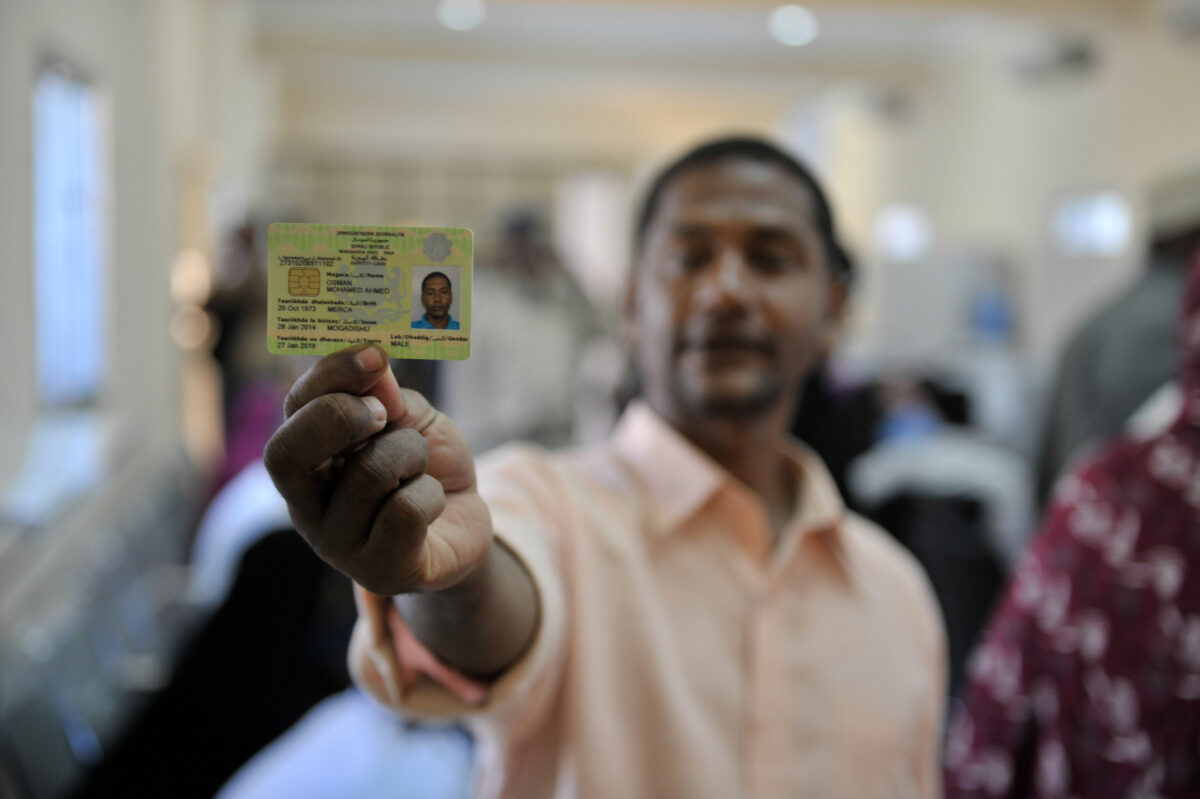
BY LAURA SCHIEMICHEN Cold, hungry, distressed – refugees arriving in Europe mourn the lives they’ve abandoned and turn anxiously towards the future. Whether they’ve forgotten their ID card or have left their birth certificate behind, the last thing on their minds is re-establishing a legal identity. Looking around, they see thousands of individuals just like […]

What We’re Missing in Machine Learning
03.26.18
BY DEVASHISH CHANDRA In 2017, Elon Musk commented that artificial intelligence is more dangerous than North Korea. Exponential technological growth led by artificial intelligence and machine learning has generated tremendous fear and anxiety. However, this apprehension isn’t a new one for humanity. In the 16th century, the scientific revolution, which led to the emergence of modern empirical […]

We Must Democratize Algorithms to Protect the Future of Civic Life
03.22.18
BY ASHLEY LEE Increasingly, we have come to think of digital platforms such as Facebook and Twitter as the public sphere, a place where citizens can freely discuss the issues of the day and engage with a diversity of opinions. However, the core business model of these companies—selling ads by harvesting the attention of targeted […]

Who Will Own the Smarts in Super-Smart Cities?
03.21.18
BY EMILY MIDDLETON Imagine a traffic system so smart that it can cut your commute in half. Imagine paths that heat up in winter, so you don’t have to walk in the snow. Imagine sensors that make it easier for the blind to get around the city, and quicker for ambulances to reach their patients. […]

If Robots Come for Our Jobs, We Need More than Universal Basic Income
03.20.18
BY ASAD RAMZANALI If you believe the standard Silicon Valley narrative, technologies like artificial intelligence will cause unprecedented levels of job loss. The solution is universal basic income (UBI), an unconditional cash transfer for every citizen. While UBI may alleviate poverty and modernize welfare programs, it is not a solution for mass unemployment. If labor […]

Can Blockchain Revolutionize Civic Engagement?
03.14.18
BY HAMADA ZAHAWI A year ago I was a part of a delegation from the Harvard Kennedy School competing in the Student Challenge at the World Government Summit in Dubai, UAE. Against twelve teams, we won with a pitch to incentivize civic engagement through citizen-government digital coins that directly activate the power of the people. […]