

Journal of Middle Eastern Politics & Policy
The Journal of Middle Eastern Politics and Policy (JMEPP) presented cutting-edge analysis on the contemporary Middle East and North Africa. JMEPP was committed to presenting new perspectives on pressing problems, addressing complex issues with insightful analysis, and exploring emerging trends shaping the region in an empirically grounded and accessible way.
Explore all Articles
filter by–Topic
filter by–Region
filter by–Country
search by–Keyword
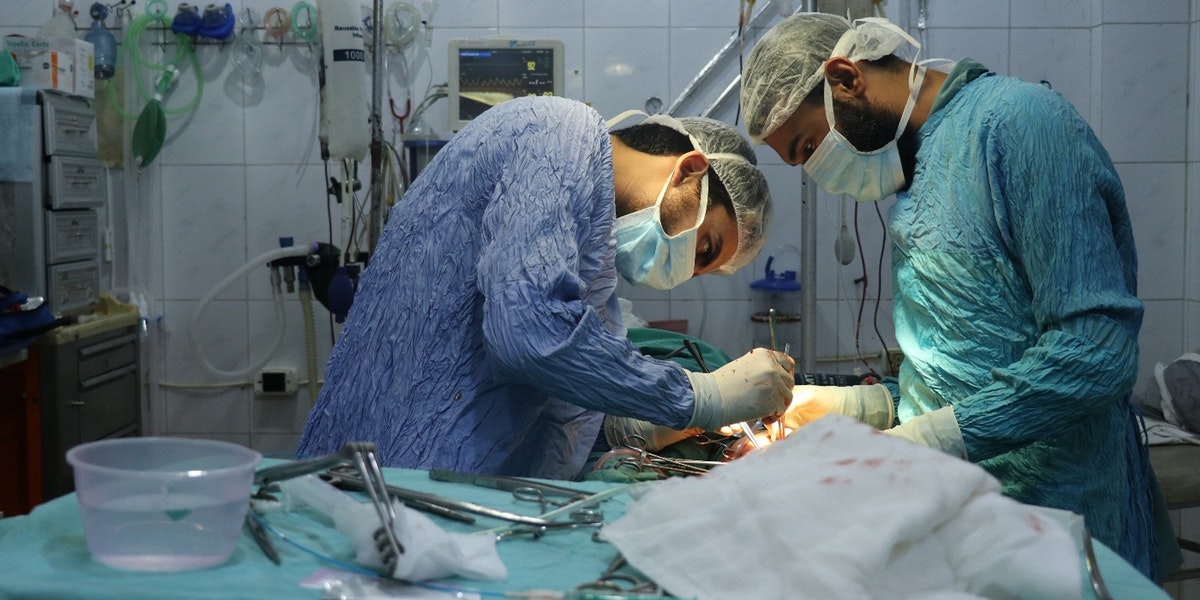
Violations of Medical Neutrality in Syria: The Need for Accountability
04.25.20
Violations of Medical Neutrality in Syria: The Need for Accountability During a time where the strength of healthcare systems is as crucial as ever, we must remember the state of healthcare in Syria. Syria reported its first covid-19 cases a week ago– and has now reported its first coronavirus deaths. However, many analysts noted […]
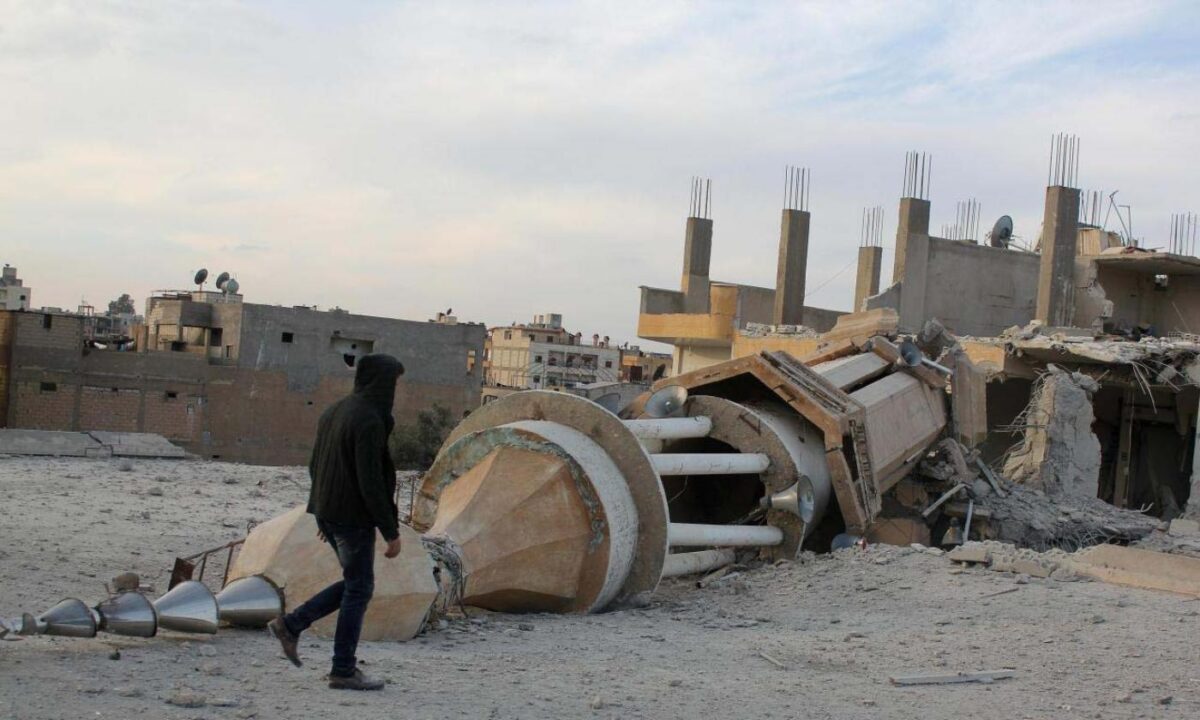
Syria, the Gulf, and Reconstruction – What Possible Future?
04.25.20
Saudi Arabia, UAE and Qatar have increased their geopolitical influence in the Middle East in the last decade. In the case of Syria, the foreign policy of Gulf monarchies the past years has been on of rapprochement towards the regime of Damascus after initially opposing it firmly and funding some armed opposition groups. This article analyzes the potential economic and political implications of the return of Gulf investments in Syria. It argues that Gulf investments would have consequences on the political economy of Syria by deepening its reliance on projects in short-term profit-seeking sectors, mostly in trade, real estate and services. At the same time, significant obstacles to Gulf investments in Syria will persist.

Deposits Made “Sacred”: The Dangerous Red Line of Lebanon’s Elites
04.25.20
Facing the ashes of an economic model based on sectarianism and cronyism, Lebanon currently endures a perfect storm of overlapping financial, economic, and political crises. Since its inauguration on January 31, 2020, the technocratic government of Prime Minister Hassan Diab, aided by international advisors, elaborated an “economic rescue plan” to explore options for recovery. Leaked […]
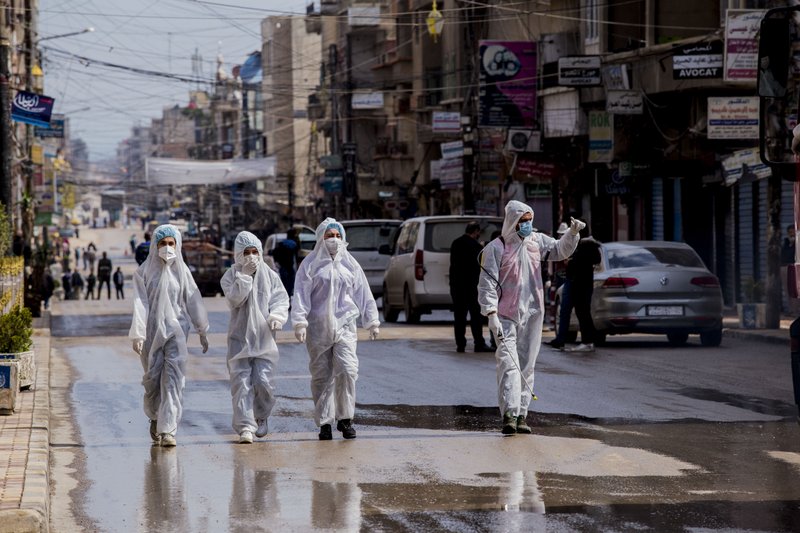
The Need to Partner Humanitarian Aid and Academic Research in the Middle East
04.18.20
In 2016, I was working at a UNHCR clinic in a refugee camp in South Beirut, Lebanon as a medical assistant. I remember throwing out suitcases full of donated medications, which were all outdated, or otherwise uselessbecause they were not addressing the health problems that we were seeing in the population. What good is a […]

Why a Traditional Austerity Plan Would Exacerbate Lebanon’s Woes – upcoming preview of JMEPP’s spring edition, Arab Uprisings: The Second Wave
01.22.20
“Why a Traditional Austerity Plan Would Exacerbate Lebanon’s Woes” is a piece from and first preview of JMEPP’s Spring 2020 Edition, Arab Uprisings: The Second Wave, written by our Managing Editor for Political Economy and Security, Mounir Mahmalat. ABSTRACT Following the eruption of mass protests in autumn 2019, Lebanon’s economy sled into a deep financial and economic […]
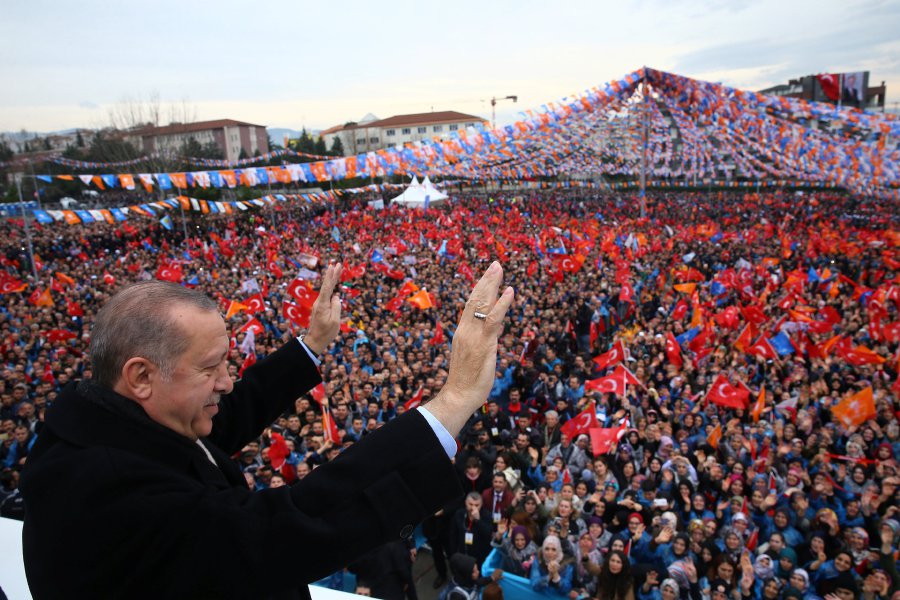
“Erdoğan the Good” or “Erdoğan the Bad?” A conversation with Soner Çağaptay on US-Turkey relations following US withdrawal from Syria
10.25.19
Editor-in-Chief Reilly Barry sits down with US-Turkey relations expert Soner Çağaptay to discuss what is important to keep in mind in the bilateral context following major changing events in Syria and renewed US dialogue on the path ahead for the alliance, Turkey’s role in NATO, and the lasting persona of Erdoğan affecting the relationship.
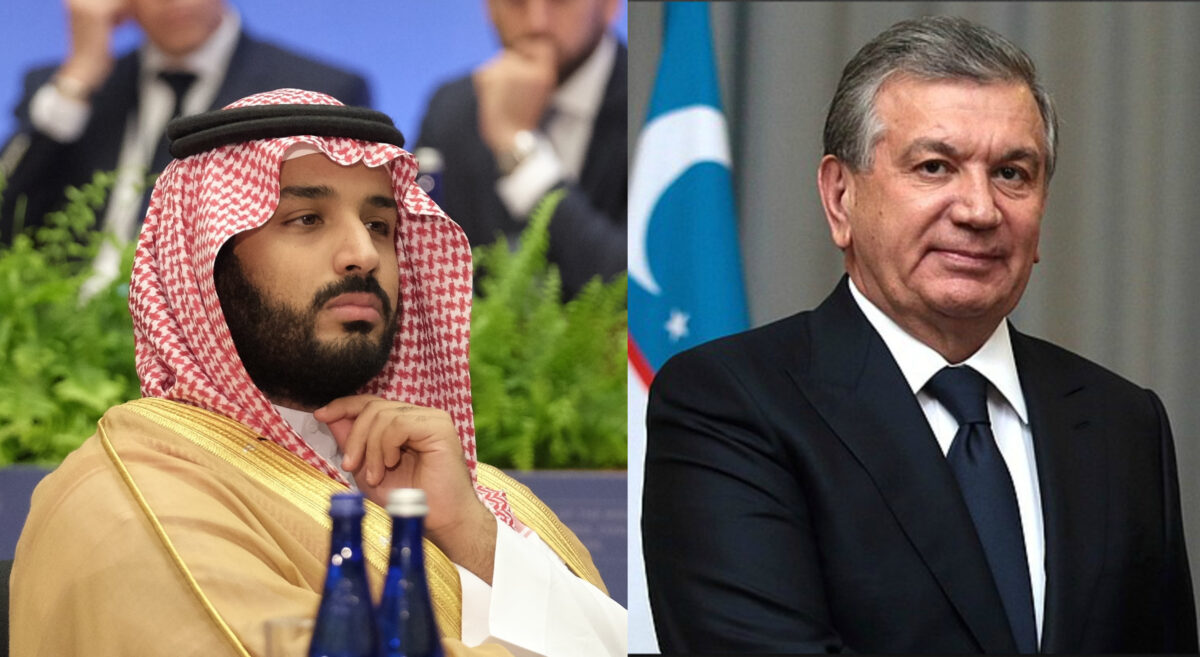
Reform or reshuffle? A comparative glance at Saudi Arabia and Uzbekistan
05.10.19
In late 2016, most people had never heard of Muhammad bin Salman or Shavkat Mirziyoyev. Both, however, would take control of their respective countries within six months. The shifts of power in Saudi Arabia and Uzbekistan represent an abrupt interruption of stable, autocratic regimes. At the outset, there was no reason to expect long-lasting changes […]
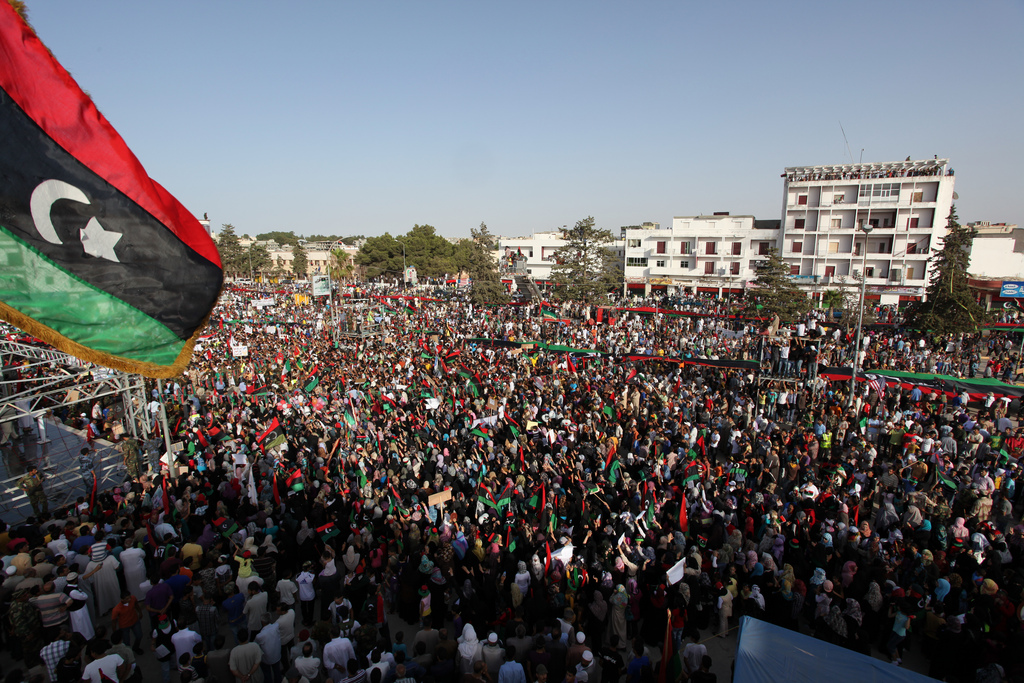
The fate of Tripoli and the democratic dream for Libya
04.14.19
The deadly conflict in Tripoli will make it more difficult to find areas of compromise between hardened Libyan factions. However, the alternatives are continued chaos, or weak authoritarian rule under Haftar.
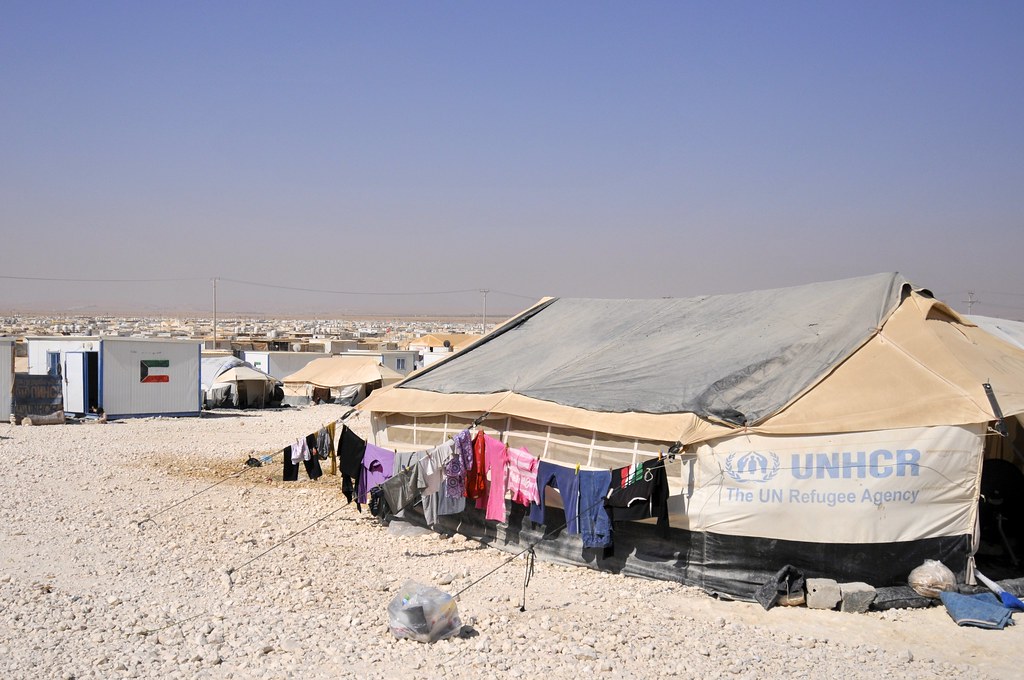
Empowerment and compassion in refugee crisis response: A conversation with UNHCR MENA Director Amin Awad
04.11.19
“Having worked all over the world on a range of emergencies over the last 30 years, community resilience is something that I have witnessed in every situation, without fail. The strength of the human spirit to triumph over adversity never ceases to amaze me.”

Interview: Mental Health in the Middle East with Doctor Brigitte Khoury
04.2.19
JMEPP staff writer Lynn Ezzeddine interviewed Dr. Brigitte Khoury, the first psychologist in Lebanon’s most reputable hospital, American University of Beirut Medical Center, and the current president-elect for the international division of the American Psychologist Association. The following discussion covers mental health in the Middle East: stigma, needs, access, and barriers to care. We look […]
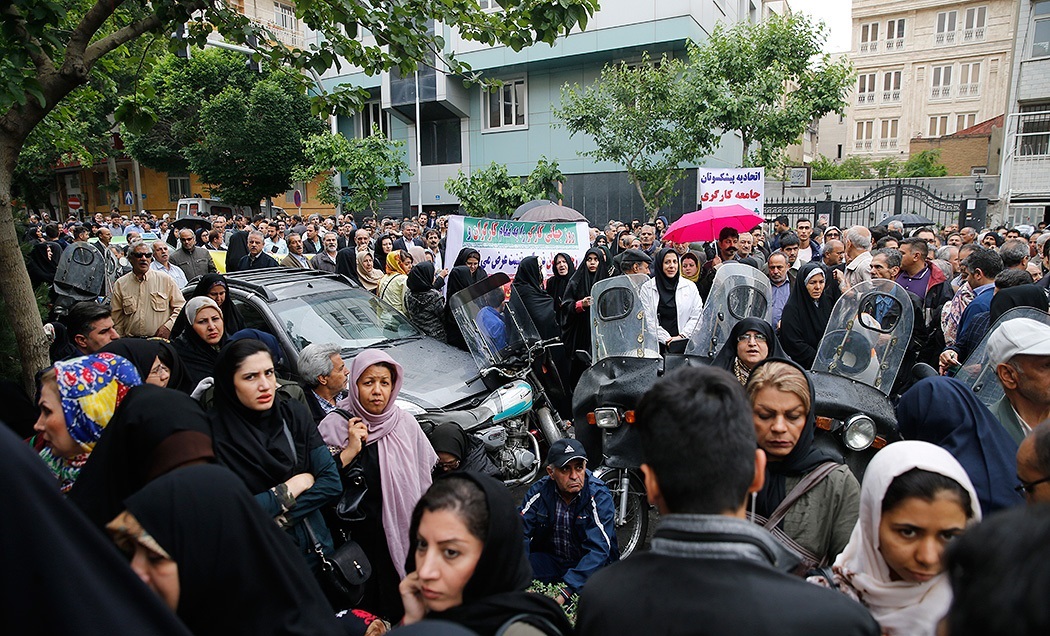
The politics of hope: a nation’s patience tested
03.27.19
Iran’s citizens, who have clung to hope and the possibility for change through decades of domestic repression and isolation from the global economy, struggle to remain hopeful. By further undermining Iran’s civil society through a damaging, sanctions-forward policy, the U.S. risks weakening the aspirations of Iranians for a peaceful future where equality and human rights are respected.

Constraining U.S. foreign policy by enforcing current law: a series on Congress’s options to limit arms sales and aid to Saudi Arabia, part 3
03.21.19
To secure a court order, Congress must show that the executive’s refusal to follow the FAA and the Leahy laws uniquely injures the legislative branch in a way that only the courts can remedy.