
Singapore
U.N-defined country
Explore all Articles
filter by–Region
filter by–Country
search by–Keyword

Imagining Utopias: The Importance of Moral Idealism in Singapore
10.7.19
“It is tempting to believe that the cynic is, somehow, more intelligent than the dreamer. But in truth, pragmatism is no smarter than idealism.” Lee Chin Wee argues that, in discussions about Singapore’s future, we should leave room at the table for idealists and dreamers. In his view, it is a mistake to treat the government’s growth-oriented and metrics-focused narrative of pragmatism as gospel truth. When Singaporeans present and grapple with competing visions of the ‘good’, this strengthens social inclusion and improves policy-making.

In Defence of Protest Culture
09.25.19
Protests have a bad rep in Singapore. Framed by the state as violent, divisive, and a threat to stability, protests are deliberately discouraged, largely disallowed, and when permitted, heavily controlled. Poh Yong Han make a case for encouraging “protest culture” in Singapore by responding to common criticisms of protest culture, and outlining the ways in which protests might actually serve to strengthen Singapore.
The Limitations of Subject-Based Banding: What About Single-Stream Schools?
06.11.19
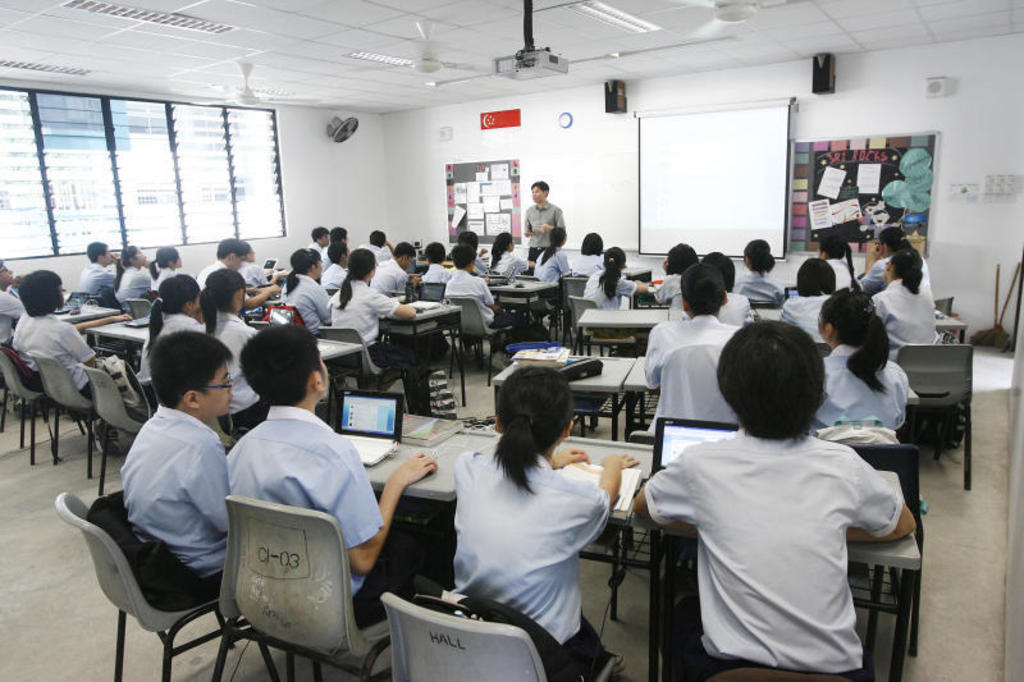
Much of the debate on MOE’s recent moves to integrate schoolmates of different academic streams via Subject-Based Banding (SBB) has focused on whether SBB will be effective, or what the implementation of SBB will look like. However, one underdiscussed aspect of MOE’s policy change is its lack of impact on single-stream schools. Izzah Haziqah Haris explores why this is a problem, and potential policy options to deal with this issue.
Should We Abolish SAP Schools?
06.4.19
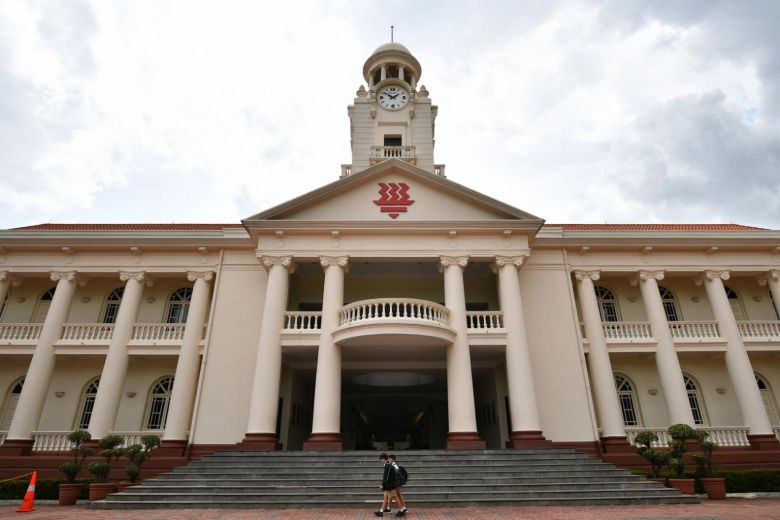
Since 1979, the Special Assistance Plan (SAP) program has promoted the study of Chinese language and cultural values at 26 primary and secondary schools. By tracing the history of the program, Shaun Loh makes a case for why the SAP program in its current form is problematic, and argues that it should either be abolished or significantly reformed.
Mending our Meritocracy: Socioeconomic Affirmative Action in School Admissions?
03.24.19
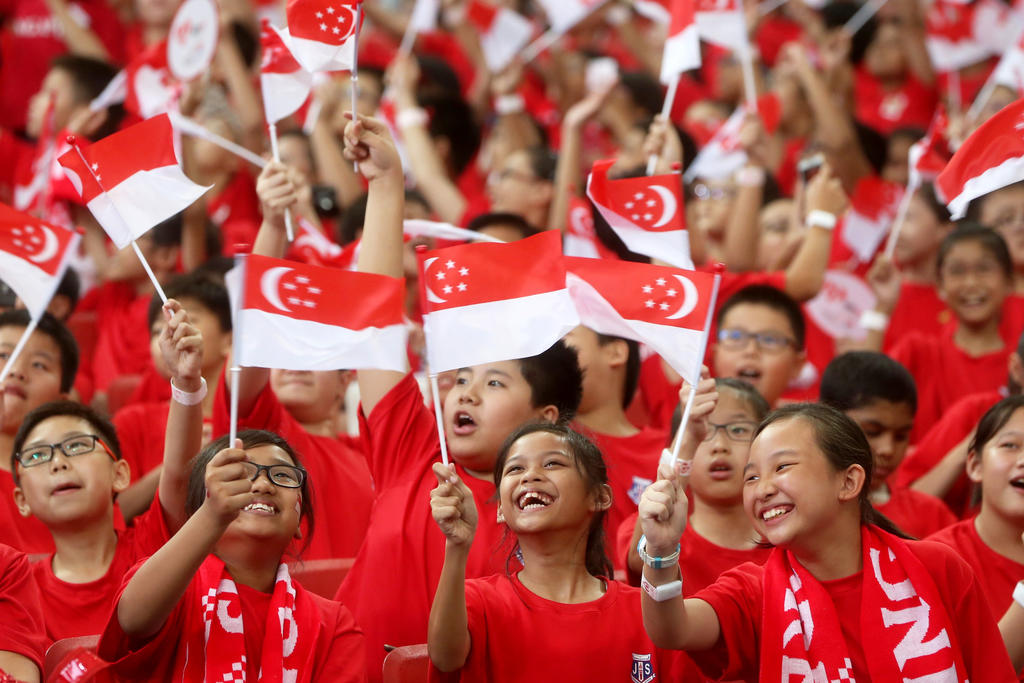
Singapore’s growing class divide presents challenges to its espoused meritocratic ideals. Samantha Wong, Toh Wei Lun and Amelia Woo consider proposals akin to “affirmative action” – namely the use of quotas and nominations in school admissions – to address educational and consequently socioeconomic disparities.
Letter: Subject-Based Banding is Not the Escalator We’re Looking For
03.20.19
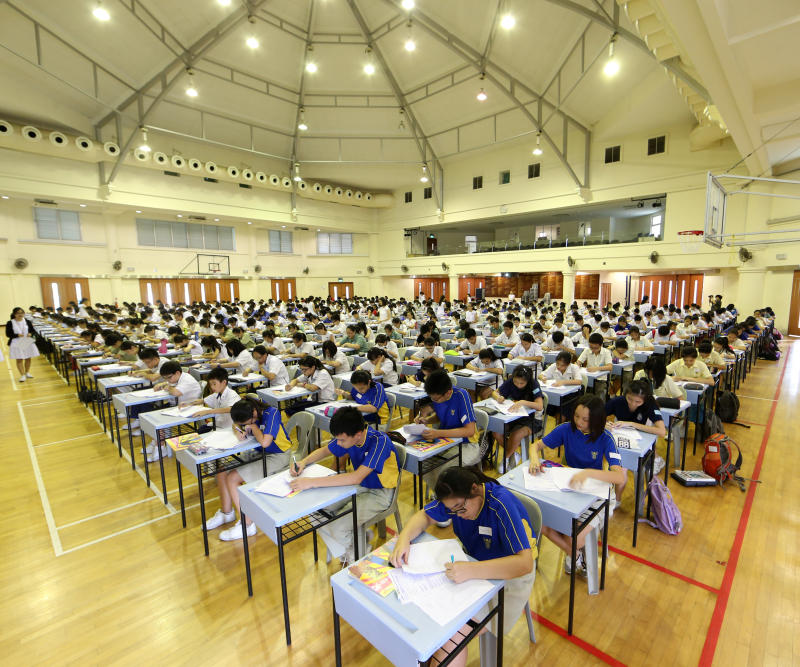
On the topic of subject-based banding, Andrew Chia responds to Lionel Oh’s Op-Ed by laying out potential practical difficulties in overhauling the existing streaming system, showing how these obstacles could undermine the effectiveness of such a change.

Moving Beyond Streaming: Will Subject-Based Banding Work?
03.8.19
Singapore plans to replace streaming in secondary schools with subject-based banding by 2024. Lionel Oh explores how this banding could be implemented in a flexible yet substantive way that best captures the spirit of the policy intent, so that it does not simply become yet another form of educational stratification.
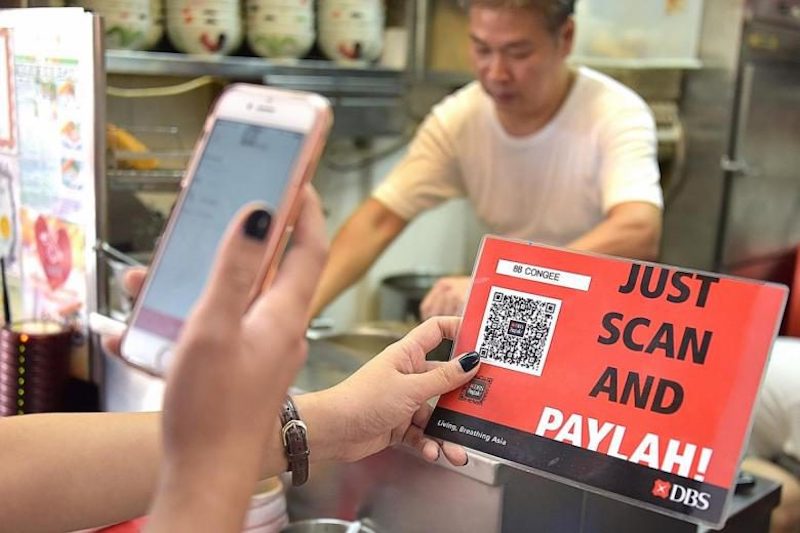
Rethinking the Push Towards a Cash-Free Society
03.3.19
As part of the Smart Nation initiative, the government has been pushing for Singapore to go fully cashless within the next few years. Soh Kian Peng lays out the benefits and drawbacks of this move and explains why a complete switch away from cash might not be desirable.

Love, Labour, and Loss: Decoding the ‘Migrant Worker’
02.20.19
‘Migrant workers’ is the typical term used to describe migrants who work in Singapore. But they are far more than just workers defined by their labour. Theophilus Kwek argues that we should move beyond the simple trope of ‘migrant workers’ in our discourse on migrant issues, as a first step to seeing them as people whose lives are just as full and fraught as our own, and treating them accordingly.
A Migrant Worker’s Perspective: The Issues We Face
02.18.19
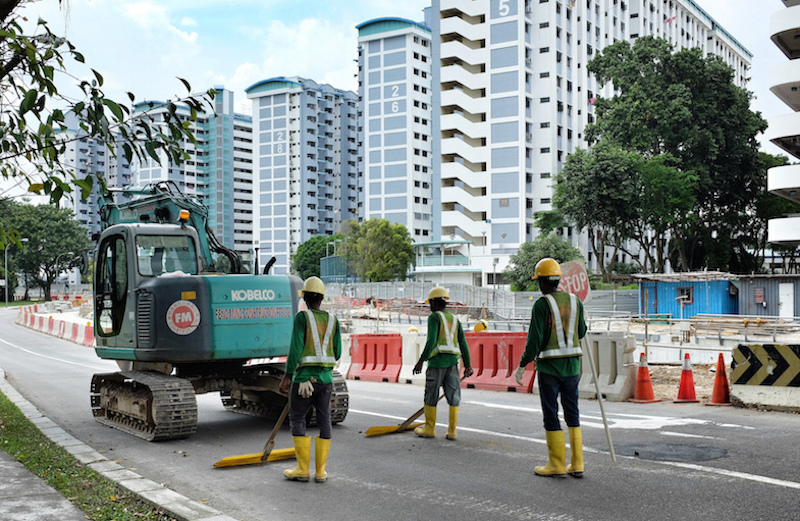
Migrant workers are all too often shut out from avenues to express their issues and concerns for public discussion. In this op-ed, Zakir Hossain Khokan tells us about the issues he has faced as a migrant working in Singapore, and what solutions might look like.
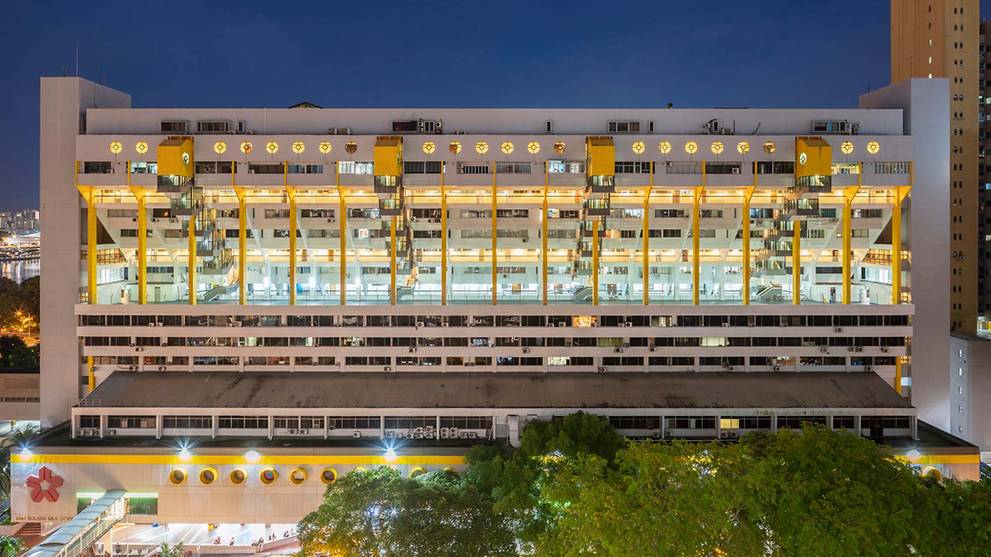
Golden Mile Complex: Not Just Another Space
02.14.19
Golden Mile Complex is a Brutalist building facing potential demolition after its owners agreed to a collective sale attempt – much to the dismay of many in Singapore. Most news coverage, however, focuses on its architectural importance to Singapore’s heritage. But it plays an important social role, too, for Thai migrants. In this long-form research paper, Al Lim explores Golden Mile, and investigates the effect of its potential destruction on the Thai migrant community in Singapore.
Can the Migrant Speak?: Migrant Worker Poetry and the Art of Advocacy in Singapore
02.11.19
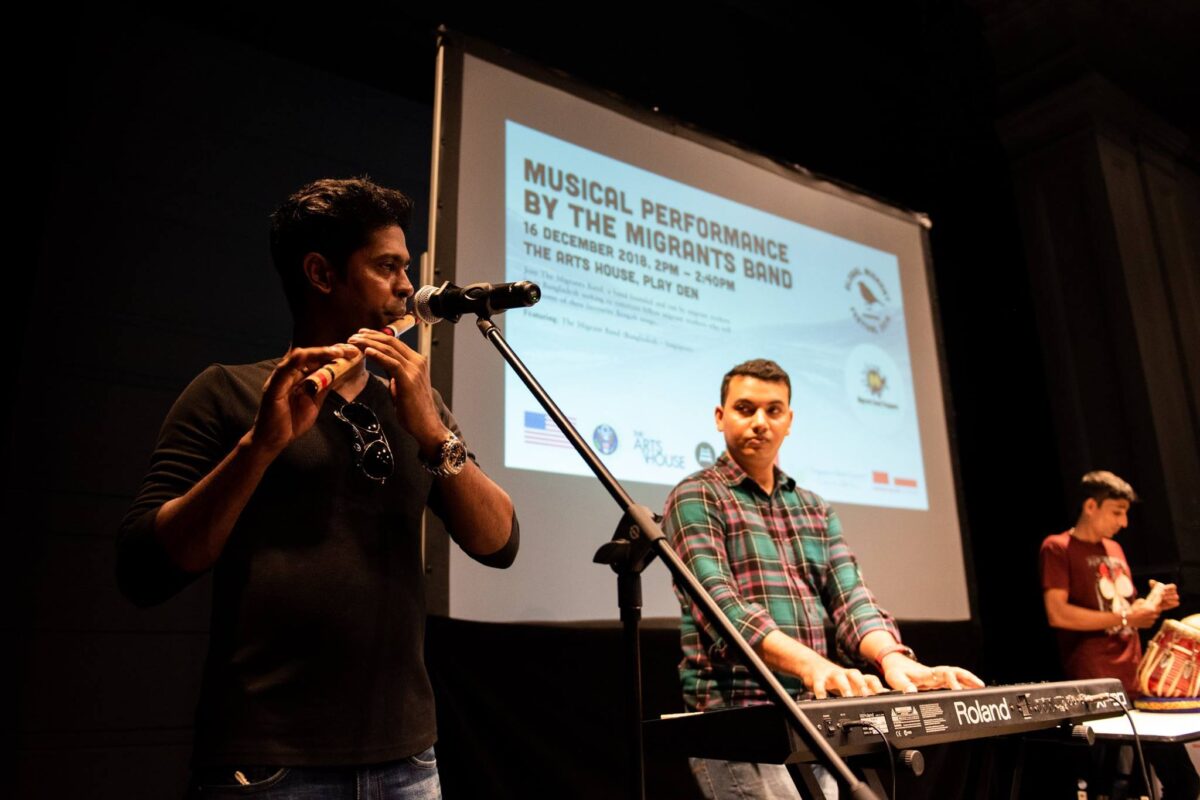
A humane society cares for all of its members, whether they are citizens or not. But in today’s world, rights are often tied to citizenship. Poh Yong Han explores the options for migrant worker advocacy in Singapore, focusing on the potential power of the arts in bringing about positive change.